For decades, the furnace was the default way to heat a Toronto home. Today, many homeowners are asking whether a heat pump is a better choice. The answer is not the same for every house. The debate over a ductless heat pump vs furnace depends on your existing ductwork, your insulation, your energy costs and how you want your home to feel.
This guide compares both systems on the factors that matter most in Toronto: winter performance, running costs, comfort, installation and lifespan. To learn more about the equipment, you can also visit ductless heat pump.
How Each System Works
How a Furnace Heats Your Home
A furnace burns natural gas, or in some homes oil or uses electric resistance, to create heat. A blower then pushes warm air through ducts to the vents in each room. Furnaces provide strong, fast heat and are familiar to most homeowners.
How a Ductless Heat Pump Heats Your Home
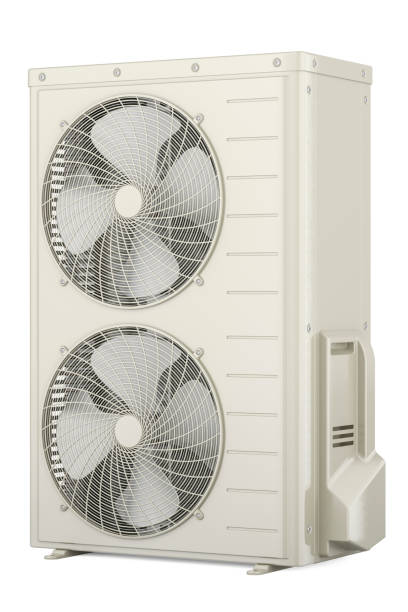
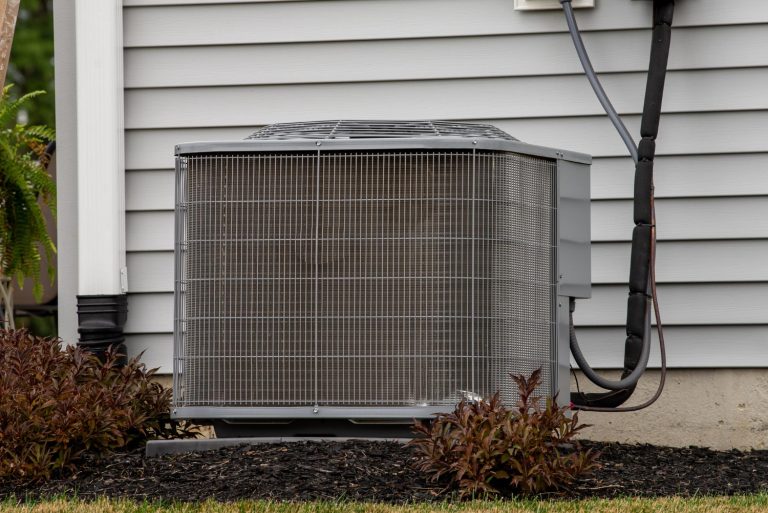
A ductless heat pump moves heat from outdoor air into your home using refrigerant. Indoor units deliver the heat directly to the room, with no ducts required. In summer, the same system reverses to provide air conditioning.
Winter Performance: Heat Pump Heating in Toronto
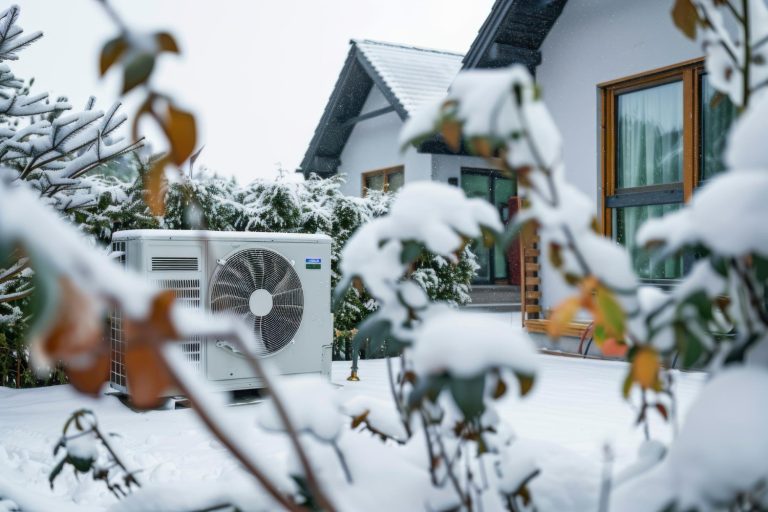
This is the question most Toronto homeowners ask first. Can a heat pump keep up when it is freezing outside? A modern cold climate heat pump can. Many models are rated to operate at -25°C, and their output remains strong at the temperatures Toronto sees most of the winter.
What Changes on the Coldest Days
Heat pump output and efficiency decline as it gets colder. A furnace, by contrast, delivers the same output regardless of outdoor temperature. That is why design matters: a properly sized cold climate system should meet your needs, and some homeowners keep a furnace as backup for deep cold snaps.
Heat Pump Winter Performance Checklist
Look for rated capacity at -15°C or colder.
Choose a model designed for cold climates.
Make sure the system is sized by heat loss, not just square footage.
Do You Need Backup Heat?
Not always, but it is worth discussing. Some Toronto homeowners rely on the heat pump alone, while others keep a furnace or electric heat for the coldest few days of the year. Your insulation, the size of the system and your comfort expectations will guide the decision.
Ask where the outdoor unit will go and how it will be protected from snow.
Cost Comparison: Running Costs and Installation
Furnace Heating Cost
Furnace heating cost depends mainly on the price of natural gas, the efficiency of the furnace and your home’s insulation. High-efficiency furnaces are common and reasonably affordable to operate, though gas prices and carbon charges can change.
Heat Pump Running Cost
A heat pump’s running cost depends on electricity rates and how efficiently it operates at the outdoor temperature. Compared with electric baseboards or electric furnaces, heat pumps can cut electricity use significantly. Compared with natural gas, the result varies by home and rates, so a heat loss estimate and a quote are the best way to compare.
Incentives and Rebates
Heat pump incentives in Ontario and Canada have changed several times in recent years, and furnace incentives are less common. Check which programs are available when you are ready to buy, and ask your installer which documents you will need. Incentives can shift the cost comparison, so it is worth confirming them before you decide.
Installation Cost
If you already have ductwork, replacing a furnace may be straightforward. If you do not, a ductless system avoids the cost and disruption of adding ducts. Our furnace installation team and ductless team can both give you a quote, so you can compare real numbers.
Comfort and Air Quality
Temperature Control
Ductless systems provide room-by-room control. You can keep the bedrooms cooler and the living room warmer. Furnaces heat the whole house through one thermostat, though zoning options exist.
Even Heating and Air Delivery
Furnace heat often arrives in strong bursts. Heat pumps operate more continuously at lower speeds, which usually feels steadier.
Air Quality and Noise
Ductless systems avoid duct leakage and the dust that can accumulate in ductwork. Indoor units are generally quiet. Furnaces can be noisy at start-up and when the blower runs.
Heating and Cooling in One
A furnace heats only. If you want air conditioning, you need a separate air conditioner. A ductless heat pump does both, which is a significant advantage in a climate where summers are increasingly warm and humid.
Lifespan and Maintenance
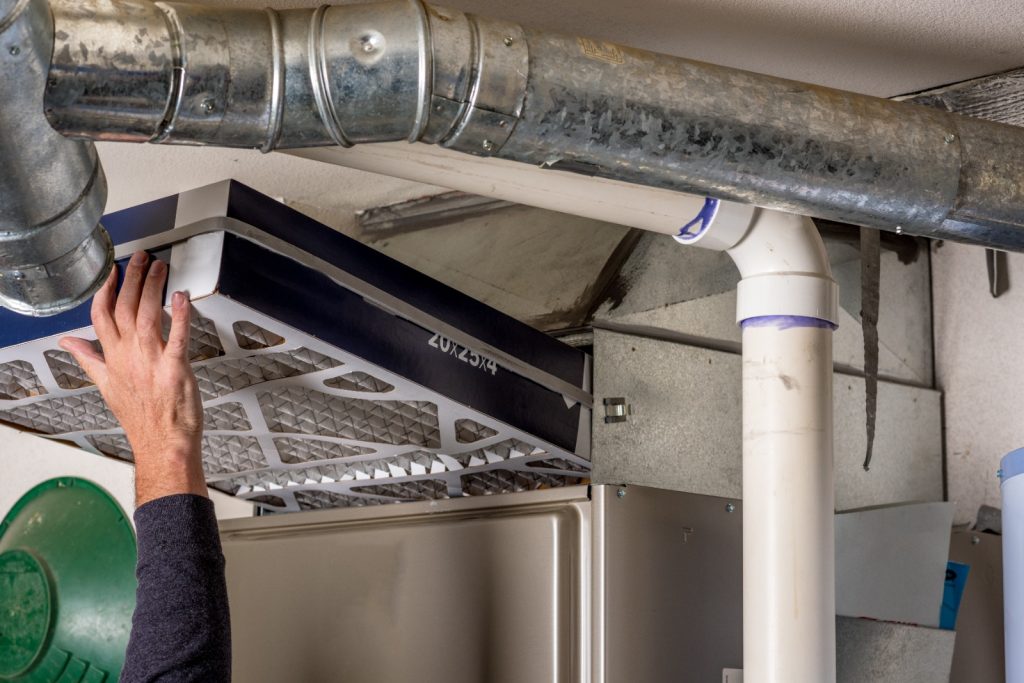
- Furnace: typically lasts around 15 to 20 years with proper care. Needs annual servicing and filter changes.
- Ductless heat pump: commonly lasts 15 to 20 years or longer with maintenance. Needs filter cleaning and annual servicing of the indoor and outdoor units.
Whichever system you pick, regular maintenance protects efficiency and reliability.
Environmental and Energy Considerations
A furnace burns fuel in your home and produces emissions on site. A heat pump runs on electricity, and Ontario’s electricity grid is generally lower in carbon than in many other regions. For homeowners who want to reduce their reliance on fossil fuels, a heat pump is an attractive option. Efficiency also matters: because a heat pump moves heat instead of creating it, it can deliver more heat energy than the electrical energy it uses.
Which Homes Suit a Furnace and Which Suit a Heat Pump?
When a Furnace Makes Sense
- You have good ductwork and a furnace that is still in good condition.
- Natural gas is affordable and you prefer a familiar system.
- You want a single central system with minimal indoor equipment.
When a Ductless Heat Pump Makes Sense
- Your home has no ductwork, as in many older Toronto houses.
- You want heating and cooling from one system.
- You have additions, basements or rooms that are hard to heat.
- You want to reduce fossil fuel use and gain room-by-room control.
When Both Together Is the Best Answer
Many homeowners keep the furnace and add a ductless heat pump. The heat pump handles most of the heating and cooling, and the furnace stays ready for extreme cold. If your furnace is aging or acting up, our article on furnace not heating problems in Toronto can help you decide what to do.
Real-World Scenarios
Here are three common situations we see in Toronto homes:
- Older home without ducts: a ductless heat pump is often the simpler path, since it avoids the cost and disruption of adding ductwork.
- Newer home with ducts and a healthy furnace: keep the furnace and consider adding a heat pump for cooling and shoulder-season savings.
- Home with an aging furnace and a cold addition: install a ductless unit for the addition now, and decide on the furnace later.
Questions to Ask Before You Decide
- How old is my furnace, and how much longer is it likely to last?
- Does my home have usable ductwork?
- How well is my home insulated?
- Do I want air conditioning as well?
- What incentives are available now?
How Go Ductless Inc. Can Help
Go Ductless Inc. installs both ductless heat pumps and furnaces, so our recommendation is based on your home rather than a single product line. We evaluate your layout, insulation and comfort goals, then explain the pros and cons of each option. We have served Toronto for more than 10 years.
Final Thoughts
The right choice between a ductless heat pump and a furnace depends on ductwork, energy costs, comfort goals and whether you want cooling as well. For many Toronto homes, a heat pump, with or without a furnace backup, is a strong option.
Not sure which is right for you? Get a free estimate from Go Ductless Inc. or call (647) 916-9114 and we will give you honest guidance.
Frequently Asked Questions
1. Is a ductless heat pump better than a furnace?
It depends on your home. Heat pumps offer efficiency, cooling and room-by-room control. Furnaces offer strong, familiar heat and work well with existing ductwork.
2. Can a heat pump replace my furnace in Toronto?
In many homes, yes, when it is a properly sized cold climate system. Some homeowners keep a furnace as backup for extreme cold.
3. Is heat pump heating cheaper than gas in Toronto?
It varies with energy rates, insulation and system efficiency. A custom estimate is the best way to compare. Go Ductless Inc. can help you with that.
4. Do heat pumps work at -20°C?
Many cold climate models operate at -20°C and below, though output is lower than on mild days.
5. Which lasts longer, a heat pump or a furnace?
Both commonly last 15 to 20 years with regular maintenance.
6. Can I use a heat pump and a furnace together?
Yes. Many Toronto homes use both, with the heat pump handling most of the year and the furnace kept as backup.