Ontario winters can put any heating system to the test. Temperatures can stay below freezing for extended periods, snow and ice can affect outdoor equipment, and homeowners need dependable heat throughout the coldest parts of the season. This leads many people to question how a ductless heat pump cold winter Ontario system will perform when outdoor temperatures fall well below zero. Modern cold climate heat pumps are specifically engineered to continue extracting heat from outdoor air at temperatures that would have challenged older equipment.
At Go Ductless Inc., we help homeowners understand what realistic winter performance looks like before choosing equipment. A ductless heat pump cold winter Ontario setup can provide efficient, steady heating when the system is correctly selected, sized, positioned, and maintained. However, efficiency changes as outdoor temperatures drop, and some homes may benefit from supplemental heating during extreme conditions. This guide explains cold weather performance, efficiency, defrost cycles, equipment selection, home insulation, operating habits, and what Ontario homeowners should expect throughout winter.
How A Ductless Heat Pump Works During An Ontario Winter
A ductless heat pump cold winter Ontario system does not create heat in the same way that an electric resistance heater or combustion furnace does. Instead, it uses electricity to transfer heat from outside air into the home. Even when outdoor temperatures are below freezing, the air still contains thermal energy that modern heat pump technology can capture. Refrigerant absorbs this outdoor heat, the compressor raises its temperature, and the indoor unit releases the heat into the living space.
Natural Resources Canada explains that cold climate air source heat pumps are designed specifically for Canadian conditions and some can continue operating at temperatures as low as approximately -30°C. Performance varies by equipment model, so homeowners should always review the manufacturer’s low-temperature capacity specifications. A properly selected ductless heat pump cold winter Ontario system therefore has the potential to provide useful heating throughout much of the winter while also providing cooling during summer.
Why Heat Is Still Available Below Freezing
Outdoor air may feel extremely cold, but it still contains heat energy. A ductless heat pump cold winter Ontario system uses the refrigeration cycle to collect that energy and move it indoors. Cold climate equipment uses advanced compressors, controls, and heat exchanger designs to maintain useful output at lower temperatures than conventional heat pumps.
What Happens To Efficiency As Temperatures Drop
Heat pump efficiency does not remain exactly the same at every outdoor temperature. As the temperature falls, the system has to work harder to extract heat from the outdoor air. Compressor output may increase, operating periods may become longer, and the system may consume more electricity. A ductless heat pump cold winter Ontario system can therefore still be efficient during freezing weather, but homeowners should expect efficiency and available heating capacity to change as outdoor conditions become more severe.
This is why published ratings should not be viewed as one fixed measure of real winter performance. Seasonal efficiency depends on how much time the system spends operating at mild, moderate, and extreme temperatures. Natural Resources Canada notes that cold climate systems are better adapted to low temperatures than conventional air source heat pumps. When comparing a ductless heat pump cold winter Ontario system, homeowners should review low-temperature capacity and heating performance instead of looking only at cooling ratings.
Cold Climate Models Make A Difference
Not every heat pump is designed for the same winter conditions. Cold climate models are specifically optimized for lower temperatures. For homeowners who expect a ductless heat pump cold winter Ontario system to handle a significant portion of their winter heating, choosing equipment designed for cold climate operation is particularly important.
Understanding Heating Capacity In Extreme Cold
Heating capacity refers to how much heat the equipment can deliver under specific conditions. A ductless heat pump cold winter Ontario system may provide strong heating at moderate winter temperatures but experience reduced available capacity as outdoor temperatures approach the system’s lower operating limits. This does not automatically mean the heat pump is inefficient or failing. It reflects the physical challenge of extracting heat from colder outdoor air.
The important question is whether the system’s available output at low temperatures matches the home’s heat loss. A poorly insulated house with large windows, air leaks, and extensive exterior wall exposure may require much more heat than a well-insulated home of the same size. Go Ductless Inc. considers these factors when planning a ductless heat pump cold winter Ontario installation because equipment capacity must be compared with the building’s actual heating demand.
Heat Loss Matters More Than Square Footage Alone
Two homes with identical floor areas can require very different heating capacities. Insulation, air leakage, windows, ceiling height, orientation, and exposed surfaces all affect the load. Proper assessment gives a ductless heat pump cold winter Ontario system a much better chance of maintaining comfort during severe weather.
Defrost Cycles And What Homeowners Should Expect
During winter operation, moisture in outdoor air can freeze on the outdoor heat exchanger. A layer of frost restricts airflow and reduces heat transfer, so a ductless heat pump cold winter Ontario system periodically enters a defrost cycle. During defrost, the system temporarily redirects heat to the outdoor coil to melt accumulated frost. This process is normal and necessary for reliable winter operation.
Homeowners may notice temporary changes during defrost. Indoor heating can pause briefly, airflow may change, and steam may rise from the outdoor unit as frost melts. These signs are usually normal. However, excessive ice that does not clear, unusually frequent defrost cycles, or a ductless heat pump cold winter Ontario system that struggles continuously may indicate blocked airflow, drainage problems, equipment issues, or another condition requiring professional inspection.
Normal Frost Versus A Potential Problem
A light layer of frost that disappears during normal defrost operation is expected. Heavy ice that remains on the outdoor equipment is different. Homeowners should avoid attempting to break ice off coils manually because delicate components can be damaged.
Ways To Improve Winter Heat Pump Performance
Even well-designed equipment performs better when the surrounding home and installation support efficient operation. Homeowners can take several practical steps to help a ductless heat pump cold winter Ontario system maintain consistent comfort throughout the heating season.
Consider these winter performance tips:
- Keep indoor filters clean so airflow remains strong
- Keep snow and ice away from the outdoor unit
- Avoid placing storage items close to outdoor equipment
- Use steady and reasonable temperature settings
- Improve attic, basement, and wall insulation where needed
- Seal noticeable air leaks around doors and windows
- Keep furniture and curtains away from indoor units
- Schedule professional service if performance changes noticeably
Why Outdoor Unit Placement Is Critical In Ontario
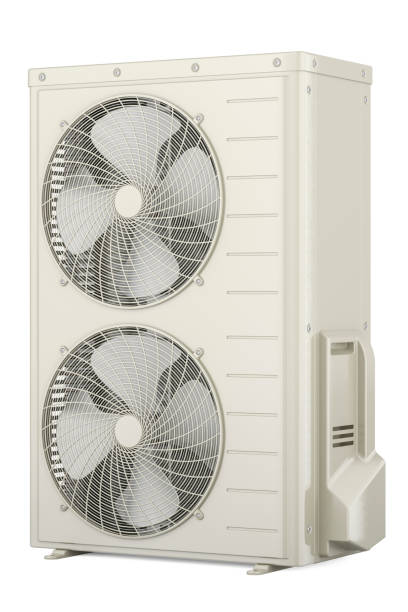
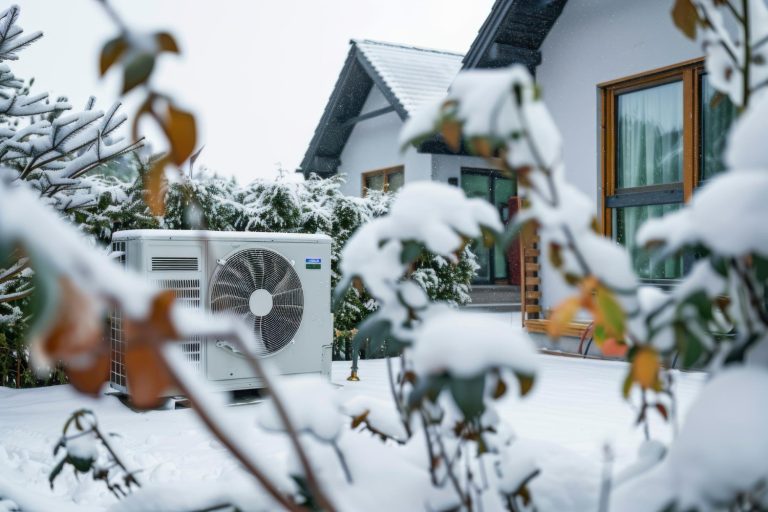
Outdoor placement becomes especially important when a ductless heat pump cold winter Ontario system is expected to operate throughout the heating season. The unit needs adequate airflow and should be positioned where snow accumulation is unlikely to bury the coil. Depending on the property and manufacturer requirements, an elevated stand or other approved mounting solution may help provide better winter clearance.
Drainage also deserves attention because defrost cycles produce water. That water needs somewhere safe to go without creating excessive ice around the equipment. Go Ductless Inc. considers snow patterns, drainage, airflow, accessibility, refrigerant line routing, and service clearance before choosing an outdoor location. These details may seem minor during installation, but they can have a major impact on ductless heat pump cold winter Ontario reliability once winter arrives.
Keep The Outdoor Unit Clear
Homeowners should visually inspect the outdoor equipment after major snowfalls. Snow should not block the intake or discharge areas, and the equipment should remain accessible for service.
Proper Indoor Unit Placement Supports Efficiency
Indoor placement also affects how efficiently a ductless heat pump cold winter Ontario system heats a room. Warm air needs a clear path to circulate through the zone. A unit installed behind furniture, beside tall cabinets, or in an awkward corner may struggle to distribute heat evenly even if the equipment itself has enough capacity.
Room layout becomes even more important when homeowners expect one indoor unit to serve several spaces. Open areas can sometimes share conditioned air effectively, while closed bedrooms cannot. A ductless heat pump cold winter Ontario design should therefore reflect doors, walls, furniture, floor levels, and how occupants actually use the home rather than assuming heat will automatically spread everywhere.
Closed Rooms May Need Separate Zones
If bedroom doors stay closed for long periods, a hallway unit may not provide consistent heating inside those rooms. A Mini Split or multi-zone plan can provide more direct control when separate rooms have different comfort needs.
Inverter Technology And Steady Winter Heating
Most modern ductless heat pumps use variable-speed inverter technology. Rather than operating at one fixed output level, the compressor can increase or decrease capacity as conditions change. During milder winter periods, a ductless heat pump cold winter Ontario system may operate at lower output to maintain the set temperature rather than repeatedly switching completely on and off.
As outdoor temperatures fall, the inverter can increase compressor output to meet higher heating demand. This steady style of operation may feel different from a furnace that delivers short periods of very hot air. Heat pump supply air can feel gentler, but the room can remain consistently comfortable. Homeowners using a ductless heat pump cold winter Ontario system should therefore judge comfort by room temperature stability rather than expecting furnace-like bursts of heat.
Avoid Constantly Turning The System On And Off
Allowing an inverter system to maintain a reasonable temperature can be more practical than repeatedly shutting it down and asking it to recover from a large temperature drop. Stable operation allows the system to adjust its output gradually as heating demand changes.
When Supplemental Heating May Be Helpful
Supplemental heating should be considered as part of a complete ductless heat pump cold winter Ontario strategy, especially in homes with high heat loss or during rare periods of extreme cold. Natural Resources Canada notes that supplementary heating can be required depending on the type of heat pump, its operating limits, and outdoor conditions. Cold climate systems can operate at substantially lower temperatures than conventional models, but every system and home has limits.
Supplemental heat can come from an existing furnace, boiler, electric baseboards, electric resistance equipment, or another properly designed heating source. Keeping backup heating does not mean a ductless heat pump cold winter Ontario system has failed. In some homes, a hybrid strategy can provide a practical balance by allowing the heat pump to handle much of the seasonal heating demand while another source is available when conditions become unusually severe.
Hybrid Heating Can Provide Flexibility
A homeowner may use the heat pump as the primary source for certain zones while retaining an existing furnace or other system for backup. The best configuration depends on the home, equipment, energy costs, and comfort priorities.
Insulation Has A Major Effect On Winter Efficiency
Equipment cannot prevent heat from escaping through a poorly insulated building envelope. If a home loses heat rapidly through the attic, foundation, walls, windows, or doors, the ductless heat pump cold winter Ontario system has to work harder to replace that lost energy. Improving insulation and air sealing can reduce the home’s heating load and help the equipment maintain comfort with less effort.
Older Ontario homes may benefit from attention to attic insulation, basement rim joists, exterior doors, weatherstripping, and obvious air leakage points. These improvements can also make room temperatures more stable regardless of heating equipment. When homeowners want maximum value from a ductless heat pump cold winter Ontario installation, improving the building envelope is often an important part of the overall comfort strategy.
Air Sealing Helps Reduce Heat Loss
Small leaks around windows, doors, electrical penetrations, and other openings can collectively create significant heat loss. Addressing those areas can reduce drafts and make the heating system’s job easier.
Comparing Standard And Cold Climate Ductless Heat Pumps
Standard air source heat pumps can provide efficient heating in moderate conditions, but cold climate models are specifically designed to extend useful heating performance into lower temperatures. For homeowners evaluating a ductless heat pump cold winter Ontario system, understanding this difference is essential because equipment intended mainly for mild climates may not maintain the same capacity during severe Ontario weather.
Natural Resources Canada’s ENERGY STAR information for ductless heating and cooling notes that newer equipment can use advanced compressors and refrigerants to improve low-temperature performance. Homeowners can review certified products and efficiency information. Go Ductless Inc. can also help homeowners compare Ductless Heat Pump options and Mitsubishi Electric M-Series equipment based on winter performance requirements.
Do Not Compare Equipment By Brand Alone
A manufacturer may offer several product series with very different low-temperature specifications. The exact model and matched indoor and outdoor combination matter more than the brand name by itself.
Maintenance During The Heating Season
Regular maintenance supports the performance of a ductless heat pump cold winter Ontario system. Indoor filters should be checked and cleaned according to manufacturer instructions because restricted airflow can reduce heat distribution and make the equipment work harder. Indoor units should also remain clear of curtains, furniture, and other objects that interfere with airflow.
Outdoor equipment needs regular visual attention during winter. Snow, ice, fallen leaves, and other debris should not restrict airflow. Homeowners should arrange professional service if the ductless heat pump cold winter Ontario system begins making unusual noises, develops persistent ice, displays error codes, or can no longer maintain normal temperatures. Preventive attention is much easier than dealing with a heating interruption during severe weather.
Seasonal Professional Inspection
Professional service can include checking system operation, drainage, electrical components, coils, controls, and other performance factors that are not part of routine homeowner maintenance.
Why Choose Go Ductless Inc.
Go Ductless Inc. designs ductless heat pump cold winter Ontario solutions around the home rather than relying on a generic equipment recommendation. We consider heating load, insulation, windows, room separation, existing heating, indoor unit placement, outdoor winter conditions, electrical requirements, and homeowner comfort goals before recommending a system. This approach helps prevent common problems such as undersizing, poor zone coverage, blocked airflow, and outdoor placement that does not suit Canadian winters.
We can also help homeowners choose the right related service. A Ductless Heat Pump can provide year-round heating and cooling, while a Mini Split may be suitable for a single problem room. Ductless Air Conditioning can address summer comfort when heating is handled another way, and Mitsubishi Electric M-Series can be considered when homeowners want premium residential ductless equipment. Go Ductless Inc. focuses on proper design and installation so a ductless heat pump cold winter Ontario system is prepared for real seasonal conditions.
Get Reliable Winter Comfort With A Ductless Heat Pump From Go Ductless Inc.
A ductless heat pump cold winter Ontario system can provide dependable and efficient winter heating when the equipment is designed for cold climates, correctly sized for the home’s heat loss, and installed with winter conditions in mind. Homeowners should expect efficiency and heating capacity to change as outdoor temperatures fall, along with normal behaviours such as defrost cycles and longer operating periods. Good insulation, steady operating habits, proper outdoor clearance, and regular maintenance can all support stronger winter performance.
If you are considering a ductless heat pump cold winter Ontario solution, contact Go Ductless Inc. for a professional assessment. We can review your home’s heating load, insulation, room layout, existing heating system, and winter comfort needs before recommending equipment. Whether your project involves a Ductless Heat Pump, Mini Split, Ductless Air Conditioning system, or Mitsubishi Electric M-Series equipment, proper planning can help you achieve reliable comfort through Ontario’s coldest months.
Frequently Asked Questions
-
Can a ductless heat pump cold winter Ontario system work below freezing?
Yes. Cold climate models are designed to operate below freezing, and some systems can continue working at temperatures around -30°C depending on the specific equipment. -
Does ductless heat pump cold winter Ontario efficiency drop in extreme cold?
Yes. Efficiency and heating capacity generally change as outdoor temperatures fall because the system must work harder to extract heat from colder air. -
Does a ductless heat pump cold winter Ontario system need backup heating?
Some homes may benefit from supplemental heat during extreme weather depending on the equipment capacity, home heat loss, and system design. -
Why does a ductless heat pump cold winter Ontario system enter defrost mode?
Defrost removes frost from the outdoor coil so airflow and heat transfer can continue effectively during freezing conditions. -
How can I improve ductless heat pump cold winter Ontario performance?
Keep filters clean, maintain outdoor clearance, use steady temperature settings, improve insulation and air sealing, and schedule service when needed. -
Does insulation affect ductless heat pump cold winter Ontario efficiency?
Yes. Better insulation and air sealing reduce heat loss, allowing the system to maintain indoor comfort with less heating demand. -
When should I contact Go Ductless Inc. about a ductless heat pump cold winter Ontario system?
Contact Go Ductless Inc. when you want professional sizing, cold climate equipment selection, zone planning, and installation guidance for reliable winter comfort.