Toronto homes rarely have perfectly even temperatures from room to room. One bedroom may feel warm at night, a basement office may stay chilly, a sunny living room may need extra cooling in the afternoon, and a finished addition may never match the rest of the house. This is where zoned ductless heating Toronto solutions can make a practical difference. Instead of relying on one thermostat to control the entire property, ductless systems allow homeowners to manage comfort in individual rooms or zones based on how those spaces are actually used.
At Go Ductless Inc., we help homeowners design zoned ductless heating Toronto systems around real layouts, occupancy patterns, and comfort problems. A properly planned ductless setup can provide heating and cooling to selected rooms without requiring traditional ductwork. This is especially useful in older homes, renovated spaces, bedrooms with closed doors, finished basements, home offices, and multi-level properties. This guide explains how zoning works, what types of rooms benefit most, how many zones you may need, and what to consider before choosing a system.
What Zoned Ductless Heating Toronto Actually Means
Zoned ductless heating Toronto refers to a system where one or more indoor units provide independent heating and cooling to specific areas of the home. Instead of pushing conditioned air through a central duct network, each indoor unit treats the room or open zone where it is installed. Natural Resources Canada explains that ductless mini-split systems can provide heating and cooling to localized areas, while multi-split systems can use multiple indoor units connected to a single outdoor unit. That structure makes room-by-room control possible without installing large duct runs.
The benefit is that different rooms can operate at different temperatures. A bedroom can be cooler at night, the main living area can remain comfortable during the day, and a basement can use its own setting without forcing the whole house to follow one thermostat. Zoned ductless heating Toronto is therefore less about simply adding more equipment and more about matching comfort output to real room needs. When the zone design is correct, homeowners gain better control without unnecessarily heating or cooling spaces that are not being used.
How A Zone Works
A zone usually consists of one indoor unit serving one room or one connected open area. For zoned ductless heating Toronto systems, the most important factor is whether conditioned air can move freely through the intended space. Open living and dining areas may share one zone, while closed bedrooms usually need separate indoor units if consistent comfort is required behind closed doors.
Why Toronto Homes Benefit From Room-By-Room Control
Toronto housing includes everything from older detached homes and semis to townhouses, condos, renovated bungalows, and multi-storey family properties. Many of these homes have uneven temperature patterns because of roof exposure, varying insulation, long duct runs, different window orientations, and renovations completed at different times. Zoned ductless heating Toronto can address these problems directly by placing heating and cooling capacity where the comfort issue exists.
Room-by-room control is also useful when family members have different temperature preferences. A home office may need extra cooling during daytime computer use, while bedrooms may require more heating overnight in winter. Instead of adjusting one central thermostat repeatedly, zoned ductless heating Toronto allows the comfort strategy to change from room to room. This can make the home easier to manage and reduce unnecessary temperature adjustments elsewhere.
Older Homes And Renovated Spaces
Older Toronto homes often have rooms that were not designed for modern HVAC. A rear addition, attic bedroom, finished basement, or converted office may receive weak airflow from the existing system. In these situations, zoned ductless heating Toronto can provide direct conditioning without requiring extensive modifications to the original duct layout.
How Mini Split And Multi-Zone Systems Differ
A Mini Split usually pairs one indoor unit with one outdoor unit. This setup is ideal when zoned ductless heating Toronto is needed for one specific space, such as a bedroom, office, basement, or addition. A single-zone Mini Split can solve one major comfort problem without affecting the rest of the home. It can also be a practical starting point for homeowners who do not need whole-home ductless coverage.
A multi-zone system connects several indoor units to one compatible outdoor unit. This configuration is better suited to zoned ductless heating Toronto projects where multiple rooms or floors need independent control. Each indoor unit can usually be adjusted separately, but the connected zones share outdoor system capacity. This means the design must consider how many rooms will call for heating or cooling at the same time and how the household actually uses those spaces throughout the day.
When A Single Zone Is Enough
One zone may be enough if the home is comfortable overall except for one specific room. For example, an upstairs bedroom that becomes too warm in summer may only need a dedicated Mini Split rather than a complete multi-zone system.
When Multiple Zones Make Sense
Multiple zones are more appropriate when several closed rooms, different floors, or separate living areas have independent comfort needs. Zoned ductless heating Toronto works best when the zone count reflects actual room separation instead of simply trying to cover the greatest square footage with the fewest indoor units.
Best Rooms For Zoned Ductless Heating Toronto
Bedrooms are one of the most common applications for zoned ductless heating Toronto because sleeping comfort is highly sensitive to temperature and airflow. Upper bedrooms can become warmer in summer because of attic heat and sun exposure, while winter temperatures can vary depending on insulation and exterior walls. A dedicated indoor unit gives the bedroom independent control without forcing the whole home to follow the same setting.
Finished basements, home offices, additions, sunrooms, and rooms over garages can also benefit from zoning. These spaces often have different heating and cooling loads than the main house. A Ductless Heat Pump can provide year-round comfort in one of these areas, while Ductless Air Conditioning can focus primarily on summer cooling when heating is already handled another way. Zoned ductless heating Toronto is most useful when the room has a clear comfort problem and receives regular use.
Bedrooms And Sleep Areas
Bedroom zones should be positioned to provide gentle, indirect airflow rather than blowing directly at the bed. Correct placement can help zoned ductless heating Toronto systems maintain comfort quietly through the night.
Home Offices And Workspaces
Home offices often contain computers and electronics that add heat during the day. A separate zone allows the room to stay comfortable during working hours without changing the temperature in unused bedrooms.
How Zoning Can Improve Energy Use
One of the strongest advantages of zoned ductless heating Toronto is the ability to condition occupied rooms differently from unused ones. Instead of running one central system at the same setting throughout the entire house, homeowners can prioritize the rooms they are actually using. Natural Resources Canada notes that ductless heating and cooling systems can provide different climates in different rooms through independent indoor units.
This does not mean zoning automatically guarantees lower energy bills. Efficiency still depends on insulation, windows, setpoints, equipment sizing, outdoor temperature, and how the system is operated. However, zoned ductless heating Toronto gives homeowners more control over where energy is being used. When paired with reasonable temperature settings and good home insulation, that flexibility can support more efficient day-to-day operation.
Inverter Technology
Many modern ductless systems use inverter-driven compressors that adjust output as demand changes. This allows the system to reduce output once the zone approaches the desired temperature instead of repeatedly running at maximum capacity. For zoned ductless heating Toronto, this can help maintain steadier comfort and quieter operation.
Signs Your Home May Benefit From Zoning
Some homes show clear signs that one thermostat is not enough. If you regularly experience major temperature differences between rooms, or if certain spaces require portable heaters, window units, or constant fan use, zoned ductless heating Toronto may be worth considering.
Common signs include:
- Upstairs bedrooms stay warmer than the main floor
- Basement rooms feel too cold in winter
- A home office becomes uncomfortable during the day
- Family members prefer different room temperatures
- Bedroom doors stay closed at night
- An addition or sunroom never matches the rest of the home
- You use portable heaters or window AC units in problem rooms
- Existing ductwork delivers weak airflow to certain areas
How Many Zones Does Your Home Need?
The right number of zones depends on how the home is divided and how the rooms are used. Zoned ductless heating Toronto should not be planned by square footage alone. One large open-concept area may work well with one indoor unit, while several smaller bedrooms may require separate units because doors interrupt airflow. The goal is to create practical comfort zones, not simply install as few indoor units as possible.
Go Ductless Inc. evaluates room separation, occupancy, insulation, window exposure, ceiling height, floor level, and heat loss before recommending a zone count. A three-storey Toronto home may need a very different zoned ductless heating Toronto plan than a bungalow with an open main floor and finished basement. Proper design helps prevent both under-zoning and unnecessary equipment.
Closed Doors Matter
If bedroom doors remain closed at night, one hallway unit should not be expected to maintain the same temperature in every room. Zoned ductless heating Toronto designs should reflect how the home is actually used.
Placement Of Indoor Units
Indoor unit placement has a major effect on performance. A unit should have a clear path for airflow and enough clearance for maintenance. Furniture, curtains, shelving, and tall cabinets should not block the intake or discharge. In zoned ductless heating Toronto installations, the indoor head should also be positioned where conditioned air can travel through the intended zone without creating drafts in frequently occupied areas.
Bedrooms require special attention because people spend long periods in one position while sleeping. Living rooms require broader air distribution across seating areas. Home offices need airflow that does not blow constantly toward a desk. Correct placement allows zoned ductless heating Toronto systems to provide comfort without forcing the fan to run harder than necessary.
Wall-Mounted Placement
Wall-mounted units are commonly installed high on an interior or exterior wall. The exact position should balance airflow, line routing, appearance, and service access.
Outdoor Unit Planning
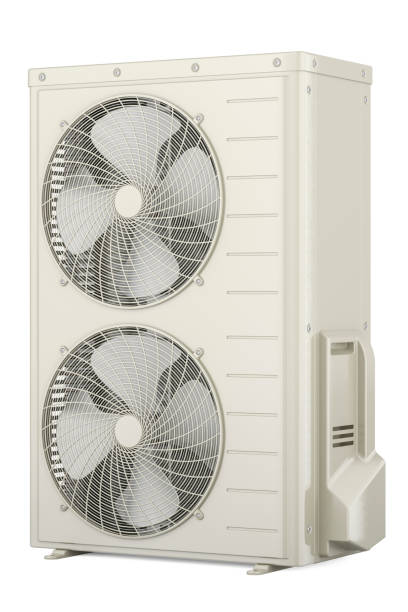
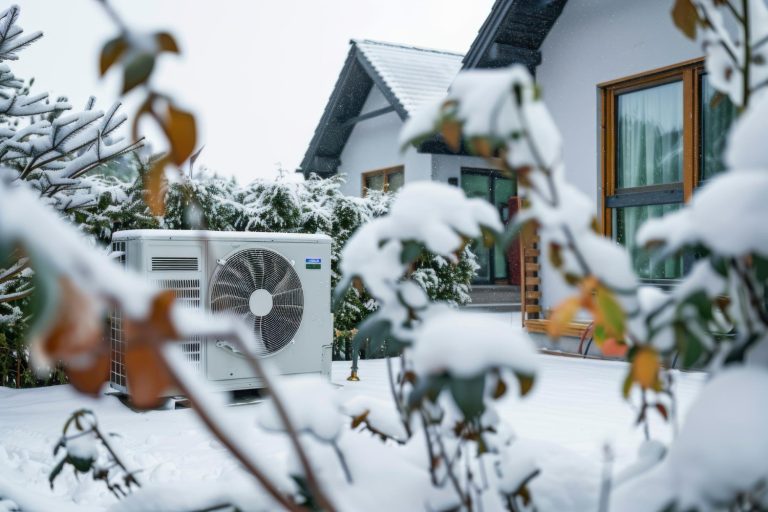
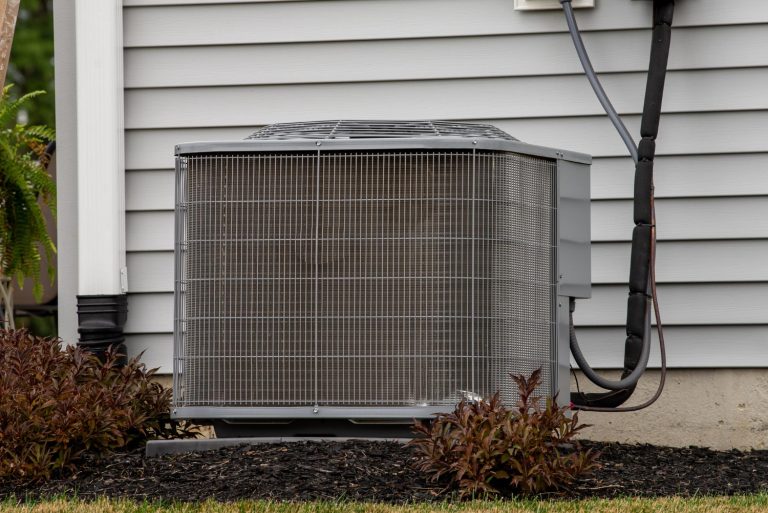
The outdoor unit supports the connected indoor zones, so its placement affects the entire system. Zoned ductless heating Toronto installations should provide adequate outdoor airflow, service clearance, stable mounting, and appropriate snow consideration when the equipment will be used for winter heating. The location should also allow refrigerant lines to reach indoor units efficiently without creating unnecessarily complex routing.
Multi-zone systems require additional planning because several line sets may need to reach one outdoor unit. The outdoor system must also be properly matched to the combined indoor equipment. Go Ductless Inc. considers these factors before installation so the zoned ductless heating Toronto system can operate reliably across all intended rooms.
Winter Clearance
Outdoor heat pump units should remain clear of snow, ice, leaves, and stored objects. Good clearance supports airflow and allows technicians to access the equipment for future service.
Heating And Cooling From One System
One major benefit of zoned ductless heating Toronto is that many ductless systems are heat pumps capable of both heating and cooling. Natural Resources Canada explains that electric heat pumps are reversible systems that transfer heat indoors during colder weather and remove heat from the home during summer. This means the same indoor unit can support comfort through multiple seasons.
For homeowners with hot bedrooms in summer and cold rooms in winter, a Ductless Heat Pump can provide one targeted solution instead of separate heating and cooling equipment. This is especially useful in additions, older homes without ducts, and renovated spaces. Zoned ductless heating Toronto can therefore solve year-round comfort problems while keeping each important room independently controlled.
Cold Climate Heat Pumps
NRCan notes that cold climate air-source heat pumps are designed to operate at lower outdoor temperatures, including conditions below freezing. Homeowners who plan to rely heavily on ductless heating during winter should discuss cold-weather performance with their contractor.
Indoor Air Quality And Ventilation
Ductless systems condition room air, but they do not automatically provide fresh outdoor ventilation. Health Canada explains that proper ventilation is an important part of indoor air quality because it helps remove pollutants and moisture while bringing fresh outdoor air inside. Homeowners using zoned ductless heating Toronto should therefore continue using appropriate ventilation strategies such as bathroom fans, range hoods, open windows when outdoor conditions permit, and dedicated ventilation equipment when available.
Filter maintenance is also important. Each ductless indoor unit has filters that need regular cleaning according to manufacturer instructions. If several zones are installed, homeowners need to maintain several sets of filters rather than one central filter. Zoned ductless heating Toronto works best when airflow is clear and filters remain clean across every active zone.
Ventilation Is Separate From Heating And Cooling
Heating or cooling a room does not automatically replace stale indoor air. A good home comfort plan should combine temperature control with appropriate ventilation practices.
Installation Considerations For Toronto Homes
Zoned ductless heating Toronto installation involves more than mounting indoor units. The contractor must plan refrigerant line routing, condensate drainage, electrical requirements, indoor mounting, outdoor equipment placement, and future service access. Older Toronto homes may have brick walls, finished interiors, limited exterior space, or electrical panels that need careful review before the project begins.
Once equipment is installed, the refrigerant circuit should be properly tested and evacuated before startup. The system should then be commissioned so every indoor unit, control, drain, and connected zone is checked. A professional zoned ductless heating Toronto installation is not complete simply because warm or cool air comes from the indoor units. The entire system should be verified before the homeowner begins regular use.
Electrical Planning
Ductless systems typically require dedicated electrical connections. Electrical capacity should be reviewed early so any required upgrades can be included in the project plan instead of delaying installation.
Maintenance For Multi-Zone Systems
Routine maintenance helps protect zoned ductless heating Toronto performance. Homeowners should clean filters, keep indoor units free from obstructions, and make sure outdoor equipment remains clear. Because multi-zone installations have several indoor units, it is useful to create a regular filter-cleaning schedule so one neglected zone does not develop weak airflow.
Professional service may be needed if the system produces unusual noises, develops ice, leaks water, stops reaching set temperatures, or displays error codes. A technician can inspect coils, drainage, electrical components, refrigerant performance, and outdoor equipment. Consistent care helps zoned ductless heating Toronto systems remain reliable throughout both heating and cooling seasons.
Keep Every Zone Maintained
A multi-zone system should be treated as one connected comfort system. Filters and airflow in every active indoor unit matter to overall performance.
Why Choose Go Ductless Inc.
Go Ductless Inc. designs zoned ductless heating Toronto systems around actual room use rather than generic square-footage rules. We evaluate home layout, insulation, floor levels, windows, room separation, electrical conditions, indoor unit locations, outdoor equipment placement, and comfort priorities before recommending a zone plan. This design-first approach helps prevent common problems such as weak coverage behind closed doors, oversized equipment, poor airflow, and unnecessary indoor units.
We also help homeowners choose the right related service. A Mini Split can provide dedicated control in one room, while a Ductless Heat Pump can offer heating and cooling for year-round comfort. Ductless Air Conditioning can address summer hot spots across selected areas, and Mitsubishi Electric M-Series can be considered when homeowners want premium residential ductless equipment. Go Ductless Inc. combines these options with professional planning so zoned ductless heating Toronto systems deliver practical comfort throughout the home.
Get Room-by-Room Comfort With Zoned Ductless Heating in Toronto From Go Ductless Inc.
Room-by-room control can make a major difference in homes where one thermostat does not reflect the comfort needs of every space. Zoned ductless heating Toronto allows homeowners to heat and cool bedrooms, basements, offices, additions, and main living areas independently while avoiding extensive traditional ductwork. The strongest results come from proper zone planning, correct equipment sizing, thoughtful indoor placement, winter-ready outdoor installation, and consistent maintenance.
If you are considering zoned ductless heating Toronto for your home, contact Go Ductless Inc. for a professional assessment. We can review your layout, identify problem rooms, recommend the right number of zones, and help you choose the best system for your comfort goals. Whether your home needs a Mini Split, Ductless Heat Pump, Ductless Air Conditioning solution, or Mitsubishi Electric M-Series equipment, thoughtful zoning can make your Toronto home more comfortable and easier to control throughout the year.
Frequently Asked Questions
-
What is zoned ductless heating Toronto?
Zoned ductless heating Toronto uses individual indoor units to provide independent heating and cooling control for specific rooms or areas without traditional ductwork. -
How many zones do I need for zoned ductless heating Toronto?
The number depends on room separation, floor levels, closed doors, heat loss, and how each space is used. A professional assessment provides the most accurate zone plan. -
Can zoned ductless heating Toronto provide cooling too?
Yes. Most ductless heat pump systems can provide both heating and cooling, allowing each connected zone to support year-round comfort. -
Is zoned ductless heating Toronto good for older homes?
Yes. It can be especially useful in older homes without ductwork, renovated additions, finished basements, and rooms with weak central HVAC airflow. -
Can one zoned ductless heating Toronto unit serve several bedrooms?
It may serve connected open areas, but closed bedrooms generally need separate zones if consistent temperature control is required. -
Does zoned ductless heating Toronto improve energy efficiency?
It can reduce unnecessary conditioning by allowing homeowners to manage individual zones, but actual energy use depends on insulation, setpoints, equipment sizing, and operating habits. -
When should I contact Go Ductless Inc. about zoned ductless heating Toronto?
Contact Go Ductless Inc. when you have uneven room temperatures, closed bedrooms, additions, basement comfort issues, or want independent heating and cooling control throughout your home.