When you have a furnace not heating Toronto homeowners need reliable answers quickly, especially during a cold winter morning. A furnace that runs but does not warm the house can make rooms uncomfortable and may point to a simple airflow issue or a more serious mechanical fault.
Fortunately, not every furnace problem means the entire system needs replacement. In many cases, the cause can be identified through a basic check. However, some problems need professional attention to keep your home safe and warm.
This guide explains common furnace problems, what you can safely check, and when it is time to arrange professional furnace service.
Why Is My Furnace Running but Not Heating?
A furnace can appear to operate normally while delivering little or no warm air. You may hear the system start, feel air coming from the vents, and still notice that the house remains cold.
Several components can cause this problem. The thermostat may not be reading the room correctly. The filter may restrict airflow. The ignition system may also fail to light the burners properly.
In addition, an older furnace may struggle because of worn components or poor airflow through the heating system.
Furnace Blowing Cold Air
If your furnace is blowing cold air, start by checking the thermostat. Make sure it is set to heat and that the temperature setting is above the current room temperature.
Sometimes cool air can occur during the beginning or end of a heating cycle. However, continuous cold airflow is different.
Possible causes include:
- A dirty or restricted air filter
- Ignition problems
- Burner issues
- Thermostat faults
- Airflow restrictions
- Furnace safety controls shutting the system down
If the furnace continues to blow cold air after basic checks, professional diagnosis is a better option than repeatedly restarting the system.
Furnace Turns On but Does Not Stay Running
Does your furnace start and then shut down shortly afterward? This may indicate a cycling problem.
A furnace that repeatedly starts and stops may have restricted airflow, overheating concerns, thermostat problems, or a faulty safety control.
Do not ignore this pattern. Repeated cycling can place extra strain on the system and may prevent your home from reaching a comfortable temperature.
Common Furnace Problems in Toronto Homes
Toronto homes experience changing weather throughout the year, but winter places especially high demands on heating equipment. A furnace that seemed fine during mild weather may show problems once it has to run more often.
Older homes can face additional challenges. Drafts, aging ductwork, insulation gaps, and older heating equipment can all affect comfort.
Dirty or Clogged Furnace Filter
A dirty filter is one of the first things worth checking when the furnace is not heating properly.
The filter collects dust and airborne particles. Over time, excessive buildup can restrict airflow. When air cannot move freely, the furnace may struggle to distribute heat.
A restricted filter can also contribute to overheating and repeated shutdowns.
Checking the filter regularly is a simple part of furnace troubleshooting. If you are unsure which filter your system requires, check the furnace documentation or ask a qualified technician.
Thermostat Problems
The thermostat controls when your furnace starts and stops. Therefore, a thermostat problem can look like a furnace problem.
Check whether the thermostat is set to heating mode. Also check its batteries if it uses them.
Placement matters as well. A thermostat located near a draft, direct sunlight, or another heat source may not sense the room temperature correctly.
If the thermostat appears to work but the furnace does not respond properly, professional testing may be needed.
Ignition or Pilot Light Problems
Modern furnaces use an ignition system to start the heating process. If ignition fails, the furnace may not produce heat even though other parts appear to operate.
This is not an area where homeowners should experiment with internal components. Gas and ignition systems require proper handling.
If you notice repeated ignition attempts, unusual sounds, or a furnace that fails to produce heat, arrange professional service.
Dirty Burners or Heat Exchanger Concerns
Burners need to operate correctly for the furnace to produce heat. Dirt or component problems can interfere with normal operation.
The heat exchanger is also an important safety component. Damage or other faults can create serious concerns.
If you notice unusual smells, strange flame behaviour, soot, or abnormal furnace operation, turn the system off if it is safe to do so and seek professional help.
Furnace Airflow Problems That Reduce Heating
Sometimes the furnace itself is working, but warm air cannot move properly through the home.
This can happen in older Toronto properties where ductwork has aged or where rooms have been renovated over time.
Blocked or Closed Vents
Check the supply vents throughout the home. Furniture, rugs, storage items, or other objects can block airflow.
Closed registers can also affect how heat moves through the house.
However, opening every vent does not always solve an uneven heating problem. The duct system may need inspection if certain rooms remain cold.
Dirty Blower Components
The blower moves heated air through the duct system. Dust buildup or mechanical wear can reduce airflow.
Weak airflow from several vents can point toward a blower or ductwork issue rather than a thermostat problem.
Ductwork Leaks or Restrictions
Older ductwork can develop gaps, damaged connections, or areas where airflow becomes restricted.
This may explain why the furnace operates but certain rooms receive less heat.
If your furnace appears to work normally while some areas remain cold, consider having both the furnace and air distribution system checked.
Why Is My Furnace Not Heating Certain Rooms?
A whole-home heating problem is not always caused by the furnace.
If your furnace runs normally but one room remains cold, look at the room itself. Poor insulation, drafts, window leakage, and restricted airflow can all contribute.
This is particularly relevant in older Toronto houses with renovated basements, enclosed porches, additions, or rooms that were added after the original HVAC system was installed.
Uneven Heating Throughout the Home
Uneven temperatures can indicate an airflow imbalance. They can also point to differences in insulation or air leakage.
For example, a room located above an unheated garage may lose heat faster than an interior room.
Therefore, replacing the furnace alone may not solve every comfort problem.
Cold Basement or Upper Floors
Basements and upper floors often have different heating needs from the main living area.
A cold basement may have insulation or air leakage concerns. Meanwhile, an upper floor may become uncomfortable if warm air distribution is limited.
A professional assessment can help determine whether the issue comes from the furnace, ductwork, or the home’s structure.
What Can You Safely Check Before Calling a Technician?
Before arranging furnace repair Toronto homeowners can perform a few basic checks.
- Confirm the thermostat is set to heat
- Check the temperature setting
- Inspect the furnace filter
- Make sure vents are not blocked
- Check whether the furnace has power
- Look for visible warning indicators
- Make sure the furnace switch has not been turned off
- Check whether the system responds after a normal thermostat adjustment
These checks can help identify simple problems. However, avoid opening the furnace cabinet or attempting internal repairs.
What Homeowners Should Not Attempt
Do not bypass safety controls or attempt to repair gas connections. Avoid dismantling burners, ignition components, or electrical parts.
Also, never continue using a furnace when you suspect a serious safety problem.
If you smell gas, notice an electrical burning smell, or have concerns about carbon monoxide, leave the area as appropriate and seek immediate professional assistance.
Signs You Need a Furnace Technician
Some problems should not be treated as routine troubleshooting.
Arrange professional inspection if your furnace not working problem continues after basic checks.
Watch for signs such as:
- No warm air from the vents
- Weak or unusual airflow
- Frequent cycling
- Strange banging, scraping, or rattling sounds
- Unusual smells
- Repeated ignition problems
- Persistent cold rooms
- Furnace warning indicators
- Sudden loss of heating performance
When Furnace Repair Should Not Wait
Some situations require prompt attention.
A strong gas smell, carbon monoxide alarm, electrical burning smell, or unusual furnace flame should never be ignored.
In these situations, safety comes first. Do not attempt to diagnose a gas or electrical fault yourself.
How Toronto Weather Can Affect Furnace Performance
Toronto’s cold season can expose heating problems that may go unnoticed during milder weather.
When outdoor temperatures fall, the furnace may operate for longer periods. This places greater demand on filters, blowers, burners, controls, and other components.
Older homes can also lose indoor heat through drafty windows, doors, walls, and poorly insulated areas.
That is why furnace maintenance should happen before heating problems become urgent.
Preparing Your Furnace for Toronto Winter
Good preparation can help reduce unexpected heating issues.
Before the colder season arrives, homeowners should:
- Check the furnace filter
- Keep vents and return grilles clear
- Keep the furnace area free from clutter
- Pay attention to unusual noises
- Address weak airflow
- Check thermostat operation
- Arrange professional inspection when needed
These simple steps can help identify problems before they affect household comfort.
Furnace Repair or Furnace Replacement?
A furnace problem does not automatically mean you need a replacement.
A repair may be suitable when the issue involves a serviceable component or a correctable airflow or control problem.
On the other hand, repeated breakdowns and declining performance may make replacement worth discussing.
When Repair May Be the Better Choice
Repair may make sense when:
- The furnace has a specific repairable fault
- Airflow can be restored
- The thermostat needs attention
- A serviceable component has failed
- The furnace otherwise operates reliably
When Replacement May Be Worth Considering
Replacement may deserve consideration when the furnace has ongoing reliability problems or major component concerns.
The decision should consider the equipment’s condition, heating performance, repair history, and suitability for the home.
A professional assessment can help you avoid replacing a system unnecessarily.
How Regular Furnace Maintenance Can Prevent Heating Problems
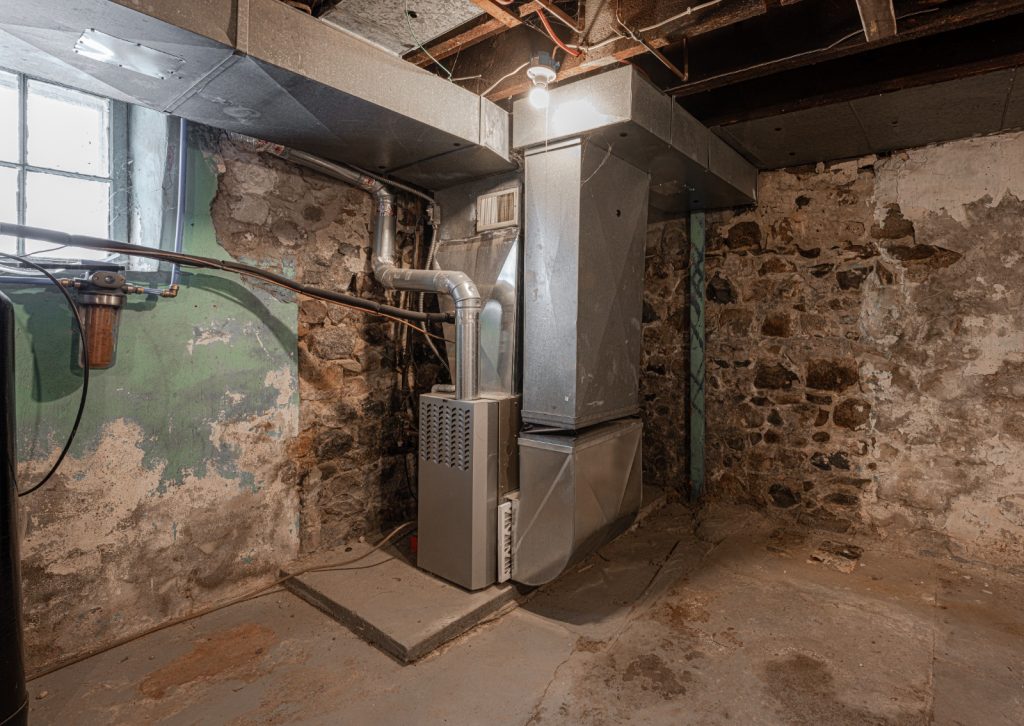
Routine furnace service in Toronto homeowners arrange before major heating demand can help identify developing problems.
Maintenance can include checking airflow, controls, burners, electrical connections, safety components, and overall furnace operation.
It can also help identify issues that may otherwise become noticeable only when the furnace is needed most.
What Professional Furnace Service May Include
Depending on the system, professional service may involve:
- Furnace inspection
- Filter assessment
- Airflow checks
- Thermostat testing
- Burner inspection
- Ignition system inspection
- Safety control checks
- Electrical component inspection
- Overall heating performance assessment
The exact service depends on the furnace and its condition.
Why Professional Furnace Service Matters in Toronto
When a furnace stops heating, guessing can lead to unnecessary repairs or missed problems.
A qualified technician can inspect the system and identify the actual cause. This is especially useful in older Toronto homes where furnace performance may be affected by ductwork, insulation, room layout, or previous renovations.
GO DUCTLESS INC. understands that heating problems are not always limited to the furnace itself. A complete assessment can help identify whether the problem involves the heating equipment, airflow, or the home’s comfort setup.
Professional service can also provide peace of mind when the system needs to operate through Toronto’s colder weather.
FAQ About a Furnace Not Heating
1. Why is my furnace running but not heating my house?
A furnace may run without producing enough heat because of a dirty filter, thermostat problem, ignition fault, airflow restriction, or another mechanical issue. Basic checks can help, but persistent problems need professional diagnosis.
2. Why is my furnace blowing cold air?
A furnace blowing cold air may have an ignition, thermostat, airflow, or burner problem. Some cool air can occur during normal operation, but continuous cold airflow should be checked.
3. Why does my furnace keep turning on and off?
If your furnace keeps turning on and off, restricted airflow, overheating, thermostat problems, or safety controls may be involved. Frequent cycling should not be ignored.
4. Why is my furnace not heating certain rooms?
Cold rooms can result from blocked vents, ductwork restrictions, insulation problems, drafts, or differences in room layout. The furnace may not be the only cause.
5. Should I repair or replace my furnace?
The right choice depends on the furnace’s condition, reliability, repair needs, and heating performance. A professional inspection can help determine whether repair or replacement makes more sense.
6. When should I call a furnace technician?
Call a technician when the furnace does not produce heat, repeatedly shuts down, makes unusual sounds, produces unusual smells, or shows signs of a safety problem.
Final Thoughts
A furnace that stops heating can have several causes, from a restricted filter to a more serious component problem. Therefore, start with simple and safe checks before assuming the furnace needs replacement.
If basic furnace troubleshooting does not restore normal heating, professional diagnosis is the next step. This is especially important when the system repeatedly cycles, produces unusual sounds, or shows other warning signs.
For Toronto homeowners, reliable winter heating depends on more than the furnace alone. Airflow, ductwork, insulation, thermostat operation, and the condition of the heating equipment all affect comfort.
GO DUCTLESS INC. can help assess heating concerns and identify practical solutions for your home. If you are experiencing persistent heating problems or need professional furnace repair Toronto homeowners can rely on, contact us to discuss your heating needs.