Planning ductless HVAC installation in Toronto, homeowners can rely on starts well before the installer arrives. A good installation is not simply about mounting an indoor unit on a wall and connecting it to an outdoor condenser. The process involves choosing the right equipment, checking the home, planning airflow, routing refrigerant lines, reviewing electrical needs, and testing the completed system.
For Toronto homeowners, preparation matters even more because the HVAC system needs to handle both summer cooling and winter heating. The right installation should suit the home’s layout, insulation, comfort needs, and available space.
Whether you are replacing an old system, finishing a basement, renovating a room, or adding heating and cooling without ductwork, this checklist can help you understand what to expect.
Understanding Ductless HVAC Installation Toronto
A ductless HVAC system uses an outdoor unit connected to one or more indoor air handlers. Unlike central HVAC, it does not depend on a network of supply and return ducts throughout the home.
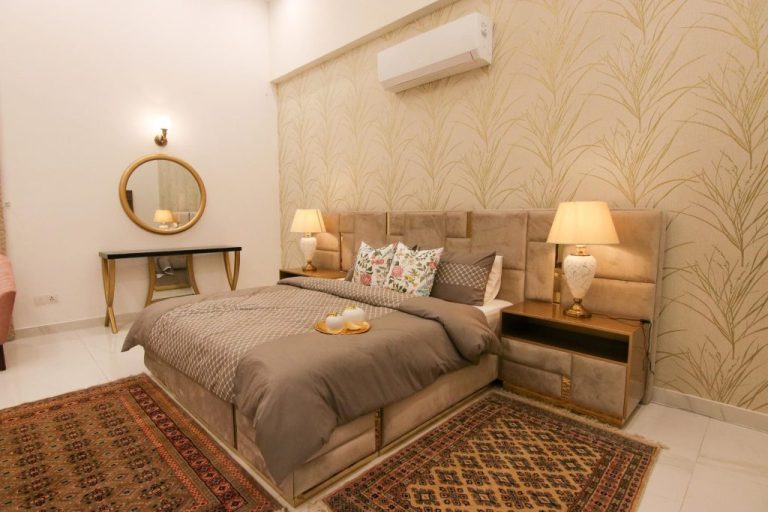
The indoor units deliver conditioned air directly into selected rooms. This makes ductless systems useful for spaces that are difficult to connect to an existing HVAC system.
A typical installation includes:
- Home and room assessment
- System sizing
- Equipment selection
- Indoor unit placement
- Outdoor unit placement
- Refrigerant line routing
- Electrical connections
- Condensate drainage
- System testing
- Homeowner instruction
Each part affects how well the finished system performs.
What Is Included in a Ductless HVAC Installation?
Pre-Installation Home Assessment
Before equipment is selected, the installer should assess the property. This helps determine what type of system will work best.
The assessment should consider room sizes, insulation, windows, existing heating equipment, electrical capacity, and the home’s overall layout.
The installer should also identify rooms that have comfort problems. A bedroom that becomes too warm in summer may need a different solution from a basement that stays cold during winter.
This step is important because equipment should be selected around the home’s actual requirements rather than based only on floor area.
System Sizing and Selection
Correct sizing is one of the most important parts of the installation.
An undersized system may struggle to maintain the desired temperature. An oversized system can also create comfort and efficiency problems because it may cycle more often than necessary.
For Toronto homes, homeowners should also consider the system’s heating performance in colder weather. A system that performs well during summer may not necessarily provide the required winter heating performance.
The installer should explain:
- Heating capacity
- Cooling capacity
- Efficiency features
- Cold-weather performance
- Single-zone or multi-zone operation
- Recommended indoor unit locations
- Maintenance requirements
Choosing Indoor Unit Locations
Indoor unit placement affects comfort, appearance, airflow, and service access.
During ductless installation Toronto, the installer should identify locations where the unit can distribute air effectively without being blocked by furniture, curtains, doors, or other obstacles.
The wall should also be suitable for secure mounting. The location needs enough clearance around the unit for proper airflow and future maintenance.
Homeowners should think about how they use each room before approving the placement. A unit positioned for convenience may not always provide the best air distribution.
Multi-Zone Installation Planning
If several rooms require heating and cooling, a multi-zone system may be appropriate.
However, adding more indoor units is not always the best approach. Each zone should have a clear purpose.
For example, homeowners may want separate control for:
- Main living areas
- Bedrooms
- Home offices
- Finished basements
- Home additions
Good zone planning can make the system easier to use while avoiding unnecessary equipment.
Choosing the Outdoor Unit Location
The outdoor unit needs more than an empty spot beside the house.
It requires sufficient airflow, a stable support surface, and enough access for cleaning and service. The location should also account for Toronto’s changing weather conditions.
Snow, ice, leaves, and debris should not restrict airflow around the outdoor equipment.
The installer should also consider the distance between the indoor and outdoor units. This can influence refrigerant line routing and the overall installation plan.
Ductless Line Set Installation
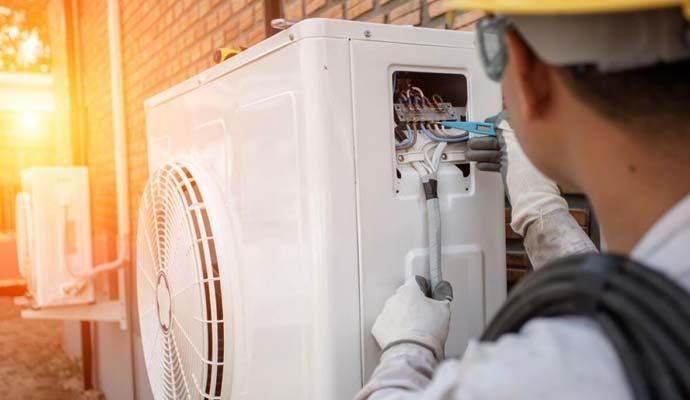
The ductless line set installation connects the indoor units with the outdoor equipment. The line set generally carries refrigerant between the two sides of the system, while other connections support drainage and communication.
Line routing should be planned carefully. The installer may need to pass the lines through an exterior wall and route them toward the outdoor unit.
A quality installation should focus on:
- Proper line routing
- Secure connections
- Correct insulation
- Protection from physical damage
- Suitable wall penetration
- Weather sealing
- Clean and neat finishing
Poor line routing can affect the appearance of the home and may create future service issues. Homeowners should ask how the line set will be routed before installation begins.
Electrical Work and Installation Requirements
Ductless HVAC equipment requires suitable electrical connections. Before installation, the installer should review the home’s existing electrical setup.
In some properties, the existing electrical service may need additional work. This should be identified before the equipment is installed.
Homeowners should ask whether the installation includes the required electrical work or whether additional work will be handled separately.
The electrical portion should be completed according to applicable requirements and manufacturer specifications.
Condensate Drainage
Cooling creates condensation that needs to drain away from the indoor unit.
The installer should plan a suitable drainage route during the initial assessment. This is especially important when the indoor unit is located in a finished room.
Poor drainage planning can lead to water damage, moisture problems, or unwanted dripping.
Before the installation is considered complete, the drainage system should be checked to confirm that water flows correctly.
What Should Homeowners Do Before Installation?
A little preparation can make the installation smoother.
Prepare the Indoor Areas
Clear furniture and other items around the planned indoor unit locations. The installer needs enough working space to mount the equipment and make the required connections.
Also consider where furniture will be placed after installation. Avoid planning large furniture directly beneath or in front of the indoor unit.
Prepare the Outdoor Area
The outdoor unit should have a clear working area. Remove items that could block access or airflow.
If the unit will be installed near a walkway, patio, or frequently used area, discuss placement with the installer beforehand.
Review Your Existing HVAC System
If you already have a furnace, air conditioner, baseboard heater, or another heating system, tell the installer how you plan to use it.
A new ductless system may supplement existing equipment rather than replace it. The correct setup depends on the home’s heating and cooling requirements.
What Happens During Mini Split Installation Toronto?
A typical mini split installation Toronto project begins with site preparation. The installer confirms equipment locations and prepares the mounting surfaces.
Next, the indoor and outdoor units are secured. The refrigerant lines, drainage connections, and electrical connections are then installed.
The installer should pay close attention to the connections between the indoor and outdoor equipment. These connections are essential to proper system operation.
After installation, the system should be tested in its heating and cooling modes.
The testing process should include:
- Checking indoor airflow
- Testing temperature controls
- Checking drainage
- Inspecting refrigerant connections
- Checking electrical operation
- Testing indoor and outdoor equipment
- Listening for unusual sounds
- Confirming proper system response
HVAC Installation Checklist for Toronto Homeowners
Use this HVAC installation checklist before approving the finished work:
- Confirm the system has been correctly sized
- Review indoor unit locations
- Confirm outdoor unit placement
- Check refrigerant line routing
- Review drainage arrangements
- Confirm electrical requirements
- Ask about cold-weather operation
- Check that airflow is unobstructed
- Confirm heating and cooling operation
- Review thermostat controls
- Learn filter cleaning procedures
- Understand maintenance requirements
- Keep warranty information available
- Ask about future service requirements
A homeowner who understands these points can have a much clearer conversation with the installer.
Choosing a Ductless Installer Toronto Homeowners Can Trust
Choosing the right ductless installer Toronto homeowners work with is just as important as choosing the equipment.
Installation quality can affect comfort, efficiency, reliability, and the life of the system. Therefore, homeowners should look beyond the equipment brand alone.
Ask the installer about their approach to sizing, indoor unit placement, line routing, electrical requirements, drainage, testing, and maintenance.
A professional installer should be willing to explain the installation in plain language. They should also inspect the property before recommending a specific configuration.
GO DUCTLESS INC. provides ductless heating and cooling solutions for homeowners across the GTA, with installations planned around the property’s individual requirements.
What Should Be Checked After Installation?
The installation is not finished when the equipment is physically mounted.
The system should be tested and inspected before the installer leaves.
- Check Indoor Operation:
Each indoor unit should respond properly to the controls. Airflow should be steady, and the unit should operate without unusual noise or vibration. - Check Outdoor Operation:
The outdoor unit should run smoothly and have sufficient space around it. The area should remain accessible for future service. - Review the Controls:
Ask the installer to explain the remote control or thermostat. Make sure you understand temperature settings, operating modes, fan controls, and zone settings. - Understand Basic Maintenance:
Ask how often filters should be cleaned and what signs may indicate a service issue.
GO DUCTLESS INC. can also help homeowners understand the ongoing care needed to keep ductless equipment operating properly.
Common Ductless HVAC Installation Mistakes
- Selecting Equipment Without a Home Assessment:
Buying equipment based only on room size can lead to poor system selection. The installer should consider the property’s full heating and cooling requirements. - Poor Indoor Unit Placement:
An indoor unit hidden behind furniture or positioned where airflow is restricted may not distribute conditioned air properly. - Ignoring Line Set Appearance:
Refrigerant lines need to reach the outdoor unit. However, the routing can often be planned in a cleaner and less noticeable way. - Forgetting Maintenance Access:
Equipment should remain accessible for filter cleaning and service. A location that looks convenient today may become difficult to maintain later. - Choosing a System Only for Cooling:
Toronto homes need to consider winter heating as well. If the system will provide heating, homeowners should review its cold-weather performance before installation.
Questions to Ask Before Installation
Before hiring an installer, ask:
- Is the system properly sized for my home?
- Where should the indoor units be placed?
- Is a single-zone or multi-zone system better?
- Where will the outdoor unit be installed?
- How will the refrigerant lines be routed?
- Is electrical work required?
- How will condensate drain?
- Is the equipment suitable for Toronto winters?
- What maintenance will the system require?
- What should I know about operating the system?
These questions can help homeowners avoid surprises and understand exactly what the installation includes.
Final Thoughts
A successful ductless HVAC installation Toronto project involves much more than installing an indoor unit and outdoor condenser. Proper sizing, thoughtful placement, clean line routing, drainage, electrical connections, and final testing all contribute to a reliable system.
For Toronto homeowners, winter performance should also be considered alongside summer cooling. The system needs to match the home’s layout and comfort requirements, not simply the room size.
A detailed pre-installation assessment can help identify potential issues before work begins. It also gives homeowners a chance to ask questions about equipment, installation, operation, and maintenance.
GO DUCTLESS INC. can help homeowners evaluate their ductless heating and cooling requirements and plan an installation suited to their property.
For professional guidance, installation planning, or answers to your HVAC questions, visit the relevant service pages on the GO DUCTLESS INC. website or use Contact Us to discuss your requirements.
Frequently Asked Questions
1. What is included in ductless HVAC installation?
A complete installation can include home assessment, system sizing, equipment placement, indoor and outdoor unit installation, refrigerant connections, drainage, electrical work, testing, and homeowner instruction.
2. How long does ductless HVAC installation take?
The installation time depends on the system configuration and property. A simple single-zone setup can have different requirements from a multi-zone installation with complex line routing.
3. Is ductless installation suitable for older Toronto homes?
Yes. Ductless systems can be useful in older homes because they do not require traditional ductwork. However, the home’s insulation, electrical setup, layout, and heating needs should still be assessed.
4. Can a ductless system provide both heating and cooling?
Yes. Many ductless heat pump systems provide both functions. Homeowners should select equipment designed to meet their expected heating and cooling requirements.
5. Does ductless installation require electrical work?
It may. Electrical requirements depend on the equipment and the home’s existing electrical service. The installer should identify these requirements during the pre-installation assessment.