Choosing between two established ductless brands can be difficult when both offer inverter-driven heating and cooling, single-zone and multi-zone configurations, and equipment designed for Canadian homes. For GTA homeowners, the Mitsubishi vs Daikin ductless decision is less about finding one universally superior manufacturer and more about matching the right product line to your home, winter expectations, number of zones, comfort priorities, and budget. A system that is ideal for one bedroom may not be the best choice for a larger multi-zone project.
At Go Ductless Inc., we install and work with both Mitsubishi and Daikin ductless equipment, so homeowners do not need to choose based on brand recognition alone. A proper Mitsubishi vs Daikin ductless comparison should consider cold-weather heating capability, efficiency, indoor-unit choices, zoning flexibility, sound, controls, installation requirements, and the exact model combination being quoted. This guide compares the two brands directly and explains when Mitsubishi Electric M-Series or Daikin Ductless may make more sense for your GTA home.
Mitsubishi vs Daikin Ductless: The Main Difference Homeowners Should Understand
Both brands offer high-quality ductless systems, but their product families are organized differently and may suit different applications. Mitsubishi Electric’s residential M-Series includes standard and cold-climate configurations, while its Hyper-Heat technology is designed for homes that place a high priority on low-temperature heating. Mitsubishi also offers whole-home and multi-zone configurations. Daikin offers several ductless families, including AURORA systems designed for colder climates and MXM multi-zone equipment that can connect multiple indoor units. In a Mitsubishi vs Daikin ductless comparison, the exact series matters more than simply comparing the manufacturer names.
The best starting question is therefore not “Which brand is better?” but “Which exact system fits my home better?” One homeowner may prioritize extreme cold-weather output and choose a Mitsubishi cold-climate configuration. Another may value Daikin’s mix of wall-mounted, floor-mounted, concealed, and multi-zone options. Go Ductless Inc. evaluates Mitsubishi vs Daikin ductless choices based on the rooms being conditioned, how the system will be used during winter, how many zones are needed, and which indoor-unit styles work best with the property.
Mitsubishi Electric M-Series
Mitsubishi Electric M-Series is designed for residential applications and includes ductless heating and cooling solutions for targeted rooms and multi-zone comfort. Mitsubishi’s Canadian cold-climate Hyper-Heat products are particularly relevant to GTA homeowners who expect the system to perform through demanding winter conditions.
Daikin Ductless
Daikin Ductless includes single-zone and multi-zone product families, with AURORA designed for cold-climate operation. Daikin also offers a wide selection of compatible indoor-unit styles, which can make it attractive for homeowners who want more flexibility in how equipment fits into different rooms.
Cold-Weather Heating: Mitsubishi Or Daikin Mini Split?
Cold-weather performance is one of the most important factors in a Mitsubishi vs Daikin ductless decision for Ontario homeowners. Mitsubishi’s Canadian Hyper-Heat H2i technology is designed specifically for demanding winter conditions. Mitsubishi states that certain current Hyper-Heat models maintain full heating capacity at low outdoor temperatures, with some models continuing to deliver heat at temperatures approaching -37°C, depending on the exact equipment combination. This can make Mitsubishi especially attractive when winter heating performance is the primary concern.
Daikin also has strong cold-climate options. Its AURORA systems are designed for colder regions, with current multi-zone information showing operation down to approximately -25°C and up to full rated heating capacity around -15°C for qualifying configurations. That means the Daikin vs Mitsubishi heat pump question should not be reduced to a simple claim that one works in winter and the other does not. Both manufacturers offer cold-climate equipment. The meaningful difference is how the specific model retains heating capacity at the temperatures your home is likely to experience.
When Mitsubishi May Have The Edge
For homeowners who want their ductless system to carry a large portion of the home’s heating load through severe winter weather, certain Mitsubishi Hyper-Heat models can be especially compelling because of their very low operating temperatures and strong capacity retention.
When Daikin May Be A Strong Fit
Daikin AURORA can be a strong choice for GTA homes that need reliable cold-weather performance without necessarily requiring the lowest possible operating temperature. The right decision still depends on heat loss, zone count, and whether backup heat is available.
Comparing Energy Efficiency
Efficiency is another major part of a Mitsubishi vs Daikin ductless comparison, but homeowners should avoid comparing one headline rating from each brand. Different models within each product family can have different SEER2, HSPF2, EER2, and capacity characteristics. Mitsubishi publishes high-efficiency configurations across its residential line, while Daikin AURORA and MXM equipment also offer competitive seasonal ratings. The exact matched indoor and outdoor units determine the actual performance rating.
Natural Resources Canada recommends using ENERGY STAR certification and EnerGuide efficiency information when comparing ductless heat pumps. NRCan explains that higher seasonal efficiency ratings generally indicate better energy performance within comparable categories. For a fair Mitsubishi vs Daikin ductless comparison, ask for the exact outdoor model, indoor model, and AHRI or certified system combination rather than comparing brand brochures. This is especially important in multi-zone installations because efficiency can vary depending on how indoor units are matched to the outdoor equipment.
Efficiency Depends On More Than The Brand
A highly efficient system can still perform poorly if it is oversized, undersized, installed in the wrong location, or connected to zones that do not match the home’s load. Correct design often matters more to real-world efficiency than a small difference in published ratings.
Single-Zone Performance And Room Applications
Single-zone systems are ideal when one room has a clear comfort problem. A primary bedroom, finished basement, home office, sunroom, addition, or room over a garage may not require a whole-home project. In a Mitsubishi vs Daikin ductless comparison for one room, both manufacturers offer strong options with inverter operation and independent temperature control. The decision often comes down to cold-weather requirements, indoor-unit style, sound preferences, controls, and available model sizes.
Mitsubishi Electric M-Series is frequently considered for dedicated residential zones because of its broad range of configurations and cold-climate options. Daikin AURORA also offers single-zone choices designed for colder regions and includes wall-mounted, floor-mounted, and concealed configurations depending on the product pairing. For a Mitsubishi or Daikin mini split installation, Go Ductless Inc. first evaluates the room itself before recommending the brand because the ideal capacity and airflow pattern must be established before equipment is selected.
Bedrooms
Both brands can work well in bedrooms when the indoor unit is sized and positioned correctly. Placement should provide quiet, indirect airflow instead of blowing directly at the bed.
Basements And Additions
Basements and additions often have different heat loads from the main home. A dedicated system from either brand can provide independent heating and cooling without requiring major changes to existing ductwork.
Multi-Zone Systems: Which Brand Offers Better Flexibility?
Multi-zone design is where the Mitsubishi vs Daikin ductless comparison becomes more complex. Mitsubishi offers multi-zone residential solutions that can connect several indoor units to compatible outdoor equipment, while Daikin’s MXM and AURORA multi-zone systems are also designed for room-by-room comfort. Current Daikin MXM configurations can support multiple indoor units, and AURORA provides cold-climate multi-zone options for homes that need several independently controlled areas.
The best choice depends on the number of zones and the type of indoor units required. Some homes may use wall-mounted units throughout, while others benefit from a mixture of wall-mounted, floor-mounted, concealed ducted, or cassette-style units. A Mitsubishi vs Daikin ductless multi-zone plan should also consider simultaneous demand. One outdoor unit has a finite amount of capacity to distribute, so a contractor must determine whether the selected outdoor system can support the expected heating and cooling demands across all connected zones.
Do Not Choose Multi-Zone Equipment By Head Count Alone
The fact that an outdoor unit can technically connect to several indoor units does not automatically mean that configuration is ideal. Zone loads, diversity, minimum output, and peak demand should all be evaluated before choosing the system.
Indoor Unit Styles And Appearance
Indoor equipment appearance can influence the Mitsubishi vs Daikin ductless decision, especially in renovated or design-conscious homes. Wall-mounted indoor units are the most familiar style, but they are not the only option. Depending on the system and application, homeowners may also consider floor-mounted units, ceiling cassettes, or concealed ducted indoor units. Mitsubishi offers a variety of residential indoor-unit styles, while Daikin also provides several formats across its ductless families.
Homeowners should think about more than appearance. A floor-mounted unit may make sense in a room with limited upper-wall space, while a concealed unit can provide a less visible solution when suitable ceiling or mechanical space exists. A Mitsubishi vs Daikin ductless assessment should therefore consider airflow, service access, architectural constraints, and aesthetics together. The most attractive indoor unit is not helpful if its placement compromises air distribution or makes future maintenance difficult.
Match The Indoor Unit To The Room
A professional contractor should choose indoor-unit style after assessing the room rather than forcing the same wall-mounted solution into every space.
Factors To Compare Before Choosing A Brand
A useful ductless brand comparison should go beyond online reviews or one efficiency number. Mitsubishi vs Daikin ductless systems can both deliver excellent results when properly matched to the home, so the decision should be based on the factors that affect everyday comfort and long-term ownership.
Compare these points before making your decision:
- Lowest outdoor temperature at which you expect significant heating
- Heating capacity retained at low temperatures
- Required number of indoor zones
- Preferred indoor-unit styles
- Published efficiency for the exact matched system
- Sound levels for bedrooms and offices
- Available controls and smart features
- Warranty requirements and product registration
- Local installation and service support
- Contractor experience with the selected model family
Controls, Comfort And Everyday Operation
Both Mitsubishi and Daikin use inverter-driven technology in many of their ductless systems, allowing compressor output to adjust as the room approaches the desired temperature. This can support steady comfort and quieter operation compared with equipment that simply runs at one fixed output. In a Mitsubishi vs Daikin ductless comparison, homeowners should look at the control features available for the exact system they are considering rather than assuming every model includes the same connectivity or scheduling functions.
Everyday comfort also depends on how the system handles airflow and temperature sensing. Some rooms require gentle bedroom airflow, while larger living areas need stronger distribution across open space. The Mitsubishi vs Daikin ductless choice should account for how people use each zone, not merely how much heating or cooling capacity is required. Go Ductless Inc. considers placement, airflow direction, operating schedule, and individual room preferences when recommending a system.
Smart Controls Should Support Your Routine
App control and scheduling can be convenient, but they should not replace proper system design. The most useful controls are the ones homeowners will actually understand and use consistently.
Reliability, Warranty And Long-Term Ownership
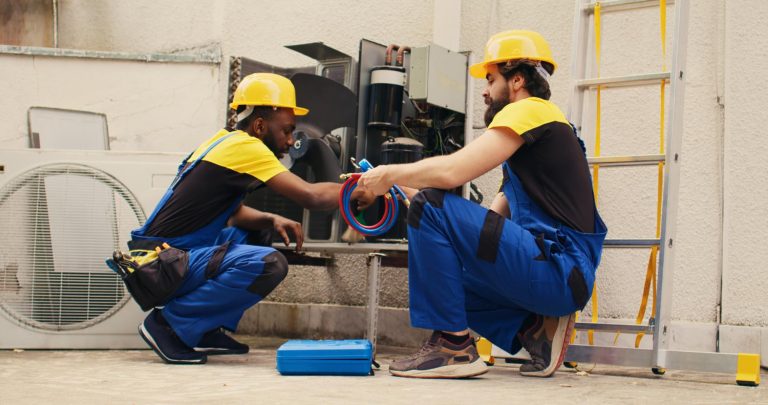
Mitsubishi and Daikin are both established HVAC manufacturers, so a Mitsubishi vs Daikin ductless decision should focus less on broad claims of reliability and more on proper installation, maintenance, parts support, and warranty conditions. Ductless systems rely on correct refrigerant line preparation, electrical connections, drainage, mounting, startup, and commissioning. Even premium equipment can experience problems when installation quality is poor.
Warranty terms can also vary by product, registration, application, and installer requirements. Homeowners should review the warranty documentation for the exact equipment before purchase rather than relying on a generic statement about either manufacturer. For Mitsubishi vs Daikin ductless ownership, long-term access to qualified service is just as important as the initial equipment choice. Choosing a contractor experienced with the brand being installed can simplify future maintenance and diagnosis.
Installation Quality Can Matter More Than A Small Spec Difference
A properly sized and commissioned system from either manufacturer is generally a better investment than choosing a slightly higher-rated model that is installed poorly.
Which Brand Is Better For GTA Winters?
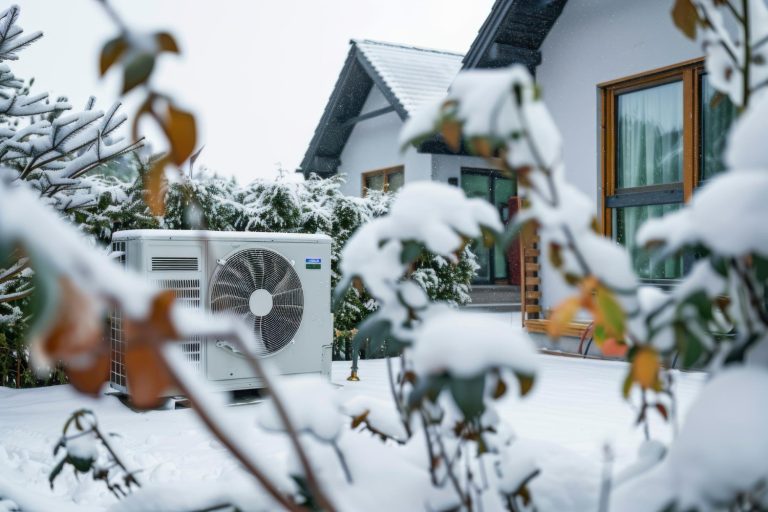
For the GTA, Mitsubishi vs Daikin ductless comparisons often focus heavily on winter heating. Certain Mitsubishi Hyper-Heat systems offer particularly strong low-temperature capabilities, which can make Mitsubishi attractive when homeowners want to rely heavily on the heat pump through severe winter conditions. Daikin AURORA also provides cold-climate performance suitable for many Ontario applications and can be a strong choice where its specific features, indoor-unit compatibility, and system design fit the home better.
The final answer should therefore come from a heat-loss assessment rather than a brand ranking. A home with excellent insulation, smaller zones, and another backup heating source may have very different requirements from an older detached property relying heavily on ductless heating. Go Ductless Inc. evaluates the Mitsubishi vs Daikin ductless decision based on how much heating the home needs at low outdoor temperatures and which model can supply that load efficiently.
The Best Cold-Climate Brand Depends On The Model
Do not assume every Mitsubishi system has the same Hyper-Heat performance or every Daikin system has the same AURORA capability. Compare exact model combinations.
Cost And Overall Value
Equipment cost is important, but a Mitsubishi vs Daikin ductless comparison should look at total value rather than the lowest installation quote. Project cost depends on equipment series, zone count, capacity, electrical work, refrigerant line routing, mounting, condensate drainage, and installation complexity. A premium cold-climate model may cost more than a basic configuration because it is designed to deliver different performance.
The best value comes from solving the home’s actual comfort problem without unnecessary equipment. If one bedroom needs help, a single-zone system may be better than an elaborate multi-zone project. If several floors need independent heating and cooling, the larger investment may be justified. When comparing Mitsubishi vs Daikin ductless quotes, homeowners should make sure both proposals solve the same problem and include comparable installation work before deciding which price is better.
Compare Like With Like
A Daikin AURORA quote should not be compared directly with an entry-level Mitsubishi model, or vice versa, without considering capacity, cold-weather capability, efficiency, and installation scope.
Why Choose Go Ductless Inc.
Go Ductless Inc. helps GTA homeowners make Mitsubishi vs Daikin ductless decisions without forcing every project toward one brand. We install both Mitsubishi and Daikin ductless equipment and start by assessing the home, including heat loss, room separation, number of zones, indoor-unit locations, electrical requirements, outdoor placement, and winter comfort expectations. Once those needs are clear, we can recommend the product family that best matches the application.
Our Mitsubishi Air Conditioning service can support homeowners considering Mitsubishi Electric M-Series systems, while our Daikin Ductless service provides a direct pathway for homeowners evaluating Daikin equipment. We can also connect both brands to broader Mini Split and Ductless Heat Pump planning when the project involves single-zone or multi-zone comfort. The goal is to make the Mitsubishi vs Daikin ductless choice based on your home rather than marketing claims.
Which Should You Choose: Mitsubishi Or Daikin?
Choose Mitsubishi when the specific Mitsubishi system provides the cold-weather capacity, indoor-unit configuration, and efficiency your home requires. Mitsubishi Electric M-Series and Hyper-Heat configurations can be particularly appealing for homeowners who prioritize winter heating performance. Choose Daikin when AURORA, MXM, or another Daikin Ductless configuration provides the better match for your zones, indoor-unit preferences, controls, and budget.
There is no universal winner in the Mitsubishi vs Daikin ductless comparison. Both manufacturers offer systems that can be excellent choices for GTA homes. The better system is the one that has been correctly matched to your heating and cooling load, installed professionally, and supported by a contractor familiar with the equipment. Contact Go Ductless Inc. for a free estimate and a home-specific recommendation before deciding between Mitsubishi and Daikin.
Frequently Asked Questions
-
Which is better, Mitsubishi vs Daikin ductless?
Both can be excellent choices. Mitsubishi vs Daikin ductless should be decided by the exact model, winter heating requirements, number of zones, efficiency, and home layout. -
Is Mitsubishi or Daikin mini split better for cold weather?
Certain Mitsubishi Hyper-Heat models provide very strong extreme-cold performance, while Daikin AURORA is also designed specifically for cold-climate heating. -
What is the main Daikin vs Mitsubishi heat pump difference?
The main differences are product families, low-temperature performance, compatible indoor units, system configurations, controls, and exact efficiency ratings. -
Which brand is better for multi-zone systems?
Both offer multi-zone solutions. The better choice depends on how many zones you need, their loads, and which indoor-unit styles fit the home. -
Are Mitsubishi and Daikin ductless systems energy efficient?
Both brands offer high-efficiency systems. Compare certified ratings for the exact matched equipment rather than relying on brand reputation alone. -
Should I choose a brand before getting a home assessment?
No. A professional load and zone assessment should come first, then Mitsubishi vs Daikin ductless equipment can be matched to those requirements. -
Can Go Ductless Inc. help compare Mitsubishi and Daikin systems?
Yes. Go Ductless Inc. installs both brands and can recommend the system that best fits your GTA home’s layout, winter needs, zoning, and budget.