Canadian winter can put serious demands on a heat pump. Snow accumulation, freezing rain, low outdoor temperatures, repeated defrost cycles, and long heating periods all affect how hard the system has to work. Preparing before persistent cold arrives can help reduce winter surprises and give homeowners more confidence that their equipment is ready for the heating season. A practical heat pump winter maintenance routine focuses on outdoor airflow, drainage, controls, electrical operation, backup heating, and professional inspection rather than waiting for a problem to appear on the coldest day of the year.
At Go Ductless Inc., we recommend treating fall preparation as preventive care rather than emergency repair. A professional heat pump tune up before winter can identify developing issues while weather conditions are still manageable. Homeowners can also perform several safe visual checks themselves. This heat pump winter maintenance guide explains what to inspect, what should be left to a technician, how to prepare outdoor equipment for snow and ice, and which warning signs suggest your system should be serviced before winter demand increases.
Why Heat Pump Winter Maintenance Matters Before The Cold Arrives
A heat pump can operate for long periods during Ontario winters, particularly when outdoor temperatures fall and the home needs steady heating. That makes fall an important time to identify problems that might be easy to ignore during mild weather. Heat pump winter maintenance can reveal restricted outdoor airflow, drainage problems, damaged insulation around refrigerant lines, unusual noises, thermostat issues, or components that are beginning to wear. Addressing these conditions early can reduce the chance of losing comfort during severe weather.
Natural Resources Canada recommends annual professional maintenance for heat pumps and notes that the end of summer, before the next heating season, is an appropriate time to have equipment serviced. NRCan also advises homeowners to watch for excessive snow and ice around outdoor equipment during winter. A fall heat pump tune up therefore gives homeowners an opportunity to prepare equipment before snow, freezing rain, and sustained heating demand make servicing more difficult.
Preventive Service Is Different From Emergency Repair
Heat pump winter maintenance is intended to identify problems while the system is still operating rather than waiting until heating stops completely. A technician can assess electrical components, refrigerant performance, outdoor and indoor equipment, controls, drainage, and general operating condition. If a repair is required, completing it during fall can be much less disruptive than discovering the same problem during a winter cold spell.
Start With A Professional Pre-Winter Tune Up
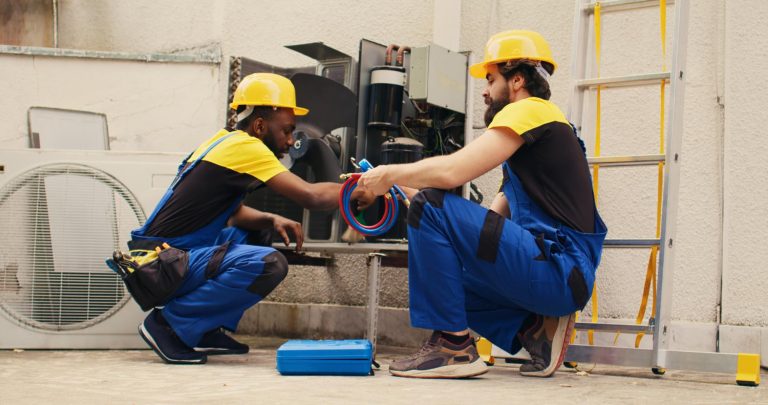
A professional inspection should form the foundation of heat pump winter maintenance because many important checks require tools and technical knowledge that homeowners do not have. During a tune up, the technician can confirm that the equipment starts properly in heating mode, inspect electrical connections, review controls, evaluate system operation, and identify visible wear or damage. The technician can also assess whether unusual noises, weak heating, or repeated error codes point to a developing problem that should be corrected before winter.
Go Ductless Inc. recommends scheduling service before the system is working continuously in cold weather. This timing gives homeowners an opportunity to discuss operating settings, backup heat, outdoor-unit winter clearance, and any comfort problems noticed during the previous season. A thorough heat pump winter maintenance visit should be more than a quick visual look. It should confirm that the system is prepared for extended heating operation and that homeowners understand what normal winter behaviour looks like.
What A Technician Should Review
A pre-winter appointment may include inspection of electrical connections, refrigerant lines, coils, sensors, controls, drainage, outdoor fan operation, indoor airflow, mounting condition, error history, and general heating performance. The exact procedures depend on equipment type and manufacturer requirements, but professional heat pump winter maintenance should focus on identifying conditions that could reduce reliability once outdoor temperatures drop.
Clear The Outdoor Unit Before Snow Season
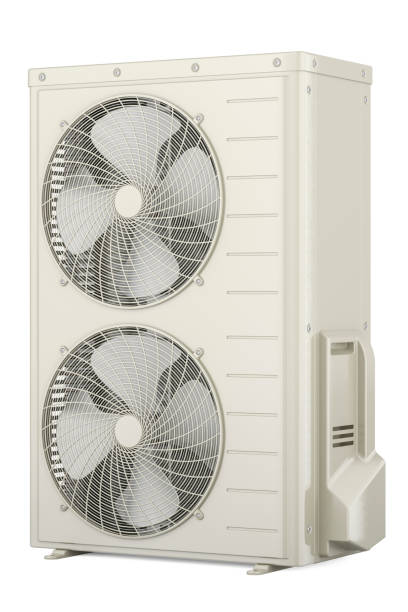
Outdoor airflow is critical because an air-source heat pump must exchange heat with outdoor air. Leaves, weeds, branches, storage bins, patio furniture, and accumulated debris can restrict that airflow. Before winter arrives, homeowners should inspect the area around the outdoor unit and remove loose materials that could interfere with operation. Heat pump winter maintenance should also include checking whether shrubs or landscaping have grown too close during summer and whether the unit remains accessible for service.
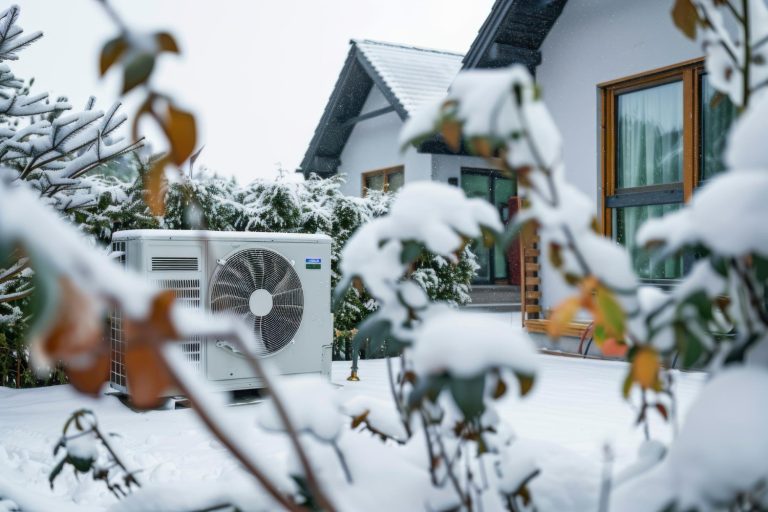
Snow introduces another challenge. Natural Resources Canada specifically advises homeowners to check for excessive ice or snow buildup on and around heat pump equipment during winter because a unit covered by snow or ice cannot operate properly. When preparing for cold weather, make sure the area around the unit offers reasonable winter clearance. Do not build an enclosure that restricts airflow. If the equipment location routinely experiences drifting snow, ask a qualified contractor whether mounting or site improvements are appropriate.
Never Block The Airflow To Protect The Unit
It may seem helpful to wrap, cover, or box in outdoor equipment before a storm, but a heat pump needs unrestricted airflow while operating. Heat pump winter maintenance should protect the unit from avoidable obstructions without enclosing it. Follow the manufacturer’s required clearances and contact a technician if you are uncertain about an outdoor-unit location.
Check Outdoor Drainage And Defrost Conditions
Heat pumps periodically enter defrost mode when frost develops on the outdoor coil. The system temporarily changes operation to remove frost so heat transfer can continue efficiently. Water produced during defrost must be able to drain away from the equipment. A good heat pump winter maintenance inspection should therefore look at the ground, stand, or mounting area beneath the outdoor unit and confirm that water is not likely to collect where it can repeatedly freeze.
Homeowners should expect some frost and occasional steam during normal defrost operation. What is not normal is a thick mass of ice that remains on the coil or surrounds the unit and does not clear. Drainage problems, blocked airflow, unusual weather conditions, or equipment faults may contribute to persistent icing. Do not chip ice from delicate coils or pour boiling water over the equipment. If ice repeatedly returns or interferes with operation, professional diagnosis is safer and more effective.
Understand Normal Defrost Behaviour
Normal defrost may temporarily change indoor airflow or heating output, and steam may be visible outside as accumulated frost melts. Heat pump winter maintenance includes knowing the difference between normal defrost activity and persistent icing. If you are unsure whether the system is behaving correctly, document what you observe and contact a qualified technician.
Inspect The Outdoor Unit Mounting And Winter Clearance
A heat pump used throughout winter should remain stable and reasonably clear of snow accumulation. During heat pump winter maintenance, inspect the pad, stand, or wall-mounting hardware from a safe distance. Look for obvious movement, leaning, damaged supports, or soil settlement around a ground-mounted system. Do not attempt structural adjustments yourself if the equipment is connected to refrigerant lines and electrical wiring.
Winter clearance is especially important in locations where snow is regularly piled by shovelling or drifting. Keep snow removal plans in mind before the first major storm. Avoid pushing driveway or walkway snow directly toward the heat pump. A professional can advise whether the existing mounting height is appropriate for local conditions. Preparing this area early can prevent homeowners from discovering in January that routine snow removal is constantly burying the outdoor equipment.
Plan Snow Removal Before The First Storm
Choose where driveway and walkway snow will be placed before winter begins. Heat pump winter maintenance becomes much easier when homeowners do not have to dig equipment out after every storm. Maintain manufacturer-required clearance around the unit and keep access available for service.
Review Refrigerant Line Protection And Exterior Penetrations
Refrigerant piping and communication wiring typically run between indoor and outdoor equipment. Exterior sections are often protected by insulation and line covers. Heat pump winter maintenance should include a visual check for obvious damage caused by landscaping tools, animals, construction, weather, or age. Missing or deteriorated insulation may expose refrigerant lines unnecessarily and should be evaluated by a technician.
Wall penetrations should also appear properly sealed. Open gaps can allow water, pests, and unwanted outdoor air into the building. Homeowners should avoid altering refrigerant piping themselves, but they can note visible damage and bring it to the technician’s attention during a tune up. Professional repair is particularly important if a line appears kinked, crushed, loose, or physically damaged.
Do Not Attempt Refrigerant Repairs Yourself
Refrigerant circuits require specialized tools, procedures, and qualified service. A heat pump winter maintenance checklist should help homeowners identify visible concerns, not encourage do-it-yourself refrigerant work. If line damage is suspected, arrange professional inspection.
Confirm Heating Mode And Control Settings Before Winter
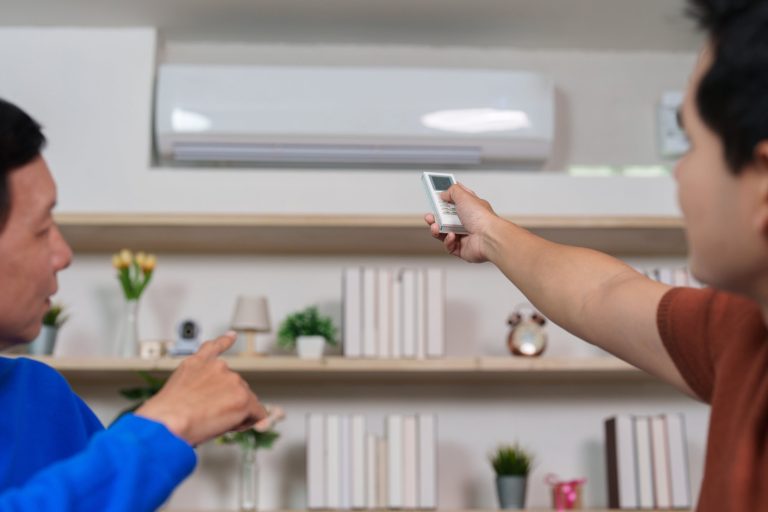
Do not wait until the first severe cold night to discover that the system was left in the wrong mode or that a controller is not responding properly. As part of heat pump winter maintenance, switch the equipment into heating mode during cooler fall weather and confirm that the indoor unit responds as expected. Check remote controls, wall controllers, schedules, and smart controls so you understand how the system will be operated during winter.
Natural Resources Canada advises homeowners to optimize heat pump settings, airflow direction, and fan settings for performance and comfort. NRCan notes that wall-mounted indoor units are commonly directed downward when heating so warm air reaches the occupied portion of the room. Avoid constant large thermostat adjustments unless your manufacturer or installer recommends them. Heat pumps generally perform best when controls are used with an understanding of the equipment’s variable operation.
Review Setbacks With Your Contractor
Large temperature setbacks may not be ideal for every heat pump configuration. As part of a heat pump winter maintenance appointment, ask your technician what temperature strategy is appropriate for your model, backup heating arrangement, and household schedule.
Test Backup Heating Before You Actually Need It
Some homes use a heat pump alongside another heating source. Depending on the design, that could be a furnace, boiler, electric baseboard, or another approved supplemental system. Natural Resources Canada notes that cold climate heat pumps can work at very low outdoor temperatures, with some models operating down to about -30°C, but supplemental heating may still be appropriate depending on the home and equipment. Heat pump winter maintenance should therefore include understanding how your backup heating strategy works.
If your home has supplemental heat, confirm with a qualified contractor that it is available and operating as intended before severe weather arrives. Homeowners should know whether backup heat activates automatically or requires separate controls. This is particularly important for Ductless Heat Pump systems because ductless equipment typically does not include the same integrated auxiliary heating configuration found in some central ducted systems. Preparing backup heat in advance helps reduce uncertainty during extreme cold.
Know Your System’s Cold-Weather Limits
Do not assume all heat pumps have identical low-temperature performance. Exact operating limits and heating capacity vary by model. A professional heat pump winter maintenance visit is a good time to review equipment specifications and discuss what should happen during unusually cold conditions.
Winter Maintenance Checklist For Homeowners
The homeowner portion of heat pump winter maintenance should focus on safe inspection, outdoor access, controls, and recognizing warning signs. Detailed internal servicing should be left to trained professionals. This distinction allows homeowners to remain involved in preventive care without opening equipment or performing potentially unsafe mechanical or electrical work.
Use this winter checklist before the cold season becomes established:
- Schedule a professional fall heat pump tune up
- Test heating mode before sustained cold weather
- Confirm controllers, schedules, and remotes work properly
- Remove leaves and loose debris around the outdoor unit
- Plan snow placement so the outdoor equipment stays clear
- Inspect the outdoor mounting area for obvious instability
- Check visible line covers and insulation for damage
- Make sure defrost water has a reasonable drainage path
- Confirm backup heating is ready where applicable
- Note unusual noise, vibration, error codes, or weak heating
Watch For Warning Signs Before Winter
Heat pumps normally change speed and sound as heating demand changes, so some variation is expected. However, heat pump winter maintenance should pay attention to new or persistent behaviour such as unusual grinding, rattling, strong vibration, repeated shutdowns, error codes, weak heating, or an outdoor fan that does not operate when expected. These symptoms do not identify one specific problem by themselves, but they justify professional inspection.
Persistent icing is another important warning sign. Light frost that disappears during defrost can be normal, while heavy ice that repeatedly covers the outdoor coil deserves attention. NRCan recommends monitoring heat pumps for excessive snow and ice buildup in winter. Addressing suspicious behaviour in fall or early winter can prevent a small problem from becoming a loss of heating during a colder period.
Do Not Ignore Repeated Error Codes
A single temporary message may have an innocent explanation, but recurring error codes should be documented and reviewed by a technician. Provide the exact code and describe when it occurs. This information can make heat pump winter maintenance diagnosis more efficient.
Improve The Home Before Asking The Heat Pump To Work Harder
A heat pump heats the building, but the building determines how quickly that heat escapes. Air leakage, weak insulation, old weatherstripping, and poorly sealed doors can increase heating demand. Heat pump winter maintenance therefore works best when homeowners also consider the condition of the building envelope. Reducing unnecessary heat loss can improve comfort and decrease the amount of heating the system needs to provide.
Natural Resources Canada recommends addressing air leakage or poor insulation to maximize heat pump benefits. Before winter, homeowners can inspect common draft locations around exterior doors and accessible windows and arrange professional energy-efficiency improvements where appropriate. This is particularly valuable if the heat pump appeared to run continuously last winter even though no mechanical fault was found.
A Tune Up Cannot Fix Building Heat Loss
Professional heat pump winter maintenance can improve equipment readiness, but it cannot compensate completely for major building-envelope problems. Heating performance should be evaluated as a combination of equipment condition, system sizing, and the home’s ability to retain heat.
Why Annual Professional Maintenance Is Worth Scheduling
Natural Resources Canada recommends annual contractor maintenance to support efficient, reliable heat pump operation and service life. A professional visit provides an opportunity to catch problems that cannot be identified by simply looking at the outdoor unit. Electrical components, system controls, refrigerant performance, and internal mechanical conditions require appropriate expertise and equipment.
For GTA homeowners, scheduling heat pump winter maintenance before peak heating season can also make planning easier. If a part needs attention or a repair is recommended, there may be more flexibility than during an emergency cold-weather call. A planned appointment also gives you time to ask questions about thermostat strategy, defrost operation, supplemental heating, outdoor snow clearance, and any changes you noticed during the previous winter.
Fall Is A Practical Time For A Tune Up
NRCan specifically identifies the period after summer and before the next heating season as a good time to service an air-source heat pump. This timing aligns the inspection with the conditions the system will soon face.
Why Choose Go Ductless Inc.
Go Ductless Inc. understands that winter reliability depends on more than checking whether a system turns on. Our heat pump winter maintenance approach considers equipment condition, winter outdoor clearance, drainage, system controls, operating behaviour, zone comfort, and signs that could indicate a developing problem. We help GTA homeowners prepare before winter demand becomes intense so they can enter the heating season with a clearer understanding of their system.
Our related service options also support different ductless needs. Ductless Heat Pump service is relevant for homeowners who depend on ductless equipment for winter comfort. Mini Split systems can provide dedicated heating and cooling in individual zones, while Mitsubishi Electric M-Series equipment may be used in residential ductless applications depending on the project. If your system is already showing performance problems rather than simply needing preventive maintenance, our Heat Pump Repair service may be the more appropriate internal path.
Prepare Your Heat Pump Before The Cold Sets In
Heat pump winter maintenance is about reducing avoidable winter problems before severe weather arrives. A professional fall tune up, clear outdoor airflow, reliable defrost drainage, winter-ready equipment clearance, working controls, protected refrigerant lines, and a tested backup heating strategy can all contribute to a more dependable heating season. Homeowners should also understand which behaviours are normal, such as occasional defrost cycles, and which warning signs require professional attention.
If you are a GTA homeowner preparing for winter, contact Go Ductless Inc. to book a heat pump tune up before sustained cold weather arrives. We can inspect the system, review winter operating conditions, identify visible concerns, and help you understand how your equipment should perform through the heating season. Whether you use a Ductless Heat Pump, Mini Split, or Mitsubishi Electric M-Series system, preventive heat pump winter maintenance can help you approach Ontario winter with greater confidence.
Frequently Asked Questions
-
When should I schedule heat pump winter maintenance?
Schedule heat pump winter maintenance in fall, ideally before the system begins operating heavily for the heating season. -
What should heat pump winter maintenance include?
It should include professional inspection, outdoor-unit checks, control testing, drainage review, winter clearance, and assessment of unusual system behaviour. -
Is snow around the outdoor unit a problem?
Heavy snow that restricts airflow can interfere with operation. Keep the outdoor unit reasonably clear according to manufacturer guidance. -
Is frost on my heat pump normal in winter?
Some frost is normal and should be removed by automatic defrost cycles. Persistent heavy ice should be professionally inspected. -
Should backup heating be checked during winter preparation?
Yes. If your home uses supplemental heating, confirm that you understand how it operates before extreme cold occurs. -
Can a heat pump tune up prevent every winter repair?
No maintenance can prevent every failure, but preventive inspection can identify some developing issues before they become urgent. -
When should I call Go Ductless Inc. for heat pump winter maintenance?
Call before the heating season or whenever you notice repeated errors, unusual noises, persistent ice, weak heating, or other changes in performance.