Why Older Toronto Homes Often Lack Ductwork
Older Toronto homes have plenty of character, but their heating and cooling layouts can be very different from those found in newer houses. Brick construction, finished basements, additions, radiators, baseboard heaters, and enclosed rooms are common features.
Many of these properties were never designed around a central forced-air system. As a result, installing traditional ductwork can become a major project rather than a simple HVAC upgrade.
For homeowners researching Ductless HVAC Toronto, this difference matters. A ductless system can provide heating and cooling without requiring a network of air ducts throughout the home.
Common Heating and Cooling Challenges
Older homes can have rooms that feel warmer or cooler than others. An addition may have different insulation from the original structure. A finished basement may also need a different comfort solution from the upper floors.
Drafts around older windows and doors can make the problem more noticeable. In addition, some rooms may have limited access for conventional HVAC equipment.
This is where a properly planned ductless system can make sense.
Why Adding Traditional Ductwork Can Be Difficult
Adding ductwork to an older Toronto home often means finding space between floors, inside walls, or above ceilings. That can involve opening finished areas and changing parts of the existing interior.
The layout may also limit where large ducts can run. This becomes especially challenging when the home has low ceilings, solid walls, compact rooms, or finished living spaces.
A ductless HVAC for old house application avoids much of this disruption because the system does not depend on a central duct network.
How Ductless HVAC Works in an Older Home
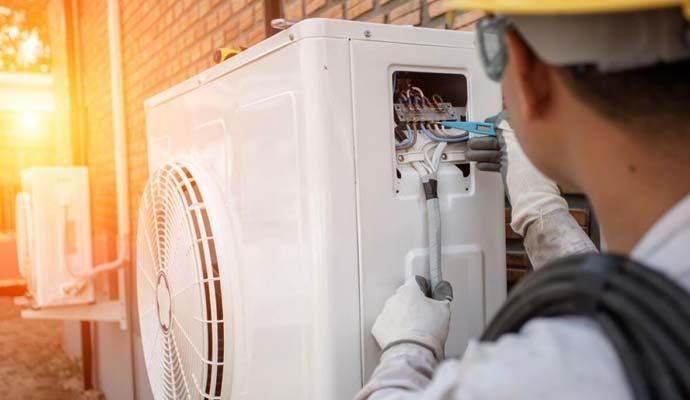
Ductless HVAC uses an outdoor unit connected to indoor units through refrigerant lines. The indoor units deliver conditioned air directly into the rooms or zones they serve.
This design makes a mini split without ductwork practical for homes that were never built with central air distribution.
Instead of forcing air through ducts, the system works directly within the living areas that need heating or cooling.
What Is a Ductless HVAC System?
A ductless system usually includes an outdoor condenser or heat pump and one or more indoor air-handling units. The outdoor equipment manages the heating or cooling process, while the indoor units distribute conditioned air.
Because there are no large ducts to install, the system can work with many existing home layouts.
For an older Toronto property, this can be especially useful when preserving walls, ceilings, flooring, and finished rooms is important.
How Ductless Systems Avoid Ductwork
The indoor and outdoor units connect through a relatively small line set. The installer plans the route carefully so the connection can pass between the indoor and outdoor equipment without creating the disruption associated with traditional duct installation.
This makes a ductless system for older homes a flexible option when space for conventional ductwork is limited.
Why Ductless HVAC Can Be a Good Fit for Older Toronto Homes
The biggest advantage is flexibility. Homeowners do not necessarily need to redesign the entire HVAC layout to improve comfort.
A ductless system can also work alongside existing heating equipment. This gives homeowners more options when planning comfort improvements.
Minimal Structural Disruption
Installing ductwork can affect ceilings, walls, closets, and other finished areas. Ductless equipment generally requires a much simpler pathway between indoor and outdoor components.
That does not mean every installation is simple. Older homes still require careful planning, but the absence of large air ducts can reduce the amount of interior modification.
Room-by-Room Comfort
Older homes often have uneven comfort because rooms have different sizes, insulation levels, sun exposure, and uses.
Ductless indoor units can create separate comfort zones. Homeowners can then manage spaces based on how they are used rather than conditioning the entire property in the same way.
For example, a frequently used living area may need more cooling than a rarely occupied room.
Heating and Cooling in One System
A ductless heat pump can provide both heating and cooling. That makes it useful for homeowners looking beyond summer air conditioning.
For ductless heating older home applications, the right equipment can help improve comfort during Toronto’s colder months while also providing cooling when summer temperatures rise.
Is Ductless HVAC Suitable for Toronto Winters?
Toronto winters require careful HVAC planning. A system should not be selected only because it works well during mild weather.
Homeowners should consider equipment designed for the local climate, along with proper sizing and installation.
Choosing a Cold-Climate System
Cold-climate ductless heat pumps are designed to continue operating in lower outdoor temperatures. However, performance depends on the specific equipment, installation, home envelope, and existing heating setup.
For heating old Toronto house applications, an assessment should look at more than the HVAC equipment itself.
Insulation, air leakage, windows, room layout, and existing heat sources can all affect indoor comfort.
What Happens During Very Cold Weather?
The system may operate differently as outdoor temperatures fall. Performance can also depend on where the outdoor unit is installed and how well it can manage snow, ice, and water.
Proper placement matters in Toronto. The outdoor unit needs suitable clearance and protection from conditions that could interfere with airflow.
A professional installation should account for these local conditions instead of treating the outdoor unit as an afterthought.
What Should Be Checked Before Installing Ductless HVAC?
Older homes deserve a detailed assessment before equipment is selected. The goal is to match the HVAC design with the actual structure and comfort needs of the property.
Check Insulation and Air Leakage
Poor insulation can make even a well-designed HVAC system struggle to maintain comfort.
Before installation, homeowners should look for drafty areas, poorly insulated sections, older windows, and rooms that regularly feel uncomfortable.
Improving the building envelope can help the ductless system work more effectively.
Review the Existing Heating System
Some older Toronto homes already use radiators, baseboards, boilers, or other heating equipment.
A ductless system does not always need to replace everything. Depending on the property and homeowner’s goals, it may work alongside existing equipment.
This can make a Toronto HVAC upgrade more practical because the homeowner can improve comfort without immediately rebuilding the entire heating system.
Identify Problem Areas
Think about which rooms are hardest to heat or cool. Is the upstairs too warm during summer? Does a basement stay cold? Is an addition uncomfortable compared with the rest of the house?
These details help determine where indoor units should go and how the system should be configured.
Single-Zone or Multi-Zone Ductless HVAC?
The right configuration depends on the home’s layout and comfort goals.
Single-Zone Systems
A single-zone setup can make sense when only one area needs dedicated heating and cooling.
This approach may suit a renovated room, home office, addition, basement space, or area that has always been difficult to condition.
Multi-Zone Systems
A multi-zone system can serve several areas from a shared outdoor unit. This can be useful when multiple rooms need independent temperature control.
However, the design should account for room size, usage, insulation, and equipment capacity rather than simply adding indoor units wherever space is available.
Indoor Unit Placement Matters
Indoor units should be placed where they can distribute air effectively without creating an uncomfortable airflow path.
Wall space, furniture placement, windows, doors, and room shape can all influence the best location.
In older homes, thoughtful placement also helps maintain the appearance and character of the property.
Installation Considerations for Older Toronto Homes
Ductless installation still requires professional planning, especially in older properties.
Outdoor Unit Location
The outdoor unit should have suitable airflow and enough clearance around it. The location should also account for snow accumulation, drainage, accessibility, and maintenance.
Refrigerant Line Routing
Line-set routing is an important part of the installation. The route should be planned to connect the indoor and outdoor equipment while keeping the installation neat and secure.
Older homes may require more creative routing because of their construction.
Electrical Requirements
The electrical system should be checked before installation. Older properties may have electrical layouts that need attention before new HVAC equipment can be connected safely.
Condensate Drainage
Indoor units can produce condensation during cooling. Proper drainage is important to prevent moisture problems around walls, floors, or other finished areas.
Benefits of Ductless HVAC for Older Toronto Homes
A well-designed ductless system can offer several practical advantages:
- No large duct network is required
- Less disruption to finished interiors
- Flexible room-by-room temperature control
- Heating and cooling from compatible systems
- Useful for additions and renovated spaces
- Suitable for homes without central air ducts
- Can complement existing heating equipment
- Flexible indoor unit placement
- Potentially useful for targeted comfort improvements
These benefits explain why many homeowners consider ductless systems when planning HVAC improvements for older properties.
Potential Drawbacks to Consider
Ductless HVAC is not automatically the best choice for every older home.
Indoor wall-mounted units may not suit every interior design. Some homeowners may also prefer a hidden HVAC solution.
The outdoor unit requires suitable space, and refrigerant lines need careful routing. Regular maintenance is also important for reliable operation.
In addition, older homes with poor insulation may need building improvements before HVAC equipment can deliver the desired comfort.
The best approach is to evaluate the property first rather than selecting equipment based only on the system type.
Ductless HVAC vs Traditional HVAC for Older Homes
Traditional central HVAC can provide whole-home air distribution, but it depends on ductwork. That can make installation challenging in older Toronto properties without existing ducts.
Ductless HVAC takes a different approach. It delivers heating and cooling directly through indoor units connected to an outdoor system.
For homeowners who want to preserve existing interiors, avoid major ductwork, or target specific rooms, ductless HVAC can offer a more flexible path.
The decision should still consider the home’s structure, insulation, existing heating, electrical system, and comfort requirements.
How to Improve Ductless HVAC Performance
Good equipment is only part of the solution. Installation quality and home conditions also influence performance.
Homeowners can support their system by:
- Keeping indoor filters clean
- Maintaining clear airflow around indoor units
- Keeping the outdoor unit free from heavy snow and obstruction
- Addressing noticeable drafts
- Improving insulation where needed
- Scheduling regular HVAC maintenance
- Keeping indoor and outdoor equipment accessible
These simple steps can help the system operate more effectively throughout Toronto’s changing seasons.
Questions to Ask Before Choosing Ductless HVAC
Before moving forward, homeowners should ask:
- Is my home suitable for ductless heating and cooling?
- Which rooms need dedicated temperature control?
- Can the system work with my existing heating equipment?
- Where should the indoor units be installed?
- What is the best location for the outdoor unit?
- How will the refrigerant lines be routed?
- Does the electrical system need an upgrade?
- How will condensate be drained?
- Is the equipment suitable for Toronto’s winter conditions?
- What maintenance will the system require?
Clear answers can help prevent installation problems and make the final system better suited to the home.
FAQ About Ductless HVAC in Older Toronto Homes
Is ductless HVAC good for an old Toronto house?
Yes, ductless HVAC can be a strong option for an older Toronto house without existing ductwork. It provides heating and cooling without requiring a traditional duct network.
Can I install a mini split without ductwork?
Yes. A mini split is specifically designed to provide heating or cooling without traditional air ducts. It connects indoor units to an outdoor system through refrigerant lines.
Can ductless HVAC work with existing radiators?
In many homes, ductless HVAC can complement existing heating equipment rather than replacing it. The right setup depends on the home’s heating requirements and equipment.
Is ductless HVAC suitable for older brick homes?
It can be. Older brick homes may benefit from ductless equipment because installing large ducts can be difficult. However, insulation, electrical capacity, equipment placement, and line routing should be reviewed first.
Can ductless HVAC heat an older Toronto home in winter?
A properly selected ductless heat pump can provide heating in Toronto’s winter climate. Cold-climate equipment and correct system design are important for reliable performance.
Does ductless HVAC require major renovations?
Usually, ductless systems require less structural work than traditional central HVAC because they do not need large ducts throughout the home. Installation still requires careful planning.
Final Thoughts
Older Toronto homes do not have to be limited by the absence of ductwork. A well-planned ductless system can provide a practical way to improve heating and cooling while respecting the home’s existing structure.
The key is proper planning. Insulation, room layout, existing heating equipment, electrical requirements, outdoor unit placement, and refrigerant line routing should all be considered before installation.
For homeowners exploring a ductless HVAC for old house solution, the goal should not simply be to install new equipment. The goal is to create a comfort system that fits the property.
GO DUCTLESS INC. can help homeowners assess ductless options based on the home’s layout, existing HVAC setup, and comfort needs. If you are considering a Toronto HVAC upgrade, professional guidance can help you choose an approach that works with your home’s unique construction.
For older Toronto homes without existing ductwork, ductless HVAC can be a practical, flexible, and less disruptive path toward better year-round comfort. If you are ready to discuss your home’s heating and cooling needs, contact us to explore the right ductless solution.