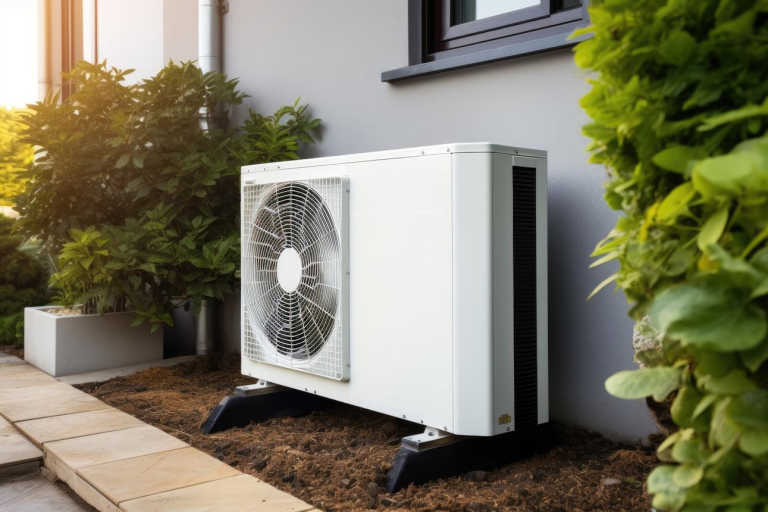
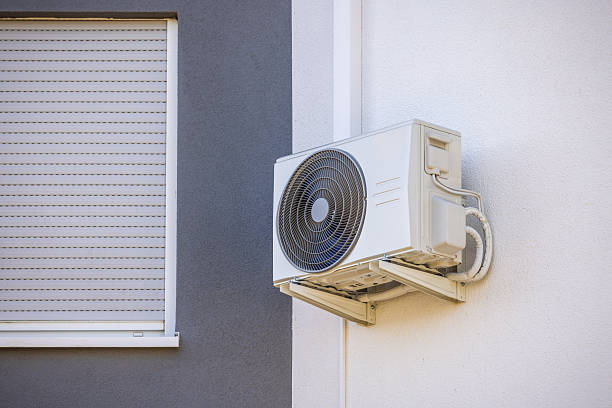
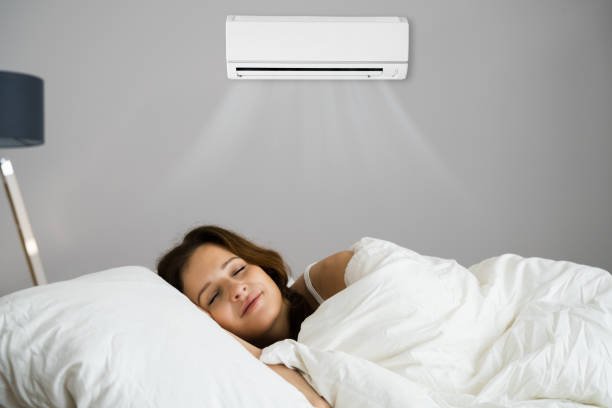
Buying an air conditioner is not just about picking the biggest unit you can afford. If the system is too small, it will run constantly and still leave your home uncomfortable. If it is too large, it may cool the air too quickly without removing enough humidity, which often makes the space feel clammy and uneven.
If you have been asking, “what size air conditioner do i need?”, you are already asking the right question.
The correct answer depends on more than square footage. Ceiling height, insulation, window placement, occupancy, and local climate all affect how much cooling your home actually needs. That is why professional HVAC sizing is based on a full load calculation rather than a rough guess.
This guide explains how HVAC professionals size air conditioners, how AC ton ratings work, and what to consider before buying an air conditioner for your home.
Why AC Size Matters More Than Most Homeowners Think
A properly sized air conditioner does more than cool the air. It helps maintain steady temperatures, controls humidity, and keeps energy use under control.
When the size is right, the system can run in balanced cycles that remove heat and moisture at the same time. That creates a more comfortable indoor environment and usually extends the life of the equipment.
An oversized system may seem appealing because it cools faster, but that speed often creates problems:
- Short cycling that turns the system on and off too often
- Higher electricity bills
- Uneven temperatures from room to room
- Excess indoor humidity
- More wear on compressors and other components
An undersized unit has the opposite problem:
- It runs for long periods without reaching the set temperature
- It struggles during heat waves
- It uses more energy than expected
- It may wear out sooner from constant operation
- It leaves the home feeling warm and uncomfortable
The goal is not maximum power. The goal is the right balance of cooling performance, humidity control, and efficiency.
What Does “AC Ton” Mean?

One of the most common misunderstandings when buying an air conditioner is assuming that a ton refers to weight. It does not.
An AC ton is a measurement of cooling capacity. One ton equals 12,000 BTUs per hour, which is the amount of heat the system can remove from a space in one hour.
Here is a simple reference chart:
| AC Size | Cooling Capacity | Typical Coverage* |
|---|---|---|
| 1 Ton | 12,000 BTU | 450–600 sq. ft. |
| 1.5 Ton | 18,000 BTU | 600–900 sq. ft. |
| 2 Ton | 24,000 BTU | 900–1,200 sq. ft. |
| 2.5 Ton | 30,000 BTU | 1,200–1,500 sq. ft. |
| 3 Ton | 36,000 BTU | 1,500–1,800 sq. ft. |
| 4 Ton | 48,000 BTU | 1,800–2,400 sq. ft. |
| 5 Ton | 60,000 BTU | 2,400–3,000 sq. ft. |
*Actual coverage varies depending on insulation, ceiling height, windows, occupancy, and climate.
A chart like this is useful as a starting point, but it should never be the only factor in your decision.
Room-by-Room Air Conditioner Sizing Guide
Square footage gives you a rough estimate, but each room has different cooling demands. A bedroom does not behave like a kitchen, and a sun-filled living room does not need the same capacity as a basement.
Bedroom
Typical Size:
120–250 sq. ft.
Recommended Cooling:
6,000–9,000 BTU
Bedrooms usually need less cooling because they are smaller and often occupied by fewer people. They also tend to have fewer heat-producing appliances.
A bedroom may need more capacity if it has:
- Large south-facing windows
- Poor insulation
- A vaulted ceiling
- Multiple occupants
- Electronics such as TVs or gaming systems
Living Room

Typical Size:
250–450 sq. ft.
Recommended Cooling:
12,000–18,000 BTU
Living rooms often have larger windows, more foot traffic, and more electronics than bedrooms. They are also commonly used by several people at once, which increases the cooling load.
You may need extra capacity if the room includes:
- Open access to a kitchen or dining area
- Large glass doors
- High ceilings
- A fireplace that adds heat during the day
Kitchen
Typical Size:
150–300 sq. ft.
Recommended Cooling:
9,000–12,000 BTU
Kitchens generate heat quickly because of ovens, stovetops, dishwashers, and refrigerators. Even a short cooking session can raise the temperature noticeably.
For that reason, HVAC professionals often size kitchens more generously than other rooms of the same size.
Helpful considerations include:
- How often the kitchen is used
- Whether it is open to other rooms
- The number of appliances in the space
- Whether the kitchen receives direct afternoon sun
Home Office
Typical Size:
100–200 sq. ft.
Recommended Cooling:
6,000–9,000 BTU
Home offices may seem small, but they often contain computers, monitors, printers, and other electronics that produce heat throughout the day. If the room is used for long work sessions, comfort becomes especially important.
A home office may need more cooling if it has:
- Multiple computers
- Poor airflow
- A lot of direct sunlight
- Limited insulation
- Frequent occupancy during the hottest part of the day
Basement
Finished basements usually stay cooler than upper floors, so they often need less cooling than the rest of the home. However, that does not mean they can be ignored.
Basements may still need cooling if they are:
- Fully finished and used daily
- Connected to a home gym or entertainment area
- Exposed to humidity
- Equipped with electronics or appliances
Because basements often have different moisture conditions, humidity control matters just as much as temperature.
Open-Concept Spaces
Open-concept layouts should be treated as one continuous cooling zone rather than several separate rooms. A kitchen, dining area, and family room that share air will usually need a larger system than the square footage alone suggests.
When sizing an open space, consider:
- Total connected square footage
- Number of windows
- Ceiling height
- Sun exposure
- How often the space is occupied
Air Conditioner Coverage Depends on More Than Square Footage
Many online calculators focus only on square footage, but real-world cooling needs are more complicated. HVAC professionals look at several factors before recommending a system.
1. Insulation Quality
A well-insulated home holds cooled air longer and reduces the workload on the system. Poor insulation allows heat to enter more easily, which increases cooling demand.
Signs of weak insulation include:
- Hot upstairs rooms
- Uneven temperatures
- Frequent AC cycling
- Higher-than-expected energy bills
2. Ceiling Height
Most sizing charts assume standard 8-foot ceilings. If your home has 9-foot ceilings, vaulted ceilings, or cathedral ceilings, the air conditioner must cool a larger volume of air. That extra volume can make a noticeable difference in system size.
3. Window Size and Direction
Windows are one of the biggest sources of heat gain in a home. South- and west-facing windows receive the strongest afternoon sun, which can raise indoor temperatures quickly.
Large windows, sliding doors, and older single-pane glass can all increase cooling requirements.
4. Local Climate
Climate matters more than many homeowners realize. Southern Ontario, for example, experiences hot and humid summers that place more strain on cooling systems than milder regions.
That is why air conditioner coverage should always be evaluated in the context of local weather, not just floor area.
5. Number of Occupants
People generate heat. The more people living in or regularly using the home, the greater the cooling load.
This matters especially in:
- Multi-generational households
- Homes with frequent guests
- Shared rental spaces
- Busy family homes
6. Heat-Producing Appliances
Electronics and appliances add heat to the indoor environment. Even if they are not running constantly, they can still affect the overall load.
Common examples include:
- Televisions
- Gaming systems
- Computers and servers
- Laundry machines
- Kitchen appliances
Ductless Mini Split vs Central Air Sizing
The sizing principles are similar for both systems, but the way they are applied is different.
Ductless Mini Split
A ductless system sizes each indoor unit for a specific room or zone. That makes it easier to match cooling capacity to actual usage.
Benefits include:
- Individual temperature control
- Better energy efficiency
- Room-by-room comfort
- Flexible installation options
- Easier future expansion
Many homeowners looking for ductless ac mini split toronto solutions prefer this setup because it allows them to cool only the rooms they use most.
A mitsubishi ductless air conditioning system is often considered by homeowners who want quiet operation, strong efficiency, and reliable cold-climate performance.
Central Air
Central air uses one larger system to cool the entire home through ductwork. It can be a good choice when the home already has a well-designed duct system in place.
Professional sizing for central air usually includes:
- Whole-home heat gain calculations
- Duct design and airflow balancing
- Return air capacity
- Equipment compatibility with the furnace or air handler
If the ducts are undersized, leaky, or poorly designed, even the correct AC unit may not perform well.
Real-World Example
Imagine two homes that are both 2,000 square feet.
Home A
- Built in 2023
- Triple-pane windows
- Excellent insulation
- Tight building envelope
- Energy-efficient appliances
Home B
- Built in 1985
- Original windows
- Limited attic insulation
- Several air leaks
- Older appliances
Even though the homes are the same size, Home B may need much more cooling capacity because it gains heat faster and loses conditioned air more easily.
That is why square footage alone should never decide the final system size.
Should You Buy a Larger Air Conditioner “Just in Case”?
Many homeowners think a bigger unit will provide extra comfort and a safety margin. In practice, that usually creates more problems than it solves.
Oversized equipment often:
- Turns on and off too quickly
- Fails to remove enough humidity
- Creates hot and cold spots
- Uses more electricity than necessary
- Experiences more wear over time
A properly sized system almost always performs better than an oversized one.
If you are unsure, a qualified air conditioning company should explain the load calculation behind the recommendation instead of simply suggesting the largest model available.
Thinking About a Mitsubishi Ductless Air Conditioning System?
A mitsubishi ductless air conditioning system is popular with many Canadian homeowners because it offers strong efficiency and dependable comfort in a wide range of conditions.
Common advantages include:
- Quiet indoor operation
- Cold-climate heating and cooling performance
- Flexible zoning
- Advanced inverter technology
- Strong energy efficiency ratings
That said, even a premium system will underperform if it is not sized correctly. The right capacity matters just as much as the brand.
Common AC Sizing Mistakes
A few common mistakes can lead to poor comfort and wasted money.
Buying Based Only on Price
The cheapest system is not always the best value. If it is the wrong size, it may cost more to operate and maintain over time.
Relying on Online BTU Calculators Alone
Online tools can be helpful for rough estimates, but they do not replace a proper load calculation.
Ignoring Humidity
In humid climates, moisture removal is just as important as temperature control. A system that cools too quickly may leave the air sticky and uncomfortable.
Forgetting Future Renovations
If you plan to finish a basement, add a room, or convert an attic, your cooling needs may change. It is worth thinking ahead before installation.
Overlooking Duct Condition
For central systems, damaged or leaky ducts can reduce performance even if the AC unit itself is correctly sized.
Expert Tips Before Buying an Air Conditioner
Before you sign a contract, take time to ask the right questions. A good installation starts with a good assessment.
Here are a few practical tips:
- Request a Manual J or equivalent load calculation.
- Ask how insulation, windows, and ceiling height affected the recommendation.
- Confirm that the ductwork can handle the required airflow.
- Compare efficiency ratings, not just equipment size.
- Ask about warranty coverage and maintenance options.
- Make sure the contractor has experience with your preferred system type.
A trustworthy air conditioning company should be able to explain why a specific size was recommended and how it fits your home’s layout.
Professional Installation Matters
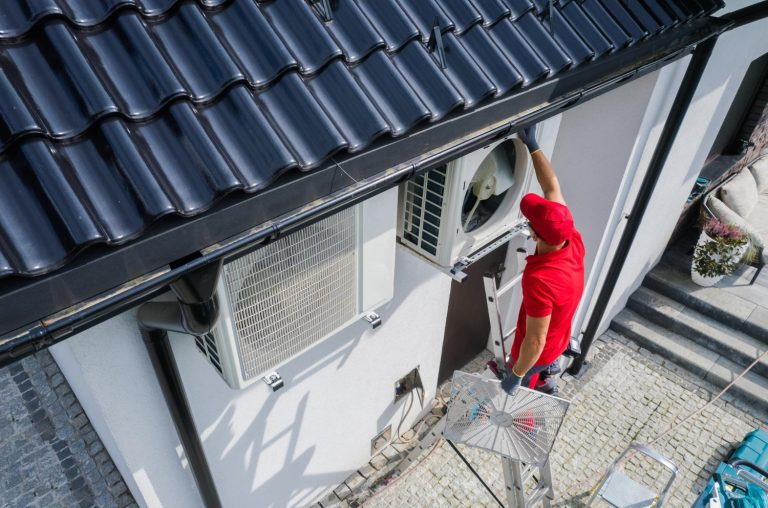
Even the correctly sized system can perform poorly if the installation is rushed or incomplete. Refrigerant charge, airflow, drainage, and line sizing all affect how well the unit works.
Poor installation can lead to:
- Reduced efficiency
- Higher utility bills
- Shorter equipment life
- Uneven cooling
- More frequent repairs
If you are planning a replacement or new system, it is worth reviewing GO DUCTLESS INC.’s Air Conditioner Installation services to better understand your options and get a sizing recommendation tailored to your home.
For homeowners looking for ductless air conditioner service Toronto, working with certified technicians can also help maintain long-term performance and protect your investment.
Key Takeaways
- Square footage is only one part of proper AC sizing.
- Ceiling height, insulation, windows, occupancy, and climate all affect cooling needs.
- Oversized systems waste energy and control humidity poorly.
- Undersized systems struggle during peak summer heat.
- Professional load calculations are more accurate than online calculators.
- Installation quality matters just as much as equipment selection.
Final Thoughts
The answer to “what size air conditioner do i need?” is rarely found in a simple chart. Every home has different cooling demands based on layout, insulation, sun exposure, and how the space is used.
Taking the time to size your system correctly can improve comfort, reduce operating costs, and help your equipment last longer. Whether you are replacing an older central unit or exploring a ductless solution, professional guidance can help you avoid expensive mistakes and choose a system that performs well for years.
FAQs
1. Can I use square footage alone to determine AC size?
No. Square footage is a useful starting point, but insulation, ceiling height, window exposure, and occupancy all affect the final cooling requirement.
2. Is a higher AC ton rating always better?
No. A larger AC ton rating is not automatically more efficient. Oversized systems often cycle too quickly and do a poor job of controlling humidity.
3. How often should an air conditioner be professionally serviced?
Most manufacturers recommend annual maintenance before the cooling season begins. Regular service helps maintain efficiency and may support warranty coverage.
4. Can one ductless mini split cool multiple rooms?
Yes. Multi-zone systems can connect several indoor units to one outdoor condenser, allowing different rooms to be cooled independently.
5. Does a well-insulated home require a smaller air conditioner?
Often, yes. Better insulation reduces heat gain, which can lower the cooling capacity needed for the same floor area.
6. Should I replace my old AC with the same size unit?
Not always. Renovations, new windows, improved insulation, or layout changes may alter your cooling needs, so a fresh load calculation is usually the better choice.Not always. Renovations, new windows, improved insulation, or layout changes may alter your cooling needs, so a fresh load calculation is usually the better choice.