Homeowners today are constantly looking for ways to improve comfort, reduce energy costs, and make their homes more energy efficient. One of the most effective solutions for achieving all three is installing a high-efficiency ductless heat pump. These modern HVAC systems provide both heating and cooling in a single unit, making them a smart investment for homeowners who want reliable year-round comfort.
A ductless heat pump is designed to deliver efficient temperature control without the need for traditional ductwork. This makes it an excellent option for older homes, renovated spaces, and properties where installing ductwork would be expensive or impractical. With advanced technology and energy-saving features, ductless heat pumps are quickly becoming one of the most popular heating and cooling solutions for modern homes.
If you are considering upgrading your HVAC system, installing a ductless heat pump system can significantly improve indoor comfort while lowering energy consumption.
What Is a Ductless Heat Pump?
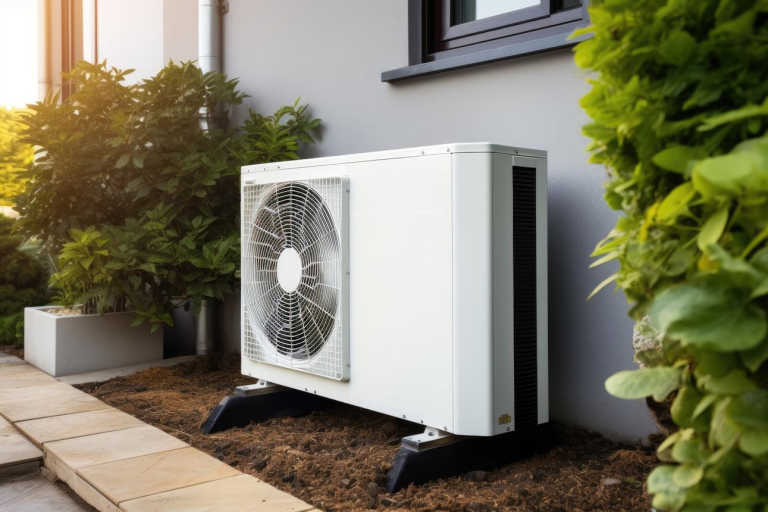
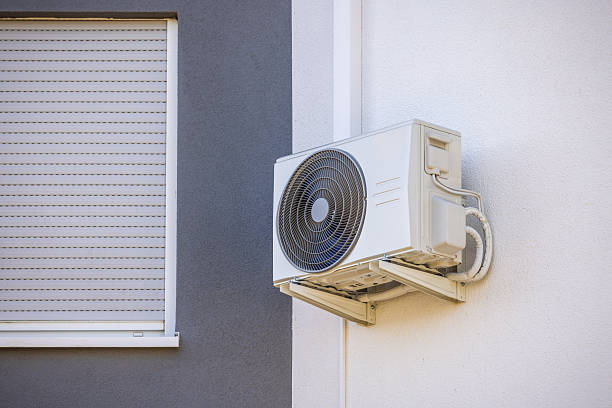
A ductless heat pump, also known as a mini-split heat pump system, is a heating and cooling solution that operates without ductwork. Instead of using air ducts to distribute heated or cooled air throughout the home, the system uses indoor air-handling units connected to an outdoor compressor.
The indoor units are mounted inside specific rooms and deliver conditioned air directly into the space. These units are connected to the outdoor unit through a small conduit that contains refrigerant lines, electrical wiring, and a drainage pipe.
Ductless heat pumps operate using heat transfer technology. During the summer, the system removes heat from inside the home and releases it outside, cooling the indoor environment. During the winter, the process is reversed, and the system extracts heat from the outdoor air and transfers it indoors to warm the home.
Because heat pumps move heat instead of generating it, they use significantly less energy compared to traditional heating systems such as furnaces or electric heaters.
Why Homeowners Are Choosing Ductless Heat Pumps
Ductless heat pumps have gained popularity because they provide efficient heating and cooling while offering flexibility and convenience. Homeowners appreciate the ability to control temperatures in individual rooms while reducing overall energy usage.
Unlike traditional HVAC systems that rely on a single thermostat, ductless systems allow for zoned temperature control. Each indoor unit can be set to a different temperature, making it easier to maintain comfort throughout the home.
For example, a living room can remain cooler during the day while bedrooms are set to a warmer temperature at night. This flexibility helps eliminate the hot and cold spots often experienced with central HVAC systems.
Another advantage is the compact design of ductless heat pumps. The indoor units are sleek and unobtrusive, blending well with modern interior designs while providing powerful heating and cooling performance.
Many homeowners trust Go Ductless for professional guidance on selecting and installing high-efficiency HVAC systems, ensuring both comfort and energy efficiency.
Energy Efficiency and Cost Savings
Upgrading to a high-efficiency ductless heat pump can significantly reduce energy bills. Traditional heating and cooling systems often lose energy through ductwork leaks and inefficient operation.
Ductless heat pumps eliminate these energy losses by delivering conditioned air directly into the room. Without ducts, there is no opportunity for heated or cooled air to escape before reaching its destination.
Modern ductless heat pumps also feature inverter technology, allowing the compressor to adjust its speed based on heating or cooling demand. Instead of turning on and off repeatedly, the system runs continuously at variable speeds, maintaining consistent indoor temperatures while using less electricity.
This efficient operation often translates to noticeable reductions in energy consumption, helping homeowners save money while minimizing environmental impact. Zoned cooling and heating also allow you to focus energy use only where it’s needed, further improving efficiency.
Ideal for Homes Without Ductwork
Many homes, particularly older properties, were built before central heating and cooling systems became standard. Installing ductwork in these homes can be expensive and disruptive.
Ductless heat pumps provide a practical alternative because they require minimal installation work. The system only needs a small opening in the wall to connect the indoor and outdoor units, making installation quick and less invasive.
This makes ductless heat pumps an excellent solution for:
- Older homes without existing ductwork
- Home additions or renovated spaces
- Basement apartments
- Garages or workshops
- Rooms that do not receive enough heating or cooling
By installing ductless systems in specific areas, homeowners can improve comfort without making major structural changes to their homes.
Year-Round Comfort with One System
One of the biggest advantages of ductless heat pumps is their ability to provide both heating and cooling in a single system. Instead of installing separate heating and air conditioning equipment, homeowners can rely on one efficient system for year-round comfort.
During the summer, the heat pump works like an air conditioner, removing heat from indoor air and releasing it outside. In the winter, the system reverses the process and extracts heat from the outdoor air to warm the home.
Even in colder climates, modern heat pumps are designed to operate efficiently in low temperatures. Advanced systems use improved compressors and refrigerant technology to maintain reliable heating performance throughout the winter season.
This dual functionality makes ductless heat pumps a convenient and cost-effective solution for homeowners looking to upgrade their HVAC systems.
Improved Indoor Air Quality
Indoor air quality plays an important role in maintaining a healthy home environment. Dust, allergens, and airborne pollutants can accumulate in traditional duct systems and circulate throughout the home.
Ductless heat pumps help reduce this issue by eliminating the need for ducts. Many systems also include advanced filtration technology that captures dust particles and allergens before they are released into the air.
By filtering the air as it passes through the indoor unit, ductless systems help create a cleaner and healthier indoor environment. This is particularly beneficial for individuals with allergies, asthma, or respiratory sensitivities.
Additionally, ductless systems help control humidity levels, which further improves indoor comfort and air quality.
Quiet and Comfortable Operation
Noise can sometimes be a concern with traditional heating and cooling systems. Large indoor units and air ducts can produce noticeable sounds as air circulates through the system.
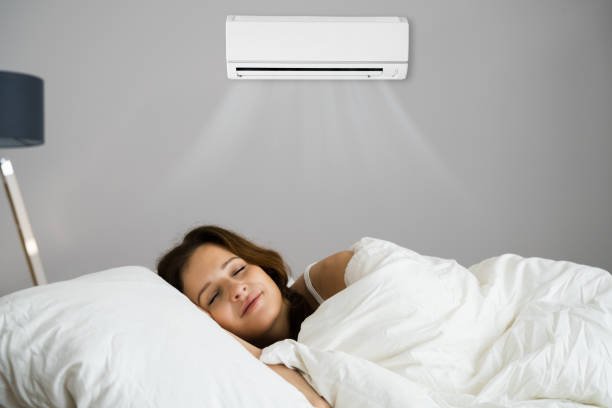
Ductless heat pumps are designed for quiet operation. The indoor units operate with advanced fan technology that minimizes sound levels while maintaining strong airflow.
Because the compressor is located outside the home, indoor noise is significantly reduced. This makes ductless heat pumps ideal for bedrooms, living areas, and home offices where quiet operation is important.
The Ductless Heat Pump Installation Process
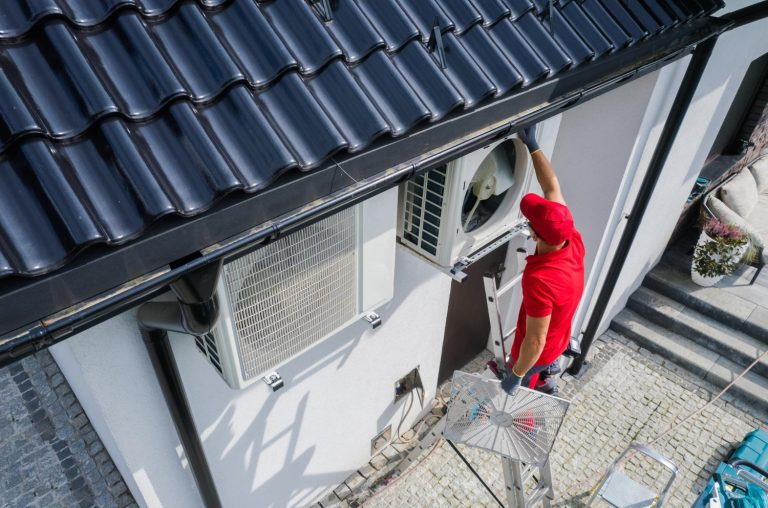
Installing a ductless heat pump is a straightforward yet precise process that ensures your home receives optimal heating and cooling efficiency. Professional installation is critical because it guarantees the system operates correctly, delivers maximum energy savings, and provides long-term reliability. With minimal structural changes required, ductless systems offer a convenient and less invasive upgrade compared to traditional HVAC systems.
1. Professional home assessment: The installation begins with an HVAC technician evaluating the home, considering factors such as room size, insulation, and overall heating and cooling requirements.
2. System recommendation: Based on the assessment, the technician recommends the most suitable system configuration. Some homes may only need a single indoor unit, while others may benefit from a multi-zone system with several indoor units connected to one outdoor compressor.
3. Indoor unit installation: The selected indoor units are mounted on the wall, ceiling, or floor, depending on the layout of each room to ensure optimal airflow and comfort.
4. Outdoor unit installation: The outdoor compressor is installed outside the home on a stable, ventilated surface to allow proper operation and airflow.
5. Connecting indoor and outdoor units: A small opening is created in the wall to run refrigerant lines, electrical wiring, and a drainage pipe between the indoor and outdoor units.
6. System testing: After all components are connected, technicians test the equipment to ensure proper operation, refrigerant flow, and optimal performance.
7. Minimal disruption: Because ductless systems require minimal structural changes, the installation process is generally faster and less disruptive compared to traditional HVAC systems.
Maintaining Your Ductless Heat Pump
Regular maintenance helps ensure that your ductless heat pump operates efficiently and lasts for many years. Cleaning the indoor unit filters periodically helps maintain proper airflow and prevents dust buildup.
The outdoor unit should also be kept clear of debris such as leaves or dirt to maintain proper airflow around the compressor.
Professional HVAC maintenance is recommended at least once a year. During a maintenance visit, technicians inspect system components, check refrigerant levels, clean internal parts, and verify that the system is operating correctly.
Routine maintenance helps prevent unexpected breakdowns and keeps the system running efficiently throughout the year.
Why Professional Installation Matters
Installing a ductless heat pump requires technical expertise to ensure proper performance. Incorrect installation can lead to reduced efficiency, uneven heating or cooling, and potential system damage.
Professional HVAC technicians understand how to properly size the system and position the indoor units to maximize airflow and comfort. They also ensure that refrigerant levels, electrical connections, and system calibration are handled correctly.
Working with experienced professionals ensures that the system operates safely and efficiently from the beginning.
Upgrade Your Home with a High-Efficiency Ductless Heat Pump
Upgrading your home with a high-efficiency ductless heat pump is one of the best ways to improve comfort, energy efficiency, and indoor air quality. These systems provide reliable heating and cooling without the need for ductwork, making them an ideal solution for modern homes and renovations.
With their advanced technology, quiet operation, and flexible installation options, ductless heat pumps offer a convenient and energy-efficient alternative to traditional HVAC systems. By investing in a high-quality ductless heat pump and professional installation, homeowners can enjoy year-round comfort while reducing energy costs.
If you are ready to upgrade your home’s heating and cooling system, contact our HVAC specialists to discuss the best ductless heat pump solution for your home.
Frequently Asked Questions
1.) What is a ductless heat pump?
A ductless heat pump is a mini-split system that provides heating and cooling without ducts, using indoor units and an outdoor compressor.
2.) Are ductless heat pumps energy efficient?
Yes, they save energy by delivering conditioned air directly and using inverter technology for consistent performance.
3.) Can ductless heat pumps work in older homes?
Absolutely. They are ideal for homes without ductwork, renovations, or additions where traditional HVAC installation is difficult.
4.) How long does installation take?
Most installations are completed within a few hours or a day, depending on the number of indoor units and home layout.
5.) How often should Imaintainmy ductless heat pump?
Annual professional maintenance is recommended, along with periodic filter cleaning, to ensure optimal efficiency and performance.