When you notice a mini split not cooling, it can be frustrating fast. One room feels sticky, another feels warm, and the system that usually keeps your home comfortable suddenly seems like it is doing nothing. The good news is that many mini split not cooling problems are caused by simple settings, airflow restrictions, or basic maintenance issues you can identify quickly before you assume the equipment has failed.
In this guide, Go Ductless Inc. will walk you through a clear troubleshooting process, from quick checks you can do in minutes to deeper issues that should be handled by a professional. We will also explain what symptoms usually mean, why the problem happens, and what to do next so you can get back to reliable comfort as soon as possible.
Start With The Fast, High Impact Checks
A mini split not cooling is often caused by something that changed accidentally: the mode switched, the temperature setpoint is too high, or the fan setting is not what you think it is. Before you open panels or worry about refrigerant, do the simple checks first. These steps solve a surprising number of service calls, especially right after a power outage, a remote battery change, or a seasonal switch from heating to cooling.
The goal here is to confirm that your system is actually being told to cool and that it has the basic conditions needed to remove heat from the room. If these basics are off, the mini split not cooling issue can look serious even though it is not. Take two minutes to run through the checklist below, then move on only if the problem remains.
Confirm Cooling Mode And Temperature Setting
If the unit is in “Fan” mode, “Dry” mode, or still in heating mode, it may run but not provide real cooling. Set the unit to Cool mode and lower the temperature several degrees below the room temperature. Then wait at least 10 to 15 minutes. Inverter driven systems do not always blast cold air instantly, especially if they are ramping slowly.
Quick Remote Checks
- Mode: Cool
- Set temperature: 3 to 5 degrees lower than room temperature
- Fan: Auto or a medium setting
- Swing: On, so airflow distributes evenly
Check For A Delay After Power Loss
Many systems have a built in protection delay after power interruptions. If your mini split not cooling started right after an outage or breaker trip, it may take a few minutes to restart the compressor. Leave it on in Cool mode and avoid rapid on off cycling. If it still does not cool after 15 minutes, continue troubleshooting.
Airflow Problems That Cause A Mini Split Not Cooling
Airflow is the most common reason a mini split not cooling complaint happens. If the indoor unit cannot pull enough warm air in, it cannot remove enough heat. If it cannot push air out properly, the cooled air never spreads through the room and the space still feels warm. Airflow problems also make systems louder and can trigger icing on the indoor coil, which makes cooling even worse.
A mini split is designed to circulate room air across a coil. When airflow is restricted, the coil can get too cold, moisture can freeze, and your mini split not cooling issue can become a cycle of reduced performance. The good news is that airflow issues are often easy to spot and fix with cleaning and basic adjustments.
Dirty Filter Or Blocked Return Air
The first airflow suspect is the filter. A clogged filter can reduce airflow enough that the unit struggles to cool, even if the compressor and refrigerant are fine. Remove the filter, clean it according to the manufacturer instructions, and let it dry fully before reinstalling. If you have pets, renovation dust, or high pollen seasons, filters can clog faster than expected.
Signs Of A Filter Related Issue
- Weak airflow from the indoor unit
- Unit runs longer but room stays warm
- Musty or dusty smell
- Visible dust buildup on filter mesh
Indoor Unit Blocked By Furniture Or Curtains
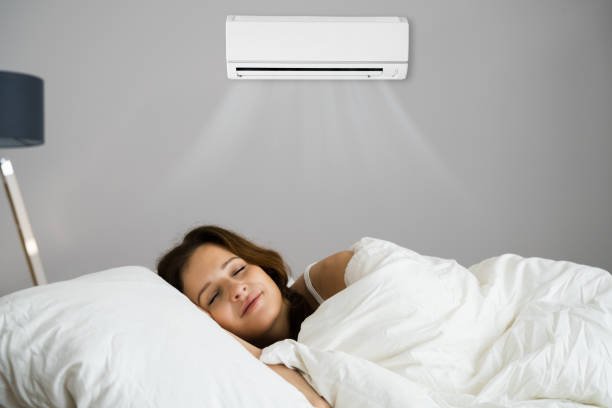
A mini split not cooling can happen when the airflow path is blocked. If a bed headboard, tall dresser, curtain, or shelving is too close to the indoor unit, air cannot circulate properly. Make sure the unit has clear space in front and below for airflow to travel across the room.
Easy Fixes
- Move furniture away from the indoor unit’s airflow path
- Keep curtains from covering the unit
- Open interior doors if you are trying to cool adjacent areas
When The Outdoor Unit Is The Problem
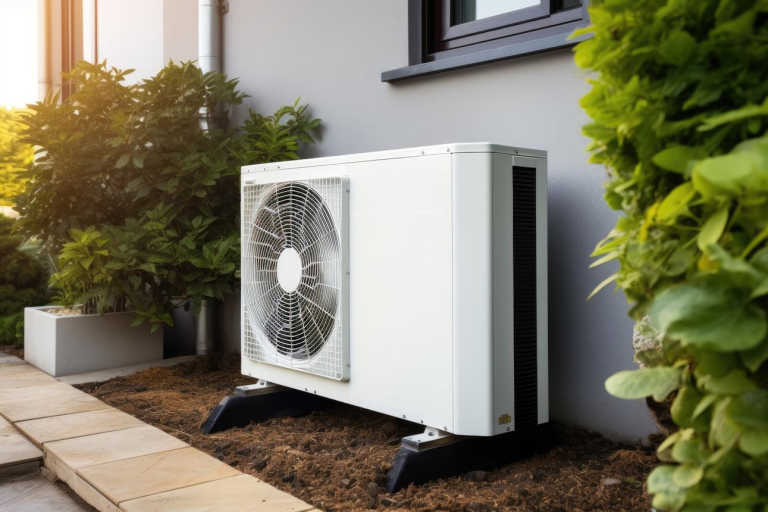
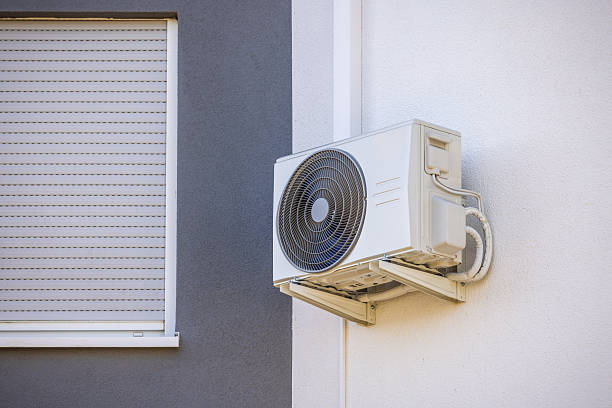
If the indoor unit seems to run but the room never cools, the outdoor unit may not be rejecting heat properly. A mini split is a heat transfer system. In cooling mode, it pulls heat from inside and dumps it outside. If the outdoor unit cannot move heat out, your mini split not cooling issue will show up indoors.
Outdoor units are exposed to debris, weeds, snow, and dust. They also rely on good airflow through the coil. A blocked outdoor coil or a fan that is not running can reduce cooling performance dramatically. Start with a visual check and safe cleaning steps, then call a professional if you suspect electrical or mechanical faults.
Outdoor Coil Blocked Or Dirty
Look for leaves, cottonwood fluff, grass clippings, or dirt buildup on the outdoor coil. Keep at least a couple of feet of clearance around the unit. If the coil is dirty, you can gently clean it with a soft brush and low pressure water from the outside, avoiding high pressure sprays that can bend fins.
What You Might Notice
- Outdoor unit runs hot and loud
- Fan seems weak or intermittent
- Cooling works briefly then fades
- Mini split not cooling is worse on hot afternoons
Outdoor Fan Not Running Or Running Oddly
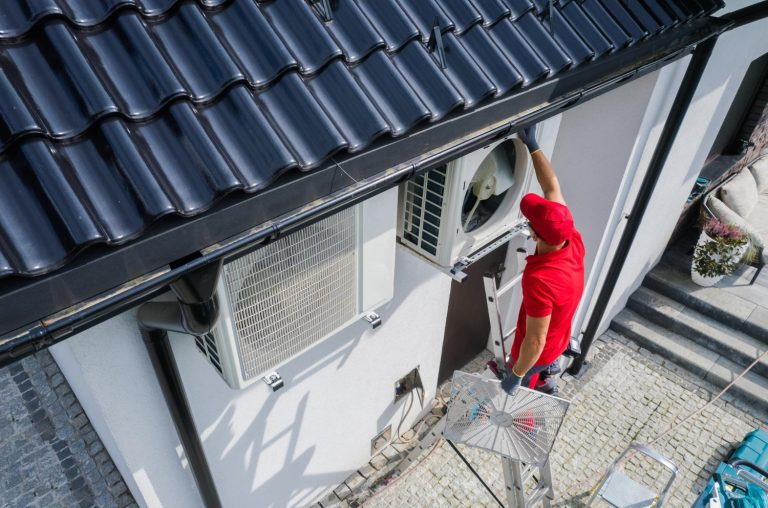
If the outdoor fan is not running, heat cannot be expelled efficiently. You may hear the compressor, but the unit will struggle. This can be caused by a failed capacitor, motor issue, or control problem. At this point, professional service is the safest option.
Icing And Frozen Coils: A Common Mini Split Not Cooling Scenario
A frozen indoor coil is one of the clearest reasons a mini split not cooling happens. When the coil freezes, airflow drops, heat transfer stops, and the system may blow lukewarm air. Icing is often a symptom of another problem, usually low airflow, dirty filters, or refrigerant issues.
If you see ice on the indoor unit coil or notice water dripping after thawing, do not keep forcing cooling. Turn the system off, set it to fan mode, and allow it to thaw fully. Then address airflow and filter issues before restarting cooling. If icing returns quickly, you likely need professional diagnosis.
What Causes Indoor Coil Freeze Up
Coils can freeze when airflow is low or when refrigerant pressure is not in the correct range. Dirty filters and blocked indoor airflow are common causes. Low refrigerant charge due to a leak can also cause icing and a mini split not cooling complaint.
Signs Of Icing
- Visible frost or ice on the indoor unit coil
- Very weak airflow
- Gurgling sounds near the indoor unit
- Cooling works for a short time then stops
What To Do If You See Ice
Let the system thaw completely. Check and clean filters. Confirm indoor unit is not blocked. If you restart and the mini split not cooling issue returns with ice, stop and schedule service. Continuing to run a freezing system can lead to water damage and additional component stress.
Thermostat And Sensor Issues That Lead To Poor Cooling
Mini splits do not use a typical wall thermostat in many setups. They often rely on sensors in the indoor unit or remote control logic to determine room temperature. If the sensor location is affected by sunlight, electronics heat, or poor air mixing, the unit may think the room is cooler than it really is. That can make it cycle down and create a mini split not cooling complaint.
Sensor related issues are especially common in bedrooms where curtains block airflow or where the indoor unit is placed close to a heat source. Fixing airflow and placement problems often solves the issue. In some systems, adding or adjusting a remote sensor or changing settings can improve accuracy.
Check For Heat Sources Near The Indoor Unit
TVs, lamps, chargers, and direct sunlight can affect temperature sensing. If the indoor unit is near a heat source, it may run longer than necessary or behave inconsistently. If it is in a dead air corner, it may stop early, leading to mini split not cooling complaints in the rest of the room.
Use Fan Auto And Swing For Better Air Mixing
Auto fan and swing can help distribute air, reducing temperature stratification. Better mixing helps the sensor read a more accurate average room temperature, which can reduce mini split not cooling issues caused by premature ramp down.
Drain And Moisture Issues That Can Affect Cooling
While a clogged drain does not directly stop cooling the way a refrigerant problem might, it can still create system issues, error codes, and shutdowns depending on the model. A mini split not cooling can sometimes be linked to a safety switch or sensor that detects abnormal water levels.
If you notice water dripping indoors, unusual damp smells, or visible condensation problems, it is worth checking the drain line condition. Some homeowners can clear minor drain clogs, but if you are unsure, professional service prevents damage.
Signs Of A Drain Related Problem
- Water dripping from the indoor unit
- Musty odors near the unit
- Unit shuts down and shows an error code
- Mini split not cooling begins after heavy humidity days
Safe First Step
Turn the system off, check for obvious drain line kinks or blockages, and confirm the indoor unit is level. If the issue continues, schedule a service visit to avoid water damage.
Refrigerant And Leak Problems
If you have cleaned filters, confirmed settings, ensured airflow, and the mini split not cooling persists, refrigerant issues become more likely. Refrigerant does not get “used up” in normal operation. If charge is low, it usually means there is a leak. Low refrigerant can cause weak cooling, icing, and poor system performance.
Refrigerant diagnosis and repair should be handled by certified professionals. It involves pressure testing, leak detection, evacuation, and proper recharging. If the system is leaking, simply topping it up without repairing the leak will not solve the mini split not cooling problem for long.
Common Symptoms Of Low Refrigerant
- Cooling performance gradually worsens over weeks or months
- Indoor coil icing returns even after cleaning filters
- Unit runs longer without reaching set temperature
- Hissing or bubbling sounds near line connections
Why Professional Service Matters Here
Refrigerant work requires the right tools, training, and compliance. In Canada, handling refrigerants is regulated, and proper procedures protect both performance and the environment. If you suspect refrigerant issues, it is time to call Go Ductless Inc. for a proper diagnosis.
Electrical And Control Problems
Sometimes a mini split not cooling is caused by electrical faults, control board issues, or communication problems between the indoor and outdoor units. These can happen after surges, storms, or aging components. If the indoor unit runs but the outdoor unit never starts, or if you see blinking lights and error codes, electrical or control issues may be involved.
Before you reset breakers repeatedly, check the manual for error code meaning. If you do not have the manual, take a photo of the display or blinking pattern. A technician can often diagnose faster with that information. For safety, avoid opening electrical panels.
Common Control Symptoms
- Outdoor unit does not start at all
- Error codes on the indoor display
- Unit turns on and off unexpectedly
- Mini split not cooling after a lightning storm or surge
Resetting Safely
A single power reset can be reasonable. Turn the unit off, wait a few minutes, then turn it back on. If the problem repeats, do not keep cycling power, because repeated resets can stress components.
Mini Split Not Cooling In Only One Room
If you have a multi zone system and only one indoor unit has a mini split not cooling issue, the problem may be isolated to that head: airflow restriction, sensor issue, or a localized drain or coil problem. It can also be a balance issue where other zones are dominating capacity.
Multi zone systems share outdoor capacity. If multiple rooms demand cooling simultaneously, the system distributes output. If one room has a blocked filter or poor airflow, it may feel like the mini split not cooling even though the system is working. Checking each indoor unit filter and airflow is important in multi zone setups.
Zone Balance Checklist
- Clean filters on all heads, not just the warm room
- Confirm each head is on Cool mode, not Fan
- Avoid extreme setpoints in one zone that steal capacity
- Keep doors open for airflow if that fits your comfort goal
When Professional Balancing Helps
If you regularly feel one room is undercooled, the system may need a design adjustment, placement change, or capacity review. This is where a professional assessment can improve long term comfort.
Mini Split Not Cooling Causes People Miss
Here is a random list of issues that often cause a mini split not cooling complaint, even when the system is not “broken.”
- Remote batteries low and commands not sent correctly
- Unit set to Dry mode instead of Cool mode
- Outdoor unit blocked by weeds or stored items
- Indoor filter looks clean but is clogged with fine dust
- Indoor coil begins to ice due to low airflow
- Curtains pulled over the indoor unit intake
- Ceiling fan pushing air in a way that confuses temperature sensing
- Doors closed and the conditioned air cannot circulate as expected
When To Stop Troubleshooting And Call A Professional
It is smart to do basic checks, but it is also smart to know when to stop. If you see ice repeatedly, suspect refrigerant issues, see electrical error codes, or the outdoor unit is not running correctly, professional service is the safest and fastest path to real results. A technician can measure pressures, superheat, subcooling, electrical values, and airflow to pinpoint why the mini split not cooling problem is happening.
If you are looking for long term reliability, professional maintenance also helps prevent many of these issues. Regular cleaning, coil inspection, drain checks, and performance testing can keep your system efficient and reduce surprise breakdowns during peak heat.
Safety First
Avoid DIY refrigerant handling, avoid opening electrical compartments, and avoid aggressive coil cleaning methods. A careful approach protects your equipment and your home.
Why Choose Go Ductless Inc.
When you have a mini split not cooling, you want a clear answer, not guesses. Go Ductless Inc. specializes in diagnosing ductless performance issues and restoring comfort with the right fix the first time. We start with the fundamentals: airflow, settings, coil condition, and system operation. Then we move to deeper diagnostics like refrigerant performance and electrical communication checks. This process helps identify whether the issue is maintenance related, installation related, or a component fault.
We also help homeowners choose the right ductless setup to prevent future issues. If your home needs better zoning or improved comfort balance, we can recommend solutions like a dedicated Mini Split for problem areas, a Ductless Heat Pump plan for year round control, or equipment options such as Mitsubishi Electric M-Series for homeowners focused on quiet operation and performance. If your main need is cooling comfort, Ductless Air Conditioning design and placement can make a huge difference in how well the system performs during the hottest weeks.
Two Helpful Canadian Government Or Educational Resources
- Natural Resources Canada explains heat pump basics and how these systems move heat, which can help homeowners understand what is happening when performance changes.
- Health Canada shares guidance on improving indoor air quality in your home, including ventilation considerations that matter when using mechanical cooling.
Get Fast Help For A Mini Split Not Cooling From Go Ductless Inc.
A mini split not cooling does not always mean a major repair. Many cooling issues come down to mode settings, dirty filters, blocked airflow, or outdoor unit restrictions. Start with the fast checks, confirm airflow is strong, and watch for signs of icing. If the problem persists, especially if the outdoor unit is not operating correctly, it is time for professional diagnosis.
If your mini split not cooling problem is affecting comfort in Toronto or the GTA, contact Go Ductless Inc. We can troubleshoot the system safely, identify the real cause, and recommend the best next steps, whether that is a targeted repair, a maintenance reset, or a system improvement like better zoning with a Mini Split, year round comfort with a Ductless Heat Pump, or upgraded performance options like Mitsubishi Electric M-Series.
Frequently Asked Questions
- What should I check first if my mini split not cooling starts suddenly?
Confirm Cool mode, lower the set temperature, and check the filter. - Can a dirty filter cause a mini split not cooling problem?
Yes, clogged filters restrict airflow and reduce cooling. - Why is my mini split not cooling but the fan is running?
It may be the wrong mode, an outdoor unit issue, or low airflow. - Does ice on the indoor unit mean mini split not cooling will get worse?
Yes, ice blocks heat transfer and cooling drops fast. - How do I know if low refrigerant is causing mini split not cooling?
Cooling weakens over time and icing may return repeatedly. - Can outdoor debris cause mini split not cooling during heat waves?
Yes, blocked outdoor airflow prevents the system from dumping heat. - When should I call a technician for mini split not cooling?
If basic checks fail, error codes show, or icing keeps coming back.