If you live in a Toronto semi-detached, you already know the sound math is different. A neighbour is only a wall away, backyards are tight, and outdoor equipment often ends up close to a bedroom window or a shared fence. That is why quiet air conditioning Toronto homeowners choose is not just about comfort, it is about choosing equipment and an install plan that respects the whole block.
At Go Ductless Inc., we help homeowners compare realistic quiet air conditioning Toronto options that fit semi-detached layouts, from ductless mini splits to variable-speed central systems. This guide breaks down what makes an AC system sound “quiet,” where noise usually comes from, and how to plan a setup that stays calm at night, even during peak summer heat.
Why Semi-Detached Homes In Toronto Need Quieter Cooling
Semi-detached homes amplify small noise problems because outdoor space is limited and sound reflects off fences, brick, and neighbouring walls. Even a “normal” unit can feel loud when it is placed in a narrow side yard, directly under a bedroom window, or close to the neighbour’s patio seating. For quiet air conditioning Toronto homeowners want, the goal is steady comfort with fewer spikes in sound, especially at night when ambient city noise drops.
Another factor is how people actually use semi-detached homes. Bedrooms are often on the second floor, home offices are common, and many families rely on open windows at night when the system is noisy. A smart plan for quiet air conditioning Toronto setups considers where the sound travels, how the unit cycles, and how vibration moves through walls and framing.
Common Noise Sources In AC Systems
Most complaint-level noise comes from one of three places: the compressor ramping up, the fan moving air too aggressively, or vibration transferring into brackets, siding, or framing. A system that cycles hard on and off can sound “bursty,” while a variable-speed system tends to sound smoother because it runs more steadily at lower output.
How Sound Travels In Semi-Detached Construction
In semi-detached homes, vibration can travel through mounting points and resonate through shared structural elements. Sound also bounces between close surfaces in side yards and backyards. That is why placement and mounting matter as much as the equipment brand when planning quiet air conditioning Toronto installations.
What Quiet Really Means In Decibels For Home Comfort
“Quiet” can be misleading, so it helps to think in ranges. Outdoor units are often rated in decibels, and a difference of even a few dB can be noticeable in real life depending on where the unit sits. For quiet air conditioning Toronto semi-detached neighbourhoods, the best results usually come from combining a lower sound rating with an install plan that prevents vibration and reduces direct line-of-sight noise to windows and patios.
Indoor sound matters too, especially for bedrooms and nurseries. A system can be “quiet” outside but still feel disruptive inside if airflow is poorly designed, supply vents whistle, or the indoor fan has to run at high speed to overcome a bad layout. Quiet air conditioning Toronto choices should be evaluated as a whole system, not just a brochure number.
Understanding Outdoor Unit Ratings
Outdoor ratings are a helpful starting point, but they are not the full story. A quiet-rated unit can still sound louder if it is installed on a resonant bracket, placed in a tight corner that reflects noise, or forced to run at higher output because the system is undersized or poorly zoned.
Indoor Sound Levels That Feel Comfortable At Night
Indoor comfort is about steady airflow without “rush” noise. When indoor units are sized and placed well, they can run at lower fan speeds more often. That is a key reason ductless options are popular for quiet air conditioning Toronto homes, since they can target rooms precisely and avoid overworking a single blower.
Best Quiet Air Conditioning Options For Toronto Semi-Detached Homes
Most homeowners want two things at the same time: strong cooling on heat-wave days and low noise the rest of the summer. The best quiet air conditioning Toronto solutions usually have variable-speed operation, good zoning, and installation flexibility for tight lots. Choosing the right option depends on your layout, your insulation, and whether you want whole-home cooling or targeted comfort for key rooms.
To keep things practical, focus on how your home is used. If upstairs bedrooms are the problem, a ductless approach may be the quiet air conditioning Toronto answer that solves the issue fastest with the least disruption. If you want full-house cooling and already have ductwork, a variable-speed central system may be a better fit, especially with sound controls and careful placement.
Ductless Mini Split Systems For Zoned Quiet
Ductless mini splits are one of the most reliable paths to quiet air conditioning Toronto homeowners request because they cool rooms directly without pushing air through long duct runs. Many systems ramp output smoothly, so they avoid loud start-stop cycling. They also give you zone control, which means you can cool bedrooms at night without blasting the whole home.
Where Ductless Works Best In Semi-Detached Homes
Ductless is especially effective for second-floor bedrooms, third-floor lofts, finished basements, and home offices. It is also a smart option when adding ductwork is expensive or disruptive. For quiet air conditioning Toronto semi-detached layouts, ductless also helps because the outdoor unit can often be placed more strategically than a traditional central AC condenser.
Variable-Speed Central Air With Sound Control
If your home already has ductwork and you want whole-home coverage, a variable-speed central air system can still be a strong quiet air conditioning Toronto option. The key is selecting equipment that runs smoothly at partial load and pairing it with good duct design, proper sizing, and low-noise airflow strategies.
When Central Air Makes Sense In Toronto Semis
Central air is often best when the duct system is in good shape and can deliver balanced airflow to the second floor. If your ductwork is undersized or leaky, the system may need higher fan speeds to compensate, which can increase sound. A smart assessment can tell you whether central is truly the best quiet air conditioning Toronto path for your home.
Heat Pump Air Conditioning For Summer Comfort
Many homeowners consider heat pumps primarily for heating, but they are also effective air conditioners. In summer, a heat pump behaves like an AC system, and many models are designed for steady, efficient operation. That makes heat pumps a practical quiet air conditioning Toronto choice when you want one system that can cool well and support shoulder-season heating.
Cold-Climate Considerations Without Overpromising
If you are comparing models, focus on cooling performance, part-load operation, and how the system handles humid Toronto summer days. A good design also keeps sound in check by preventing the system from running at maximum output too often, which is where noise typically increases.
Installation Details That Make Or Break Quiet Performance
The quietest equipment can still disappoint if the installation is rushed or poorly planned. In semi-detached homes, small placement decisions have a big impact, like whether the outdoor unit is aimed toward a bedroom window, mounted on a resonant surface, or jammed into a corner. For quiet air conditioning Toronto families, installation details are often the difference between “barely noticeable” and “why is it humming all night?”
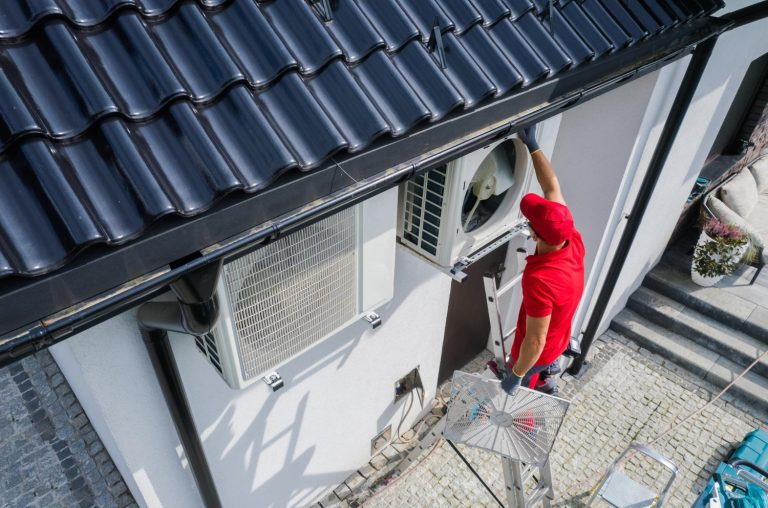
A quality plan includes where the outdoor unit sits, how the lines are routed, how vibration is isolated, and how airflow is balanced inside. Go Ductless Inc. approaches quiet air conditioning Toronto installs with a checklist mindset because sound complaints are usually preventable when you plan for them upfront.
Outdoor Unit Placement Strategies
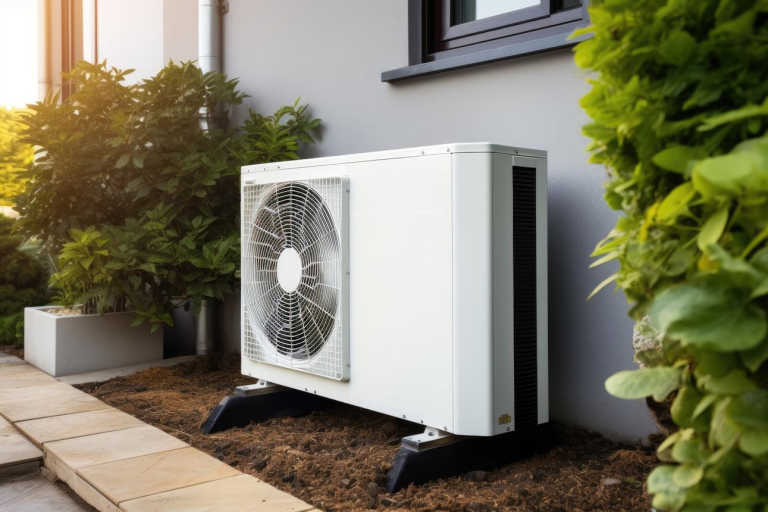
Placement matters more than most homeowners realize. A few feet can change how noise travels. The goal is to avoid direct line-of-sight to bedroom windows, keep distance from fences that reflect sound, and choose a stable base that does not amplify vibration.
Line Set Routing And Vibration Isolation
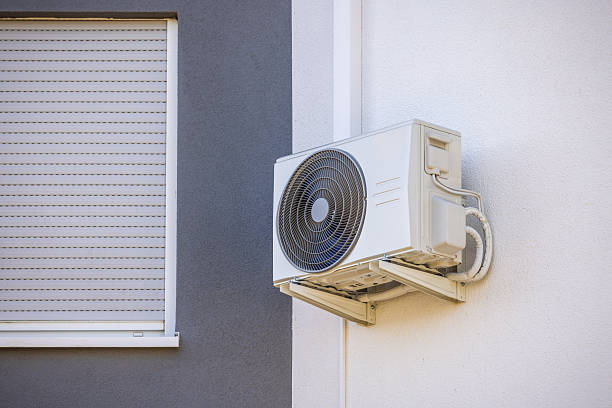
Vibration can transfer through brackets, fasteners, and even line sets when they are pulled tight or strapped poorly. Proper isolation pads, clean routing, and secure mounting reduce buzzing and rattles. These details are especially important for quiet air conditioning Toronto semi-detached installations where the neighbour may hear the same vibration you do.
Electrical And Controls Setup For Smooth Operation
Modern systems rely on controls and sensors for smooth operation. Clean wiring, correct commissioning, and proper settings help the system ramp up gently and avoid unnecessary cycling. This supports both efficiency and quieter performance over time.
Toronto Neighborhood Factors That Affect Noise Choices
Toronto semi-detached neighbourhoods often have narrow side yards, mature trees, and small backyards used for entertaining. That means the same unit can feel “quiet” on a wide lot but noticeable on a tighter one. Quiet air conditioning Toronto planning should consider the exact layout of your property, not just your square footage.
It also helps to think about timing. Many noise concerns happen late at night when people are sleeping and windows are open. A good quiet air conditioning Toronto setup focuses on night comfort in second-floor bedrooms, because that is where sound sensitivity is highest.
Lot Lines, Side Yards, And Tight Backyards
Side-yard placement is common, but it can echo. A stable pad, smart orientation, and avoiding hard corners helps reduce reflection. If you have a shared driveway or a very tight side yard, this is where ductless zoning can shine because you may have more placement flexibility.
Shared Walls And Neighbor Expectations
Semi-detached living is neighbour-aware by default. Choosing quiet equipment and installing it cleanly helps maintain comfort and peace. A practical approach is to prioritize low-cycling systems and good placement, which are central to quiet air conditioning Toronto success.
Quiet Cooling Checklist For Semi-Detached Toronto Homes
Most homeowners want a simple way to compare options without getting lost in specs. A good quiet air conditioning Toronto decision comes down to equipment type, system sizing, placement, and airflow strategy. If one of these is off, the system may cool well but still feel noisy or uneven.
Before you choose, take a few minutes to think through your pain points. Are you mostly trying to quiet a bedroom? Do you need whole-home cooling? Is the outdoor unit likely to be near a neighbour’s patio or near your own bedroom window? These answers guide you toward the right quiet air conditioning Toronto solution.
- Choose variable-speed or inverter-driven equipment when possible
- Avoid oversizing, which can increase cycling and noise
- Plan outdoor placement away from bedrooms and reflective corners
- Use vibration isolation on pads and mounting points
- Confirm airflow design for second-floor bedrooms
- Consider ductless zoning for targeted night comfort
- Ask about commissioning and sound-check steps after install
- Plan routine filter care and seasonal checkups
- Confirm energy-efficiency guidance for cooling selection
- Follow maintenance best practices for heating and cooling equipment
Maintenance Habits That Keep Systems Quiet In Summer
Noise often increases when systems are dirty, out of balance, or forced to work harder than necessary. Filters clog, coils collect debris, and fans can become louder when airflow is restricted. If you want quiet air conditioning Toronto performance to stay consistent, maintenance is not optional, it is part of owning the system.
A well-maintained system also runs more efficiently. That usually means it can meet demand at lower output, which is typically quieter. For quiet air conditioning Toronto semi-detached homes, maintenance also helps prevent rattles and vibration that can travel through tight side yards and shared structures.
Simple Owner Tasks That Make A Difference
Keep filters clean, make sure indoor airflow paths are not blocked, and keep the outdoor unit clear of leaves and debris. These small tasks reduce strain and help the system run smoothly, which supports quiet air conditioning Toronto comfort through heat waves.
When To Call For Professional Service
If you hear new buzzing, grinding, or sudden cycling changes, it is worth getting it checked. Small issues like loose panels or vibration points can often be corrected quickly. Seasonal servicing also supports long-term reliability and steady comfort.
Why Choose Go Ductless Inc.
Go Ductless Inc. focuses on ductless and modern HVAC solutions designed for real Toronto homes. We understand the specific challenges of semi-detached neighbourhoods, tight lots, and bedroom-focused comfort, and we plan systems with sound, airflow, and placement in mind. If you are searching for quiet air conditioning Toronto homeowners can truly live with, our process is built around practical decisions and clean workmanship.
We also keep your experience simple. Clear recommendations, tidy installation standards, careful commissioning, and honest guidance are part of every project. The goal is quiet air conditioning Toronto comfort that feels effortless, not a system that needs constant tweaking.
Quiet-Focused Design And Sizing
We prioritize correct sizing and zoning so your system does not have to work at maximum output all the time. That supports both comfort and quieter operation, especially at night in second-floor bedrooms.
Clean Installation Standards For Semi-Detached Homes
From line routing to vibration isolation, details matter. Our team installs with care so you get a neat finished look and fewer noise-related issues over time. This is a major reason homeowners choose Go Ductless Inc. for quiet air conditioning Toronto installs.
Support After Installation
We do not disappear after install day. We explain controls, settings, and basic care, and we can recommend maintenance planning that keeps your system quiet and efficient season after season.
Get Quiet Air Conditioning In Toronto That Fits Your Home
If you want quiet air conditioning Toronto comfort in a semi-detached neighbourhood, start with a plan that respects your layout and your night-time needs. The right system can cool better, sound calmer, and avoid the start-stop noise that frustrates families during summer heat waves.
Go Ductless Inc. can help you compare ductless, central, and heat pump options, then design an install plan built for quiet operation. Book an estimate, tell us which rooms bother you most, and we will recommend a path to quiet air conditioning Toronto homeowners can feel good about.
Frequently Asked Questions
-
What is the quietest option for quiet air conditioning Toronto semi-detached homes?
Ductless mini splits are often the best quiet air conditioning Toronto option because they provide zoned cooling and smooth variable-speed operation. -
Can central air be quiet air conditioning Toronto homeowners are happy with?
Yes, if it is correctly sized, uses variable-speed equipment, and has good duct design and outdoor placement. -
Where should the outdoor unit go for quiet air conditioning Toronto properties?
Place it away from bedroom windows and reflective corners when possible, and use a stable base with vibration isolation. -
Does oversizing affect quiet air conditioning Toronto performance?
Yes, oversizing can increase cycling and create louder start-stop sound, so correct sizing is key. -
How do I keep quiet air conditioning Toronto systems quiet over time?
Clean filters, keep the outdoor unit clear, and schedule seasonal checkups to prevent airflow restriction and vibration issues. -
Are heat pumps a good quiet air conditioning Toronto choice in summer?
Yes, many heat pumps provide efficient cooling with smooth operation, making them a strong quiet air conditioning Toronto option. -
How many times should I hear my system start and stop for quiet air conditioning Toronto comfort?
Less is usually better. Variable-speed systems run longer at lower output, which supports quiet air conditioning Toronto comfort with fewer noticeable cycles.