Homeowners across Canada are rethinking comfort systems, and a mini split HVAC upgrade is quickly becoming one of the most popular choices. The reasons are practical: better room by room comfort, improved efficiency, fewer renovation headaches, and more flexibility for homes that never cool evenly. At Go Ductless Inc., we see this trend every week in Toronto and the GTA, especially in homes with hot upstairs bedrooms, finished basements, additions, and older layouts where central ducts are not ideal.
This guide breaks down the top reasons people choose a mini split HVAC upgrade, what you should expect in real homes, and how to decide if ductless is right for your space. You will also see the most common planning mistakes to avoid, plus a simple checklist to help you prepare for quotes and installation.
Why A Mini Split HVAC Upgrade Is Surging In Canada
A mini split HVAC upgrade is popular because it solves the problems that make homeowners unhappy with traditional setups: uneven temperatures, noisy operation, and wasted energy cooling rooms nobody is using. Ductless systems use inverter technology, which means they can ramp output up and down instead of blasting at one speed. That helps many homes maintain steadier temperatures and better humidity control with fewer comfort swings.
Another reason a mini split HVAC upgrade is surging is that homeowners want solutions that fit real life homes. Many Canadian homes either do not have ducts, have older ductwork that does not deliver balanced airflow, or have new spaces like basement suites and additions that the original system was never designed to handle. A mini split HVAC upgrade can target the rooms that matter most without turning the project into a full renovation.
How Ductless Heating And Cooling Actually Works
Ductless systems are typically heat pumps, meaning they move heat instead of creating it. That is why a mini split HVAC upgrade can provide both cooling in summer and heating in winter. Natural Resources Canada explains how heat pumps transfer heat and why they are used for efficient heating and cooling.
Reason 1: Room By Room Comfort And True Zoning
The biggest reason homeowners choose a mini split HVAC upgrade is zoning. With central systems, one thermostat often controls the entire home, and that rarely matches real comfort needs. Bedrooms may be too warm at night, the living room may be too cool during the day, and the basement may feel damp and chilly. A mini split HVAC upgrade lets you set temperatures by zone, so each key area can stay comfortable without fighting the rest of the house.
Zoning also helps families with different comfort preferences. One person likes a cooler bedroom for sleeping, while another wants a warmer home office. Instead of constant thermostat adjustments, a mini split HVAC upgrade gives each zone its own control. That means fewer comfort complaints, fewer fans running all day, and more stable temperature from room to room.
What “Zone” Really Means In Daily Use
In a mini split HVAC upgrade, a zone usually means one indoor unit serving one room or one connected open area. If doors are usually closed, the room behaves like its own comfort box, and a dedicated zone often provides the best results.
Reason 2: Better Efficiency And Less Wasted Cooling
Homeowners often switch because a mini split HVAC upgrade can reduce wasted cooling. Central systems cool the whole house at once unless you invest in advanced duct zoning, and even then duct leakage and poor return pathways can waste energy. With ductless, you can cool only the areas you are using, which can be especially helpful for households that spend most of their time on one floor or in a few rooms.
Efficiency is also supported by inverter driven operation. Instead of cycling hard on and off, the system can maintain comfort with a lower, steadier output. Many homeowners notice that a mini split HVAC upgrade feels more consistent because the system is not constantly starting and stopping at full blast. The best results still come from correct sizing and placement, but the design naturally supports efficient operation when installed properly.
How To Think About Energy Use In Canada
Energy use is measured in kilowatt-hours, and your bill is based on kWh. Natural Resources Canada provides a helpful overview of electricity basics and how energy use is measured, which can help homeowners understand operating cost.
Reason 3: Easy Install In Homes Without Ductwork
Many Canadian homes use radiators, boilers, baseboards, or other systems that do not rely on ductwork. Adding ducts for central air can be expensive, disruptive, and not always practical. A mini split HVAC upgrade is often a cleaner option because it delivers cooling and heating to key areas without opening walls and ceilings for duct runs.
Even in homes that do have ducts, the ductwork may not be sized or balanced for modern comfort expectations. Additions, basement renovations, and attic conversions often strain older duct systems. A mini split HVAC upgrade can support these spaces directly, giving them independent comfort control without overloading the original system.
When A Targeted Install Makes More Sense Than Whole Home
A mini split HVAC upgrade can start with the rooms you care about most, such as the main living area, the warmest upstairs bedroom, or a basement family room. Many homeowners prefer this approach because it delivers noticeable comfort improvements without committing to a full home redesign on day one.
Reason 4: Better Comfort In Bedrooms, Basements, And Additions
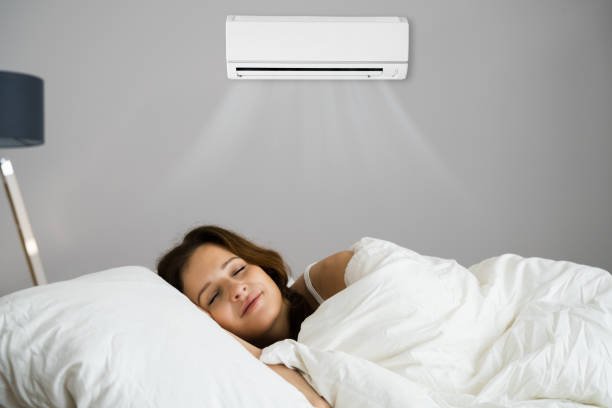
Bedrooms are one of the strongest reasons homeowners choose a mini split HVAC upgrade. Sleeping comfort is sensitive to drafts, humidity, and temperature swings, and many homes struggle with hot upstairs rooms. With a ductless zone, you can keep the bedroom comfortable without overcooling the entire house. You can also fine tune airflow so the unit does not blow directly at the bed, which improves comfort at night.
Basements and additions are another common driver. Basements can feel damp in summer and chilly in shoulder seasons, while additions often run hotter or colder than the rest of the home because insulation and window exposure differ. A mini split HVAC upgrade provides a direct way to manage those unique spaces. This is also where service planning matters, and it is natural to connect solutions like Mini Split, Ductless Air Conditioning, and Ductless Heat Pump when you build a ductless plan around your home’s layout.
Why Airflow And Placement Matter So Much
Even the best mini split HVAC upgrade can feel underwhelming if indoor units are placed where airflow is blocked by furniture, curtains, or tight corners. Correct placement helps the zone cool evenly, reduces drafts, and keeps fan speeds lower for quieter operation.
Reason 5: One System For Heating And Cooling
A mini split HVAC upgrade is often chosen because it can deliver both heating and cooling in one system. Many homeowners like the simplicity of one comfort platform that handles summer heat and supports winter warmth, especially for rooms where the existing heating is weak or expensive to run. Ductless heat pumps can be a strong option for improving comfort without adding separate equipment for each season.
In many homes, a mini split HVAC upgrade is used as the primary comfort source for key zones while existing heat remains as backup. This hybrid approach is common because it improves comfort immediately and can reduce reliance on less efficient heating methods. The best plan depends on your home’s insulation, layout, and how cold it gets in your area, but the flexibility is a big reason so many homeowners are switching.
What To Expect In Cold Weather
A mini split HVAC upgrade can heat well in winter when the system is designed for the load and the equipment is suited for colder temperatures. Performance changes as temperatures drop, which is why proper sizing and realistic planning are essential for winter comfort.
Signs You Are Ready For A Mini Split HVAC Upgrade
Many homeowners decide based on everyday pain points, not technical specs. A mini split HVAC upgrade often makes sense when these situations show up repeatedly. If several of these describe your home, it is worth getting a ductless assessment.
- Upstairs bedrooms are always hotter than the main floor in summer
- One room never feels comfortable, no matter what you set the thermostat to
- Your basement feels damp or chilly compared to the rest of the home
- You rely on fans to move air from one room to another
- You have an addition, attic conversion, or finished space the main system struggles with
- Your home does not have ductwork and you want efficient cooling
- Family members constantly argue about thermostat settings
- You want a comfort upgrade without a full renovation project
How To Plan A Mini Split HVAC Upgrade The Right Way
The smartest way to approach a mini split HVAC upgrade is to plan zones based on how your home is used. Start with your daily spaces: main living area, primary bedroom, key secondary bedrooms, and any work from home zones. Then identify problem rooms, such as a sun exposed bedroom, a room over the garage, or a basement space you use often. This helps you build a zone plan that delivers comfort where it matters most.
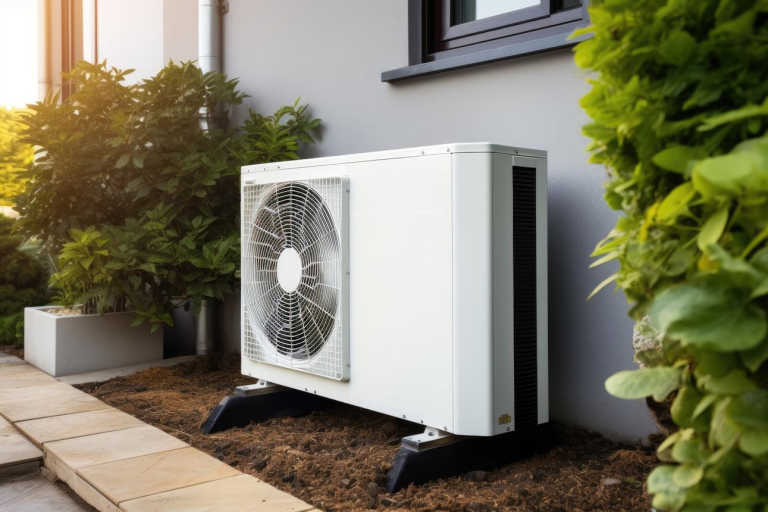
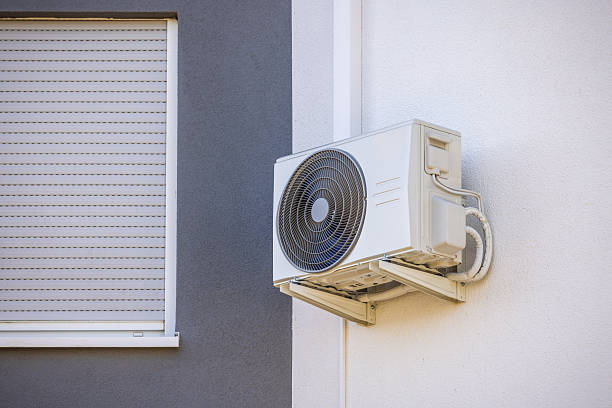
The second step is to design for airflow and installation practicality. Indoor units should have clear airflow paths, and drain routing must be reliable. Outdoor unit placement should allow good airflow and avoid nuisance noise near bedrooms when possible. A mini split HVAC upgrade performs best when sizing is based on real heat gain and heat loss, not guesswork. That is why working with a ductless focused contractor makes a difference.
The Service Pages That Fit This Topic Naturally
When you publish content and want internal links that match search intent, a mini split HVAC upgrade topic naturally connects to Mini Split for zone based solutions, Ductless Heat Pump for year round comfort planning, Ductless Air Conditioning for cooling focused upgrades, and Mitsubishi Electric M-Series for homeowners comparing premium brand pathways.
Why Choose Go Ductless Inc.
A mini split HVAC upgrade is not just buying equipment, it is designing comfort for your home’s layout. Go Ductless Inc. focuses on ductless systems across Toronto and the GTA, and we build plans around real zone needs, door habits, and common Canadian comfort issues like hot upstairs rooms and basement humidity. We prioritize correct sizing, smart indoor unit placement, clean line routing, and commissioning so your system performs the way it should.
We also help homeowners choose the right path based on their goals. Some people want targeted Mini Split zones for the rooms that matter most. Others want a full Ductless Heat Pump plan for heating and cooling. Many homeowners want cooling focused Ductless Air Conditioning, and some want premium options like Mitsubishi Electric M-Series. No matter the path, our goal is to make your mini split HVAC upgrade feel quiet, consistent, and easy to live with.
Two Helpful Canadian Government Links
- Natural Resources Canada Heat Pump Basics.
- Natural Resources Canada Electricity Basics.
Ready For A Mini Split HVAC Upgrade? Contact Go Ductless Inc.
Homeowners are switching because a mini split HVAC upgrade solves real comfort problems with practical benefits: zoning, steadier performance, less wasted cooling, and easier installation in homes where ducts are not ideal. Whether your goal is better bedroom comfort, improved basement control, a solution for an addition, or a more flexible heating and cooling plan, ductless can be a strong option when it is designed correctly.
If you are in Toronto or the GTA and considering a mini split HVAC upgrade, contact Go Ductless Inc. We can assess your layout, recommend the right zone plan, and help you choose the best system pathway, whether that is Mini Split zoning, Ductless Air Conditioning, a year round Ductless Heat Pump plan, or premium equipment options like Mitsubishi Electric M-Series.
Frequently Asked Questions
- What is a mini split HVAC upgrade and why do homeowners choose it?
A mini split HVAC upgrade replaces or supplements existing heating and cooling with ductless zones that deliver room by room comfort control. - Can a mini split HVAC upgrade reduce my electricity use?
A mini split HVAC upgrade can reduce wasted cooling through zoning, especially if you only condition the rooms you use most. - Is a mini split HVAC upgrade good for homes without ductwork?
Yes, a mini split HVAC upgrade is often ideal for homes without ductwork because it avoids major renovation work to add ducts. - How many zones should a mini split HVAC upgrade include?
A mini split HVAC upgrade should include enough zones to cover closed door bedrooms, key living areas, and problem rooms like basements or additions. - Will a mini split HVAC upgrade help with hot upstairs bedrooms?
Yes, a mini split HVAC upgrade can directly cool upstairs bedrooms with dedicated zones instead of relying on weak duct airflow. - Can a mini split HVAC upgrade provide heating in winter too?
Many systems are heat pumps, so a mini split HVAC upgrade can provide heating and cooling, and NRCan explains heat pump operation. - When should I call Go Ductless Inc. about a mini split HVAC upgrade?
Call when you want a zone plan based on your layout and comfort issues, especially if you have uneven temperatures, closed door rooms, or an addition that never feels right.