Installing a ductless mini split isn’t just about buying a heating and cooling system—it’s about understanding every cost that goes into a professional installation. Many homeowners request a quote expecting one price, only to discover additional charges for electrical work, mounting brackets, condensate pumps, permits, or longer refrigerant lines.
That doesn’t mean contractors are being misleading. Every home is different, and installation costs depend on far more than the indoor and outdoor units.
This guide breaks down the ductless mini split installation cost in Canada for 2026 so you know exactly what you’re paying for before requesting estimates. Whether you’re comparing ductless mini split Toronto installers or planning to replace an aging air conditioner, this pricing guide will help you budget confidently.
What Does a Mini Split Installation Cost in Canada in 2026?
The ductless mini split installation cost in Canada varies from one project to another. Factors such as the size of your home, the type of system selected, installation complexity, electrical requirements, and the number of indoor units all influence the final investment.
| Cost Factor | Can Affect Final Installation Cost? |
|---|---|
| Number of indoor units | ✓ |
| Home size | ✓ |
| Electrical upgrades | ✓ |
| Mounting location | ✓ |
| Refrigerant line length | ✓ |
| Permit requirements | ✓ |
| Brand and efficiency rating | ✓ |
| Additional accessories | ✓ |
These estimates include equipment and standard installation but may not include electrical upgrades, permits, or specialty mounting requirements.
For homeowners searching for the cost to install an AC, a ductless system often delivers better long-term efficiency than a conventional central air conditioner, particularly in homes without existing ductwork.
What Determines the Final Installation Cost?
No two homes have the same installation requirements. Several factors influence your final quote.
Size of the System
Larger homes require higher-capacity systems or multiple indoor units.
A small condo may only need one indoor head, while a two-storey house could require three or four independently controlled zones.
Number of Indoor Units
One outdoor condenser can support multiple indoor heads.
Each additional indoor unit increases:
- Equipment costs
- Refrigerant piping
- Drainage installation
- Labour hours
- Wall penetrations
More zones improve comfort but also increase installation costs.
Brand and Efficiency Rating
Premium brands generally cost more upfront but often provide:
- Better cold-weather performance
- Lower energy consumption
- Quieter operation
- Longer equipment life
- Better warranty coverage
Higher SEER2 and HSPF2 ratings typically mean higher purchase prices but lower monthly utility bills.
Equipment Costs Explained

Equipment represents the largest portion of your investment.
Typical equipment pricing includes:
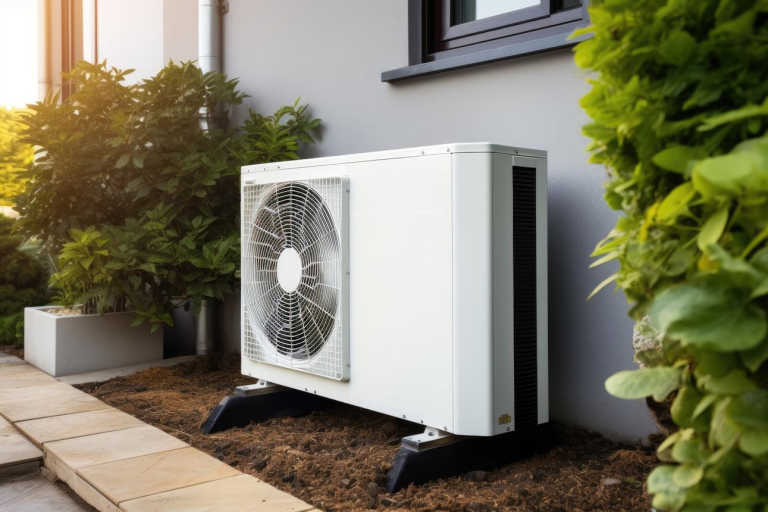
- Outdoor condenser
- Indoor air handler(s)
- Refrigerant line set
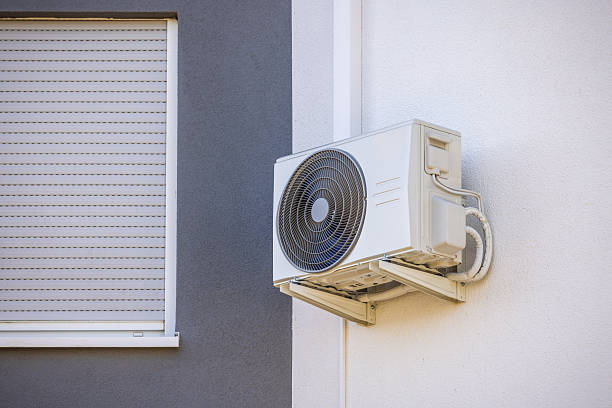
- Mounting brackets
- Control wiring
- Remote controller
- Drain tubing
Modern ductless mini split units also include inverter technology, allowing the compressor to adjust its speed instead of constantly turning on and off. This improves comfort while reducing electricity usage.
Cold-climate heat pumps designed for Canadian winters generally cost more because they maintain heating performance even when outdoor temperatures fall well below freezing.
Labour Costs: Why Installation Isn’t One Flat Fee
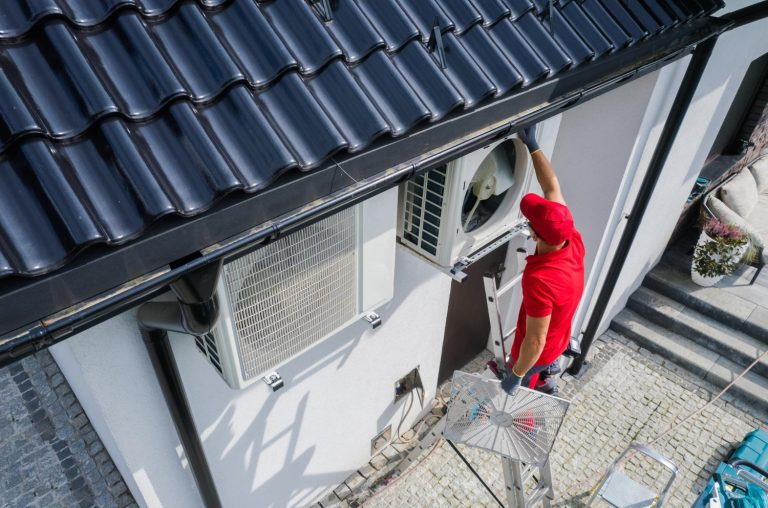
Professional installation usually accounts for 25–40% of the total project cost.
Labour varies depending on:
- Wall construction
- Distance between indoor and outdoor units
- Ceiling height
- Accessibility
- Refrigerant line length
- Number of technicians required
For example, installing a mini split AC in a basement with an easily accessible exterior wall is significantly faster than routing lines through finished walls in a two-storey home.
Experienced installers also spend time:
- Vacuum-testing refrigerant lines
- Pressure testing
- Charging the system correctly
- Programming controls
- Verifying airflow
- Performing startup diagnostics
Skipping these steps can shorten equipment life and reduce efficiency.
Electrical Upgrades Can Change Your Budget
Many homeowners are surprised that electrical work is often billed separately.
Additional electrical costs may include:
| Electrical Upgrade | When It May Be Required |
|---|---|
| New dedicated circuit | If your existing electrical system doesn’t have a dedicated circuit for the mini split. |
| Outdoor disconnect | Required to safely isolate power to the outdoor unit during servicing and maintenance. |
| Electrical panel upgrade | May be necessary if your current panel lacks sufficient capacity for the new system. |
| Surge protection | Recommended to help protect the mini split from power surges and electrical fluctuations. |
Older homes frequently require electrical panel upgrades before new HVAC equipment can be installed safely. A licensed electrician should always perform this work.
Do You Need a Permit?
Permit requirements vary by municipality across Canada.
Depending on your location, permits may cover:
- Electrical work
- Mechanical installation
- Heat pump installation
- Structural mounting
Professional contractors typically manage permit applications and inspections on your behalf. While permits increase project costs slightly, they help ensure installations meet local building codes and manufacturer warranty requirements.
Hidden Costs That Can Affect Your Quote
The lowest advertised price rarely reflects the final invoice.
Some common additional costs include:
- Extended refrigerant line sets
- Decorative line-hide covers
- Condensate pumps
- Wall brackets
- Roof mounting
- Concrete equipment pads
- Snow stands
- Core drilling through concrete
- Drywall repair
- Old equipment removal
- Crane services for difficult access
These items aren’t required for every project, but they’re worth discussing before signing a contract.
Can Rebates Reduce Your Installation Cost?
Federal, provincial, and utility rebate programs continue evolving in 2026.
Depending on where you live, qualifying high-efficiency systems may be eligible for incentives that reduce your upfront investment.
Before purchasing equipment:
- Verify rebate eligibility.
- Confirm the installer is approved where required.
- Ensure the selected model qualifies.
- Keep all invoices and documentation.
An experienced contractor should help identify applicable rebate programs before installation begins.
Single-Zone vs Multi-Zone Systems
Choosing between one indoor unit and multiple zones significantly affects pricing.
| Feature | Single-Zone | Multi-Zone |
|---|---|---|
| Initial Cost | Lower | Higher |
| Installation Time | Shorter | Longer |
| Energy Efficiency | Excellent | Excellent |
| Individual Room Control | One room | Multiple rooms |
| Future Expansion | Limited | Greater flexibility |
A single-zone system works well for:
- Home offices
- Basements
- Garages
- Additions
- Condos
Multi-zone systems are better suited for whole-home comfort.
Many homeowners considering mini split heat pumps Toronto installations choose multi-zone systems because different family members can control temperatures independently.
Comparing Quotes the Right Way
Two quotes with similar equipment may differ by thousands of dollars.
Rather than comparing only the total price, review:
- Equipment model numbers
- Heating capacity
- Efficiency ratings
- Warranty coverage
- Included electrical work
- Permit fees
- Line set length
- Startup testing
- Labour warranty
- Maintenance recommendations
A transparent quote should clearly explain every cost instead of presenting one lump sum.
Why Professional Installation Matters
A high-quality installation often has a greater impact on performance than the equipment brand itself.
Proper installation ensures:
- Maximum efficiency
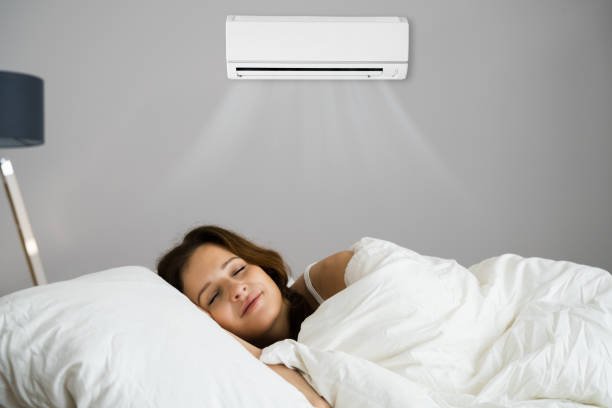
- Better indoor comfort
- Longer compressor life
- Lower energy bills
- Reduced refrigerant leaks
- Quieter operation
- Valid manufacturer warranty
Improper installation can reduce system efficiency by 20% or more and lead to expensive repairs later.
That’s why reputable contractors spend time sizing the equipment correctly instead of simply installing the largest available system.
Why Toronto Homeowners Should Budget Carefully

The demand for mini split air conditioning Toronto installations continues to grow as homeowners seek efficient alternatives to traditional HVAC systems.
Older Toronto homes often present unique installation challenges, including:
- Brick construction
- Limited electrical capacity
- Finished basements
- Heritage building requirements
- Narrow side-yard access
These factors can influence labour time and installation costs.
Working with an experienced local contractor helps avoid unexpected surprises. GO DUCTLESS INC. specializes in evaluating each property individually, providing transparent estimates, and recommending systems sized for the home’s actual heating and cooling needs—not simply the largest available option.
If you’re comparing estimates, consider requesting an assessment through the company’s Mini Split Installation Services page to receive a site-specific recommendation rather than relying on generic online pricing.
Common Budgeting Mistakes
Homeowners often underestimate installation costs by focusing only on equipment prices found online.
Avoid these common mistakes:
- Buying equipment before obtaining a professional assessment.
- Ignoring electrical upgrade costs.
- Comparing quotes without reviewing what’s included.
- Choosing oversized systems that cycle inefficiently.
- Skipping permits to save money.
- Hiring installers without refrigeration certification.
- Overlooking available rebates.
Planning for the complete installation—not just the equipment—helps prevent unexpected expenses after work begins.
Key Takeaways
- The ductless mini split installation cost depends on factors such as the system type, number of indoor units, installation complexity, electrical upgrades, and the specific requirements of your home.
- Equipment, labour, electrical upgrades, permits, and installation complexity all contribute to the final price.
- Hidden expenses such as condensate pumps, line-hide covers, and longer refrigerant lines should be discussed before signing a contract.
- High-efficiency heat pumps may qualify for rebates that reduce upfront costs.
- Comparing detailed quotes—not just total prices—leads to better long-term value.
- Professional installation protects efficiency, warranty coverage, and system lifespan.
Conclusion
A ductless mini split is a long-term investment in comfort, energy efficiency, and year-round climate control. The lowest quote isn’t always the best value, and the highest price doesn’t automatically guarantee superior workmanship.
Understanding how equipment, labour, permits, electrical work, and optional upgrades contribute to the overall ductless mini split installation cost allows you to compare estimates with confidence. A detailed, transparent proposal helps eliminate surprises and ensures you’re paying for quality installation—not unexpected add-ons after the project begins.
For homeowners in the Greater Toronto Area, working with an experienced contractor such as GO DUCTLESS INC. can make the process smoother, from accurate system sizing and rebate guidance to professional installation that meets manufacturer specifications and local building codes.
FAQs
1. How long does a ductless mini split installation usually take?
A standard single-zone installation is often completed in one day. Multi-zone systems or projects requiring electrical upgrades may take two to three days, depending on the home’s layout.
2. Can I install a ductless mini split during winter?
Yes. Professional installers can complete mini split installations year-round. Cold weather generally doesn’t prevent installation, although heavy snowfall or severe conditions may affect scheduling.
3. Does a mini split increase my home’s resale value?
A professionally installed, energy-efficient mini split system can improve buyer appeal, especially in homes without central ductwork or in properties where efficient heating and cooling are valued.
4. How often should a ductless mini split be serviced?
Most manufacturers recommend professional maintenance once a year. Homeowners should also clean or replace filters regularly and keep the outdoor unit free from debris to maintain peak performance.
5. What’s the lifespan of a ductless mini split system?
With proper installation and routine maintenance, many quality systems last 15 to 20 years, though actual lifespan depends on usage, climate, and maintenance history.
6. Is financing available for mini split installations?
Many HVAC contractors offer financing options that allow homeowners to spread installation costs over monthly payments. Availability, terms, and interest rates vary by provider, so ask for financing details when requesting a quote.