Choosing between ductless vs central air is one of the most important comfort decisions a homeowner can make. Both systems can cool a home, improve summer comfort, and add value when installed correctly, but the long-term savings are not always obvious from the upfront price alone. Central air can be a strong option when a home already has good ductwork, while ductless systems often make more sense in homes with hot rooms, no ducts, additions, basements, or room by room comfort needs.
At Go Ductless Inc., we help homeowners compare ductless vs central air based on real home layout, energy use, installation complexity, and future comfort goals. The system that saves more over time is the one that fits your house properly. This guide explains how both options compare, where long-term savings come from, and why ductless solutions are becoming a practical choice for many Toronto and GTA homes.
Understanding The Real Difference Between Ductless And Central Air
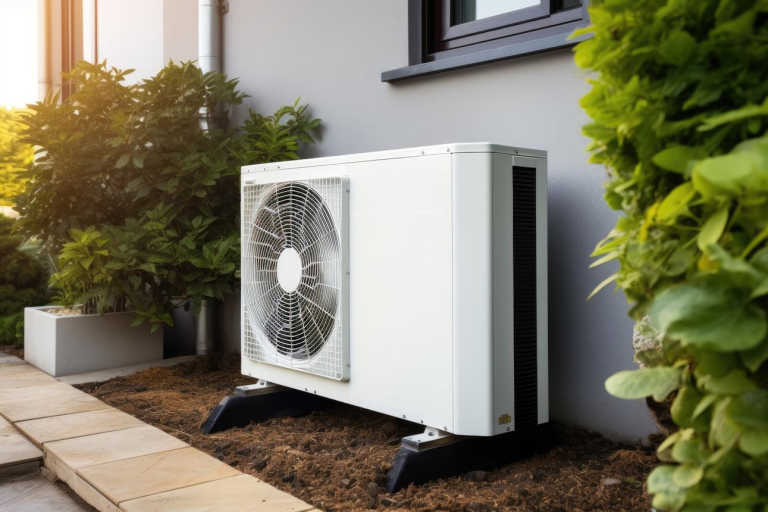
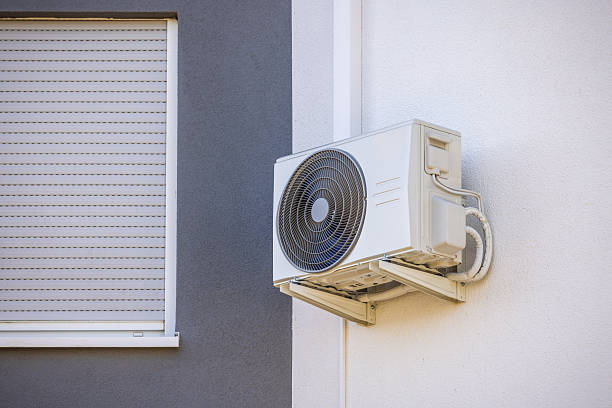
Ductless systems use an outdoor unit connected to one or more indoor units that condition specific rooms or zones. Each indoor unit delivers cooling directly into the area where it is installed, which means you do not need ductwork to move air around the house. When comparing ductless vs central air, this direct zone based delivery is one of the biggest differences because it allows homeowners to cool specific spaces rather than treating the entire home as one large zone.
Central air uses ductwork to deliver cooled air from one central system to vents throughout the house. This can work very well in homes with properly sized, sealed, and balanced ducts. However, if ducts are leaky, poorly insulated, or not designed for the current layout, central air may waste energy and leave some rooms uncomfortable. That is why ductless vs central air should never be judged only by equipment cost. The condition of the home matters just as much.
How Ductless Cooling Works
A ductless system removes heat from the indoor zone and transfers it outdoors through refrigerant lines. The indoor unit circulates room air across a coil, cools and dehumidifies it, then sends it back into the same space. This is why a Mini Split is often ideal for bedrooms, offices, additions, and basements where comfort problems are isolated. In ductless vs central air comparisons, ductless often wins when the main goal is targeted comfort without major renovation work.
How Central Air Works
Central air cools air at a central indoor coil and distributes it through ducts using a blower. The cooled air reaches rooms through supply vents and returns through return pathways. This can be clean and convenient if the duct system is well built. In ductless vs central air comparisons, central air can be attractive when the ductwork already exists and is performing well, but it becomes less appealing when ducts need repair, balancing, or replacement.
Upfront Cost vs Long-Term Savings
The upfront cost of ductless vs central air depends heavily on your home. If you already have good ductwork and a compatible forced air system, central air may have a lower initial installation cost. If your home has no ducts, adding central air can become expensive because duct installation may require opening walls, ceilings, and finished areas. In that case, ductless can save money by avoiding major construction and delivering comfort through smaller wall penetrations and line sets.
Long-term savings are different from upfront cost. A cheaper installation is not always the better financial decision if the system wastes energy, struggles with hot rooms, or requires extra equipment later. Ductless vs central air should be evaluated over years of operation, not just installation day. If ductless zoning lets you cool only the rooms you use, reduce window AC use, and avoid duct losses, it may provide stronger long-term value in many homes.
When Central Air Has The Lower Starting Cost
Central air may be more affordable at the start when a home already has a modern forced air furnace and ducts in good condition. In that scenario, the installation may involve adding an outdoor condenser, indoor coil, and related components. If the ducts are sealed and balanced, the system can cool the home effectively. This is the situation where ductless vs central air may favor central air for initial cost.
When Ductless Can Save More Upfront
Ductless can be more cost effective when there is no existing ductwork or when only certain rooms need cooling. A single zone or multi zone ductless plan can target problem areas without a full duct renovation. In ductless vs central air comparisons, this is especially important for older homes, homes with boiler heat, finished basements, additions, and rooms over garages.
Energy Efficiency: Where The Real Savings Happen
Energy efficiency is one of the most important parts of ductless vs central air. Central air can be efficient when the duct system is properly sealed, insulated, and balanced. The challenge is that duct losses can reduce real world performance. If cooled air leaks into attics, basements, wall cavities, or unused areas, the system must run longer to cool the rooms you actually use. That adds cost over time.
Ductless systems avoid duct losses because they deliver cooling directly into each zone. They also use inverter technology, which allows the compressor to ramp up or down based on demand instead of running only at full power. Natural Resources Canada explains that heat pumps can provide heating and cooling by transferring heat, and many ductless systems use this heat pump technology. For ductless vs central air, this means efficiency depends not only on equipment rating, but also on how much cooling is wasted during distribution.
Zoning And Reduced Waste
Zoning is one of the biggest long-term advantages of ductless. You can cool bedrooms at night, the main floor during the day, or a home office during work hours without forcing the whole house to the same setting. In ductless vs central air comparisons, this can create savings for households that do not use every room at the same time. Cooling only occupied zones can reduce unnecessary runtime and improve comfort.
Duct Losses And Central Air Efficiency
Central air depends on ducts. If ducts are leaky or poorly insulated, energy is wasted before cool air reaches the room. Even good equipment can underperform if air distribution is weak. This is why ductless vs central air comparisons should include a duct inspection. If the ducts need sealing, insulation, or balancing, those costs and losses should be included in the long-term picture.
Comfort And Room Control Over Time
Savings are not only about utility bills. Comfort has value too. If you spend years using fans, window units, portable ACs, or constant thermostat adjustments to fix hot rooms, your system is not truly saving you money. In ductless vs central air decisions, long-term comfort should be part of the calculation because the wrong system can lead to extra spending later.
Ductless systems shine when rooms have different needs. A sunny bedroom, finished basement, home office, or addition may need its own control. Central air can work well when the home is open, ducts are balanced, and every room has similar cooling demand. However, many homes have uneven loads, and ductless vs central air often favors ductless when homeowners want control over individual comfort zones.
Bedrooms And Sleep Comfort
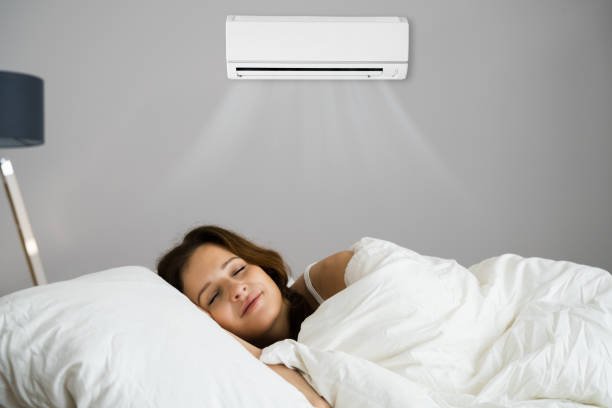
Bedrooms are a major factor in ductless vs central air. If upstairs bedrooms are hot at night while the main floor is comfortable, central air may force you to lower the thermostat and overcool the rest of the house. A ductless bedroom zone can solve that issue directly. This can improve sleep comfort and reduce wasted cooling in areas nobody is using overnight.
Basements, Additions, And Offices
Basements, additions, and offices often behave differently from the rest of the home. A Ductless Air Conditioning plan can target those rooms without overworking a central system. If year round comfort is needed, a Ductless Heat Pump may provide both heating and cooling. In ductless vs central air comparisons, these special rooms often become the deciding factor.
Installation And Renovation Costs
Installation disruption is a major hidden cost in ductless vs central air. Central air can be simple if ducts exist, but adding ducts to a home that was not built for them can be invasive. Walls may need to be opened, ceilings may need bulkheads, and finished rooms may be disturbed. Even when ducts exist, repairs and balancing can add to the final project cost.
Ductless installation is usually less invasive. Indoor units are mounted in selected rooms, outdoor units are placed outside, and refrigerant lines connect them through small openings. There is still skilled work involved, including electrical, drainage, line routing, and commissioning. However, compared with full duct installation, ductless vs central air often favors ductless for homes where renovation disruption must be minimized.
The Cost Of Adding Ductwork
Adding ducts can be expensive, especially in older homes with plaster walls, finished ceilings, or limited mechanical space. The visible and hidden costs can include framing, drywall repair, painting, duct insulation, and airflow balancing. When comparing ductless vs central air, homeowners should ask whether the central quote includes all duct related work or only the cooling equipment.
The Simpler Path For Older Homes
Many older Canadian homes were built with radiators, boilers, or baseboard heat. For these homes, ductless can be a practical way to add cooling without rebuilding the house. A Mini Split can solve one problem room, while a multi zone plan can serve several areas. This is one reason ductless vs central air often favors ductless in older homes.
Maintenance And Repair Costs Over The Years
Maintenance should also be part of ductless vs central air. Central air systems need filter changes, coil cleaning, refrigerant checks, drain maintenance, and duct inspection. Ductless systems need filter cleaning for each indoor head, outdoor unit cleaning, drain checks, and periodic professional maintenance. Neither option is maintenance free, but the tasks are different.
Ductless systems have multiple indoor units in multi zone setups, which means more filters to clean. Central air has one main filter, but ducts may need attention over time. In ductless vs central air comparisons, the better long-term choice depends on whether you prefer zone specific maintenance or central system maintenance. Regular care protects efficiency for both options.
Ductless Maintenance Expectations
Ductless filters should be cleaned regularly, especially in homes with pets, dust, or heavy use. Indoor units need clear airflow, and outdoor units should be free of leaves, snow, and debris. Maintenance is simple, but it must be consistent. Good maintenance protects efficiency and helps a ductless system deliver long-term savings.
Central Air Maintenance Expectations
Central air requires clean filters and proper airflow through ducts. If the duct system becomes dirty, leaky, or unbalanced, comfort and efficiency can suffer. Ductless vs central air maintenance comparisons should include the cost of keeping ducts in good condition, not only the equipment itself.
List Of Long-Term Savings Factors
Here is one random list of factors that can change the long-term savings in ductless vs central air decisions:
- Whether your home already has good ductwork
- How many rooms are used daily
- Whether bedrooms need separate night cooling
- The condition of insulation and air sealing
- Whether ducts run through hot or unconditioned spaces
- How often window AC units or portable units are used
- Whether you need heating and cooling from one system
- How well the system is sized, installed, and maintained
Which System Saves More In Different Home Types?
Ductless vs central air depends strongly on home type. A modern home with good ducts may see strong value from central air. An older home without ducts may save more with ductless because it avoids renovation costs and allows targeted cooling. A home with additions or hot bedrooms may benefit from ductless even if central air already exists, because ductless can solve the rooms the main system cannot handle.
For condos, townhomes, semis, and detached homes, the best option depends on layout and installation rules. Condo boards may restrict outdoor unit placement. Townhouses may have limited exterior wall options. Detached homes may allow more flexibility but have larger zone planning needs. Ductless vs central air should always be decided after a real home assessment.
Older Homes Without Ducts
Ductless often saves more long-term in older homes without ducts because it avoids duct installation and reduces reliance on window units. It can also target rooms that need the most comfort improvement. For many homeowners, this creates a balance of comfort, efficiency, and lower renovation disruption.
Homes With Existing Good Ductwork
Central air can save more when ducts are already in excellent condition and the whole home needs consistent cooling at the same time. In these cases, ductless vs central air may come down to whether you want room by room control or a hidden central system.
Why Choose Go Ductless Inc.
Go Ductless Inc. helps homeowners compare ductless vs central air with practical, home specific guidance. We do not recommend a system based on a generic rule. We look at your layout, duct condition, comfort issues, room use, insulation, and long-term goals. This helps you choose a solution that saves money where it matters: installation, operation, comfort, and reliability.
If ductless is the right fit, we can design a Mini Split solution for one room, a Ductless Air Conditioning plan for multiple cooling zones, or a Ductless Heat Pump system for year round comfort. We can also discuss premium options like Mitsubishi Electric M-Series and Daikin Ductless based on performance needs, budget, and home layout. Our goal is to help you make the ductless vs central air decision with confidence and clear expectations.
Two Helpful Canadian Government Resources
- Natural Resources Canada Heat Pump Basics explains how heat pumps provide heating and cooling by moving heat.
- Natural Resources Canada Keeping The Heat In provides information about building science, insulation, air sealing, and home retrofit planning.
Compare Ductless Vs Central Air Savings With Go Ductless Inc.
So, which saves more long-term in ductless vs central air? The answer depends on your home. Central air can be a strong value when you already have good ductwork and want one hidden system for the whole home. Ductless can save more when you have no ducts, inefficient ducts, uneven temperatures, closed door rooms, or spaces like basements and additions that need independent control. The right choice is the one that reduces waste, avoids unnecessary renovation, and keeps the rooms you use most comfortable.
If you are in Toronto or the GTA and want help comparing ductless vs central air, contact Go Ductless Inc. We can assess your home, explain your options, and recommend the best path, whether that is a Mini Split, Ductless Air Conditioning, Ductless Heat Pump, Mitsubishi Electric M-Series, or Daikin Ductless system. With the right design, your cooling upgrade can deliver comfort now and stronger value over time.
Frequently Asked Questions
- Which saves more in ductless vs central air for older homes?
Ductless often saves more in older homes without ducts because it avoids duct installation and provides targeted room control. - Is ductless vs central air cheaper to install?
It depends. Central air may be cheaper if good ducts already exist, while ductless may be cheaper when ductwork must be added. - Which is more efficient in ductless vs central air comparisons?
Both can be efficient, but ductless avoids duct losses and allows zoning, while central air depends heavily on duct quality. - Does ductless vs central air affect comfort in bedrooms?
Yes. Ductless can cool bedrooms directly, while central air may overcool other areas to satisfy one warm bedroom. - Which has lower maintenance costs in ductless vs central air?
Maintenance depends on the system. Ductless requires cleaning each indoor unit filter, while central air may require duct and airflow maintenance. - Can ductless vs central air include heating too?
Yes, many ductless systems are heat pumps that provide heating and cooling, while central air usually needs a separate furnace or heating system. - How should I decide between ductless vs central air?
Compare duct condition, renovation cost, comfort problems, room usage, and whether zoning matters. A professional assessment is the best next step.