A ductless air conditioner has become one of the most popular cooling solutions for Canadian homes, especially in older houses, condos, home additions, and renovated spaces where installing ductwork isn’t practical. Yet many homeowners still wonder how these systems actually work and why they’re often more energy efficient than traditional central air conditioning.
The answer is surprisingly simple. Instead of pushing cooled air through a network of ducts, a ductless system delivers conditioned air directly into the rooms that need it. That approach reduces energy loss, provides greater temperature control, and allows homeowners to cool individual spaces without wasting electricity.
This guide explains how a ductless air conditioning system works, the components involved, its advantages and limitations, and what first-time buyers should know before investing in one.
What Is a Ductless Air Conditioner?
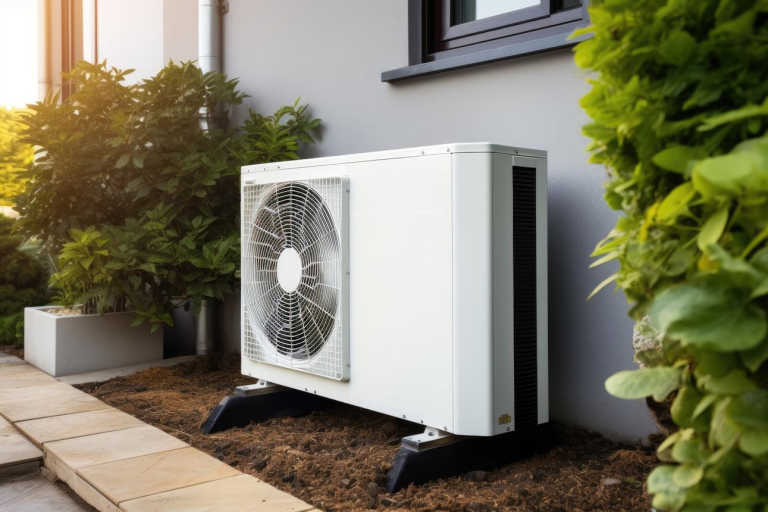
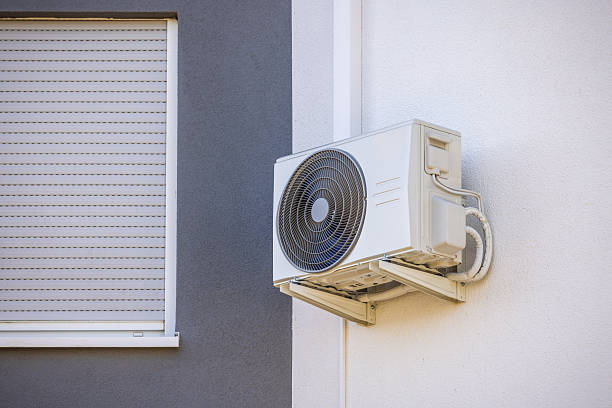
A ductless air conditioner is a cooling system that operates without traditional air ducts. Instead, it connects an outdoor compressor to one or more indoor air-handling units using small refrigerant lines and electrical wiring.
Unlike central air systems that cool an entire home through ductwork, a ductless AC system delivers cooled air directly into specific rooms or zones.
This design makes it an excellent option for:
- Older homes without ductwork
- Home additions
- Condominiums
- Finished basements
- Garages
- Home offices
Many modern systems also function as heat pumps, providing both cooling and heating throughout much of the year.
How Does a Ductless Air Conditioner Work?
Although the technology sounds advanced, the operating principle is straightforward.
A ductless air conditioning system transfers heat rather than creating cold air.
Here’s the basic process:
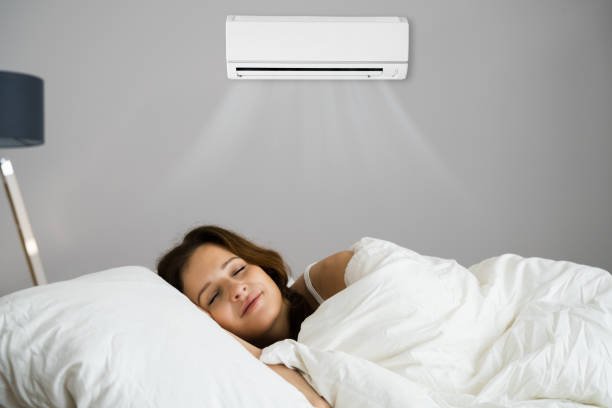
- The indoor unit draws warm room air through a filter.
- Refrigerant absorbs the heat from the indoor air.
- The heated refrigerant travels through insulated lines to the outdoor unit.
- The outdoor condenser releases the heat outside.
- The cooled refrigerant returns indoors to repeat the cycle.
This continuous heat-transfer process keeps indoor spaces comfortable while using remarkably little energy.
Understanding the Main Components
Every ductless air conditioner mini system contains several essential parts that work together.
| Component | Purpose |
|---|---|
| Indoor unit | Draws in warm air and distributes cooled air |
| Outdoor condenser | Releases heat outdoors |
| Refrigerant lines | Transfer heat between indoor and outdoor units |
| Compressor | Circulates refrigerant throughout the system |
| Remote or thermostat | Controls temperature and operating modes |
Each component plays a specific role in maintaining efficient cooling.
Step-by-Step: What Happens When You Turn It On?
Imagine it’s a hot summer afternoon.
You set your indoor temperature to 22°C.
The system immediately begins working through several stages.
Step 1: Warm Air Enters the Indoor Unit
A quiet fan pulls room air across the evaporator coil.
As the refrigerant absorbs heat, the air becomes cooler.
Step 2: Heat Is Moved Outside
Instead of generating cold air, the refrigerant carries indoor heat outside through small insulated pipes.
The outdoor condenser releases this heat into the surrounding air.
Step 3: Cool Air Returns to the Room
The indoor fan circulates cooled air evenly throughout the room.
This process continues until the desired temperature is reached.
Modern inverter technology adjusts compressor speed automatically rather than constantly turning the system on and off.
That improves efficiency while maintaining more consistent indoor temperatures.
Why Ductless Systems Are So Energy Efficient

One of the biggest reasons homeowners choose ductless air conditioning is improved energy efficiency. Traditional duct systems can lose conditioned air through leaks, poor insulation, or long duct runs. A ductless system avoids these losses entirely because cooled air is delivered directly into the room.
Additional efficiency benefits include:
- Zoned temperature control
- Variable-speed compressors
- Reduced energy waste
- Lower operating costs
- Better humidity management
These features make ductless systems particularly attractive for Canadian homes where cooling and heating costs continue to rise.
Single-Zone vs Multi-Zone Systems
Not every home requires the same configuration.
Single-Zone Systems
These systems connect one indoor unit to one outdoor condenser.
They’re ideal for:
- Bedrooms
- Garages
- Home offices
- Basements
- Small apartments
Multi-Zone Systems
A multi-zone ductless AC connects multiple indoor units to one outdoor unit.
Each room operates independently.
This allows family members to set different temperatures without affecting the rest of the home.
Benefits of a Ductless Air Conditioner
A well-designed ductless air conditioner offers more than efficient cooling.
Homeowners often appreciate advantages such as:
- Quiet operation
- Improved indoor comfort
- Individual room temperature control
- No ductwork required
- Energy savings
- Cleaner installation during renovations
- Flexible placement options
Many systems also include advanced air filtration to help reduce dust and airborne particles.
Common Misconceptions About Ductless Air Conditioners
Despite growing popularity, several misconceptions remain.
“They’re Only for Small Rooms.”
False. Multi-zone systems can cool several rooms or even an entire home when properly designed.
“They’re Noisy.”
Modern ductless air conditioners operate very quietly.
Many indoor units produce less noise than a household refrigerator.
“They Only Provide Cooling.”
Most modern systems function as heat pumps.
That means they provide efficient heating during cooler months as well.
“They’re Difficult to Maintain.”
Routine maintenance is relatively simple.
Cleaning filters regularly and scheduling annual professional servicing helps maintain efficiency and equipment life.
Where Do Ductless Systems Work Best?

A ductless air conditioning system works well in many situations where central air may be expensive or impractical.
Common applications include:
- Heritage homes
- Older houses without ducts
- Condo units
- Home additions
- Finished basements
- Detached garages
- Backyard offices
Demand for ductless AC mini split Toronto installations continues to grow because homeowners can add cooling without major renovations.
Likewise, many homeowners researching Ductless HVAC Toronto solutions are looking for efficient heating and cooling in one compact system.
Practical Example
Imagine you’re finishing a basement. Installing central ductwork would require opening ceilings and walls throughout the home. Instead, a single indoor unit can be mounted on the basement wall while the outdoor condenser remains outside. The installation requires only a small opening for refrigerant lines and electrical connections. The result is efficient cooling with minimal disruption.
Installation Tips for First-Time Buyers
Planning ahead helps achieve better performance.
Before installation:
- Select indoor unit locations carefully.
- Avoid blocking airflow with furniture.
- Consider future room renovations.
- Choose the correct system capacity.
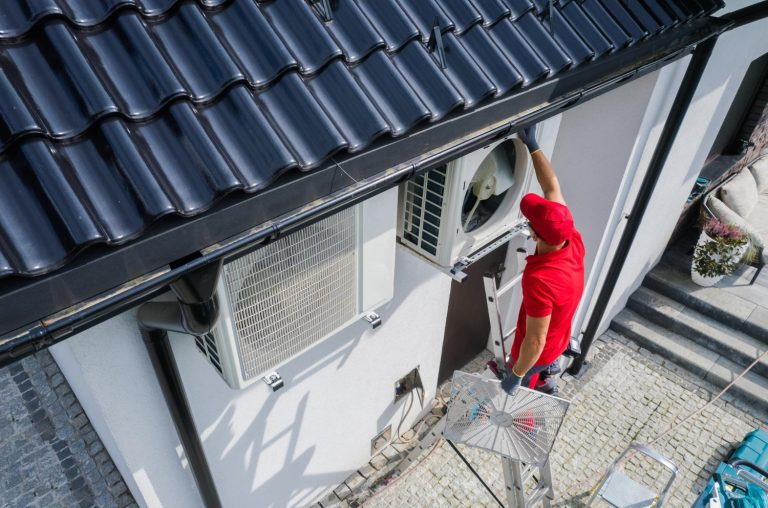
- Work with certified HVAC professionals.
Companies such as GO DUCTLESS INC. evaluate your home’s layout before recommending equipment, helping ensure efficient airflow and proper system sizing.
If you’re planning a new system, reviewing their Ductless Air Conditioner Installation services is a practical next step. Professional installation helps maximize efficiency, maintain warranty coverage, and ensure long-term reliability.
Maintenance Tips
Routine maintenance is straightforward.
To keep your ductless AC system operating efficiently:
- Clean or replace filters regularly.
- Keep outdoor units free of debris.
- Schedule annual professional inspections.
- Check for unusual noises or reduced airflow.
- Keep furniture away from indoor units.
Consistent maintenance improves both efficiency and equipment lifespan.
Key Takeaways
- A ductless air conditioner transfers heat rather than creating cold air.
- Indoor and outdoor units work together through refrigerant lines.
- Zoned cooling improves comfort while reducing energy waste.
- Modern systems provide both heating and cooling.
- Professional sizing and installation significantly affect performance.
- Routine maintenance keeps the system operating efficiently for many years.
Conclusion
A ductless air conditioner offers an efficient, flexible, and practical alternative to traditional central air systems. By delivering conditioned air directly into individual rooms, it eliminates the energy losses associated with ductwork while giving homeowners greater control over indoor comfort.
Whether you’re renovating an older home, finishing a basement, or simply looking for a more efficient cooling solution, understanding how these systems work makes it easier to choose the right equipment. Partnering with experienced professionals like GO DUCTLESS INC. ensures your system is properly sized, installed, and ready to deliver reliable year-round comfort.
FAQs
1. Does a ductless air conditioner bring fresh air into the home?
No. It recirculates indoor air while removing heat and humidity. Fresh air ventilation requires a separate ventilation system.
2. Can one ductless system cool an entire house?
Yes. A properly designed multi-zone system can cool multiple rooms or an entire home depending on its capacity and layout.
3. How long does a ductless air conditioner typically last?
With regular maintenance, many systems last between 15 and 20 years.
4. Does a ductless system increase electricity bills?
While it does consume electricity, many homeowners experience lower overall cooling costs thanks to higher energy efficiency and zoned operation.
5. Can a ductless air conditioner be installed during a home renovation?
Absolutely. Renovations are often the ideal time to install a ductless system because refrigerant lines and electrical work can be planned more efficiently.
6. How long does installation usually take?
Most single-zone installations can be completed within a day, while larger multi-zone projects may require additional time depending on the home’s layout.