If you are planning a ductless system, one of the first practical questions is simple: how long will the installation take? Homeowners want to know how much disruption to expect, whether they need to be home all day, and when they can start using the system. In most cases, ductless HVAC installation is faster and less invasive than adding traditional ductwork, but the exact timeline depends on the number of zones, home layout, electrical needs, line routing, and whether the project is a simple single room installation or a larger multi zone setup.
At Go Ductless Inc., we help homeowners across Toronto and the GTA understand the full ductless HVAC installation process before work begins. A simple single zone project may be completed in one day, while a multi zone project can take longer depending on complexity. The most important point is that speed should never replace proper planning, testing, and commissioning. A well planned ductless HVAC installation gives you better comfort, cleaner results, and fewer performance issues later.
Typical Ductless HVAC Installation Timeline
A typical ductless HVAC installation timeline starts before installation day. The first step is a home assessment and system design. During this stage, the contractor looks at room size, insulation, sun exposure, existing comfort problems, electrical access, indoor unit placement, outdoor unit location, and line set routing. This planning stage may happen days or weeks before the actual installation, depending on scheduling, equipment availability, and the size of the project.
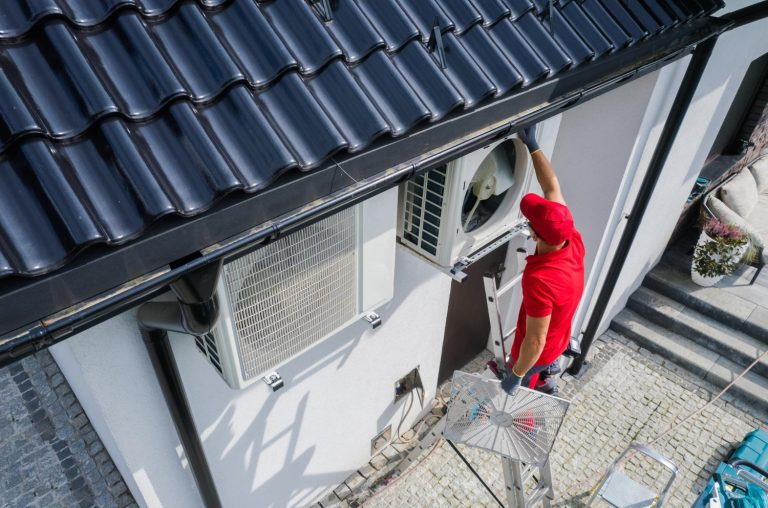
On installation day, a simple single zone ductless HVAC installation often takes several hours and may be completed in one workday. A multi zone system with two, three, or more indoor units can take one to several days, especially if line runs are long, walls are difficult to access, or electrical upgrades are needed. Homeowners should expect the crew to spend time not only mounting equipment, but also sealing penetrations, routing lines neatly, testing the system, confirming drainage, and explaining how to use the controls.
Single Zone Installation Timeline
A single zone ductless HVAC installation usually involves one outdoor unit and one indoor unit. This is common for a bedroom, home office, finished basement, garage workspace, addition, or main living area. If the indoor and outdoor units are close together and electrical access is straightforward, the installation may be completed in one day. The crew still needs time to mount the indoor unit, set the outdoor unit, drill the wall opening, route refrigerant lines, connect wiring, plan the drain, pressure test, vacuum the lines, and start up the system.
A single zone project is often the fastest path because there are fewer indoor units, fewer line sets, and fewer zone controls to test. However, good ductless HVAC installation should still include careful placement and commissioning. Rushing the process can lead to weak airflow, poor drainage, or unnecessary service calls. If you are adding a Mini Split for one problem room, the installation may be efficient, but it should still be done with proper testing and homeowner training.
Multi Zone Installation Timeline
A multi zone ductless HVAC installation takes longer because one outdoor unit connects to multiple indoor units. Each zone needs indoor placement, wall penetrations, line routing, drain planning, control setup, and performance testing. A two zone installation may be completed in a day or two, while larger systems may require additional time. The total timeline depends on how far each indoor unit is from the outdoor unit and how cleanly the line sets can be routed.
Multi zone timelines can also be affected by finished spaces. If line sets must travel through tight areas, around brick walls, through basements, or across multiple floors, the crew needs more time. This is normal. A well designed ductless HVAC installation should prioritize clean routing, reliable drainage, and proper system matching, especially when several indoor units share one outdoor unit.
What Happens Before Installation Day
Before ductless HVAC installation begins, a professional contractor should complete a proper consultation and assessment. This is where your comfort goals are translated into a practical system plan. The contractor should ask where you feel uncomfortable, which rooms are used most, whether doors stay closed, and whether you want heating and cooling or cooling only. Natural Resources Canada explains that electric heat pumps can provide heating and cooling by transferring heat, which is why many ductless systems are used for year round comfort as well as summer cooling.
This pre installation stage can influence the total timeline. If the quote is simple and equipment is available, scheduling can move quickly. If your home needs electrical review, condo approval, special outdoor mounting, or multiple brand comparisons, the planning stage may take longer. For homeowners considering Ductless Air Conditioning, Ductless Heat Pump, Mitsubishi Electric M-Series, or Daikin Ductless options, the contractor should explain how each pathway affects system design and project timing.
Home Assessment And Zone Planning
During the home assessment, the installer decides where indoor and outdoor units should go. Indoor units need clear airflow across the room. Outdoor units need airflow, service access, and a stable mounting location. Zone planning is especially important because one indoor unit cannot reliably condition several closed door rooms. If bedroom doors stay closed, those bedrooms may need their own zones or another airflow strategy.
Good zone planning can save time during installation because the crew arrives with a clear plan. It also prevents mid project changes that can delay work. A ductless HVAC installation that starts with accurate zone planning is more likely to finish on schedule and perform properly afterward.
Equipment Selection And Scheduling
Once the design is approved, equipment is selected and scheduled. Some systems are readily available, while premium or specific model lines may require ordering. If you are comparing Mitsubishi Electric M-Series or Daikin Ductless systems, availability can affect when the project starts. The same is true for multi zone configurations because the outdoor unit and indoor units must be matched correctly.
Scheduling also depends on season. During peak summer and early winter, installers are often busier. Planning early can help you secure a better installation window and avoid waiting until extreme weather creates urgent demand.
What Happens On Installation Day
On the day of ductless HVAC installation, the crew usually begins by reviewing the planned locations with the homeowner. They confirm indoor unit placement, outdoor unit location, line set routing, drain direction, and electrical access. Then they protect work areas, bring in equipment, and begin mounting and connection work. Homeowners may need to clear furniture, keep pets away from work zones, and provide access to the electrical panel and outdoor area.
The physical installation includes several steps that must happen in the correct order. Indoor units are mounted, wall penetrations are drilled, refrigerant lines and drain lines are routed, the outdoor unit is placed and secured, electrical connections are completed, and the system is prepared for startup. A professional ductless HVAC installation also includes testing and commissioning before the crew leaves.
Indoor Unit Mounting
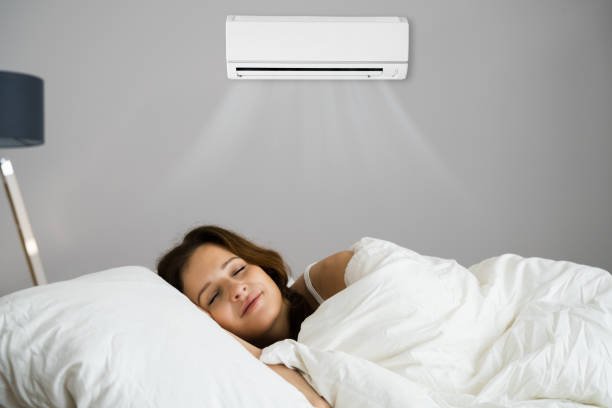
The indoor unit is usually mounted high on a wall to support good air distribution. The mounting plate must be level and secure. Placement should avoid direct airflow onto beds, desks, or seating areas where drafts may bother people. Curtains, furniture, shelves, and door swings should not block the airflow path.
This step may be quick for a single unit, but it takes longer when several indoor heads are installed in different rooms. Each unit needs correct placement so the entire ductless HVAC installation supports comfort, not just equipment operation.
Outdoor Unit Placement
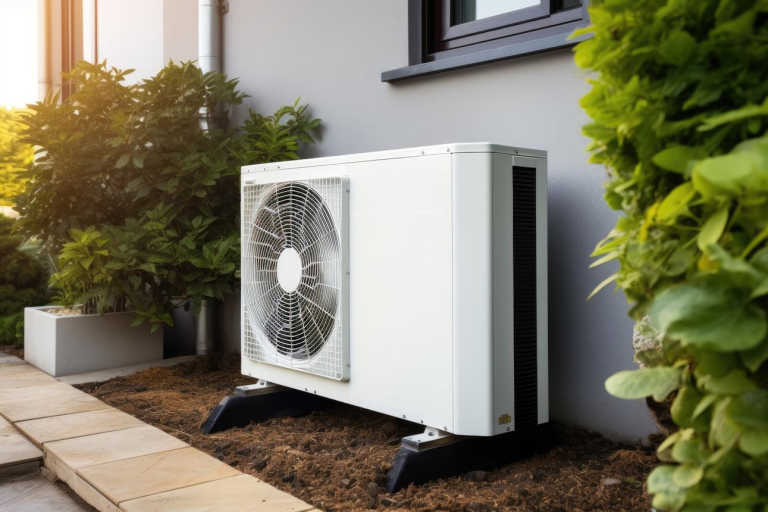
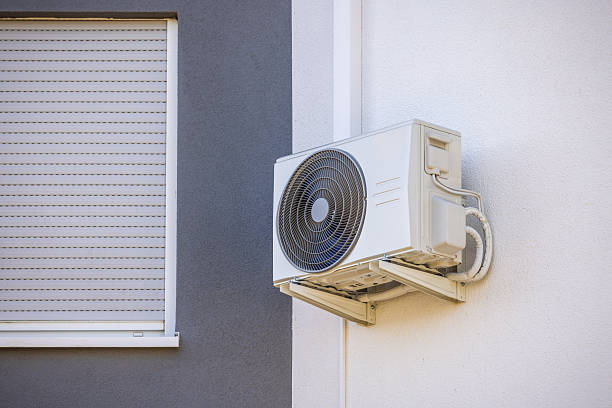
The outdoor unit is set on a pad, stand, or wall bracket depending on the home. The location should allow proper airflow and service access. It should also consider noise, snow clearance, drainage, and how line sets will reach the indoor units. Outdoor unit placement can add time if the site needs leveling, wall bracket mounting, or careful routing around landscaping.
A good outdoor location helps the system operate efficiently and makes future service easier. Poor outdoor placement can create airflow restrictions and maintenance headaches.
Line Sets, Drainage, And Electrical Work
Line set routing is one of the biggest timeline factors in ductless HVAC installation. Refrigerant lines connect the indoor and outdoor units, and they must be routed carefully to protect performance and appearance. Short, direct line runs are usually faster. Longer or more complex routes take more time, especially in finished homes where the crew must work neatly around walls, ceilings, exterior surfaces, and existing structures.
Drainage is another important part of the timeline. In cooling mode, indoor units remove moisture from the air, and that water must drain safely. Gravity drainage is usually preferred when possible. If gravity drainage is not practical, a condensate pump may be needed, which can add installation time and maintenance considerations. Electrical work can also affect timing, especially if a new breaker, disconnect, wiring run, or panel review is needed.
Refrigerant Line Routing
Refrigerant lines must be protected, properly connected, and sealed through wall penetrations. Exterior line covers are often used to improve appearance and protect lines from weather. For multi zone systems, routing may involve several lines from multiple indoor units to one outdoor unit, which takes more planning and labour.
A clean line route is worth the time because it reduces future service problems and keeps the installation looking professional. This is one reason the shortest ductless HVAC installation timeline is not always the best one if quality is sacrificed.
Condensate Drain Planning
Condensate drains must slope properly and discharge safely. Poor drainage can cause leaks, odors, or water damage. If the installation requires a pump, the pump must be installed where it can be accessed for service. Drain planning is especially important in bedrooms, finished basements, and upper floors.
Electrical Scope
Most ductless systems require a dedicated electrical circuit and outdoor disconnect. If your electrical panel has available capacity and access is easy, this step may be straightforward. If upgrades or long wiring runs are needed, the project can take longer. Always ask whether electrical work is included in your ductless HVAC installation quote.
Testing, Vacuuming, And Commissioning
Testing and commissioning are essential steps in ductless HVAC installation. Before the system operates, refrigerant lines should be pressure tested and vacuumed to remove air and moisture. This helps protect system performance and reliability. Skipping or rushing this step can create long term problems, even if the system appears to work on the first day.
After startup, the technician checks that the system responds correctly, cools or heats as expected, drains properly, and communicates between indoor and outdoor units. Natural Resources Canada notes that heat pumps use advanced technology to extract heat from outside air and heat a home even during Canada’s cold winter days, which makes correct commissioning important for homeowners who want both heating and cooling performance.
Why Vacuuming Takes Time
Vacuuming is not a decorative step. It removes air and moisture from the refrigerant circuit. The installer should allow enough time for the vacuum process and should verify results with proper tools. This can add time to the day, but it protects the equipment.
Homeowners should be cautious if an installer promises a very fast ductless HVAC installation but does not mention pressure testing, vacuuming, or commissioning. These steps are part of a quality project.
Final Startup And Performance Check
During startup, each mode and each zone should be tested. The technician checks airflow, temperature response, condensate drainage, remote controls, and any error codes. For multi zone systems, each indoor unit should be verified. This final check ensures the system is ready for regular use.
Things That Can Add Time
Even well planned projects can take longer if site conditions are more complicated than expected. A professional contractor should identify likely issues during the assessment, but some details are easier to confirm during installation. This random list shows what can add time to ductless HVAC installation.
- Multiple indoor units across different floors
- Long line set routes or difficult exterior routing
- Brick, stone, or concrete walls that require extra drilling time
- Electrical panel limitations or long wiring runs
- Condensate pumps where gravity drainage is not possible
- Tight spaces in basements, attics, or mechanical areas
- Outdoor unit mounting on brackets instead of a simple pad
- Weather conditions that slow outdoor work
How To Prepare Your Home For Faster Installation
Homeowner preparation can make ductless HVAC installation smoother. Clear furniture near indoor unit locations, remove fragile items from work areas, provide access to outdoor spaces, and make sure the electrical panel is reachable. If you have pets, keep them in a safe area away from tools and open doors. These small steps help the crew work efficiently and protect your home.
It also helps to confirm decisions before installation day. If you are still debating indoor unit placement or outdoor unit location while the crew is on site, the project can slow down. Ask questions during the consultation and confirm the final plan before work begins. This helps your ductless HVAC installation stay organized from start to finish.
Questions To Ask Before Installation
Ask how long the project is expected to take, how many crew members will be present, whether electrical work is included, where line sets will run, how drainage will be handled, and what testing will be completed before the crew leaves. These questions give you a clearer timeline and reduce surprises.
What To Expect After The Crew Leaves
After installation, you should know how to use the remote, adjust fan and swing settings, clean filters, and identify warning signs. Health Canada explains that ventilation helps improve indoor air quality by removing pollutants and bringing in fresh air, so homeowners should remember that HVAC comfort and indoor air quality both matter. A ductless system conditions room air, but good home ventilation practices still support a healthier indoor environment.
Why Choose Go Ductless Inc.
Go Ductless Inc. makes ductless HVAC installation clear, organized, and comfort focused. We assess your home before recommending equipment, explain the likely timeline, plan zone placement, review outdoor unit options, and discuss electrical and drainage needs upfront. Our goal is to avoid surprises and deliver a clean installation that performs reliably after the crew leaves.
We also help homeowners choose the right service pathway. If you need targeted comfort in one room, a Mini Split may be the right fit. If you want cooling focused comfort, Ductless Air Conditioning can solve hot rooms and improve summer comfort. If you want year round heating and cooling, a Ductless Heat Pump may be the best option. For homeowners comparing premium systems, Mitsubishi Electric M-Series and Daikin Ductless options can be reviewed based on comfort goals, efficiency needs, and budget.
Two Helpful Canadian Government Resources
Get A Clear Ductless HVAC Installation Timeline From Go Ductless Inc.
So, how long does ductless HVAC installation take? A simple single zone project may often be completed in one day, while multi zone installations can take longer depending on the number of indoor units, line routing, electrical needs, drainage planning, and site access. The best timeline is not always the fastest one. It is the one that includes proper placement, clean installation, pressure testing, vacuuming, commissioning, and homeowner training.
If you are in Toronto or the GTA and want a clear ductless HVAC installation timeline, contact Go Ductless Inc. We can assess your home, explain what affects your project timing, and recommend the right system path, whether that is a Mini Split, Ductless Air Conditioning, Ductless Heat Pump, Mitsubishi Electric M-Series, or Daikin Ductless solution. With the right planning, your installation can be smooth, efficient, and built for long term comfort.
Frequently Asked Questions
- How long does ductless HVAC installation usually take?
Ductless HVAC installation often takes one day for a simple single zone system, while multi zone projects can take longer depending on complexity. - What can make ductless HVAC installation take longer?
Ductless HVAC installation can take longer when there are multiple zones, long line set routes, electrical upgrades, difficult walls, or drainage challenges. - Is ductless HVAC installation faster than adding central ductwork?
Yes, ductless HVAC installation is usually faster and less invasive than adding full ductwork to a home. - Do I need to be home during ductless HVAC installation?
It is best to be available at the start and end of ductless HVAC installation to confirm placement and receive system training. - Does ductless HVAC installation include electrical work?
Ductless HVAC installation usually requires electrical work, but whether it is included depends on the quote, so ask before work begins. - Why is commissioning important in ductless HVAC installation?
Commissioning confirms that ductless HVAC installation was completed correctly and that the system runs, drains, and responds properly. - When should I call Go Ductless Inc. for ductless HVAC installation?
Call when you want a clear project timeline, proper zone planning, and professional ductless HVAC installation for your Toronto or GTA home.