Maintaining year-round comfort in Canadian homes requires a system that can handle both extreme cold winters and warm, humid summers. Traditional HVAC systems often struggle with efficiency, flexibility, and energy consumption. This is why mini split heat pumps have become one of the most reliable and energy-efficient solutions for modern homeowners.
These systems offer a smart alternative to conventional heating and cooling methods by combining both functions into one compact, ductless system. Whether you are upgrading an older home, improving a condo, or designing a new living space, mini split heat pumps provide a flexible and efficient solution for consistent indoor comfort. You can explore more about our services at Go Ductless Info.
What Makes Mini Split Heat Pumps Different
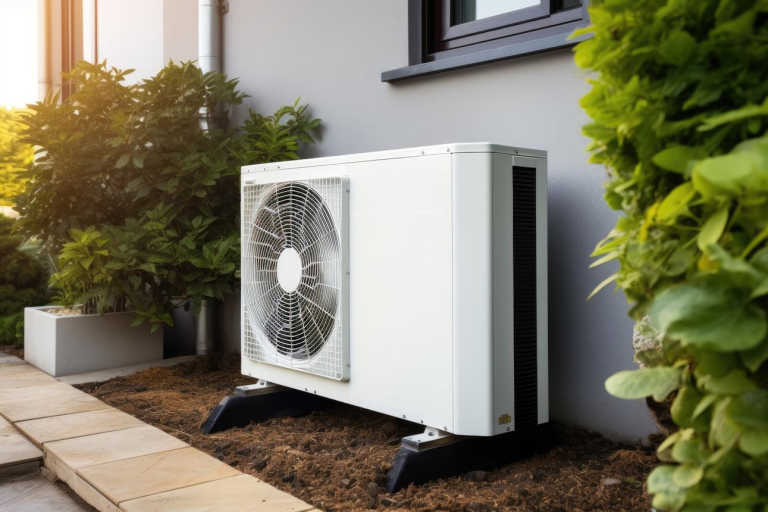
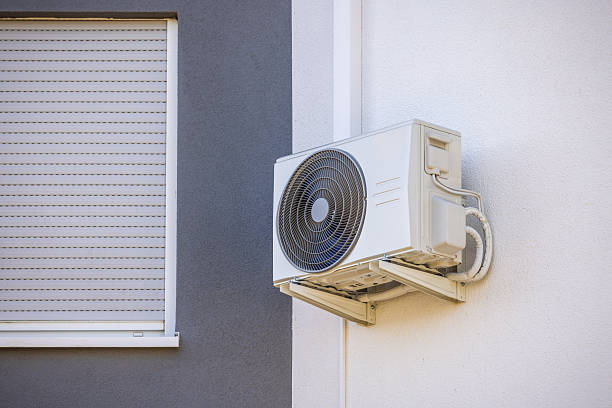
Mini split heat pumps are not just air conditioners or heaters they are all-in-one climate control systems. Unlike traditional HVAC systems that rely heavily on ductwork, these systems deliver air directly into individual rooms through indoor units.
This direct delivery method eliminates major energy losses and provides better control over temperature zones. It also allows homeowners to customize comfort levels in different parts of the home, something central systems cannot easily achieve.
Growing Demand in Modern Canadian Homes
In cities like Toronto, housing diversity is a major factor driving demand for ductless systems. Older homes often lack ductwork entirely, while newer condos may have restrictions on installing bulky HVAC systems.
Mini split heat pumps solve both problems by offering a compact, flexible solution that works in almost any environment. Homeowners are increasingly choosing them not just for convenience, but also for long-term efficiency and improved indoor comfort.
Advanced Technology Behind Mini Split Systems
Modern mini split heat pumps use inverter-driven compressor technology, which allows the system to adjust its speed based on heating or cooling demand.
Instead of turning on and off repeatedly like traditional systems, they operate continuously at variable speeds. This results in smoother performance, less energy waste, and more stable indoor temperatures.
They also use advanced refrigerant systems that efficiently transfer heat between indoor and outdoor environments, even in challenging weather conditions.
For a deeper understanding of efficiency behaviour, you can explore ductless mini split power consumption insights.
Year-Round Comfort in One System
One of the strongest advantages of mini split heat pumps is their ability to provide both heating and cooling throughout the year.
In summer, they act as high-efficiency air conditioners by removing heat from indoor air. In winter, they reverse the process and extract heat from outdoor air, even in cold temperatures, and bring it indoors.
This dual functionality eliminates the need for separate heating and cooling systems, making them a practical long-term solution for homeowners.
Zoned Comfort for Better Living
Zoned cooling and heating is one of the most appreciated features of mini split systems. Each indoor unit operates independently, allowing you to set different temperatures in different rooms.
For example, you can keep your living room cooler during the day while maintaining a warmer temperature in bedrooms. This level of control not only improves comfort but also enhances efficiency by reducing unnecessary energy use.
Installation Flexibility for Any Space
Mini split heat pumps are designed with flexibility in mind. Since they do not require ductwork, installation is significantly easier and less invasive.
They are ideal for:
- Older homes without duct systems
- Newly renovated spaces
- Condos and apartments
- Basements and attics
- Home extensions and additions
Their compact design allows installers to place indoor units on walls, ceilings, or even floor-mounted positions depending on the layout of the space.
For system options and installation support, you can explore mini split conditioner solutions.
Energy Efficiency That Makes a Difference
Energy efficiency is one of the main reasons homeowners switch to mini split heat pumps. Since there are no ducts involved, energy loss is significantly reduced.
Traditional HVAC systems often lose a portion of conditioned air through duct leakage. Mini split systems avoid this entirely by delivering air directly where it is needed.
This efficient operation not only reduces energy usage but also helps maintain more stable indoor temperatures throughout the home.
Improved Indoor Air Quality
Mini split systems also contribute to better indoor air quality. Most units include built-in filtration systems that help reduce dust, allergens, and airborne particles.
Because air is circulated directly within each zone, there is less contamination compared to duct-based systems where dust can accumulate over time.
This makes them a great option for households with allergies or sensitivity to air quality.
Quiet and Comfortable Operation
Unlike traditional HVAC systems that can produce noticeable noise from ducts or large compressors, mini split heat pumps are designed for quiet operation.
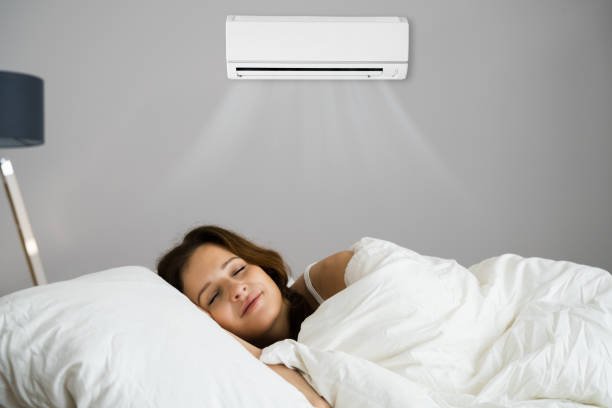
Indoor units operate at very low sound levels, making them ideal for bedrooms, offices, and study areas. The outdoor unit is also engineered to minimize noise impact.
This ensures a peaceful indoor environment without disruption.
Smart Control and Modern Features
Many modern mini split systems come with smart control features, allowing homeowners to adjust settings through remote controls or mobile apps.
This adds convenience and allows better energy management by scheduling temperature changes based on daily routines.
Some systems also include sensors that detect room occupancy and adjust output, accordingly, further improving efficiency.
Long-Term Reliability and Maintenance
Mini split heat pumps are built for long-term performance with minimal maintenance requirements. Regular filter cleaning and occasional professional servicing are usually enough to keep them running efficiently.
Their simple design with fewer mechanical components also reduces the chances of major system failures.
Professional Installation Matters
While mini split systems are flexible and efficient, proper installation is critical to achieving optimal performance. Incorrect placement or sizing can affect airflow, efficiency, and comfort levels.
That’s why working with experienced professionals ensures the system is installed correctly and tailored to your home’s layout.
For expert help and consultation, you can reach out via the contact page.
Why Homeowners Are Switching to Mini Split Heat Pumps
More homeowners are switching to mini split heat pumps because they offer a combination of efficiency, flexibility, and modern technology that traditional systems cannot match.
They reduce energy waste, improve comfort, and adapt easily to different home designs. As energy costs and environmental awareness continue to grow, ductless systems are becoming the preferred choice for modern living.
Final Thoughts
Mini split heat pumps represent the future of home heating and cooling. Their ability to provide year-round comfort, reduce energy consumption, and adapt to any living space makes them a highly practical solution for Canadian homeowners.
Whether upgrading an older home or designing a new one, these systems offer a reliable, efficient, and modern way to manage indoor climate.
With proper installation and system selection, homeowners can enjoy consistent comfort, better efficiency, and long-term performance.
FAQs
-
What is a mini split heat pump?
A mini split heat pump is a ductless system that provides both heating and cooling by transferring heat between indoor and outdoor air.
-
How does a mini split heat pump work?
It works by extracting heat from outside air in winter and removing heat from indoor air in summer using refrigerant technology.
-
Are mini split heat pumps energy efficient?
Yes, they are highly energy efficient because they use heat transfer instead of generating heat directly, reducing energy waste.
-
Can mini split heat pumps be used year-round?
Yes, they provide both heating and cooling, making them suitable for all seasons.
-
Do mini split systems require ductwork?
No, they are ductless systems, which makes installation easier and reduces energy loss compared to traditional HVAC systems.