Few things are more frustrating than turning on your system on a hot day and realizing you are still sweating an hour later. When a mini split is not cooling, most homeowners assume the unit is broken or low on refrigerant. In reality, many mini split cooling problems are caused by settings, airflow restrictions, or outdoor unit issues that you can identify quickly. The key is to troubleshoot in the right order, so you do not miss simple fixes or waste time guessing.
In this guide, Go Ductless Inc. explains the most common mini split cooling problems, what symptoms mean, and how to fix the issue safely. You will learn which steps you can do yourself, which steps should be left to a professional, and how to prevent repeat problems with better maintenance and system design. If your home is in Toronto or the GTA, these tips will also help you recognize when it is time to schedule a service visit before the heat becomes unbearable.
Start With Settings And Operating Basics
A surprising number of mini split cooling problems come down to a simple issue: the unit is not actually in cooling mode, the set temperature is not low enough, or the fan setting is preventing proper cooling. Because mini splits use inverter technology, they often ramp up and down gradually. That can make a small setting mistake look like a bigger failure. Before you open covers or think about repairs, confirm the basics and give the system time to respond.
Another common scenario is a power interruption or breaker reset that changes behavior. Some systems have built in compressor protection delays. You might hear the indoor fan, but cooling does not start immediately. If mini split cooling problems began after an outage, start by resetting your expectations and confirming a stable cooling command.
Confirm Cool Mode, Setpoint, And Fan Setting
Set the unit to Cool mode, lower the temperature at least 3 to 5 degrees below room temperature, and select Auto fan or a medium fan speed. Then wait 10 to 15 minutes. Mini splits do not always blow icy air instantly because they modulate. If the unit begins cooling but feels weak, continue down the checklist.
Quick Checklist
- Mode: Cool
- Set temperature: below room temperature
- Fan: Auto or medium
- Swing: On for better distribution
- Doors and windows: closed
Check For A Time Delay After Restart
If the compressor does not start right away, the system may be protecting itself. Leave it on in Cool mode and avoid switching modes rapidly. Rapid cycling can create additional mini split cooling problems by confusing the control logic and stressing components. If cooling does not start within 15 minutes, move to airflow checks.
Airflow Issues That Cause Weak Cooling
Airflow is one of the biggest drivers of mini split cooling problems. The indoor unit must pull warm room air through a filter and across a cold coil. If airflow is restricted, the system cannot remove enough heat. Airflow restriction can also cause coil icing, which further reduces cooling and can lead to dripping water once the ice melts.
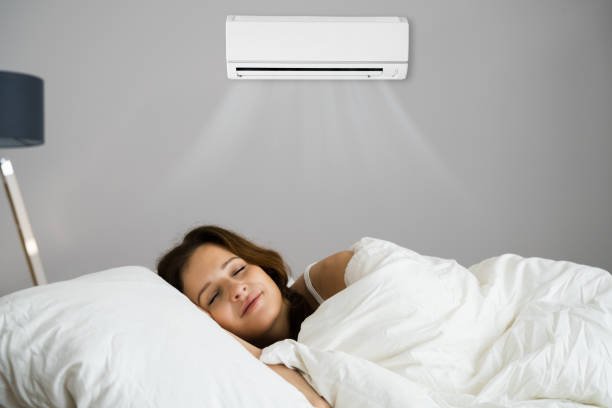
Many airflow problems are easy to fix. Dirty filters, blocked vents, and furniture blocking the discharge path are the most common. In bedrooms, heavy curtains can partially cover the indoor unit without you noticing. In living spaces, tall cabinets or shelves placed too close can disrupt circulation.
Dirty Filters Are A Top Cause
A clogged filter is one of the most common mini split cooling problems, especially in homes with pets, renovations, or high outdoor pollen. Remove the filter, clean it per manufacturer instructions, let it dry completely, and reinstall. While the filter is out, check for visible dust buildup on the coil surface. If the coil is heavily clogged, that may require professional cleaning.
Signs Filters Are The Issue
- Weak airflow from the indoor unit
- Room stays warm even though the unit runs
- Musty or dusty smells
- Indoor unit sounds louder than usual
Blocked Air Discharge Or Return Air
Mini split cooling problems can also happen when airflow is physically blocked. Make sure the front discharge area is clear and the return intake is not obstructed. Avoid placing furniture directly under the unit in a way that forces air to bounce back. Keep curtains and drapes from covering the indoor unit’s intake or discharge.
Easy Fixes
- Move furniture away from the airflow path
- Pull curtains back from the indoor head
- Open interior doors if you are trying to cool adjacent spaces
Outdoor Unit Issues That Prevent Cooling
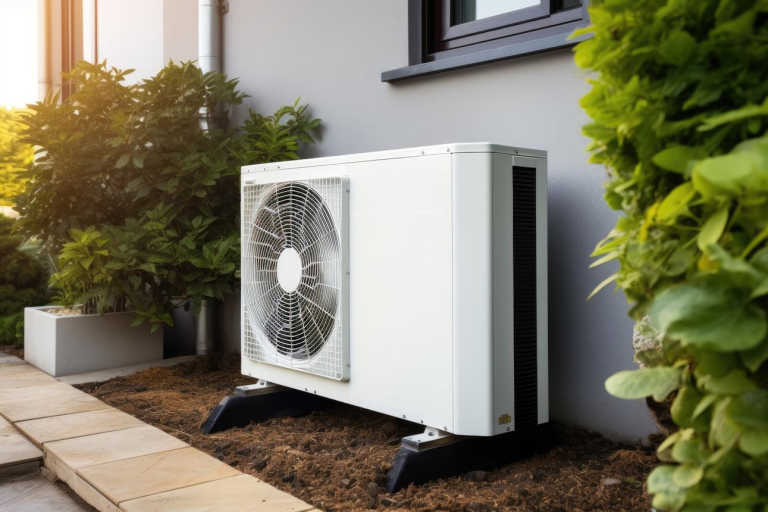
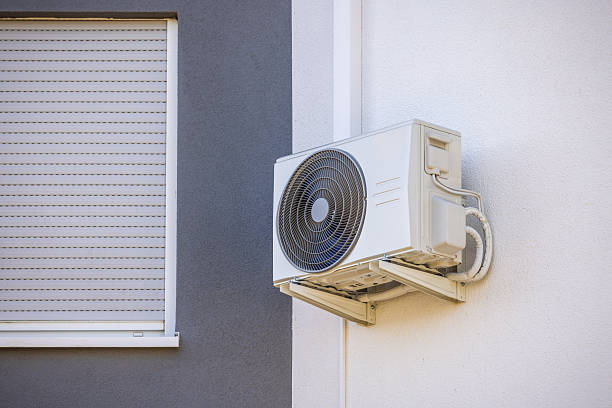
A mini split works by moving heat from inside to outside. If the outdoor unit cannot reject heat properly, mini split cooling problems show up indoors as weak or inconsistent cooling. Outdoor units need airflow through the coil and a functioning fan. If debris blocks the coil, if the fan is not running, or if the unit is buried behind stored items, cooling performance drops fast.
Outdoor conditions also matter. During heat waves, the system works harder. If the outdoor unit is already restricted by debris or poor placement, you may notice mini split cooling problems only on the hottest afternoons. That does not mean the unit is fine. It often means the system is operating near its limit and needs maintenance.
Check Outdoor Clearance And Coil Cleanliness
Visually inspect the outdoor unit. Remove leaves, weeds, or objects that block airflow. Ensure you have open space around the unit so it can breathe. If the coil is dirty, gentle cleaning with low pressure water can help. Avoid high pressure sprays because they can bend fins and worsen airflow.
Symptoms Of Outdoor Airflow Problems
- Cooling is weaker during the hottest part of the day
- Outdoor unit is very hot to the touch
- Fan sounds strained or inconsistent
- System runs long hours without reaching set temperature
Outdoor Fan Not Running Properly
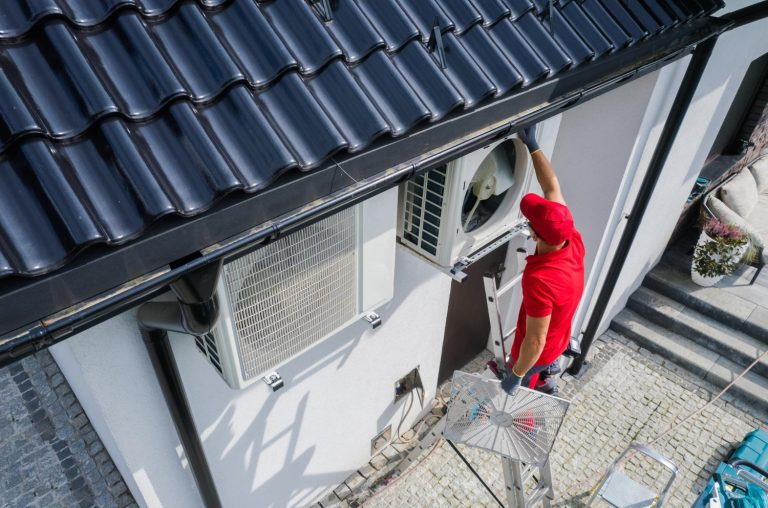
If the outdoor fan is not running, heat cannot be expelled effectively. This can cause serious mini split cooling problems. The issue might be an electrical fault, a motor problem, or a control issue. This is not a DIY repair. If the outdoor unit is not running normally, it is time to call a professional.
Frozen Coils And Icing Problems
When the indoor coil freezes, the system loses heat transfer ability. A frozen coil is one of the most visible mini split cooling problems, and it is often caused by low airflow, dirty filters, or refrigerant issues. If you see frost or ice, do not keep forcing cooling. Switch the unit to fan mode and let it thaw.
After thawing, clean filters and confirm airflow is strong. If icing returns quickly, that is a sign of deeper issues. Continued icing can lead to water leaks, damage to components, and ongoing mini split cooling problems.
What Causes A Coil To Freeze
Coils freeze when the coil temperature drops too low and moisture in the air freezes on contact. The most common reason is low airflow. Another reason is low refrigerant pressure caused by a leak. Either way, the result is the same: ice buildup blocks airflow and cooling performance collapses.
Signs Of Coil Icing
- Weak airflow
- Water dripping after thaw
- Cooling works briefly then stops
- Ice visible on coil or piping
What To Do If You Find Ice
Turn cooling off and set fan mode to thaw. Check filters and airflow. Do not keep running cooling with ice present. If the unit freezes again, schedule service. A professional can identify whether airflow or refrigerant issues are driving mini split cooling problems.
Refrigerant Issues And Leaks
Refrigerant does not get used up. If your system is low, it usually means there is a leak. Low refrigerant can cause weak cooling, icing, long runtimes, and inconsistent operation. These are classic mini split cooling problems that require professional diagnosis.
A technician will check pressures, temperatures, and system performance, then locate and repair leaks before recharging. Simply adding refrigerant without repairing the leak is not a long term solution. If you suspect refrigerant issues, the safest approach is to stop DIY troubleshooting and schedule service.
Symptoms That Suggest Low Refrigerant
- Cooling slowly worsens over weeks or months
- Indoor coil icing persists despite clean filters
- Hissing or bubbling sounds near line connections
- The system runs long but never reaches set temperature
Why Refrigerant Repairs Must Be Professional
Refrigerant handling requires proper tools and certification. It also requires following regulations that protect safety and the environment. If your mini split cooling problems point to refrigerant, Go Ductless Inc. can diagnose the issue properly and restore performance with the right repair steps.
Control, Sensor, And Thermostat Related Issues
Mini splits often use built in sensors to measure room temperature. If the sensor is affected by sunlight, electronics heat, or poor air mixing, the unit may misread the room and reduce output early. That can create mini split cooling problems where the room stays warm even though the unit appears to be running.
Sensor issues are common in bedrooms with heavy curtains or in rooms where the indoor unit is placed near a TV, lamp, or warm appliance. Better airflow, different fan settings, and repositioned obstacles can help. If the system has advanced controls, adjustments may also improve accuracy.
Temperature Sensing And Room Mixing
The indoor unit needs good air mixing to sense room temperature accurately. If cool air stays near the unit and warm air stays across the room, the unit may think the room is already cool. That leads to mini split cooling problems that feel like weak performance. Using Auto fan, enabling swing, and keeping doors open when appropriate can improve mixing.
Remote Control Problems
Remote control issues also create mini split cooling problems. Low batteries can cause commands to fail or send partial settings. If cooling behavior seems inconsistent, replace remote batteries and confirm the display shows the correct mode and set temperature.
Drain And Moisture Issues That Trigger Shutdowns
A clogged drain line can cause water buildup and sometimes trigger a safety shutdown. In high humidity weather, mini splits produce more condensate. If the drain is partially blocked, you may see dripping water indoors, musty smells, or intermittent shutdowns. These can be mini split cooling problems that appear as weak cooling because the system stops before it can do its job.
If you notice water leakage, turn the unit off and inspect the area. Some minor clogs can be cleared, but if you are unsure, professional service is safer. Water damage can be expensive, and persistent drain issues often require proper cleaning and inspection.
Signs You May Have A Drain Issue
- Water dripping from the indoor unit
- Musty odor near the unit
- Cooling stops and error codes appear
- Problems worsen during humid days
Mini Split Cooling Problems People Miss
Many homeowners check the obvious things and still miss simple causes. This random list highlights issues that frequently lead to mini split cooling problems even when the system is otherwise healthy.
- Unit left in Dry mode instead of Cool mode
- Set temperature too close to room temperature
- Remote batteries weak and commands not applied
- Filters look clean but are clogged with fine dust
- Outdoor unit blocked by weeds or stored items
- Curtains covering the indoor intake
- Indoor coil beginning to ice due to airflow restriction
- Multiple zones competing for capacity on a multi zone system
How To Prevent Future Cooling Problems
Once you fix the immediate issue, prevention is the next step. Many mini split cooling problems repeat because filters are not cleaned regularly, outdoor units are not kept clear, or the system is not maintained before the hottest months. Simple routines reduce breakdown risk and improve efficiency.
If you have a multi zone system, consider how you use zones. Avoid extreme setpoints in one room that force the system to prioritize that zone. Use reasonable setpoints and let the inverter system modulate. For long term stability, schedule periodic checkups to catch airflow, coil, and drain issues before they become mini split cooling problems.
Maintenance Habits That Matter
- Clean filters on a regular schedule
- Keep outdoor unit clear of debris
- Check airflow and remove obstructions
- Do not block indoor units with furniture or curtains
- Schedule professional maintenance when performance drops
Why Choose Go Ductless Inc.
Go Ductless Inc. helps homeowners solve mini split cooling problems with a clear diagnostic process, not guesswork. We start with airflow, settings, coil condition, and outdoor unit performance. Then we test deeper factors like refrigerant performance and electrical communication if needed. This approach identifies the real cause and prevents repeated issues that waste time and money.
We also help homeowners design systems that reduce future mini split cooling problems. If your home needs better zoning, we can recommend a Mini Split solution that targets key rooms. If you want year round comfort, we can design a Ductless Heat Pump setup that balances heating and cooling. For premium performance and control options, we can discuss Mitsubishi Electric M-Series configurations. If your focus is cooling design and placement, we also offer Ductless Air Conditioning planning that improves airflow and comfort during peak summer.
Two Helpful Canadian Government Or Educational Resources
Natural Resources Canada explains heat pump basics and how these systems transfer heat, which can help you understand what changes when performance drops.
Health Canada provides guidance on improving indoor air quality and ventilation practices, which can be useful when running cooling systems in closed homes.
Get Expert Help For Mini Split Cooling Problems From Go Ductless Inc.
Mini split cooling problems do not always mean a major repair. Many issues come down to mode settings, dirty filters, blocked airflow, outdoor unit restrictions, or coil icing. Start with the simplest checks, confirm airflow is strong, and inspect the outdoor unit for clear airflow. If icing returns, if cooling remains weak after basic steps, or if the outdoor unit is not running correctly, professional diagnosis is the fastest way to restore comfort.
If you are dealing with mini split cooling problems in Toronto or the GTA, contact Go Ductless Inc. We can assess your system, identify the real cause, and recommend the best fix, whether that is a maintenance reset, a targeted repair, or a design improvement with better zoning using Mini Split, year round performance through a Ductless Heat Pump, or premium options like Mitsubishi Electric M-Series.
Frequently Asked Questions
- What is the first step when mini split cooling problems start suddenly?
The first step for mini split cooling problems is to confirm Cool mode, lower the set temperature, and wait 10 to 15 minutes for the compressor to ramp up. - Can dirty filters cause mini split cooling problems?
Yes, dirty filters restrict airflow and are one of the most common causes of mini split cooling problems. - Why do mini split cooling problems get worse during heat waves?
Mini split cooling problems can worsen during heat waves if the outdoor unit is blocked or dirty, because the system cannot reject heat efficiently. - Do frozen coils always mean mini split cooling problems are serious?
Frozen coils indicate airflow or refrigerant issues. Mini split cooling problems can be simple if filters are dirty, but repeated icing needs professional diagnosis. - Can low refrigerant cause mini split cooling problems even if the unit still runs?
Yes, low refrigerant can cause weak cooling, long runtimes, and recurring icing, all of which are common mini split cooling problems. - Can remote control issues create mini split cooling problems?
Yes, wrong mode settings or weak batteries can lead to mini split cooling problems that look like equipment failure. - When should I call a technician for mini split cooling problems?
Call a technician when mini split cooling problems continue after basic checks, icing returns repeatedly, error codes appear, or the outdoor unit is not running properly.