Homeowners today want cooling systems that are energy-efficient, flexible, and cost-effective. Traditional HVAC systems still work for many properties, but more homeowners are now comparing modern cooling options that offer better comfort and lower energy use.
One system gaining significant attention is mini split air conditioning, and many homeowners are choosing mini split air conditioning for its efficiency and flexibility.
Whether upgrading an older HVAC setup or choosing a cooling system for a new renovation, many homeowners are now considering mini split air conditioning because of its efficiency and convenience.
GO DUCTLESS INC helps homeowners understand how modern cooling systems work and why ductless technology continues to grow in popularity.
What Is Mini Split Air Conditioning?
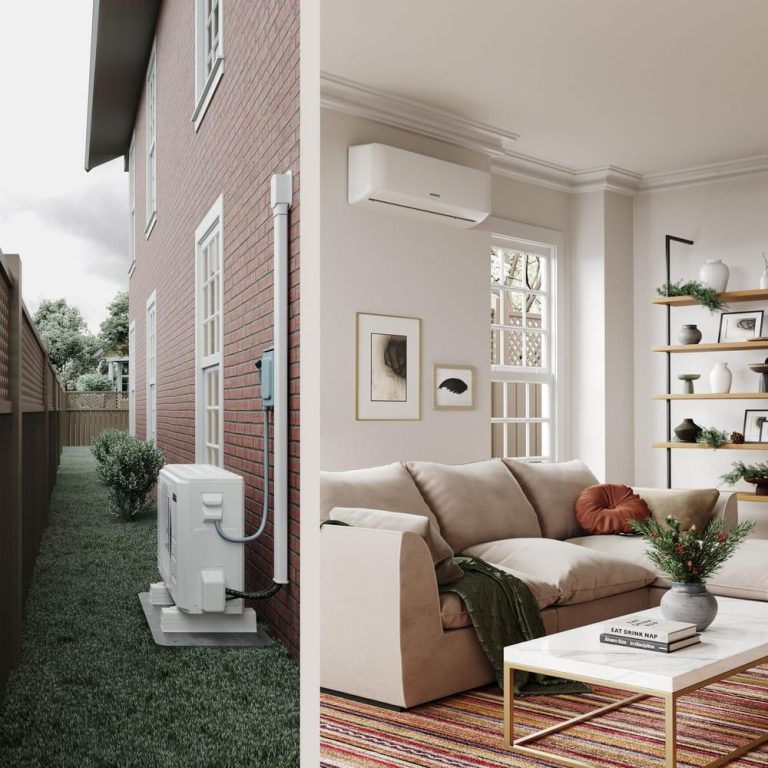
Mini split air conditioning is a ductless cooling and heating system designed to control indoor temperatures without traditional ductwork.
The system usually includes:
- An outdoor compressor unit
- One or more indoor air handlers
- Refrigerant lines connecting the units
Unlike central HVAC systems, mini split systems deliver cooled or heated air directly into specific rooms or zones.
This allows homeowners to customize comfort levels throughout the house.
Why Homeowners Are Choosing Ductless Cooling Systems
Modern homeowners are focusing more on:
- Energy efficiency
- Lower utility bills
- Flexible installation
- Better indoor comfort
- Smart technology integration
That is why mini split air conditioning systems are becoming increasingly popular in residential properties.
That is why ductless air conditioning systems are becoming increasingly popular in residential properties.
Mini split systems provide practical solutions for homes where traditional ductwork is expensive, outdated, or unavailable.
How Mini Split Systems Compare to Traditional HVAC Systems
When comparing cooling systems, homeowners often look at installation, operating costs, comfort, and maintenance.
1. Installation Flexibility
Traditional HVAC systems require extensive ductwork throughout the property.
This can become expensive and disruptive, especially in older homes.
A mini ductless air conditioner only requires a small opening for refrigerant lines, making installation much easier.
Mini split systems work well for:
- Older homes
- Condos
- Home additions
- Basement apartments
- Garages
- Renovated spaces
2. Energy Efficiency
One of the biggest advantages of mini split air conditioning is improved energy efficiency.
Traditional systems often lose energy through duct leaks.
Ductless systems avoid this issue completely.
Most modern ductless HVAC systems also use inverter technology, which adjusts power usage based on cooling demands.
Benefits include:
- Lower hydro bills
- Reduced energy waste
- Consistent indoor temperatures
- Better system performance
3. Zoned Temperature Control
Traditional systems use one thermostat for the entire home.
Mini split air conditioning systems allow independent temperature control for different rooms.
This means homeowners can:
- Cool occupied rooms only
- Adjust bedroom temperatures separately
- Reduce cooling in unused spaces
- Improve overall comfort
This zoning capability improves both comfort and efficiency.
Ideal Homes for Mini Split Air Conditioning
Not every home has the same cooling needs.
Mini split systems are especially useful for:
1. Older Homes Without Ductwork
Many older homes were not originally designed with central air systems.
Installing ductwork later can be costly and complicated.
A mini ductless air conditioner provides modern comfort without major renovations.
2. Home Additions and Renovations
Adding new living spaces often creates HVAC challenges.
Mini split systems work well for:
- Sunrooms
- Basement suites
- Attic conversions
- Home offices
- Guest rooms
These systems provide targeted comfort without overloading existing HVAC equipment.
3. Condos and Apartments
Condo owners often need compact cooling solutions.
Mini split systems save space while delivering efficient performance and quiet operation.
Benefits of Ductless HVAC Systems
1. Improved Indoor Air Quality
Traditional ducts can collect:
- Dust
- Mold
- Allergens
- Pet dander
Since ductless HVAC systems operate without ducts, they reduce the circulation of airborne contaminants.
Many systems also include advanced air filtration features.
2. Quiet Operation
Mini split systems are much quieter than many traditional air conditioners.
This makes them ideal for:
- Bedrooms
- Nurseries
- Offices
- Study areas
Quiet operation improves daily comfort and reduces noise disruptions.
3. Year-Round Heating and Cooling
Modern mini split systems provide both heating and cooling.
This makes them practical for changing seasonal conditions.
Homeowners can enjoy:
- Cooling during summer
- Heating during winter
- Stable temperatures year-round
4. Smart Technology Features
Many modern systems include:
- Wi-Fi controls
- Smartphone access
- Remote controls
- Programmable scheduling
- Energy monitoring
These features help homeowners improve convenience and energy management.
Comparing Operating Costs
Many homeowners ask whether mini split systems save money over time.
While installation costs may vary, long-term energy savings often make the investment worthwhile.
1. Lower Energy Bills
Because ductless air conditioning systems operate more efficiently, homeowners often notice lower monthly utility costs.
2. Reduced Maintenance Needs
Traditional duct systems may require:
- Duct cleaning
- Leak repairs
- Extensive servicing
Mini split systems typically involve simpler maintenance routines.
3. Longer Equipment Lifespan
Routine maintenance helps mini split systems remain efficient for many years.
This can reduce replacement costs over time.
Common Concerns Homeowners Have
Are Mini Split Systems Expensive?
Installation costs depend on:
- Home size
- Number of indoor units
- System capacity
- Installation complexity
Although upfront costs may seem higher than window units, energy savings and improved comfort often provide long-term value.
Do Mini Split Systems Work in Cold Weather?
Yes.
Modern ductless HVAC systems are designed to operate efficiently in both hot and cold climates.
Many systems provide reliable heating during winter conditions.
Are They Difficult to Maintain?
No.
Basic maintenance usually includes:
- Cleaning filters
- Keeping outdoor units clear
- Scheduling annual inspections
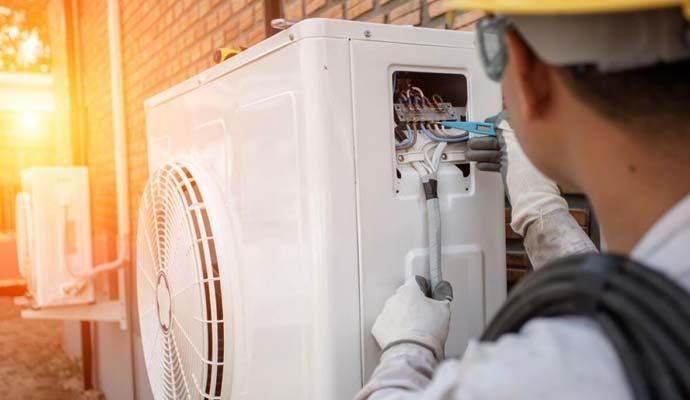
Professional servicing helps maintain long-term performance.
Why Professional Installation Matters
Proper installation is essential for system efficiency and durability.
Experienced Toronto ductless specialists understand how to:
- Size the system correctly
- Position indoor units properly
- Optimize airflow
- Ensure energy efficiency
- Prevent installation issues
Incorrect installation can reduce efficiency and shorten equipment lifespan.
GO DUCTLESS INC helps homeowners choose systems that match their property layout, comfort needs, and energy goals.
Signs It May Be Time to Upgrade
Homeowners may benefit from switching to mini split systems if they experience:
- High energy bills
- Uneven room temperatures
- Frequent HVAC repairs
- Poor airflow
- No existing ductwork
- Expensive renovation plans
Modern ductless systems provide efficient comfort while reducing energy waste.
Tips for Maintaining Mini Split Systems
To keep your system operating efficiently:
- Clean air filters regularly
- Schedule yearly professional servicing
- Keep outdoor units free of debris
- Monitor unusual sounds or odors
- Avoid blocking airflow around indoor units
Regular maintenance helps improve performance and system lifespan.
Environmental Benefits of Mini Split Systems
Energy-efficient HVAC systems also support sustainability goals.
Because mini split air conditioning systems reduce wasted energy, they help lower overall environmental impact.
This makes them a more eco-friendly cooling option for modern homes.
Why More Homeowners Are Switching to Ductless Systems
Homeowners today want:
- Better efficiency
- Lower operating costs
- Flexible comfort solutions
- Easier installation
- Modern technology
Mini split systems meet these expectations while offering reliable year-round performance.
That is why demand for ductless cooling systems continues to grow.
Final Thoughts
Choosing the right HVAC system is important for long-term comfort and energy savings.
For homeowners comparing cooling systems, mini split air conditioning offers flexibility, efficiency, and reliable performance without the limitations of traditional ductwork.
Whether upgrading an older home, renovating a property, or improving indoor comfort, ductless systems continue to provide practical solutions for modern living.
As more homeowners focus on smarter energy usage and customized comfort, mini split systems are becoming one of the most preferred HVAC options available today.
FAQs
1. What is mini split air conditioning?
Mini split air conditioning is a ductless cooling and heating system that provides zoned temperature control without traditional ductwork.
2. Are ductless HVAC systems energy-efficient?
Yes. Most ductless systems use inverter technology that reduces energy waste and improves efficiency.
3. Can a mini ductless air conditioner cool multiple rooms?
Yes. Multi-zone systems can connect several indoor units to one outdoor unit for whole-home comfort.
4. How long do mini split systems last?
With proper maintenance, many systems can last 15–20 years or longer.
5. Do mini split systems require professional installation?
Yes. Professional installation helps ensure proper sizing, efficiency, and long-term performance.
6. Why are Toronto ductless specialists recommending mini split systems?
Because they offer flexible installation, lower energy use, quiet operation, and improved comfort for modern homes.