Toronto’s climate demands a cooling solution that is not only effective during humid summers but also adaptable enough to support year-round comfort. Many homeowners are now moving away from traditional HVAC systems and turning to mini air conditioners Solutions , also known as ductless mini-split systems, for a more efficient and flexible alternative. Providers like Go Ductless have made it easier for homeowners to adopt these modern systems with tailored solutions designed specifically for Toronto properties.
This guide explains how these systems work, why they are particularly suited for Toronto homes, and what you should consider before installing one.
Understanding Mini Air Conditioner Systems
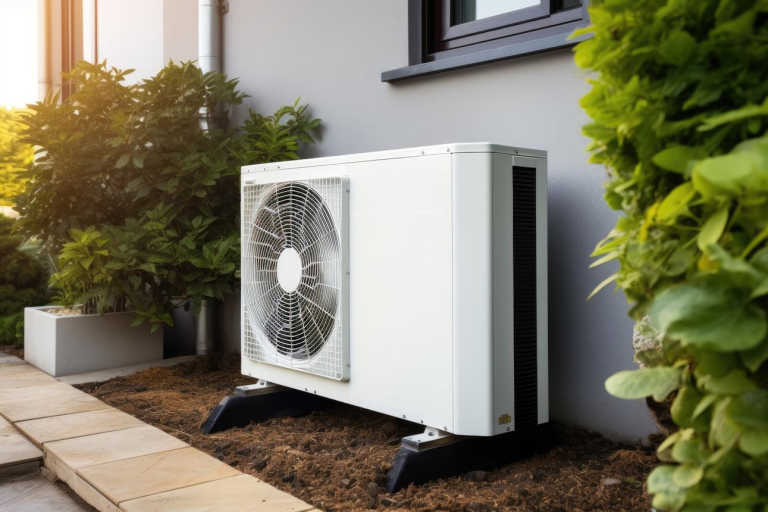
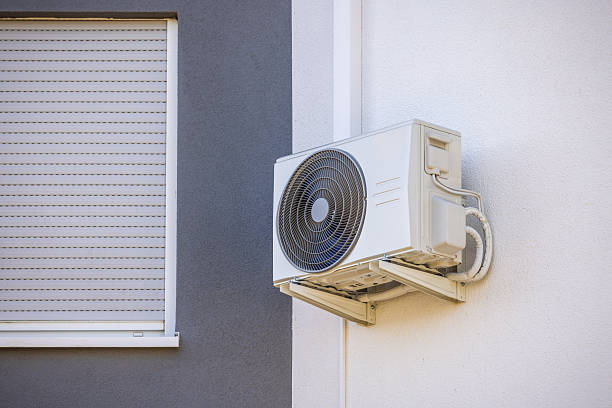
A mini air conditioner is a compact system designed to cool specific areas of your home without relying on ductwork. It consists of an outdoor unit connected to one or more indoor units through small refrigerant lines. Instead of pushing air through ducts, it delivers conditioned air directly into each room.
This direct approach eliminates the energy losses commonly associated with duct systems and allows for more precise temperature control. The system works using heat transfer technology, removing heat from inside your home during summer and releasing it outdoors. Many modern systems, such as a ductless heat pump in Toronto, also provide efficient heating during colder months, making them a year-round solution.
Why Mini Air Conditioners Work Well in Toronto Homes
Toronto’s housing mix includes older homes, modern condos, and renovated properties, many of which were not designed with central air systems in mind. Installing ductwork in such spaces can be disruptive and costly. Mini air conditioners solve this problem by requiring only minimal structural changes, making them ideal for retrofits and upgrades.
Another key advantage is their ability to handle varying temperatures. With advanced inverter technology, these systems adjust their output based on real-time demand, maintaining consistent indoor comfort while reducing energy usage. This is particularly useful in Toronto, where temperatures can fluctuate significantly throughout the year.
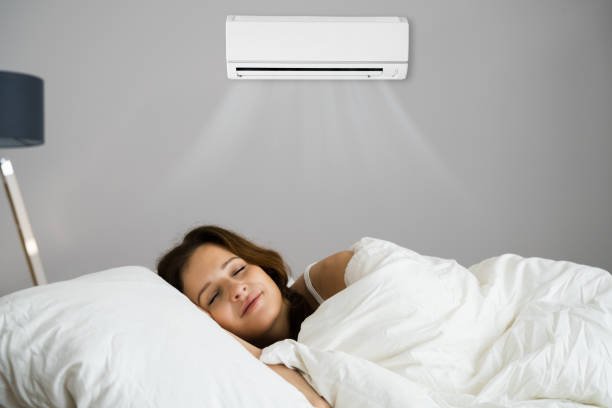
Homeowners also benefit from zoned cooling. Instead of conditioning the entire house, you can control temperatures in individual rooms. This not only improves comfort but also helps reduce unnecessary energy consumption, especially in larger homes.
Energy Efficiency and Cost Savings
Energy efficiency is one of the main reasons homeowners choose ductless systems. Traditional systems often lose a significant amount of energy through duct leakage, while mini air conditioners deliver air directly where it is needed.
Although the upfront cost may seem higher compared to window units or portable air conditioners, the long-term savings are noticeable. Lower energy bills, reduced maintenance requirements, and longer system lifespan contribute to a better return on investment.
Additionally, Toronto homeowners may have access to energy efficiency incentives or rebate programs, which can further reduce installation costs and make the switch more affordable.
Where Mini Air Conditioners Are Most Effective
Mini air conditioners offer flexible cooling solutions that adapt to different home layouts and space limitations. Their ductless design makes them especially practical in areas where installing or extending traditional systems is difficult.
- Ideal for homes without existing ductwork, eliminating the need for major structural changes
- Perfect for areas where traditional systems struggle to provide consistent cooling
- Commonly used in basements, offering reliable temperature control in lower levels
- Suitable for home additions where extending ductwork is not practical
- Effective in attic conversions, helping manage heat buildup in upper spaces
- A great solution for condo units with limited installation flexibility
- Well-suited for older homes where preserving the original structure is important
- Requires minimal renovation, making installation quicker and less disruptive
Installation and What to Expect
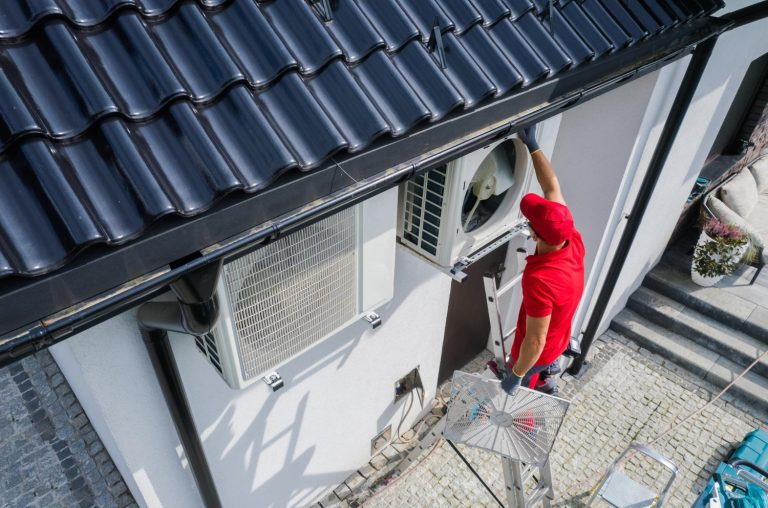
The installation process for a mini air conditioner is straightforward when handled by professionals. It typically begins with an assessment of your home to determine the appropriate system size and placement. Proper sizing is essential, as an undersized or oversized unit can affect both performance and efficiency.
Once the plan is finalized, the indoor and outdoor units are installed and connected through a small opening in the wall. The system is then tested to ensure optimal operation. In most cases, installation can be completed within a day, depending on the complexity of the setup.
Choosing an experienced installer is crucial. A properly installed system not only performs better but also lasts longer and requires fewer repairs over time.
Comparing Mini Air Conditioners to Traditional Systems
Mini air conditioners offer a different approach compared to central air systems. Instead of relying on a single unit to cool the entire home, they provide targeted cooling where it is needed most. This makes them more adaptable to different layouts and usage patterns.
They are also quieter and more energy-efficient, which adds to their appeal in residential settings. While central systems may still be suitable for larger homes with existing ductwork, ductless solutions are often the better option for flexibility and efficiency.
Maintenance and Long-Term Performance
Mini air conditioners are designed for durability and ease of upkeep, making them a reliable choice for long-term home comfort. With minimal maintenance requirements, they continue to perform efficiently over the years.
- Regular cleaning of filters helps maintain airflow and efficiency
- Periodic professional servicing ensures optimal system performance
- Fewer components compared to traditional systems reduce the risk of major breakdowns
- Consistent performance can be maintained with basic upkeep
- Long lifespan makes it a cost-effective, long-term solution for homeowners
Is a Mini Air Conditioner Right for Your Home?
If your home lacks ductwork, has uneven cooling, or requires a more energy-efficient solution, a mini air conditioner is worth considering. It offers a balance of performance, flexibility, and cost savings that is difficult to achieve with conventional systems.
For Toronto homeowners, the ability to control indoor temperatures efficiently without major renovations makes ductless systems an increasingly popular choice. If you’re considering upgrading your system or want expert advice, you can easily get in touch with a professional team to explore the best options for your home.
Final Thoughts
Mini air conditioner solutions provide a modern approach to home comfort. They are efficient, adaptable, and well-suited to the unique needs of Toronto properties. Whether you are upgrading an older home or improving the comfort of a condo, these systems offer a practical and future-ready solution.
Investing in the right system, combined with professional installation, ensures you get the most out of your cooling solution. As energy efficiency and comfort continue to be priorities for homeowners, mini air conditioners are becoming a smart and reliable choice across Toronto.
FAQs
-
What is a mini air conditioner and how does it work?
A mini air conditioner, or ductless mini-split, cools your home without ductwork by delivering air directly into individual rooms using an indoor and outdoor unit system.
-
Are mini air conditioners suitable for Toronto weather?
Yes, modern mini air conditioners are designed for Canadian climates and can efficiently provide both cooling in summer and heating in winter.
-
How much does a mini air conditioner cost in Toronto?
The cost typically ranges from $2,500 to $15,000 depending on the system size, number of zones, and installation requirements.
-
Can a mini air conditioner cool an entire house?
Yes, multi-zone mini-split systems can cool multiple rooms or an entire home by connecting several indoor units to one outdoor unit.
-
Is installation of a mini air conditioner complicated?
No, installation is relatively quick and non-invasive, usually completed within a day by professionals without major structural changes.