If you need to fix a heat pump, many issues are simple and don’t require immediate repairs, such as wrong thermostat settings, dirty filters, or blocked outdoor units.
Whether you own a mini split heat pump or a ductless heat pump, basic checks can often solve the problem. This guide shows what to inspect before calling for service. At GO DUCTLESS INC., homeowners are encouraged to try simple troubleshooting first.
How Does a Heat Pump Work?
A heat pump provides both heating and cooling by transferring heat instead of generating it. During winter, it extracts heat from the outdoor air and moves it indoors. During summer, the process reverses, removing indoor heat and releasing it outside.
Because the same system operates throughout the year, every component must function correctly for efficient performance.
Heating Mode
When heating your home, the heat pump absorbs heat from the outside air, even in cold temperatures. The refrigerant carries this heat indoors, where it is released through the indoor unit to warm your living space.
Cooling Mode
During cooling mode, the system removes heat from inside your home and transfers it outdoors. This process keeps indoor temperatures comfortable during warmer months.
Key Components
Several components work together to ensure reliable operation.
- Compressor: Moves refrigerant through the system.
- Refrigerant: Transfers heat between indoor and outdoor units.
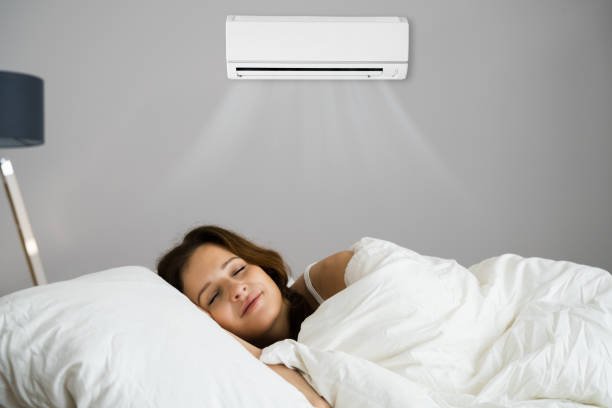
- Indoor Air Handler: Distributes conditioned air.
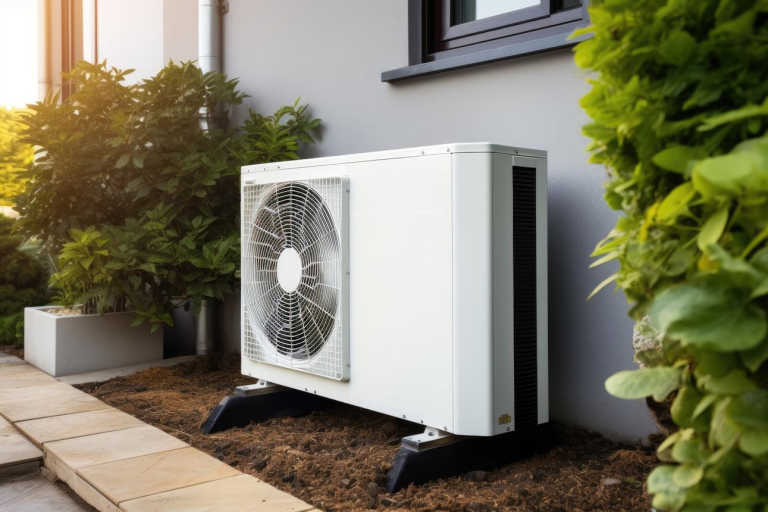
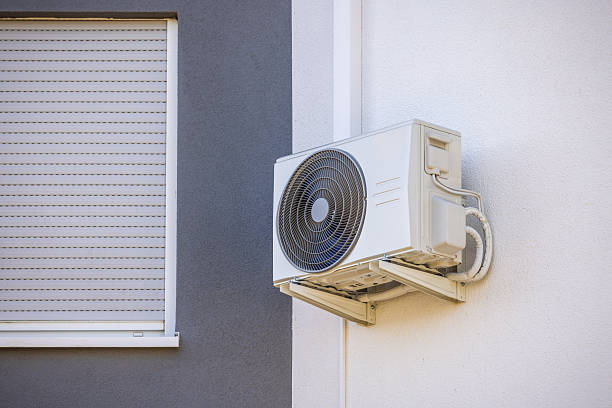
- Outdoor Unit: Exchanges heat with outdoor air.
- Thermostat: Controls heating and cooling cycles.
If any of these components fail, you may need to fix a heat pump before it can operate efficiently again.
Why Is Your Heat Pump Not Heating or Cooling?
Heat pump performance can decline for many reasons. Fortunately, several common issues can be identified without specialized equipment.
Incorrect Thermostat Settings
The thermostat is often the first place to check.
Before assuming your equipment has failed, verify that:
- The correct heating or cooling mode is selected.
- The desired temperature is set properly.
- The fan is set to Auto instead of On, if appropriate.
- The thermostat display is functioning normally.
Incorrect settings can prevent your system from operating as expected.
Dirty Air Filter
A clogged air filter restricts airflow and reduces system efficiency. Limited airflow forces the system to work harder, making it appear as though it has stopped heating or cooling.
Signs of a dirty filter include:
- Weak airflow from vents
- Longer operating cycles
- Uneven indoor temperatures
- Increased energy consumption
Cleaning or replacing the filter regularly helps maintain proper airflow and extends equipment life.
Blocked Outdoor Unit
The outdoor unit requires unrestricted airflow to transfer heat effectively.
Check for:
- Leaves
- Dirt
- Grass clippings
- Snow accumulation
- Ice around the unit
Removing debris can often restore normal operation without additional repairs.
Tripped Circuit Breaker
A sudden power interruption may stop the heat pump from operating.
Inspect your electrical panel and check whether the circuit breaker has tripped.
If it has:
- Reset the breaker once.
- Wait to see if the system restarts.
- Do not continue resetting a breaker that trips repeatedly.
Repeated electrical issues require professional diagnosis.
Refrigerant Problems
Low refrigerant levels or leaks can significantly reduce heating and cooling performance.
Common warning signs include:
- Poor heating
- Poor cooling
- Ice forming on coils
- Longer operating cycles
- Hissing sounds near refrigerant lines
Because refrigerant must be handled by licensed professionals, homeowners should not attempt these repairs themselves.
Whether you have a ductless heat pump unit or a central heat pump, refrigerant issues should always be inspected by a qualified technician.
Frozen Evaporator Coil
Ice on the indoor coil prevents proper heat transfer.
This problem may occur because of:
- Dirty air filters
- Restricted airflow
- Refrigerant problems
- Extremely cold operating conditions
If you notice ice buildup, turn the system off and allow it to thaw before restarting it.
If the problem returns, professional service is recommended.
Dirty Indoor or Outdoor Coils
Dust and dirt reduce the coils’ ability to transfer heat efficiently.
Over time this can lead to:
- Reduced heating capacity
- Reduced cooling performance
- Higher electricity use
- Longer operating cycles
Keeping both indoor and outdoor coils clean supports reliable year-round operation.
Faulty Thermostat
Sometimes the heat pump is functioning normally, but the thermostat fails to communicate correctly with the equipment.
Possible symptoms include:
- Incorrect room temperature readings
- System not starting
- Frequent cycling
- Heating when cooling is selected
Replacing thermostat batteries or checking wiring connections may solve minor issues.
Reversing Valve Problems
The reversing valve changes the heat pump between heating and cooling modes.
When it malfunctions, you may notice:
- Heating works but cooling does not.
- Cooling works but heating does not.
- The system remains in one operating mode.
Because this component is located inside the refrigeration system, repairs should be performed by an experienced technician.
Compressor Issues
The compressor is the heart of every mini split heat pump and ductless heat pump.
Possible signs of compressor trouble include:
- Loud buzzing noises
- Clicking during startup
- System running without heating or cooling
- Frequent shutdowns
Compressor problems often require professional testing and repair.
For homeowners considering ductless heat pump installation or upgrading to a Mitsubishi ductless heat pump, choosing quality equipment and professional installation helps reduce the likelihood of future performance issues.
Step-by-Step Troubleshooting Checklist
Before you call a technician to fix a heat pump, work through this simple checklist. These steps can help identify common issues and may restore your system without professional repairs.
Step 1: Check Thermostat Settings
Incorrect thermostat settings are one of the most common reasons a heat pump fails to heat or cool properly.
Make sure to:
- Select the correct heating or cooling mode.
- Set the desired temperature.
- Replace thermostat batteries if needed.
- Ensure the fan setting is correct.
If the thermostat is working properly but the system still does not respond, move to the next step.
Step 2: Inspect the Air Filter
A dirty air filter reduces airflow and makes your heat pump work harder.
Check the filter for:
- Dust buildup
- Dirt
- Pet hair
- Restricted airflow
Replace or clean the filter according to the manufacturer’s recommendations.
Step 3: Check the Outdoor Unit
The outdoor unit needs adequate airflow to operate efficiently.
Inspect for:
- Leaves
- Branches
- Snow
- Ice
- Dirt buildup
Remove any debris carefully and keep the area around the unit clear.
Step 4: Confirm the Power Supply
If your heat pump will not start, check its power source.
Inspect:
- Circuit breaker
- Disconnect switch
- Thermostat power
If power problems continue, contact a qualified technician.
Step 5: Listen for Unusual Noises
Different sounds can indicate different problems.
Watch for:
- Grinding
- Buzzing
- Clicking
- Rattling
Persistent noises usually require professional inspection.
Step 6: Check Airflow
Walk through your home and inspect the airflow from each supply vent.
Look for:
- Weak airflow
- Uneven temperatures
- Closed vents
- Blocked furniture
Good airflow helps maintain efficient heating and cooling.
Signs You Need Professional Heat Pump Repairs
Basic troubleshooting solves many minor issues. However, some problems require professional service.
The System Runs Constantly
If your heat pump never seems to stop running, it may indicate:
- Refrigerant issues
- Poor insulation
- Thermostat problems
- Incorrect system sizing
A professional inspection can identify the underlying cause.
No Heating or Cooling After Troubleshooting
If you have completed every basic check and your system still does not operate properly, internal components may require repair.
Possible causes include:
- Compressor failure
- Electrical faults
- Control board issues
- Sensor problems
Ice Continues to Form
A small amount of frost during cold weather is normal.
However, continuous ice buildup may indicate:
- Defrost system failure
- Refrigerant problems
- Restricted airflow
Professional diagnosis helps prevent further damage.
Unusual Sounds Continue
Loud or repeated noises should never be ignored.
These may indicate:
- Compressor wear
- Loose components
- Fan motor problems
Prompt repairs can prevent more serious damage.
Burning or Electrical Smells
Turn the system off immediately if you notice:
- Burning odors
- Electrical smells
- Smoke
These signs may indicate an electrical problem that requires immediate professional attention.
Preventive Maintenance Tips
Routine maintenance is the best way to reduce unexpected breakdowns and extend the life of your heat pump.
Replace Air Filters Regularly
Clean filters help maintain proper airflow.
Benefits include:
- Better efficiency
- Improved indoor air quality
- Reduced system strain
Keep the Outdoor Unit Clean
Inspect the outdoor unit regularly.
Remove:
- Leaves
- Dirt
- Grass
- Snow
Maintaining clear airflow improves overall performance.
Schedule Annual Maintenance
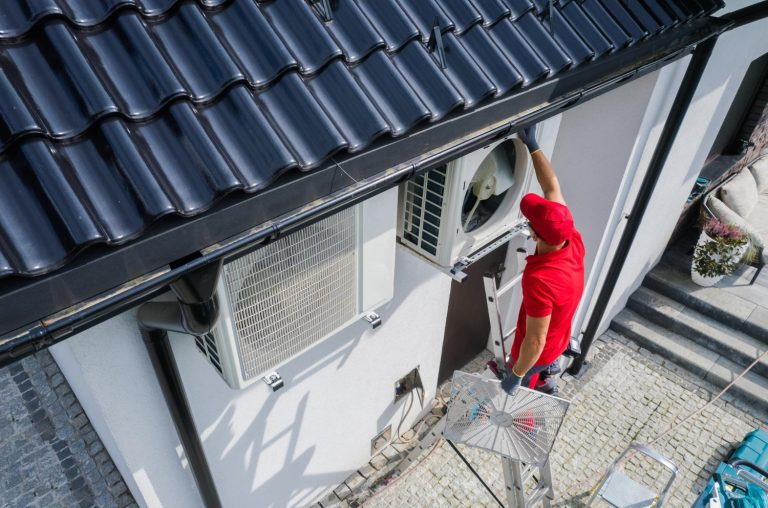
Professional maintenance helps identify small issues before they become costly repairs.
A typical inspection includes:
- Cleaning coils
- Checking refrigerant
- Testing electrical connections
- Inspecting airflow
- Verifying thermostat operation
Monitor Thermostat Performance
Keep your thermostat working properly by:
- Replacing batteries
- Checking temperature accuracy
- Updating programmable schedules when needed
Keep Indoor Vents Open
Blocked supply vents reduce airflow throughout the home.
For better performance:
- Keep vents open.
- Avoid blocking vents with furniture.
- Clean dust from vent covers.
Can You Prevent Future Heat Pump Problems?
While no system is maintenance free, simple habits can reduce the risk of future breakdowns.
Improve Home Insulation
Good insulation reduces the workload on your heat pump.
Focus on:
- Sealing air leaks
- Improving attic insulation
- Weatherstripping doors and windows
Use Smart Thermostat Settings
Avoid making frequent temperature changes.
Instead:
- Maintain a consistent setting.
- Use programmable schedules.
- Reduce heating or cooling when the home is unoccupied.
Address Small Problems Early
Do not ignore early warning signs.
These include:
- Strange noises
- Weak airflow
- Uneven temperatures
- Frequent cycling
Early attention often prevents larger repairs.
Should You Repair or Replace Your Heat Pump?
If your system continues to have problems, you may wonder whether repairs or replacement make more sense.
When Repairs Make Sense
Repairs are often appropriate when:
- The issue is minor.
- The system has been well maintained.
- Performance has been reliable until recently.
When Replacement Is the Better Option
Replacement may be worth considering if your system:
- Requires frequent repairs.
- No longer heats or cools efficiently.
- Struggles to maintain comfort.
Homeowners researching ductless heat pump Toronto solutions often choose newer systems because of their improved efficiency and quieter operation.
Many also compare mini split heat pumps Toronto options for homes without traditional ductwork.
Benefits of a New Heat Pump
Modern heat pumps provide several advantages.
These include:
- Improved energy efficiency
- Better indoor comfort
- Quieter performance
- More consistent temperatures
- Lower maintenance needs
If you are planning ductless heating installation, upgrading to a high-quality ductless mini split heat pump Toronto system can improve comfort throughout the year.
Many homeowners also consider a Mitsubishi ductless heat pump because of its reliable heating, cooling performance, and advanced inverter technology.
At GO DUCTLESS INC., professional installation helps ensure your ductless heat pump installation is correctly sized and configured for long-term efficiency.
Final Thoughts
Knowing how to fix a heat pump starts with checking simple issues like thermostat settings, air filters, and airflow. Regular maintenance can prevent many common problems and improve system efficiency. If basic troubleshooting does not restore heating or cooling, professional service is the safest solution. Whether you own a mini split heat pump or a ductless heat pump, GO DUCTLESS INC. can help you keep your system operating efficiently throughout the year. If you need professional assistance with your heat pump, contact us today to schedule reliable service and get your system back to performing at its best.
Frequently Asked Questions
1. How can I fix a heat pump that is not heating?
Start by checking the thermostat, air filter, power supply, and outdoor unit. If the problem continues, contact a professional.
2. Why is my heat pump not cooling?
Common causes include dirty filters, blocked coils, thermostat issues, or low refrigerant.
3. Can a dirty air filter affect a heat pump?
Yes. A clogged filter restricts airflow, reducing both heating and cooling performance.
4. How often should a heat pump be serviced?
Schedule professional maintenance at least once a year to keep your system running efficiently.
5. Is a ductless heat pump more efficient?
Yes. A ductless heat pump provides zoned heating and cooling, helping reduce unnecessary energy use.
6. When should I replace my heat pump instead of repairing it?
Consider replacement if your system needs frequent repairs, performs poorly, or is no longer energy efficient.
7. Are mini split heat pumps a good option?
Yes. A mini split heat pump is ideal for homes without ductwork and offers flexible temperature control.
8. Who should install a ductless heat pump?
Always choose a qualified HVAC professional to ensure proper ductless heat pump installation and reliable performance.