If you are planning a cooling upgrade, you are probably stuck on one big decision: ductless or central air. Both can cool a home effectively, but they work in different ways, fit different types of houses, and come with different upfront costs and long term comfort benefits. In this guide, Go Ductless Inc. breaks down ductless vs central air Canada so you can choose the option that actually matches your home, your budget, and how your family uses each room.
The best choice is not the same for everyone. Some homes already have ductwork that makes central air a natural add on. Other homes have no ducts, uneven temperatures, or room by room comfort issues where ductless is often the better solution. By the end, you will know the real differences between ductless and central air, what to expect for installation, how each option affects energy use, and how to decide based on your layout and comfort priorities.
How Ductless vs Central Air Canada Systems Work
Understanding ductless vs central air Canada starts with how each system delivers cool air. Central air uses a single indoor coil connected to ductwork that distributes cooled air through vents around the house. A blower pushes air through ducts and returns it through return air pathways. When the ductwork is well designed and sealed, central air can cool a home evenly from one central system.
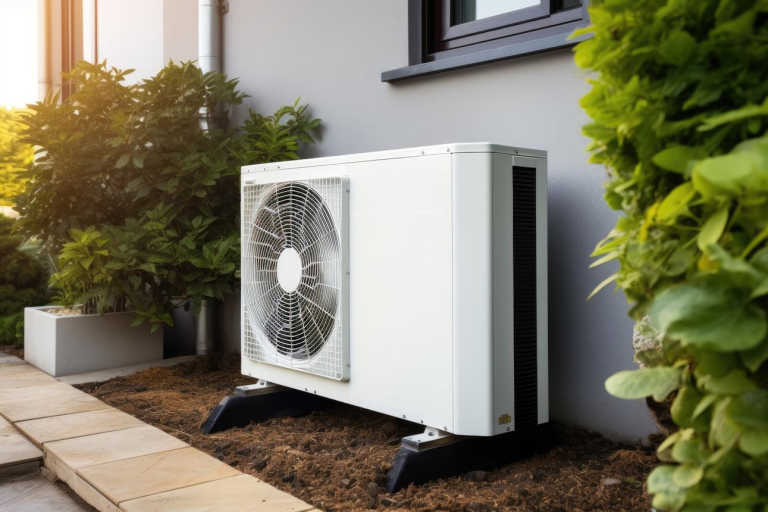
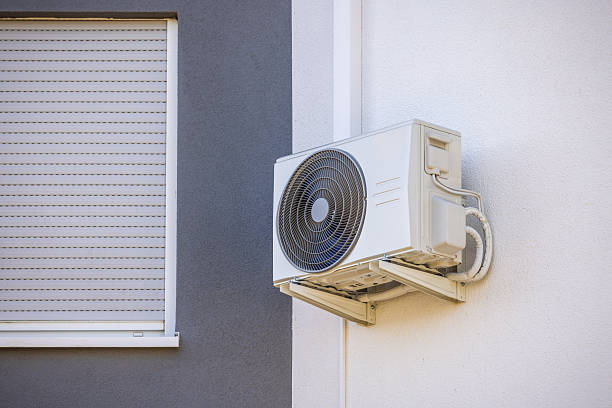
Ductless cooling uses one outdoor unit connected to one or more indoor heads, each serving a specific zone. Instead of pushing air through ducts, each indoor unit conditions the air directly in the room or area it serves. This makes ductless vs central air Canada a choice between whole home distribution through ducts versus targeted zone based cooling.
Air Distribution And Comfort Differences
Central systems cool the whole home as one zone unless you add zoning controls. Ductless systems naturally create zones, so you can cool the spaces you actually use and reduce cooling in unused rooms. For many homeowners, that is the biggest comfort and efficiency difference in ductless vs central air Canada.
The other major comfort difference is temperature balance. Ductless units can correct hot and cold rooms because each zone can be controlled independently. Central air can also address these issues, but only if the ducts, airflow balancing, and return pathways are correct. If you have weak ducts, long duct runs, or rooms that always feel warmer, ductless vs central air Canada often favors ductless for better room level control.
Installation Starting Point Matters
Your home’s existing infrastructure often decides ductless vs central air Canada before you even look at equipment. If you already have ductwork in good condition, adding central air may be straightforward. If you have radiators, baseboards, or no ductwork, installing ducts can be costly and invasive. In those homes, ductless is often the simpler path.
Many homeowners also want heating and cooling together. A ductless heat pump can provide both functions, while central air is typically cooling only unless you also have a furnace or air handler for heating. That is why ductless vs central air Canada often becomes a broader conversation about comfort all year, not only summer cooling.
Upfront Cost And Installation Complexity
Cost matters, but the right comparison is value, not only price. The ductless vs central air Canada cost difference depends heavily on whether ductwork exists and whether it is in good condition. A central air system may be lower cost to add if your ductwork and furnace are already in place. If ductwork must be added or repaired, the project can become expensive and disruptive.
Ductless systems cost depends on how many indoor heads you need. A single zone system for a main living area often costs less than a whole home multi zone build. A whole home ductless system can be a larger investment, but it can also deliver zoning and comfort benefits that central air may not match without significant upgrades.
When Central Air Is Often Cost Effective
Central air is often cost effective when you already have a forced air furnace and ductwork that is properly sized, sealed, and balanced. In that situation, adding a cooling coil and an outdoor condenser can be a clean upgrade. Many homeowners choose central air because it keeps equipment mostly hidden and uses existing vents.
Still, ductless vs central air Canada is not only about adding cooling. If your ducts are leaky, poorly insulated, or undersized, performance can suffer. In those cases, the apparent lower cost of central air can disappear once you factor in duct repairs, balancing, and long term comfort issues.
When Ductless Often Makes More Sense
Ductless often makes sense when your home has no ducts, when you want room by room control, or when you have stubborn hot spots. Homes with additions, finished basements, or upper floor bedrooms that never cool properly often do well with ductless solutions. Ductless also avoids energy losses from duct leakage, which can be a meaningful part of cooling cost in some homes.
For homeowners who want targeted upgrades, a Mini Split approach is often the simplest entry point. For homeowners who want cooling only planning, Ductless Air Conditioning options can be designed to target key zones. For homeowners who want year round comfort, a Ductless Heat Pump plan can cover both heating and cooling without relying on ducts.
Energy Efficiency And Operating Cost Differences
Many homeowners compare ductless vs central air Canada based on monthly electricity use. The truth is both can be efficient when designed well. High efficiency central systems can perform very well, especially with good duct sealing and proper airflow. Ductless systems also perform well because inverter technology modulates output and zoning reduces wasted cooling in unused rooms.
The biggest efficiency risk for central air is duct losses. Leaky ducts, ducts running through hot attics, and poor return pathways can reduce efficiency and create uneven cooling. The biggest efficiency risk for ductless is poor sizing, poor indoor unit placement, or a design that does not match how the home is used.
Natural Resources Canada provides educational information on electricity and energy use concepts that can help homeowners understand operating costs and how energy is measured in kWh.
Zoning And Real World Energy Use
Zoning is where ductless vs central air Canada often leans toward ductless for households with uneven occupancy. If your family uses the main floor during the day and bedrooms at night, ductless zoning can reduce total run time by cooling only the areas needed. Central air cools the entire home unless you install zoning dampers and controls, which adds cost and complexity.
If your home has consistent occupancy in many rooms at the same time, central air can be very efficient because one system serves the whole house. In those cases, ductless vs central air Canada becomes more about comfort style, installation realities, and future flexibility rather than energy alone.
Cooling Plus Heating Considerations
If you want one system for both seasons, ductless systems can deliver heating and cooling. Central air is cooling only, but it is often paired with a furnace for heating. If you already have a furnace, central air may be a logical match. If you do not have ducts or you want to move away from combustion heating, ductless heat pumps become more attractive.
Natural Resources Canada explains heat pump basics and why heat pumps are used for heating and cooling efficiency.
Comfort, Noise, And Air Quality Considerations
Comfort is not only temperature. It includes humidity control, airflow feel, and noise levels. Central air delivers air through vents, which many homeowners find less noticeable because there is no visible indoor unit on the wall. Ductless systems have indoor heads that are visible, but they can provide very quiet, steady cooling when designed correctly.
Ductless vs central air Canada is also an air quality conversation. Central systems can use larger filters and can be integrated with some whole home air quality accessories. Ductless systems have filters inside each indoor unit and require consistent cleaning. Both can support good indoor air quality when maintained properly, but maintenance expectations are different.
Noise Expectations
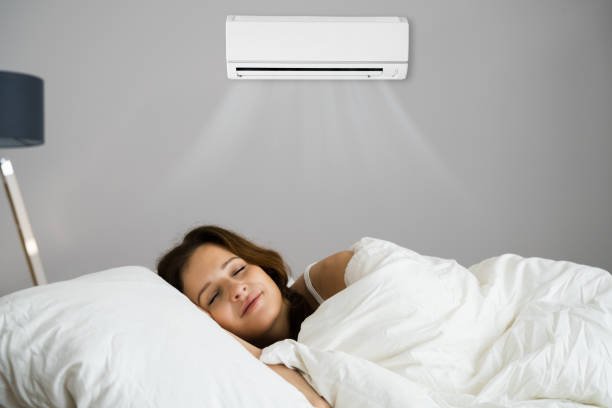
Central air has noise mainly from the indoor blower and airflow at vents. Ductless systems have low indoor fan noise in each zone and some outdoor unit noise. In bedrooms, a ductless unit can be very quiet if it is sized and placed well, but if airflow is aimed poorly it can feel drafty. This is why design matters.
If you want premium control features and quiet operation, some homeowners explore Mitsubishi Electric M-Series options. Others compare Daikin Ductless systems. The right choice depends on your comfort priorities and system design.
Air Filtration And Maintenance
Central air uses a central filter, which is easy to replace. Ductless systems require cleaning filters in each indoor head. The benefit is that each zone’s airflow stays efficient when maintained, but it does require a consistent routine.
Health Canada has guidance on improving indoor air quality at home, including ventilation and practical tips that support healthier indoor environments.
Home Types And Best Fit Scenarios
The easiest way to decide ductless vs central air Canada is to match the system to the home type and comfort goals. Some homes are naturally suited to central air, while others are better suited to ductless. A good contractor will ask about duct condition, room comfort issues, how you use rooms, and whether you want heating and cooling together.
For older homes without ducts, ductless is often the least invasive option. For newer homes with existing ductwork, central air can be straightforward. For homes with additions or finished basements, ductless can solve comfort issues without reworking the main system.
Homes Without Ductwork
If your home uses radiators, boiler heat, or baseboards, adding ductwork for central air can be a major renovation. In these cases, ductless vs central air Canada often favors ductless because it avoids invasive duct installation. Indoor units can be placed to cool key areas efficiently, and you can add zones over time.
Homes With Existing Forced Air Ducts
If your home already has a forced air furnace and well designed ducts, central air can be a clean upgrade. The comfort can be excellent when airflow is balanced correctly. Ductless vs central air Canada may still lean toward ductless if you have stubborn hot rooms or if your ducts are not well sealed.
Additions, Basements, And Hot Upper Floors
These scenarios often push ductless vs central air Canada toward ductless because the existing duct system may not have enough capacity to handle the new load. A ductless unit can be added specifically for the addition or basement, providing independent control without stressing the existing system.
Quick Comparison Points
Here is one random list that summarizes ductless vs central air Canada differences in everyday terms:
- Ductless cools by zones, central air cools the whole home by default
- Ductless avoids duct losses, central air depends on duct condition
- Ductless is easier to add in homes without ducts
- Central air hides indoor equipment and uses vents
- Ductless can fix hot rooms with dedicated zones
- Central air can work well when ducts are balanced and sealed
- Ductless systems can often provide heating and cooling together
- Central air usually pairs with a furnace for heating
Why Choose Go Ductless Inc.
Choosing between ductless vs central air Canada is not only a product decision. It is a comfort design decision. Go Ductless Inc. helps homeowners across Toronto and the GTA evaluate their home layout, duct condition, comfort issues, and long term goals. We explain what each option can realistically deliver, then recommend the pathway that fits your needs rather than forcing one solution for every home.
If ductless is the right fit, we can design targeted Mini Split zones, full Ductless Air Conditioning layouts, or year round Ductless Heat Pump solutions. If you are comparing brands, we can also guide you through options like Mitsubishi Electric M-Series or Daikin Ductless based on performance and comfort priorities. Our goal is simple: help you choose a system that cools well, runs efficiently, and feels comfortable in the rooms you use most.
Get Expert Help Choosing Ductless Or Central Air From Go Ductless Inc.
So, ductless or central air, which is better? The best answer depends on your home. If you have existing ductwork in good condition and want a hidden whole home cooling solution, central air can be a great choice. If you want room by room control, do not have ducts, or need to solve stubborn hot spots, ductless is often the better fit. In ductless vs central air Canada comparisons, the winning choice is the one that matches your home’s layout, your comfort priorities, and your long term plans for heating and cooling.
If you are in Toronto or the GTA and want a clear recommendation, contact Go Ductless Inc. We can assess your home, explain the best path, and design a solution that fits your needs, whether that is a targeted Mini Split, a Ductless Air Conditioning plan, a year round Ductless Heat Pump upgrade, or premium options like Mitsubishi Electric M-Series or Daikin Ductless. We will help you make the ductless vs central air Canada decision with clear expectations and real comfort results.
Frequently Asked Questions
- Is ductless vs central air Canada better for older homes without ducts?
Ductless vs central air Canada comparisons often favour ductless for older homes without ducts because it avoids major duct installation. - Does ductless vs central air Canada cost less upfront?
It depends on ductwork. If ducts exist and are in good shape, central air can be cost effective. If ducts must be added or fixed, ductless can be the better value. - Which is more efficient in ductless vs central air Canada comparisons?
Both can be efficient. Ductless can reduce waste through zoning, while central air can be very efficient when ducts are sealed and balanced. - Can ductless vs central air Canada decisions include heating too?
Yes. Ductless heat pumps can provide heating and cooling, while central air is usually cooling only and pairs with a furnace for heating. - Is ductless vs central air Canada quieter for bedrooms?
Ductless can be very quiet when sized and placed well, while central air noise is mainly from duct airflow and the blower. - Does ductless vs central air Canada affect indoor air quality?
Both can support good air quality with proper maintenance. Central air uses one main filter, while ductless requires cleaning filters in each indoor unit. - How do I choose between ductless vs central air Canada for my home?
Compare your duct condition, room comfort issues, and whether you want zoning. A home assessment helps you choose the best fit for ductless vs central air Canada.