Summer temperatures across Canada continue to climb, while winters remain demanding. That combination has changed how homeowners think about home comfort. Instead of installing a cooling system that only works for a few months each year, many are looking for equipment that delivers efficient cooling in summer and reliable heating through much of winter.
That’s why the conversation often comes down to ductless mini split systems versus traditional central air.
Both options can cool your home effectively, but they differ significantly in installation requirements, operating costs, energy efficiency, zoning capabilities, and long-term value. The better choice depends on your home’s layout, existing ductwork, renovation plans, and budget—not simply the purchase price.
This guide compares both systems from a Canadian homeowner’s perspective, helping you understand where each performs best and which investment makes the most sense in 2026.
Why Canadian Homeowners Are Switching to Smarter HVAC Systems
Higher electricity costs, stricter energy-efficiency standards, and government rebate programs have encouraged homeowners to invest in better-performing HVAC systems.
Many homes—especially older properties in Toronto, Mississauga, Hamilton, Ottawa, and surrounding communities—were never designed with central ductwork. Installing new ducts can add thousands of dollars to a project before the air conditioner is even installed.
A ductless heat pump eliminates that challenge by delivering conditioned air directly into individual rooms without requiring extensive renovations.
Ductless Mini Split vs Central Air: Quick Comparison
| Feature | Ductless Mini Split | Central Air |
|---|---|---|
| Requires ductwork | No | Yes |
| Heating capability | Yes (Heat Pump) | No (requires furnace) |
| Energy efficiency | Excellent | Good |
| Zoned cooling | Yes | Limited |
| Installation time | 1–2 days | 2–5 days |
| Best for older homes | Excellent | Often expensive |
| Whole-home cooling | Multiple indoor units | Excellent |
| Operating costs | Lower in many homes | Moderate |
| Initial investment | Moderate | Higher if ducts are needed |
| Indoor air loss | Minimal | Possible through duct leakage |
How Does Each System Work?
Ductless Mini Split
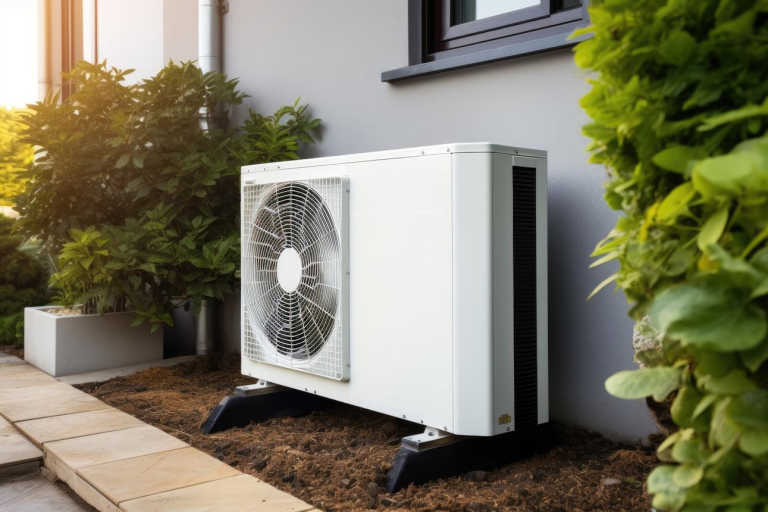
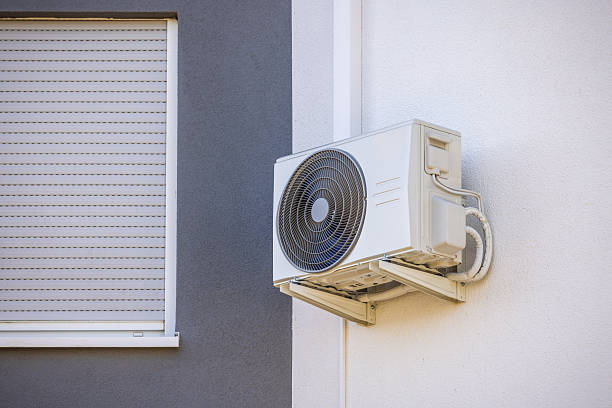
A mini split heat pump includes an outdoor compressor connected to one or more indoor units through small refrigerant lines.
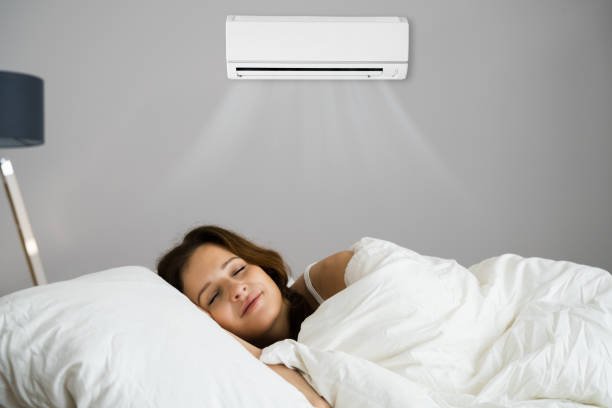
Each indoor unit independently controls the temperature in its own space.
That means:
- Bedrooms stay cooler at night.
- Home offices remain comfortable during the day.
- Unused rooms don’t consume unnecessary energy.
Because there are no ducts, cooled air reaches the room without energy losses commonly associated with duct systems.
Central Air
Central air conditioning distributes cooled air through a network of supply ducts connected to a single indoor air handler.
It provides even cooling throughout the home, but every room generally follows the same thermostat setting unless expensive zoning equipment is installed.
For homes with existing ductwork in excellent condition, central air remains a practical solution.
Installation: Which System Is Easier?
Installation complexity often becomes the deciding factor.
Ductless Mini Split Installation
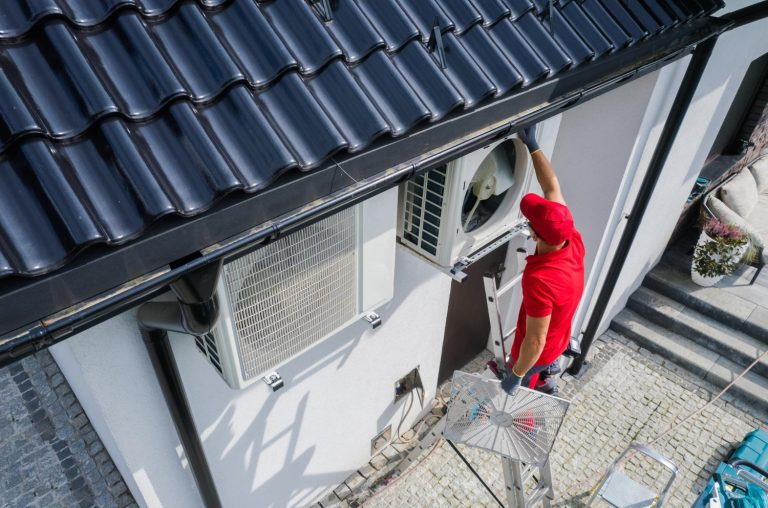
Installing a mini ductless air conditioner typically involves:
- Mounting indoor air handlers
- Installing one outdoor condenser
- Drilling a small wall opening for refrigerant lines
- Electrical connections
- System commissioning
Most projects finish within one or two days.
If you’re planning a new installation, consider working with experienced professionals like GO DUCTLESS INC. and reviewing their Ductless Mini Split Installation services to understand sizing, placement, and installation options.
Central Air Installation
Central air installation becomes much more involved when ductwork isn’t already available.
Additional work may include:
- Building duct runs
- Opening ceilings and walls
- Adding return air pathways
- Modifying existing HVAC equipment
- Restoring drywall and finishes
For older Canadian homes, duct installation can become the largest project expense.
Energy Efficiency: Which System Costs Less to Operate?
Efficiency is where modern mini split heat pump technology shines.
Many systems achieve Seasonal Energy Efficiency Ratio (SEER2) ratings well above traditional central air units.
Since every room operates independently:
- Empty rooms don’t require cooling.
- Short cycling is reduced.
- Less energy is wasted.
Central air performs efficiently in well-insulated homes with properly sealed ducts, but duct leakage can account for noticeable energy losses.
Example
Imagine a family spends evenings mainly in:
- Living room
- Kitchen
- Master bedroom
A ductless mini split only cools those occupied areas.
Central air typically cools the entire home regardless of occupancy.
Over several summers, that difference can noticeably reduce electricity bills.
Comfort: Room-by-Room Control Makes a Difference
Comfort isn’t just about temperature.
It’s about maintaining the preferred temperature where people actually spend time.
Benefits of Zoned Cooling
A ductless air conditioner Canada homeowners install today often includes:
- Individual room controls
- Smartphone apps
- Smart scheduling
- Quiet indoor operation
- Consistent airflow
This flexibility works particularly well for:
- Home offices
- Finished basements
- Home additions
- Rental suites
- Multi-generational households
Central air cools every connected room together, which can leave some spaces warmer or cooler than others.
Heating Performance During Canadian Winters
One major difference is heating.
A ductless heat pump provides both cooling and heating.
Modern cold-climate heat pumps continue operating efficiently even when outdoor temperatures drop well below freezing.
For many southern Ontario homes, a mini split heat pump can handle a significant portion of annual heating requirements while reducing reliance on gas or electric resistance heating.
Central air conditioners provide cooling only.
Heating requires a separate furnace or boiler system.
Which Homes Benefit Most from Each System?
Ductless Mini Split Is Ideal For
- Older homes without ducts
- Home additions
- Condos
- Finished basements
- Garage conversions
- Multi-family homes
- Renovations
- Energy-conscious homeowners
Central Air Is Better For
- Newly built homes with ducts
- Large open floor plans
- Homes already using forced-air furnaces
- Homeowners who prefer hidden air distribution
Long-Term Maintenance
Both systems require regular maintenance.
Ductless Systems
Routine maintenance includes:
- Cleaning indoor filters
- Outdoor coil inspection
- Refrigerant checks
- Professional servicing once or twice per year
Central Air
Maintenance generally involves:
- Replacing furnace filters
- Cleaning evaporator coils
- Duct inspections
- Blower maintenance
- Annual HVAC servicing
Dirty ducts can also affect airflow and indoor air quality over time.
What About Rebates in Canada?
Federal, provincial, and utility rebate programs continue encouraging homeowners to upgrade to energy-efficient equipment.
High-efficiency ductless heat pump systems frequently qualify for incentives depending on:
- Province
- Utility provider
- Equipment efficiency
- Home energy assessment requirements
Since rebate programs change regularly, it’s worth confirming current eligibility before purchasing.
An experienced contractor like GO DUCTLESS INC. can often help homeowners understand available incentives during the quotation process.
Don’t Overlook Interior Design
Modern indoor units are much slimmer than earlier generations.
Today’s manufacturers offer:
- Low-profile wall units
- Ceiling cassette systems
- Floor-mounted units
- Concealed ducted mini splits
When researching ductless mini split design ideas, homeowners often integrate indoor units by:
- Matching wall colours
- Positioning units above windows
- Installing recessed ceiling models
- Coordinating layouts during renovations
Good placement improves both appearance and airflow.
Common Buying Mistakes
Avoid these mistakes before purchasing any cooling system.
1. Focusing Only on Purchase Price
A lower upfront cost doesn’t always translate into lower ownership costs.
Consider:
- Energy consumption
- Maintenance
- Repairs
- Equipment lifespan
- Rebates
2. Ignoring Proper Sizing
Oversized systems cycle too frequently.
Undersized systems struggle during heat waves.
Professional load calculations remain essential.
3. Assuming Central Air Is Always Better
Many homeowners automatically assume central air offers superior comfort.
For homes without existing ducts, a ductless mini split often provides better efficiency, lower installation costs, and greater flexibility.
4. Choosing the Wrong Installer
Even premium HVAC equipment performs poorly if installed incorrectly.
Look for certified professionals with experience installing systems in Canadian climates.
Ductless Mini Split vs Central Air: Which One Should You Choose?
Here’s a simple decision guide.
Choose a ductless mini split if:
- Your home has no ducts.
- You want heating and cooling.
- Energy efficiency matters.
- You like room-by-room temperature control.
- You’re renovating or adding living space.
Choose central air if:
- Your home already has quality ductwork.
- You want one thermostat for the whole house.
- You already rely on a forced-air furnace.
- Whole-home uniform cooling is your priority.
For many Canadian homeowners in 2026, especially those upgrading older properties, ductless systems provide greater flexibility and lower operating costs over time.
Key Takeaways
- A ductless mini split offers heating and cooling without ductwork.
- Zoned temperature control reduces energy waste.
- Central air works best in homes with existing ducts.
- Cold-climate mini split heat pump systems perform well in many Canadian regions.
- Installation costs often favour ductless systems when new ductwork would otherwise be required.
- Professional sizing and installation have a major impact on efficiency, comfort, and equipment lifespan.
Conclusion
There isn’t a universal winner because every home has different requirements. A house with well-designed ductwork may continue benefiting from central air, while an older property without ducts could see greater comfort and efficiency from a modern ductless mini split.
The smartest approach is to compare installation costs, expected energy savings, heating requirements, and long-term ownership expenses rather than focusing only on the initial purchase price.
For homeowners planning an HVAC upgrade in 2026, consulting a qualified installer ensures the system is correctly sized for Canada’s climate and your home’s unique layout. Companies such as GO DUCTLESS INC. can evaluate your property, recommend the right configuration, and help you maximize comfort, efficiency, and available rebate opportunities.
FAQs
1. Can a ductless mini split cool an entire house?
Yes. Multi-zone systems can connect several indoor units to one outdoor condenser, allowing efficient cooling throughout the home when properly designed.
2. How long does a mini split heat pump typically last in Canada?
With regular maintenance, many quality systems last between 15 and 20 years, though lifespan depends on usage, climate, and installation quality.
3. Are ductless systems noisy?
No. Most indoor units operate very quietly, often producing less noise than a typical household refrigerator during normal operation.
4. Do mini split heat pumps work during humid Canadian summers?
Yes. Besides cooling, they remove excess indoor humidity, helping maintain a more comfortable indoor environment.
5. Can I install a ductless mini split in just one room?
Absolutely. Single-zone systems are designed specifically for individual rooms, garages, additions, home offices, or finished basements.
6. Is a ductless system suitable for homes in Toronto?
Yes. Many homeowners looking for mini split heat pumps Toronto installers choose cold-climate ductless systems because they provide efficient cooling in summer and supplemental or primary heating during much of the winter.