A ductless mini split can be an ideal cooling solution for Toronto condos where traditional ductwork is limited, unavailable, or difficult to modify. Condo owners often face different HVAC challenges than owners of detached homes. Space is limited, renovations may require approval, and every indoor area can have different comfort needs.
A ductless system addresses these challenges by delivering cooling directly into the rooms that need it. Instead of relying on bulky ductwork, the system connects indoor units to an outdoor condenser through refrigerant and control lines.
For Toronto condo owners, that means more flexibility when planning cooling for bedrooms, living rooms, home offices, or other spaces that become uncomfortable during hot weather.
GO DUCTLESS INC. focuses specifically on ductless heating and cooling across Toronto and the GTA. Its services include ductless air conditioning, mini split systems, ductless heat pumps, and Mitsubishi solutions.
What Is a Ductless Mini Split?
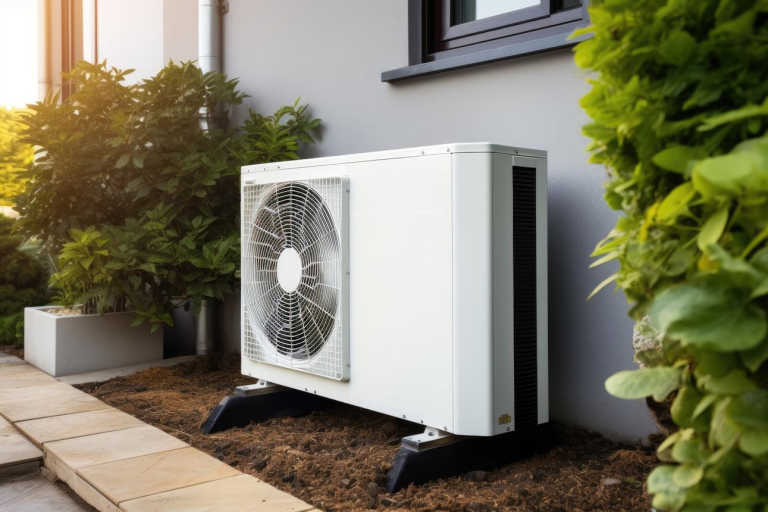
A ductless mini split is a split HVAC system that does not require traditional air ducts. An outdoor condenser connects to one or more indoor air-handling units.
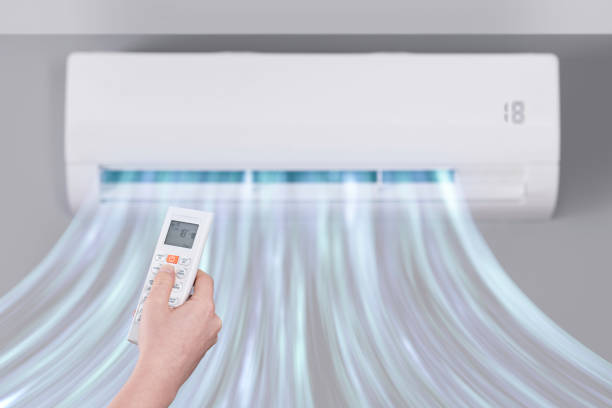
The indoor unit distributes conditioned air directly into the space. This makes the system particularly useful where installing ductwork would require major changes to ceilings, walls, or finished areas.
A typical ductless system includes:
- An outdoor condenser.
- One or more indoor units.
- Refrigerant lines.
- Electrical connections.
- A condensate drain.
- Individual controls.
GO DUCTLESS INC. describes its mini split systems as suitable for single rooms, basements, additions, and hot rooms where targeted comfort is needed.
Ductless Mini Split vs Central Air
Central air conditioning depends on a duct network to distribute cooled air. A ductless system sends conditioned air directly into each selected zone.
That difference is important in condos. Adding ductwork can require ceiling bulkheads, wall openings, or other renovation work. A ductless mini split can avoid the need for a traditional duct network.
Why Ductless Mini Split Systems Work Well in Toronto Condos

Toronto condos can have compact layouts, open living areas, separate bedrooms, and limited mechanical space. A ductless system gives homeowners more control over how cooling is delivered.
GO DUCTLESS INC. specifically identifies condos and apartments with limited space as applications for ductless air conditioning. Its Toronto service page also highlights compact units, multi-zone systems, and room-by-room control.
No Bulky Ductwork
One of the biggest advantages is the absence of traditional ductwork.
For condo owners, this can reduce the need for major renovation work. You do not need to create a large duct network across ceilings and walls simply to deliver cool air.
This is especially useful when the condo is already finished and you want to avoid extensive construction.
Flexible Indoor Unit Placement
Indoor units can be positioned according to the room layout and cooling requirements.
For example, a bedroom that receives strong afternoon sun may need targeted cooling. A home office may have different comfort needs from the living room.
Proper placement helps distribute air effectively while keeping the installation practical and visually clean.
Compact Design
Condo living often means making careful use of available space.
A wall-mounted ductless indoor unit does not occupy valuable floor space. This makes it practical for bedrooms, living areas, offices, and other compact rooms.
Room-by-Room Comfort With a Ductless Mini Split
One of the strongest reasons to consider a ductless mini split is zoning.
Instead of treating every room as if it has the same cooling requirement, a multi-zone system can provide independent control for different areas.
What Is Zoned Cooling?
Zoned cooling means different areas can have their own indoor units and temperature settings.
This can be useful when:
- The bedroom needs more cooling than the living room.
- A home office is occupied during the day.
- Some rooms receive more sunlight.
- Certain areas are rarely used.
- Different occupants prefer different temperatures.
GO DUCTLESS INC. offers both single-zone and multi-zone ductless systems. Its Toronto service information specifically notes that multi-zone systems can cool several rooms from one outdoor condenser.
Single-Zone vs Multi-Zone
A single-zone system can be suitable when one room needs dedicated cooling.
A multi-zone configuration can make more sense when several rooms need independent comfort control.
The correct setup depends on the condo layout, room dimensions, insulation, window exposure, and cooling requirements.
Is a Ductless Mini Split Quiet Enough for a Condo?
Noise matters in a condo because living spaces are often close together. Bedrooms may share walls with living areas, and outdoor equipment may be near neighbouring units.
A well-designed ductless system can provide quiet indoor comfort. GO DUCTLESS INC. highlights quiet indoor units as one of the benefits of its ductless air conditioning solutions.
Indoor Noise Considerations
The indoor unit contains the fan and heat exchanger. Correct sizing and placement can support comfortable airflow without unnecessary disturbance.
Placement also matters. An indoor unit should not be blocked by furniture or installed where airflow is restricted.
Outdoor Unit Noise and Vibration
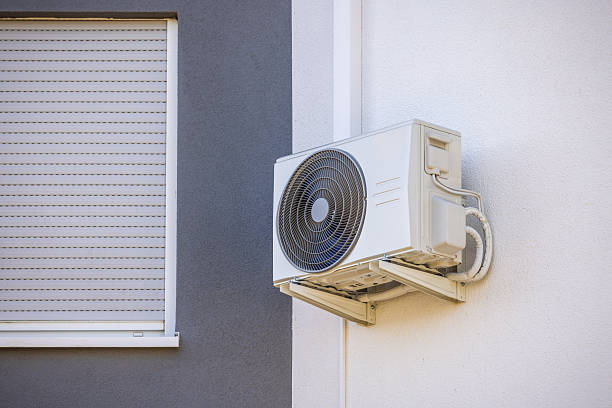
The outdoor condenser should have appropriate clearance and secure mounting.
For condos, installation planning is particularly important. The location may be limited by balcony rules, exterior building requirements, access, or property management policies.
A professional installation helps address these practical concerns before equipment is installed.
Are Mini Split Air Conditioning Systems Energy Efficient?
A ductless system can support efficient cooling by delivering conditioned air directly to the spaces being used.
Zoning is also useful because you can focus cooling where it is needed rather than conditioning every area equally.
However, actual energy use depends on several factors, including:
- Equipment selection.
- System sizing.
- Insulation.
- Window exposure.
- Indoor temperature settings.
- Outdoor conditions.
- Maintenance.
- How often each zone is used.
A properly designed system is more important than choosing equipment based only on a product label.
For homeowners considering a ductless heat pump instead of cooling-only equipment, Natural Resources Canada explains that electric heat pumps can provide both heating and cooling and transfer heat rather than generating it directly.
Ductless Air Conditioning for Condo Renovations
Renovating a condo can create new comfort problems. A room may be enclosed, an office may be created, or an existing layout may be changed.
Traditional HVAC may not easily adapt to those changes.
Ductless air conditioning offers another approach.
Useful Applications
A ductless system can work well for:
- Bedrooms that stay warmer.
- Home offices.
- Open-concept living areas.
- Renovated rooms.
- Condos without ductwork.
- Spaces where existing cooling does not reach well.
GO DUCTLESS INC. also positions ductless systems for older homes, additions, basements, condos, and spaces where traditional ductwork is impractical.
Ductless Air Conditioner Installation in a Toronto Condo
Condo installation requires more planning than simply choosing an indoor unit.
Before scheduling ductless air conditioner installation, homeowners should understand the building’s requirements.
Check Condo Approval Requirements
Ask the condo corporation or property manager about:
- Outdoor unit rules.
- Balcony restrictions.
- Exterior wall requirements.
- Noise policies.
- Approved contractors.
- Access requirements.
- Work-hour restrictions.
- Required documentation.
Do not assume that an installation permitted in a detached home will automatically be permitted in a condominium.
Toronto also maintains requirements and application processes for certain stand-alone mechanical HVAC work. The City advises applicants to check which outside approvals may apply to a submission.
Plan the Outdoor Unit Location
Outdoor placement affects service access, airflow, drainage, vibration, and building compliance.
The location should be selected before installation begins. It should also allow technicians to inspect and service the equipment later.
Plan Refrigerant Line Routing
The refrigerant lines connect the outdoor condenser to the indoor units.
Clean routing matters in a finished condo. A professional installer should plan the route carefully to reduce unnecessary disruption and maintain a neat appearance.
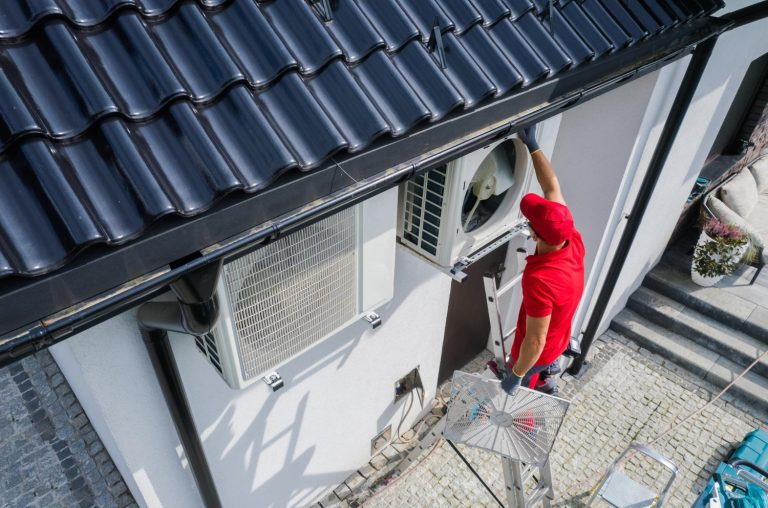
GO DUCTLESS INC. describes its installation process as including careful line routing, indoor unit placement, and final system testing.
Ductless Mini Split Systems for Condo Bedrooms
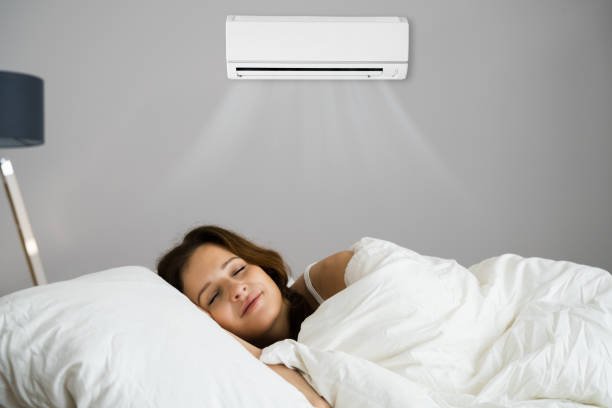
Bedrooms are often one of the strongest use cases for ductless cooling.
A bedroom may receive direct sunlight or have different temperature preferences from the rest of the condo.
A dedicated indoor unit can provide targeted comfort without requiring the entire condo to operate at the same setting.
When selecting the indoor unit location, consider:
- Bed position.
- Furniture placement.
- Airflow direction.
- Wall space.
- Filter access.
- Service access.
- Window exposure.
The goal is not simply to install a unit on an available wall. It should be placed where it can distribute air effectively.
Ductless Mini Split Systems for Open-Concept Condos

Open-concept condos can be easier to cool than divided layouts, but proper system design is still important.
Large windows, high sun exposure, kitchen heat, and room orientation can affect cooling requirements.
An indoor unit should be selected and positioned based on the actual space rather than simply choosing equipment based on floor area.
GO DUCTLESS INC. states that its technicians consider room dimensions, sun exposure, insulation, and layout when recommending ductless air conditioning equipment.
Ductless Heat Pump vs Cooling-Only Mini Split
If you only need summer cooling, a ductless air conditioner may meet your needs.
However, if you want heating and cooling from one system, a ductless heat pump may be worth considering.
A heat pump can reverse its operation to provide heating during colder weather and cooling during warmer weather. Natural Resources Canada confirms that electric heat pumps can provide year-round heating and cooling.
Consider a Ductless Heat Pump If:
- You want heating and cooling.
- You have limited ductwork.
- You want room-by-room control.
- You are replacing or supplementing existing HVAC.
- You want one ductless system for multiple comfort needs.
The appropriate system depends on the condo’s existing heating system, electrical setup, building rules, and comfort requirements.

Mitsubishi Ductless Options for Toronto Condos
Mitsubishi is one of the ductless brands offered by GO DUCTLESS INC.
Homeowners researching Mitsubishi systems may be interested in quiet operation, zoning, compact indoor units, and heating and cooling options.
GO DUCTLESS INC. states that it installs Mitsubishi ductless systems and provides guidance based on the property and system requirements.
The important point is that brand selection should follow proper system design. A good product still needs correct sizing, placement, installation, and testing.
Maintenance for a Condo Ductless Mini Split
Regular maintenance helps keep the system performing as intended.
Homeowners can help by keeping indoor filters clean and watching for changes in system performance.
Professional service can also include:
- Filter and airflow checks.
- Drain line inspection.
- Condensation inspection.
- Refrigerant and performance review.
- Early identification of developing issues.
GO DUCTLESS INC. recommends ongoing ductless air conditioner service to help maintain performance and identify potential problems early.
Common Mistakes Condo Owners Should Avoid
Choosing Equipment Before Checking Building Rules
Always check condo requirements first. Outdoor equipment may require approval.
Choosing Based Only on Price
A low equipment price does not tell you whether the system is correctly sized or whether the installation will be suitable for your condo.
Consider:
- System design.
- Installation quality.
- Warranty.
- Service support.
- Long-term comfort.
- Maintenance requirements.
Installing the Indoor Unit Without Considering Airflow
An indoor unit should not be selected simply because a wall is available.
Furniture, doors, windows, and room shape can all affect airflow.
Ignoring Future Comfort Needs
If you plan to renovate another room or need heating later, discuss those plans before choosing the system.
A multi-zone design or ductless heat pump may provide more flexibility.
How to Choose the Right Toronto Ductless Specialists
Choosing the right contractor is as important as choosing the equipment.
Look for a company that understands condo layouts and provides a clear installation process.
Ask about:
- In-home assessment.
- System sizing.
- Indoor unit placement.
- Outdoor equipment placement.
- Line routing.
- Electrical requirements.
- Condo documentation.
- Final system testing.
- Ongoing service.
GO DUCTLESS INC. describes its approach as honest recommendations, clean workmanship, clear communication, proper testing, and long-term comfort.
Final Thoughts
A ductless mini split is not simply an alternative to central air. For many Toronto condos, it solves specific problems that traditional HVAC systems can struggle with.
The lack of bulky ductwork makes installation more flexible. Room-by-room control can address uneven temperatures. Compact indoor units work well in limited spaces. In addition, a properly designed system can provide quiet, targeted comfort.
For condo owners, the installation process deserves particular attention. Building approval, outdoor unit placement, line routing, electrical requirements, and service access should all be considered before work begins.
If you need cooling only, ductless air conditioning can be a practical choice. If you want heating and cooling from the same system, a ductless heat pump may provide greater year-round flexibility.
GO DUCTLESS INC. specializes in ductless heating and cooling for Toronto and the GTA, including ductless air conditioning, mini split systems, heat pumps, and Mitsubishi solutions. Its stated approach focuses on clean installation, honest guidance, proper system design, and long-term comfort.
For a condo project, the best starting point is a professional assessment of the space rather than choosing equipment from a catalogue. A properly designed ductless system can give your condo the targeted comfort, clean installation, and flexible control that modern Toronto living demands.

FAQs
1. Can I install a ductless mini split in a Toronto condo?
It may be possible, but condo approval and building requirements should be checked before installation. Outdoor equipment and exterior work may have specific restrictions.
2. Does a ductless mini split require ductwork?
No. A ductless mini split delivers conditioned air through indoor units connected to an outdoor condenser. Traditional air ducts are not required.
3. Can a ductless mini split cool an entire condo?
Yes, a properly designed multi-zone system can serve several rooms. The correct configuration depends on the condo layout and cooling requirements.
4. Is ductless air conditioning good for small condos?
Yes. Compact indoor units and the lack of traditional ductwork make ductless systems suitable for many smaller condo layouts.
5. Do ductless systems take up floor space?
Most wall-mounted indoor units do not use floor space. The outdoor condenser does require an approved and suitable installation location.
6. How often should a condo ductless system be serviced?
Maintenance needs depend on the system and usage. Regular filter care and professional inspections can help maintain airflow, drainage, and performance.