Summer comfort depends on more than simply turning your system on and lowering the temperature. If you want steady cooling, lower energy waste, cleaner airflow, and fewer mid summer breakdowns, ductless mini split maintenance needs to be part of your routine. A ductless system can be highly efficient, but like any HVAC equipment, it performs best when filters are clean, airflow is clear, outdoor components can breathe, and small issues are handled before they become expensive repairs.
At Go Ductless Inc., we help homeowners across Toronto and the GTA get the best performance from ductless systems through practical care, smart operation, and professional service when needed. This guide explains how ductless mini split maintenance works, what you can safely do yourself, when to call a technician, and how to keep your home comfortable through hot and humid summer weather without overworking your system.
Why Summer Maintenance Matters For Ductless Systems
Ductless systems work by pulling warm indoor air across a coil, removing heat and moisture, and sending cooled air back into the room. If airflow is restricted by dust, dirty filters, blocked louvers, or furniture, the system has to work harder to produce the same comfort. That can increase energy use, reduce cooling power, and make the indoor unit louder than normal. Regular ductless mini split maintenance helps prevent these problems and keeps the system operating closer to its intended performance.
Summer is especially demanding because the system may run for long hours during heat waves and humid conditions. Moisture removal creates condensate that must drain properly, and outdoor units must reject heat into already hot outdoor air. If the indoor filters are clogged or the outdoor coil is blocked, cooling performance can drop quickly. A simple ductless mini split maintenance routine before and during summer can reduce strain, improve comfort, and help you avoid emergency service calls when technicians are busiest.
The Efficiency Connection
The cleaner the airflow path, the easier it is for the system to transfer heat. Good ductless mini split maintenance supports efficient heat exchange because the indoor unit can pull in enough air, the coil can absorb heat properly, and the outdoor unit can release that heat outside. Natural Resources Canada explains that heat pumps provide heating and cooling by transferring heat, which is why airflow and coil condition are so important for real performance.
Comfort And Humidity Control
In summer, comfort is not only about temperature. Humidity plays a major role in how a room feels. If a system is dirty, oversized, short cycling, or blocked, it may cool the air unevenly and remove less moisture. Ductless mini split maintenance helps the system run steadily enough to manage humidity, which can make your home feel cooler without forcing the thermostat lower.
Clean The Indoor Filters Regularly
Filter cleaning is the simplest and most important ductless mini split maintenance task for homeowners. Most indoor units have washable filters that collect dust, pet hair, pollen, and household particles. When those filters become clogged, airflow drops. The unit may still run, but it will struggle to cool the room evenly and may use more energy than necessary. In extreme cases, low airflow can contribute to coil icing and weak cooling.
A good summer habit is to check filters every few weeks, especially if the system runs daily. Homes with pets, renovation dust, open windows, or heavy pollen may need more frequent cleaning. Always follow the manufacturer instructions for removing, washing, drying, and reinstalling filters. Never reinstall wet filters, because moisture can encourage odours and reduce cleanliness. Consistent ductless mini split maintenance starts with clean filters because every other part of the system depends on healthy airflow.
How Often Should You Clean Filters?
For many homes, checking filters every two to four weeks in summer is a practical starting point. If the filters look dusty, clean them. If they look clear and airflow feels strong, you may be able to extend the interval. The right ductless mini split maintenance schedule depends on use, dust levels, pets, and indoor air conditions, so visual checks are better than guessing.
Signs Your Filters Need Attention
Weak airflow, longer cooling times, dusty smells, and louder fan operation can all point to dirty filters. If one room suddenly feels warmer than usual, check the filter before assuming the system needs repair. This small ductless mini split maintenance step often restores performance quickly.
Keep Indoor Airflow Clear
Clean filters are not enough if the indoor unit is blocked. Ductless systems need a clear path to pull room air in and send cooled air out. Curtains, tall furniture, shelves, plants, wall decor, or storage items can disrupt airflow and create uneven cooling. Good ductless mini split maintenance includes checking the space around the indoor head and making sure nothing is blocking intake or discharge.
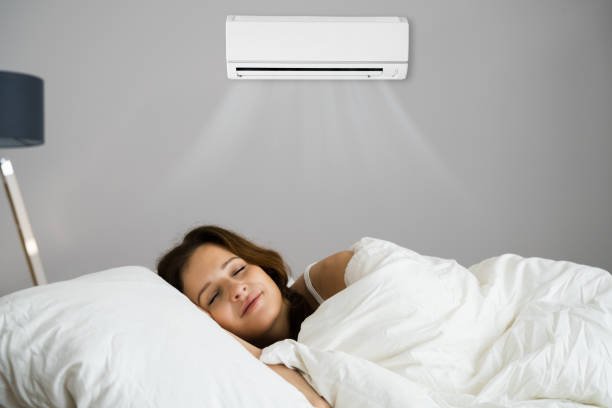
Airflow direction also matters. If the louvers are aimed directly at a bed, desk, or sofa, the room may feel drafty even when the temperature is correct. If the louvers point into a wall or furniture, cooled air may bounce back toward the unit and cause poor room mixing. Adjusting swing settings and fan speed is a simple ductless mini split maintenance habit that improves comfort without using more energy.
Check Furniture And Curtains
Walk around the room and look at the indoor unit from a practical comfort perspective. Can air move across the room, or is it hitting a curtain, cabinet, or tall headboard? If airflow is blocked, move the obstruction or adjust the louver direction. Good ductless mini split maintenance is often about small layout corrections that help the system breathe.
Use Fan And Swing Settings Properly
Auto fan and swing settings can help distribute cool air more evenly. In bedrooms, use indirect airflow to avoid drafts while sleeping. In larger rooms, allow air to sweep across open space so the system can mix air better. These habits support ductless mini split maintenance by reducing unnecessary strain from poor air distribution.
Maintain The Outdoor Unit
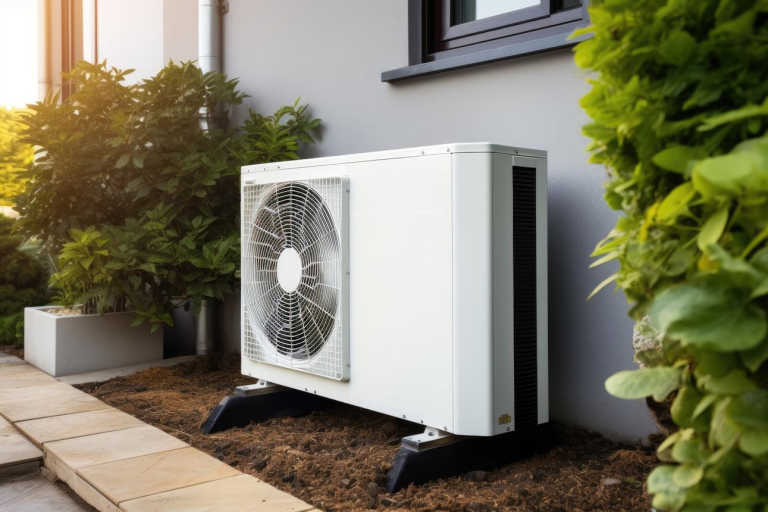
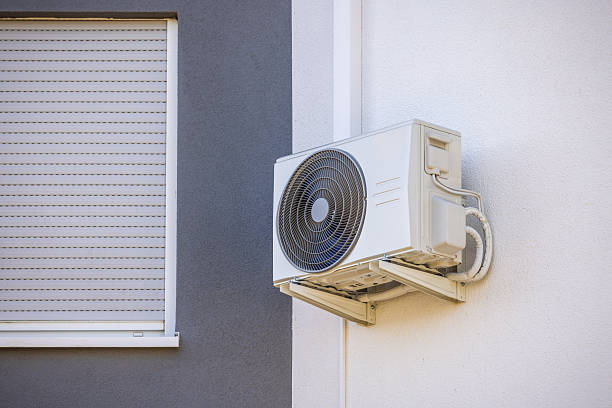
Your outdoor unit works hard in summer because it releases heat removed from your home. If the outdoor unit is blocked by weeds, leaves, grass clippings, dust, patio furniture, storage bins, or fencing, it cannot reject heat properly. This can cause weak cooling, longer runtimes, and higher energy use. Outdoor ductless mini split maintenance is just as important as indoor care.
Check the outdoor unit throughout the season and keep the area clear. Trim vegetation, remove debris, and avoid stacking items near the unit. If the coil looks dirty, gentle cleaning may help, but avoid high pressure water because it can bend delicate fins. If the unit is heavily clogged or difficult to access, call a professional. A clean outdoor unit improves system performance and supports reliable cooling during the hottest days of summer.
Outdoor Clearance Basics
The outdoor unit needs open space for airflow and service access. If shrubs grow too close or objects are stored nearby, airflow suffers. A good ductless mini split maintenance routine includes checking outdoor clearance after landscaping, storms, and mowing.
Watch For Unusual Outdoor Sounds
If the outdoor unit sounds louder than usual, vibrates heavily, or the fan seems inconsistent, do not ignore it. These symptoms may point to airflow problems, fan issues, or mechanical stress. Professional ductless mini split maintenance can identify the cause before it leads to a larger failure.
Check Drainage And Moisture Issues
During summer cooling, ductless systems remove moisture from indoor air. That moisture becomes condensate and must drain away safely. If the drain line is blocked, kinked, poorly sloped, or supported by a failing pump, you may notice water dripping from the indoor unit, musty odours, or system shutdowns. Drainage is a key part of ductless mini split maintenance because water problems can damage walls, floors, and finishes.
Homeowners can watch for visible warning signs, but drain cleaning and pump service may require professional help. If you see water around the indoor unit, turn the system off and call for service if the issue is not obvious. Proper ductless mini split maintenance includes confirming the drain is flowing, the indoor unit is level, and moisture is not collecting where it should not.
Signs Of A Drain Problem
Water dripping indoors, staining around the unit, gurgling sounds, musty smells, or cooling interruptions during humid weather may indicate a drain issue. These symptoms should be addressed quickly because moisture problems can spread beyond the equipment.
Why Humid Weather Makes Drainage More Important
During humid summer days, the system removes more moisture from the air. That means more condensate must drain away. If the drain is already partially blocked, the problem may only show up during peak humidity. This is why ductless mini split maintenance should include drainage checks before the hottest part of summer.
Use Smart Summer Operating Habits
How you use the system affects efficiency. Many homeowners think turning the temperature very low will cool the room faster, but it often just makes the unit work harder and longer. A ductless system performs best with steady setpoints, clean airflow, and reasonable fan settings. Smart ductless mini split maintenance includes operation habits that reduce strain.
Avoid frequent large temperature changes. Instead, choose a comfortable setpoint and let the inverter system maintain it steadily. Close blinds during strong sun, keep exterior doors closed, and avoid running heat producing appliances during peak afternoon hours when possible. These habits support ductless mini split maintenance because they reduce the cooling load your system has to handle.
Avoid Extreme Setpoints
Setting the unit extremely low does not magically cool the room faster in a healthy way. It can increase runtime, reduce comfort balance, and raise energy use. A better approach is to use a reasonable setpoint and allow the system to stabilize.
Manage Heat Gain In The Room
Sunlight through windows, cooking, electronics, and open doors all add heat. If you lower heat gain, the system does less work. Simple steps like closing curtains during peak sun and using ceiling fans wisely can support ductless mini split maintenance by reducing load.
Summer Maintenance Checklist
A seasonal checklist makes ductless mini split maintenance easier to remember. Instead of waiting until cooling feels weak, use a simple routine before summer starts and repeat key tasks during the season. This helps keep the system efficient and reduces the chance of surprise breakdowns.
Here is one random checklist you can follow:
- Clean indoor filters before heavy summer use
- Check filters every two to four weeks during peak season
- Keep furniture, curtains, and decor away from indoor airflow
- Inspect the outdoor unit for leaves, weeds, and debris
- Confirm the drain line is not dripping indoors
- Use Auto fan or steady fan settings for better comfort
- Keep windows and doors closed while cooling
- Schedule professional service if airflow, noise, drainage, or cooling changes
Schedule Professional Maintenance When Needed
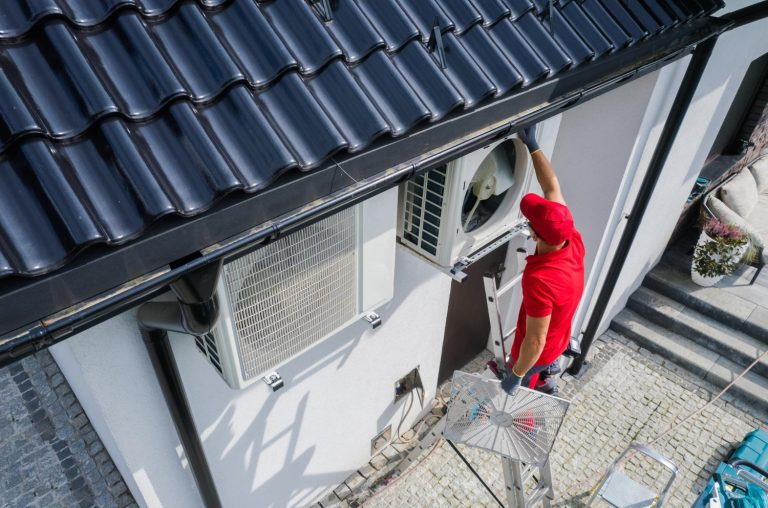
Homeowner care is important, but some ductless mini split maintenance should be handled by a trained technician. Professional service can include deeper indoor coil cleaning, blower wheel inspection, drain line clearing, refrigerant performance checks, electrical testing, outdoor coil cleaning, and system operation verification. This level of service helps catch issues that are not visible during basic homeowner checks.
Natural Resources Canada recommends following manufacturer maintenance procedures for heating and cooling equipment, and seasonal checkups are a practical way to prepare systems before heavy use. If your ductless system cooled poorly last summer, made unusual noises, iced up, leaked water, or showed error codes, schedule service before the next heat wave. Go Ductless Inc. can inspect the system and recommend the right ductless mini split maintenance plan for your home.
What A Technician Can Check
A technician can inspect refrigerant line condition, test system operation, clean areas homeowners cannot easily reach, confirm drainage, check electrical components, and identify early signs of wear. This is especially important for multi zone systems where multiple indoor units share one outdoor unit.
When To Call Right Away
Call for service if the system leaks water indoors, freezes, blows warm air, shows error codes, smells musty even after filter cleaning, or makes unusual sounds. These are signs that basic ductless mini split maintenance may not be enough.
How Maintenance Protects Energy Savings
Ductless systems are known for efficient operation, but efficiency depends on clean airflow and proper performance. Dirty filters, blocked coils, poor drainage, and incorrect settings all reduce efficiency. Ductless mini split maintenance protects energy savings by helping the system transfer heat smoothly and run at lower strain.
Health Canada explains that ventilation can help improve indoor air quality by removing pollutants and bringing in fresh air. While a ductless mini split conditions indoor air, it does not replace good ventilation habits. Efficient cooling, clean filters, and healthy airflow work best when your home also has sensible indoor air quality practices. Ductless mini split maintenance should be viewed as part of overall home comfort, not just equipment care.
Cleaner Operation Supports Better Comfort
Clean filters and coils help air move properly and reduce odours. This can make the room feel fresher and more comfortable during summer. If the unit smells musty or dusty, it is time to check filters and consider professional cleaning.
Efficient Systems Last Longer
Equipment that runs under less strain often experiences fewer performance problems. While no system lasts forever, proper ductless mini split maintenance can help reduce wear and protect your investment over time.
Why Choose Go Ductless Inc.
Go Ductless Inc. helps homeowners keep ductless systems efficient, reliable, and comfortable through practical maintenance guidance and professional service. We understand the common summer issues that affect Toronto and GTA homes, including dirty filters, blocked outdoor units, poor drainage, humidity concerns, and weak airflow in bedrooms or finished spaces. Our approach to ductless mini split maintenance focuses on preventing problems before they interrupt comfort.
We also help homeowners choose and maintain the right ductless solution. If you need targeted room comfort, a Mini Split may be the right fit. If summer cooling is your priority, Ductless Air Conditioning can help solve hot rooms and uneven temperatures. If you want heating and cooling from one system, Ductless Heat Pump options may provide year round value. For premium equipment pathways, Mitsubishi Electric M-Series and Daikin Ductless systems can be reviewed based on your home’s needs and maintained for long term performance.
Two Helpful Canadian Government Resources
- Natural Resources Canada Heat Pump Basics
- Health Canada Improve Indoor Air Quality In Your Home
Keep Your Ductless Mini Split Efficient All Summer With Go Ductless Inc.
Keeping your system efficient all summer comes down to consistent ductless mini split maintenance. Clean the filters, keep airflow clear, protect the outdoor unit from debris, watch for drainage issues, and use steady operating habits instead of extreme setpoints. These simple steps help the system cool more evenly, manage humidity better, and reduce unnecessary strain during hot weather.
If you are in Toronto or the GTA and want help with ductless mini split maintenance, contact Go Ductless Inc. We can inspect your system, clean and service key components, check performance, and recommend the best next steps for your comfort goals. Whether you have a Mini Split, Ductless Air Conditioning system, Ductless Heat Pump, Mitsubishi Electric M-Series, or Daikin Ductless setup, our team can help keep it running efficiently all summer.
Frequently Asked Questions
- How often should I do ductless mini split maintenance in summer?
Ductless mini split maintenance should include filter checks every few weeks during heavy summer use, with professional service when performance changes. - What is the most important ductless mini split maintenance task?
Cleaning indoor filters is the most important ductless mini split maintenance task because airflow affects cooling, efficiency, and comfort. - Can ductless mini split maintenance reduce energy use?
Yes, ductless mini split maintenance can reduce wasted energy by keeping airflow clear and helping the system transfer heat properly. - Should ductless mini split maintenance include the outdoor unit?
Yes, ductless mini split maintenance should include keeping the outdoor unit clear of leaves, weeds, dirt, and stored items. - Why does my system smell musty even after ductless mini split maintenance?
A musty smell may mean deeper coil, blower, or drainage cleaning is needed. Professional ductless mini split maintenance can identify the source. - Can I do all ductless mini split maintenance myself?
You can clean filters and keep airflow clear, but deeper ductless mini split maintenance should be handled by a trained technician. - When should I call Go Ductless Inc. for ductless mini split maintenance?
Call when cooling is weak, water leaks, ice appears, error codes show, or you want a seasonal service before peak summer heat.