Ductless mini-split installations can provide reliable cooling and heating without the need for traditional ductwork. However, the quality of the installation plays a major role in how well the system performs.
Many homeowners focus on choosing the right equipment but overlook installation details. A poorly positioned indoor unit, incorrect refrigerant line routing, inadequate drainage, or unsuitable outdoor unit location can create problems later.
This matters even more in Toronto and the GTA. Condos, older homes, renovated spaces, basements, and additions often have unique installation conditions. Building rules can also affect where an outdoor unit can be installed.
The good news is that most installation problems can be avoided with proper planning and an experienced contractor.
GO DUCTLESS INC. specializes in ductless heating and cooling solutions for Toronto and the GTA. Its services include ductless air conditioning, ductless heat pumps, mini split systems, and professional installation.
Here are the key mistakes to avoid before and during your installation.
Why Proper Ductless Mini-Split Installations Matter
A mini split is more than an indoor unit connected to an outdoor condenser. The entire system must be designed to work together.
Correct installation affects:
- Cooling and heating performance.
- Air distribution.
- Energy use.
- Noise levels.
- Drainage.
- Refrigerant performance.
- Equipment reliability.
- Long-term service needs.
A quality system can still perform poorly if it is installed incorrectly. Therefore, homeowners should consider installation quality just as important as equipment selection.
Mistake: Choosing the Wrong Mini Split Size
One of the most important steps is selecting equipment that matches the space.
An oversized system may reach the desired temperature quickly but cycle more than necessary. An undersized system may struggle to maintain comfort during demanding weather.
What Affects Mini Split Sizing?
A professional assessment should consider more than room floor area.
Important factors include:
- Room dimensions.
- Ceiling height.
- Window size.
- Window direction.
- Sun exposure.
- Insulation.
- Air leakage.
- Number of occupants.
- Room usage.
- Heat from appliances.
- Open or closed room layouts.
For example, a Toronto condo with large south-facing windows may have very different cooling needs from a shaded interior room.
Proper sizing helps ductless air conditioning units deliver consistent comfort without unnecessary strain.
Mistake: Installing the Indoor Unit in the Wrong Location
Indoor unit placement has a direct effect on airflow and comfort.
A wall may appear convenient, but it may not be the best location for distributing conditioned air.
Common Indoor Placement Problems
Avoid installing the unit:
- Behind furniture.
- Too close to obstructions.
- Where doors interfere with airflow.
- Where filter access is difficult.
- Directly above unsuitable heat sources.
- Where airflow creates unwanted drafts.
- Where the unit cannot be serviced easily.
The installer should evaluate the entire room before choosing the mounting position.
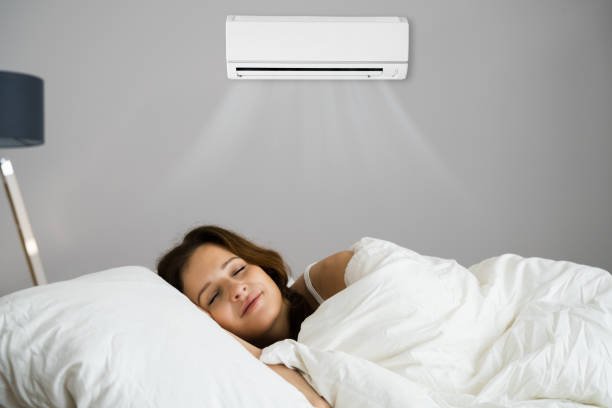
For bedrooms, airflow direction and sleeping positions deserve particular attention. In living rooms, furniture and open layouts can influence how air moves through the space.
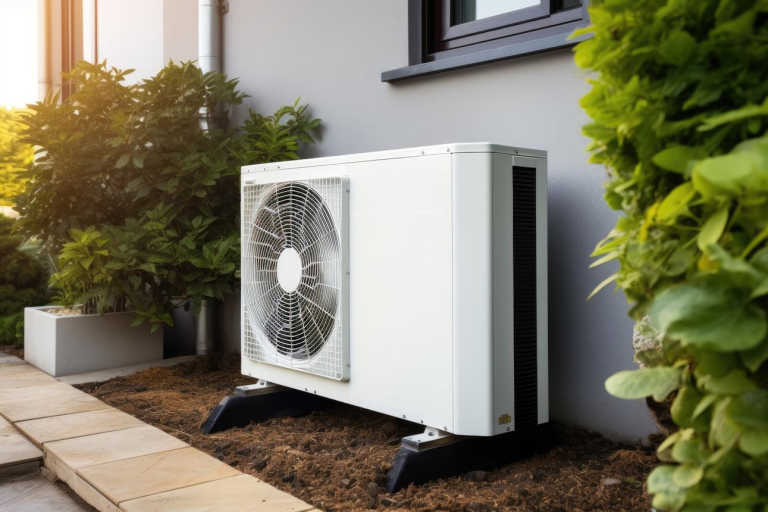
Mistake: Ignoring Outdoor Unit Placement
The outdoor condenser needs more than an available spot.
It requires adequate airflow, stable mounting, service access, and suitable clearances.
Outdoor Installation Problems to Avoid
Common problems include:
- Restricted airflow.
- Unstable mounting.
- Poor drainage.
- Excessive vibration.
- Difficult service access.
- Poor protection from site conditions.
- Placement too close to obstructions.
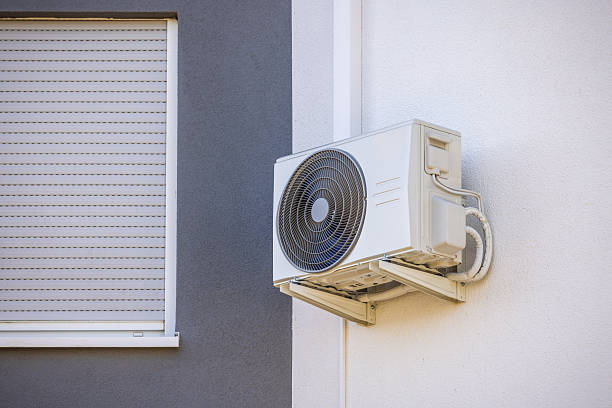
Toronto properties can create additional challenges. Snow, ice, balconies, exterior walls, and shared spaces all need to be considered.
For condo owners, outdoor equipment may also require approval from the condo corporation or property manager.
Mistake: Skipping Proper Refrigerant Line Installation
Refrigerant lines connect the indoor and outdoor components of a split air conditioning system.
The installation needs to follow the equipment manufacturer’s requirements. Poor routing or connections can affect system operation.
Common Refrigerant Line Problems
Watch for:
- Incorrect routing.
- Damaged insulation.
- Excessive bends.
- Poor connections.
- Improper sealing.
- Unsupported lines.
- Unprotected exterior sections.
Refrigerant work should be handled by a qualified professional with the proper tools and experience.
This is not an area where homeowners should try to save money through improvised installation methods.
Mistake: Forgetting Condensate Drainage
During cooling, the indoor coil removes moisture from the air. That moisture must drain correctly.
Poor condensate drainage can lead to water around the indoor unit and, in some installations, damage to finished walls or ceilings.
Drainage Problems Can Include
- Incorrect drain slope.
- Blocked drain lines.
- Poor connections.
- Improper routing.
- Drainage toward the wrong area.
- Water backing up toward the indoor unit.
A professional installation should include a clear drainage plan.
If you notice water leaking from your ductless system after installation, do not ignore it. A professional should inspect the drainage system and determine the cause.
Mistake: Ignoring Electrical Requirements
Ductless HVAC systems have specific electrical requirements.
The equipment must be connected correctly and protected according to the applicable requirements and manufacturer specifications.
Electrical Problems to Avoid
- Using an unsuitable circuit.
- Poor wiring connections.
- Incorrect disconnect placement.
- Ignoring equipment requirements.
- Improper electrical protection.
- Treating electrical work as a DIY task.
Electrical work should be completed by an appropriately qualified professional.
The Electrical Safety Authority provides Ontario electrical safety information and resources for homeowners and contractors.
Mistake: Choosing Equipment Based Only on Price
A low purchase price does not necessarily mean better value.
The equipment needs to suit the property, installation conditions, and comfort requirements.
Compare More Than Equipment Price
Consider:
- System capacity.
- Cooling performance.
- Heating performance where applicable.
- Efficiency.
- Indoor unit design.
- Outdoor unit requirements.
- Warranty.
- Availability of service.
- Replacement parts.
- Installer experience.
A reliable installation from an experienced air conditioning company can be more valuable than choosing equipment based solely on the lowest initial quote.
Mistake: Choosing the Wrong System Configuration
Not every property needs the same ductless configuration.
A single-zone system may work well when one room requires dedicated cooling. A multi-zone setup may be more suitable when several rooms need independent temperature control.
Single-Zone Systems
Single-zone ductless HVAC systems can be useful for:

- Bedrooms.
- Home offices.
- Basement rooms.
- Additions.
- Rooms that stay warmer than the rest of the home.
Multi-Zone Systems
Multi-zone systems can provide separate indoor units for several areas.
This can be useful when:
- Bedrooms have different comfort needs.
- Living spaces require different temperatures.
- Several rooms lack adequate existing cooling.
- A homeowner wants centralized outdoor equipment with multiple indoor zones.
System design should consider the entire property rather than simply adding indoor units wherever space is available.
Mistake: Ignoring Windows and Insulation
A mini split cannot compensate for every building problem.
Large windows, poor insulation, air leaks, and strong sun exposure can increase cooling demand.
This is especially relevant in older Toronto homes and renovated properties.
Building Conditions That Matter
Before selecting equipment, consider:
- Window orientation.
- Window size.
- Insulation quality.
- Air leakage.
- Ceiling height.
- Room exposure.
- Renovation changes.
- Existing heating and cooling systems.
This information helps the installer recommend a system that fits the actual space.
Mistake: Poor Line Set Routing
The refrigerant line set should be routed carefully.
Poor routing can create an untidy appearance and make future maintenance harder.
Good Line Routing Should Provide
- Clean installation.
- Proper insulation.
- Secure fastening.
- Protected exterior sections.
- Weather-resistant wall penetrations.
- Reasonable access for service.
- Neat finishing around entry points.
This is especially important in finished Toronto homes and condos where homeowners want the installation to blend into the property.
Mistake: Installing a Mini Split Without Checking Condo Rules
Condo installations require additional planning.
Do not assume that because a ductless system can physically be installed, the building automatically allows it.
Check With Your Condo Before Installation
Ask about:
- Outdoor condenser approval.
- Exterior wall modifications.
- Balcony equipment.
- Noise requirements.
- Approved contractors.
- Work hours.
- Building access.
- Required insurance documents.
- Required permits or approvals.
The City of Toronto provides guidance for standalone mechanical HVAC work and building permit requirements. Always confirm building requirements before purchasing equipment or scheduling installation.
Mistake: Ignoring Toronto’s Winter Conditions
Toronto’s weather makes outdoor unit planning especially important for systems that provide heating.
A ductless heat pump must be selected and installed with cold-weather operation in mind.
Winter Installation Factors
Consider:
- Snow accumulation.
- Ice.
- Outdoor airflow.
- Drainage.
- Equipment clearance.
- Mounting.
- Service access.
- Manufacturer requirements.
Poor placement can create problems when snow or ice blocks the outdoor unit.
Natural Resources Canada provides information about heat pump operation, efficiency, and cold-climate applications.
Mistake: Skipping System Commissioning
Installation is not finished when the equipment is physically mounted.
The system should be tested before the contractor leaves.
What Should Be Checked?
The installer should review:
- Cooling operation.
- Heating operation where applicable.
- Airflow.
- Refrigerant connections.
- Drainage.
- Electrical operation.
- Remote controls.
- Outdoor unit performance.
- Unusual sounds.
- Vibration.
Proper commissioning helps identify installation issues before they become long-term problems.
Mistake: Not Learning How to Use the System
Even a properly installed mini split can perform poorly if the homeowner does not understand the controls.
Take time to learn:
- Temperature controls.
- Fan settings.
- Operating modes.
- Timers.
- Sleep settings.
- Zone controls.
- Filter maintenance.
- Remote or app controls where available.
Ask the installer to explain normal operation before the installation is considered complete.
Mistake: Neglecting Maintenance
Professional installation is only the beginning.
Regular maintenance helps maintain airflow and system performance.
Homeowners Should Monitor
- Filter condition.
- Airflow.
- Drainage.
- Unusual sounds.
- Unusual odours.
- Temperature changes.
- Error messages.
- Outdoor unit condition.
Professional service may be needed if the system leaks, stops cooling properly, produces unusual sounds, or repeatedly displays an error.
DIY Installation vs Professional Installation
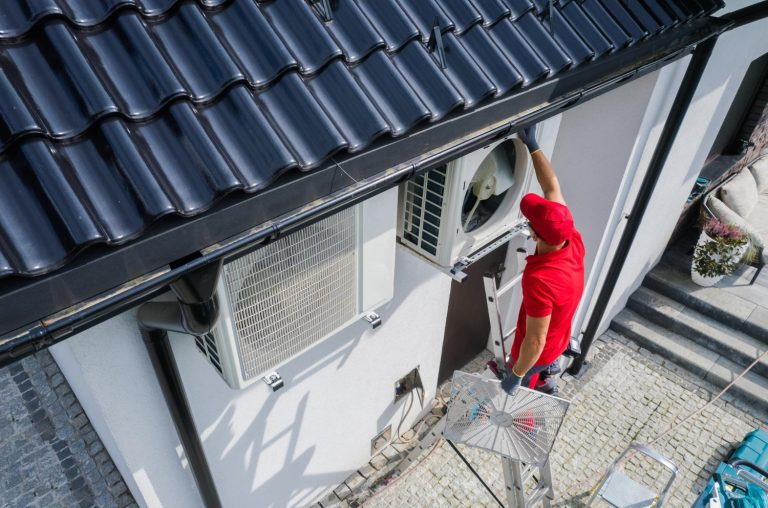
DIY installation may look attractive when homeowners want to reduce upfront costs. However, ductless systems involve refrigerant, electrical connections, drainage, mounting, and commissioning.
Professional installation helps ensure these components work together correctly.
Benefits of Professional Installation
- Correct system sizing.
- Proper equipment selection.
- Accurate indoor unit placement.
- Correct outdoor unit mounting.
- Proper refrigerant line work.
- Correct drainage.
- Electrical planning.
- System commissioning.
- Future service support.
For Toronto homeowners, choosing an installer with local ductless experience can also help with condo restrictions and property-specific challenges.
How to Choose an Air Conditioning Company for Your Installation
Do not choose a contractor based only on an equipment quote.
Look for an air conditioning company that can explain the complete installation process.
Ask About Their Installation Approach
Questions can include:
- How will you determine the correct system size?
- Where should the indoor unit be installed?
- Where will the outdoor condenser go?
- How will the line set be routed?
- How will condensate drain?
- What electrical work is required?
- How will the finished surfaces be protected?
- How will the system be commissioned?
- What service is available after installation?
GO DUCTLESS INC. focuses on ductless HVAC systems and provides installation and service for Toronto and GTA properties.
Its approach is centered on system selection, proper installation, clean workmanship, and ongoing comfort rather than simply selling equipment.
Mini Split Installation Checklist
Before Installation
- Confirm your heating and cooling requirements.
- Check condo or building rules.
- Assess indoor unit locations.
- Plan outdoor equipment placement.
- Confirm electrical requirements.
- Review warranty and service options.
- Discuss future renovation plans.
During Installation
- Verify indoor unit placement.
- Confirm outdoor unit mounting.
- Check refrigerant line routing.
- Confirm drainage.
- Check electrical connections.
- Seal wall penetrations.
- Maintain manufacturer clearances.
- Protect finished surfaces.
After Installation
- Test cooling.
- Test heating if applicable.
- Check airflow.
- Check drainage.
- Test controls.
- Listen for unusual noise.
- Review maintenance requirements.
- Keep installation and warranty documentation.
Final Thoughts
Ductless mini-split installations can provide an effective solution for Toronto homes, condos, additions, basements, and renovated spaces. However, the result depends heavily on the installation.
The biggest mistakes are often not related to the brand of equipment. They involve poor sizing, incorrect placement, weak line routing, drainage problems, unsuitable outdoor locations, electrical issues, and insufficient final testing.
For Toronto properties, building requirements and winter conditions also deserve careful attention.
A professional assessment helps identify these issues before installation begins. It also gives homeowners a clearer understanding of the equipment, installation process, and long-term service requirements.
GO DUCTLESS INC. provides ductless air conditioning and ductless HVAC solutions across Toronto and the GTA. If you are planning a new mini split installation, the right approach is to assess the property first, select equipment that fits the space, and have the system installed and commissioned properly.
A well-designed installation should not only cool or heat the room. It should fit the property, operate comfortably, remain accessible for service, and provide dependable performance for years to come.
FAQs
1. What is the most common mini split installation mistake?
Incorrect sizing and poor unit placement are common problems. Refrigerant routing, drainage, and outdoor unit placement can also affect system performance.
2. Where should a mini split indoor unit be installed?
The location should allow good airflow and provide access for cleaning and service. Furniture, doors, windows, room shape, and manufacturer clearances should all be considered.
3. Where should the outdoor unit be installed?
The condenser needs suitable airflow, stable mounting, drainage, clearance, and service access. Condo owners must also check building requirements.
4. Do ductless systems need regular maintenance?
Yes. Filter cleaning and regular system checks can help maintain airflow and performance. Professional service may be needed when performance changes or problems appear.
5. Should I choose a single-zone or multi-zone system?
It depends on your property. Single-zone systems suit targeted areas, while multi-zone systems can provide independent comfort across several rooms.