Toronto homes come in many shapes, from older brick houses with radiators to modern condos, townhomes, semis, additions, basement suites, and renovated family homes. That variety is exactly why many homeowners are searching for ductless HVAC Toronto solutions. A mini split can cool and heat specific rooms without adding bulky ductwork, making it a practical option for homes where comfort problems are not solved by one central thermostat.
At Go Ductless Inc., we help homeowners decide whether a mini split is the right fit based on layout, comfort goals, insulation, and how each room is used. The goal is not simply to install equipment. The goal is to design a system that solves real problems like hot upstairs bedrooms, stuffy offices, damp basements, and additions that never feel connected to the rest of the home. This guide explains when ductless HVAC Toronto makes sense, what to expect from a mini split, and how to choose the right system for your home.
What Ductless HVAC Means For Toronto Homeowners
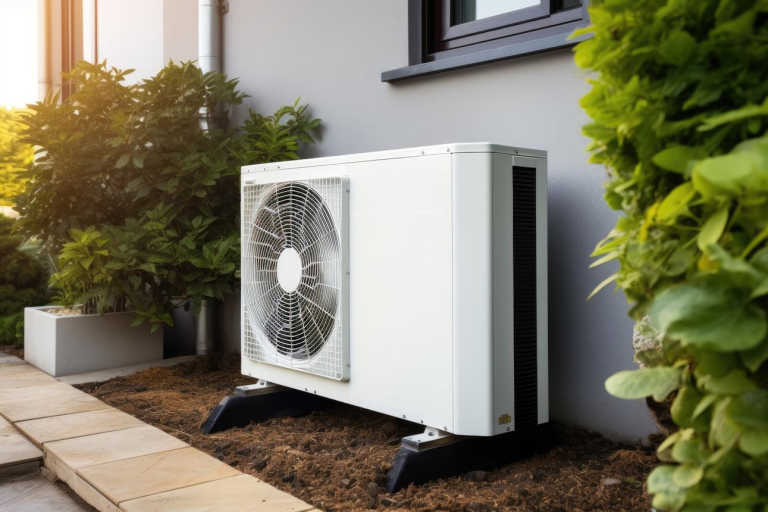
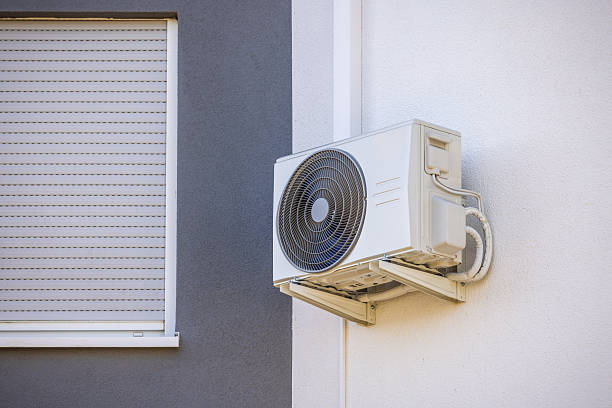
Ductless HVAC refers to heating and cooling systems that do not require traditional ductwork to deliver conditioned air. Instead, an outdoor unit connects to one or more indoor units through refrigerant lines and wiring. Each indoor unit serves a specific area or zone. For many homeowners comparing ductless HVAC Toronto options, this is the biggest advantage because the system can be designed around the rooms that actually need comfort improvements.
A mini split is one of the most common ductless solutions. It can be used as a single zone system for one room or as part of a multi zone layout for several spaces. Natural Resources Canada explains that electric heat pumps are reversible systems that can provide both heating and cooling, and many mini split systems work this way. This is why a ductless HVAC Toronto project can support comfort in summer and winter when the right heat pump equipment is selected.
How A Mini Split Works
A mini split moves heat rather than creating cool air from nothing. In cooling mode, it removes heat from the room and releases it outdoors. In heating mode, it can move heat from outdoor air into the home. This makes a Ductless Heat Pump useful for year round comfort, especially when the system is sized and selected for Canadian conditions.
For homeowners considering ductless HVAC Toronto upgrades, the practical benefit is room by room control. You can cool a bedroom at night, condition a home office during the day, or improve a finished basement without changing the whole house. That flexibility is why mini splits are often used where central systems struggle.
Why Ductless Is Different From Central Air
Central air usually cools the whole home through ducts and vents, often controlled by one thermostat. Ductless systems cool or heat zones directly. This means a ductless HVAC Toronto design can solve specific room problems without forcing every room to run at the same setting.
In a home with good ductwork, central air can work well. But in many Toronto homes, ducts are missing, undersized, poorly balanced, or not connected to new spaces like additions. In those cases, Ductless Air Conditioning or a Mini Split system may provide a cleaner and more targeted solution.
When A Mini Split Is Right For Your Home
A mini split may be right for your home if you have rooms that never feel comfortable, spaces without ductwork, or areas that need independent control. Many ductless HVAC Toronto projects begin with one problem room, such as a hot upstairs bedroom or a cold basement office. Once homeowners see how targeted zoning works, they often consider adding more zones for broader comfort.
A mini split is also useful when you do not want major renovation work. Adding ducts can require opening walls, ceilings, and floors. A ductless system uses a smaller wall opening and avoids large duct runs. For many older homes and finished spaces, ductless HVAC Toronto installations are attractive because they improve comfort while keeping disruption lower.
Older Homes Without Ductwork
Many Toronto homes were built with radiators, boilers, or baseboard heat. These homes were not designed for central air ducts. Adding full ductwork can be expensive and invasive. A ductless HVAC Toronto solution can provide cooling and heating without changing the entire structure of the home.
This is especially useful in older brick homes, semis, and homes with finished walls that homeowners do not want opened. A Mini Split can target the rooms where comfort matters most, while a multi zone system can serve several areas.
Rooms That Always Feel Too Hot Or Too Cold
If one room is always uncomfortable, a central thermostat may not fix it. The thermostat may be located in a comfortable hallway or main floor area, while the problem room is gaining heat from sun exposure or losing heat through poor insulation. A ductless HVAC Toronto system can give that room its own control.
This is common in bedrooms over garages, third floor rooms, additions, sunrooms, and home offices with electronics. A dedicated indoor unit can condition the space directly, reducing the need to overcool or overheat the rest of the home.
Benefits Of Ductless HVAC Toronto Systems
The biggest benefit of ductless HVAC Toronto systems is zoning. Zoning allows different rooms or areas to have different comfort settings. Instead of cooling the whole house to fix one warm bedroom, you can condition that bedroom directly. This can improve comfort and may reduce wasted energy when the system is designed properly.
Another benefit is flexibility. A ductless system can be installed in a single room, expanded to multiple zones, or used alongside an existing furnace or boiler. Some homeowners use ductless as their primary system in key areas, while others use it to supplement central HVAC. Natural Resources Canada notes that heat pumps can be an efficient choice for new homes and retrofits, which is why they are commonly discussed for upgrades in existing homes.
Room By Room Comfort
Room by room comfort is one of the strongest reasons to choose ductless. Bedrooms can be cooler at night, living areas can be comfortable during the day, and basements can have their own setting. This helps families with different comfort preferences and reduces the need for fans, portable AC units, or space heaters.
For ductless HVAC Toronto projects, room by room control is especially useful because many homes have mixed construction, renovations, and room additions. A zoned design can match the home as it is today, not only how it was originally built.
Less Invasive Installation
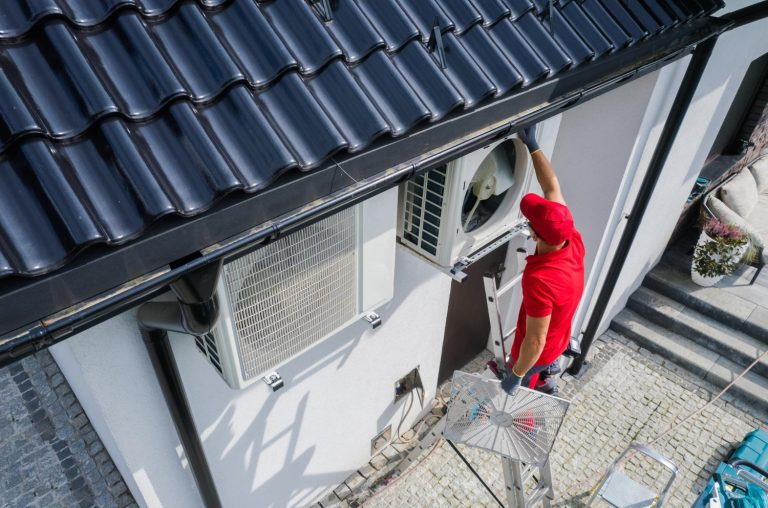
Ductless installation is usually less invasive than installing new ductwork. The indoor unit is mounted in the room, the outdoor unit is placed outside, and the two are connected through lines routed through a small opening. This can be a major advantage for homeowners who want comfort improvements without a major renovation.
That said, good installation still matters. Line routing, drainage, electrical work, and unit placement all affect performance. Go Ductless Inc. plans these details carefully so the system is clean, reliable, and practical to maintain.
Where Mini Splits Work Best In Toronto Homes
Mini splits work especially well in spaces that are separated from the main HVAC system or have different comfort needs. In Toronto, common examples include upper bedrooms, renovated attics, finished basements, home offices, additions, and garages converted into living or work areas. A ductless HVAC Toronto plan can target these spaces without replacing the entire home comfort system.
They also work well in homes with uneven temperatures between floors. Warm air rises, so upper floors often overheat in summer. Basements may stay cool but feel damp. A mini split can provide direct control to these areas, making the home feel more balanced.
Bedrooms And Upper Floors
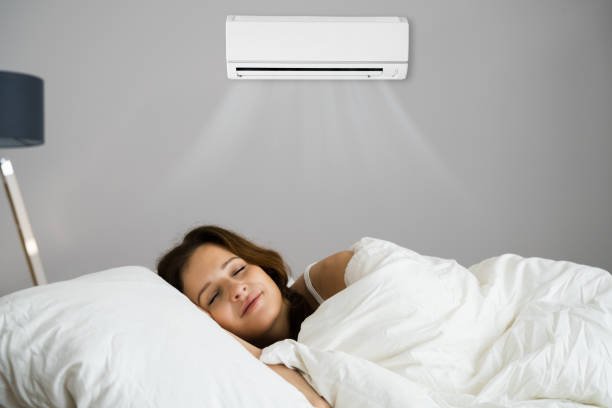
Bedrooms are one of the most popular mini split applications. Sleep comfort is sensitive to temperature, humidity, and airflow. A ductless system can keep bedrooms comfortable without overcooling the rest of the house. Proper placement is important so air does not blow directly on the bed.
For ductless HVAC Toronto homeowners, upper floors can be especially challenging because older homes may have limited attic insulation or weak duct airflow. A dedicated zone can solve a comfort issue that has existed for years.
Basements And Home Offices
Basements often behave differently from the rest of the home. They can feel damp in summer and chilly in shoulder seasons. A mini split can help provide comfort in a finished basement, especially if the space is used daily as a rec room, office, or suite.
Home offices also benefit from zoning. Computers, monitors, and closed doors can change room temperature quickly. A ductless unit gives the office its own control without forcing the main thermostat to serve one room.
What To Consider Before Choosing Ductless
Before choosing ductless HVAC Toronto installation, it is important to assess your home honestly. A mini split is excellent for many situations, but it is not magic. If a room has major air leaks, poor insulation, or blocked airflow, the system may need to work harder. Proper sizing and placement are essential.
You should also think about aesthetics, maintenance, and zone count. Indoor units are visible, so placement should balance airflow and appearance. Filters need regular cleaning. If you want multiple rooms controlled independently, you may need more than one indoor unit. These are not problems, but they should be part of the decision.
Number Of Zones
A zone is an area controlled by one indoor unit. A single zone may be enough for one bedroom, basement, or open living area. Multiple zones may be needed if you want separate control for bedrooms, main floor areas, and finished lower levels.
A ductless HVAC Toronto assessment should consider door habits. If bedroom doors stay closed, those rooms usually need their own zones for reliable comfort. If spaces are open, one unit may serve a larger area.
Indoor Unit Placement
Indoor unit placement affects comfort. The unit should have a clear air path and should not be blocked by curtains, furniture, or tight corners. In bedrooms, it should usually avoid blowing directly at sleepers. In living rooms, it should distribute air evenly across the space.
Good placement can reduce noise, drafts, and short cycling. Poor placement can make even a high quality system feel disappointing.
Signs A Mini Split May Be Right For You
Here is one random list of common signs that a ductless HVAC Toronto system could be a smart fit for your home:
- Your upstairs bedrooms are too hot in summer
- Your home does not have ductwork
- You use window AC units every year
- A finished basement never feels right
- You have an addition the main system cannot handle
- Your home office needs independent temperature control
- Family members want different room temperatures
- You want heating and cooling in one targeted system
Cost, Efficiency, And Long Term Value
The cost of ductless HVAC Toronto installation depends on the number of zones, equipment brand, installation complexity, electrical work, and line routing. A single zone system is usually simpler than a multi zone system. Premium options like Mitsubishi Electric M-Series or Daikin Ductless may cost more upfront, but they may offer quieter operation, refined controls, and strong efficiency depending on the model.
Efficiency depends on the system and the design. A correctly sized ductless system can run steadily and avoid wasted conditioning in unused rooms. Health Canada explains that ventilation is important for indoor air quality because it helps remove pollutants and bring in fresh air, so homeowners should remember that comfort systems and indoor air quality work together.
Operating Cost Expectations
A mini split can help control energy use by conditioning only the zones you need. However, the actual cost depends on runtime, setpoints, insulation, and outdoor temperature. If the home is drafty, the system must work harder. If the system is sized and used properly, it can provide efficient comfort.
For many homeowners, the value is not only lower energy use. It is better comfort, fewer window units, quieter rooms, and the ability to use spaces that were previously uncomfortable.
Maintenance Expectations
Maintenance is straightforward but important. Filters should be cleaned regularly, indoor units should have clear airflow, and outdoor units should be kept free of leaves, snow, and debris. If performance changes, professional service can identify airflow, refrigerant, drainage, or electrical issues.
A ductless HVAC Toronto system will perform best when homeowners treat maintenance as part of ownership, not an optional task.
Why Choose Go Ductless Inc.
Go Ductless Inc. specializes in ductless design and installation for Toronto and the GTA. We understand the comfort challenges that local homes face, from older houses with no ducts to renovated spaces with uneven temperatures. Our process starts with your home’s layout, not a generic equipment recommendation. We assess zones, airflow paths, indoor placement, outdoor placement, electrical needs, and long term comfort goals.
We also help you choose the right service pathway. If you need targeted room control, a Mini Split may be the right choice. If summer cooling is the priority, Ductless Air Conditioning can solve hot spots and bedroom comfort issues. If you want year round comfort, a Ductless Heat Pump may provide heating and cooling from one system. For homeowners comparing premium equipment, we can review Mitsubishi Electric M-Series and Daikin Ductless options based on your comfort needs, efficiency goals, and budget.
Two Helpful Canadian Government Resources
- Natural Resources Canada explains heat pump basics and how heat pumps can provide both heating and cooling.
- Health Canada explains that ventilation can help improve indoor air quality by removing pollutants and bringing in fresh air.
Find The Right Ductless HVAC Toronto Solution With Go Ductless Inc.
A mini split may be right for your home if you need room by room comfort, have no ductwork, struggle with hot bedrooms, or want a cleaner way to condition basements, offices, and additions. Ductless HVAC Toronto solutions are flexible because they can be installed as one targeted zone or designed as a multi zone system for several areas. The best results come from correct sizing, smart placement, and a plan that reflects how your household actually uses each room.
If you are ready to explore ductless HVAC Toronto options, contact Go Ductless Inc. We can assess your layout, identify the best zones, and recommend a solution that fits your goals, whether that is a Mini Split, Ductless Air Conditioning, Ductless Heat Pump, Mitsubishi Electric M-Series, or Daikin Ductless. With the right design, your home can feel more comfortable, efficient, and easier to control.
Frequently Asked Questions
- What is ductless HVAC Toronto and how does it work?
Ductless HVAC Toronto refers to ductless heating and cooling systems that use indoor units and an outdoor unit to condition specific zones without ductwork. - Is ductless HVAC Toronto good for older homes?
Yes, ductless HVAC Toronto is often a strong fit for older homes without ductwork or rooms that central systems cannot cool evenly. - Can ductless HVAC Toronto provide heating and cooling?
Yes, many systems are heat pumps, so ductless HVAC Toronto can provide heating and cooling when the right equipment is selected. - How many zones do I need for ductless HVAC Toronto installation?
The number of zones depends on your layout, door habits, floors, and comfort needs. Closed bedrooms usually need their own zones. - Is ductless HVAC Toronto better than window AC units?
For many homes, yes. Ductless HVAC Toronto systems are usually quieter, more permanent, and better at targeted comfort than window units. - Does ductless HVAC Toronto require a lot of maintenance?
No, but filters must be cleaned regularly, airflow should stay clear, and outdoor units should remain free of debris. - When should I call Go Ductless Inc. for ductless HVAC Toronto advice?
Call when you have hot rooms, no ductwork, basement comfort issues, or want a professional assessment before choosing a mini split system.