Toronto weather asks a lot of a home. January brings deep cold, July brings heat and humidity, and spring and fall swing between the two. Many houses handle this with a furnace for winter and a separate air conditioner for summer, if they have any cooling at all. A ductless system takes a different approach: one system, working in both directions.
This guide explains how ductless heating and cooling in Toronto works through the year, what each season looks like, and where it makes the most sense. To see the systems in more detail, visit our page on the ductless heat pump in Toronto.
What Is a Ductless HVAC System?
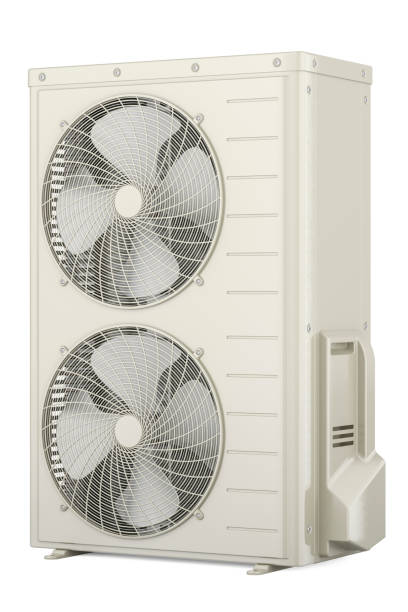
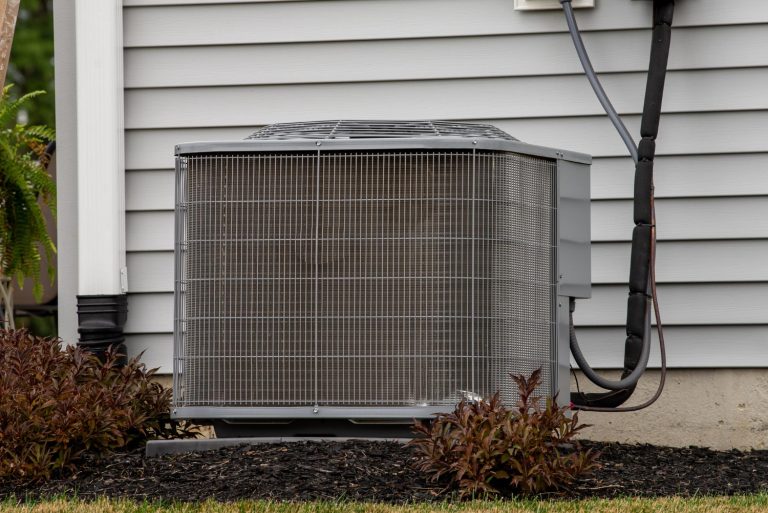
A ductless HVAC system has an outdoor unit connected to one or more indoor units by small refrigerant lines. There is no ductwork. Each indoor unit heats or cools the room it serves, and you control it individually. The most common type is a ductless heat pump system, which can reverse its operation depending on the season.
Why “Ductless” Matters
- No ducts to install: ideal for older homes, additions and basements.
- Less energy lost: heat is delivered directly to the room, without duct leakage.
- Room-by-room control: condition only the spaces you use.
- Quiet operation: indoor units are designed to run softly.
How One Ductless Heat Pump System Works All Year
In heating mode, the system extracts heat from outdoor air and moves it inside. In cooling mode, it reverses and removes heat from your home, moving it outside. This is the same principle as a refrigerator and the reason one piece of equipment can provide year round heating and cooling.

Ductless Heating and Cooling Through Toronto’s Four Seasons
Winter: Ductless Heating in Toronto
A cold climate ductless heat pump can keep your home warm when temperatures drop well below freezing. Many models are rated to operate at around -25°C. Proper sizing is essential, and some homeowners keep a furnace or other source as a backup for the coldest days.
Winter Tips
- Use a steady set point instead of big overnight setbacks.
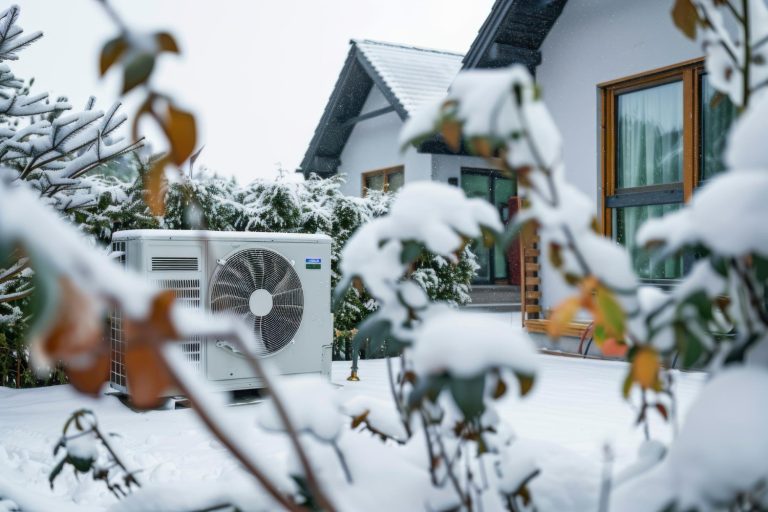
- Keep snow and ice away from the outdoor unit.
- Clean or rinse filters regularly.
Spring: Comfortable Shoulder Season
Spring is when ductless systems shine. On mild days, they run at low speeds and use very little energy. You can heat the cool bedrooms in the morning and avoid firing up a large furnace for a few degrees.
Summer: Ductless Cooling in Toronto
In summer, ductless cooling delivers quiet, targeted air conditioning. It is especially useful for upper floors, sun-heavy rooms and finished basements. The system also removes moisture, which makes humid days feel more comfortable. You can learn more about cooling-focused options on our ductless air conditioning Toronto page.
Why Humidity Control Matters
Toronto summers are humid, and damp air feels warmer than it is. When a ductless unit cools, it also pulls moisture from the air. That helps basements feel less clammy and lets many people set the temperature a little higher while staying comfortable.
Fall: Easy Transitions
In autumn, temperatures swing from warm afternoons to cold nights. A ductless system adapts by switching between heating and cooling as needed, so you do not have to change over a seasonal system.
Benefits of Ductless HVAC in Toronto Homes
Comfort Where You Need It
Different rooms have different needs. Ductless zones let you set the home office, bedroom and living room independently.
Energy Efficiency
Heat pumps move heat instead of creating it, which is generally more efficient than electric resistance heating. Inverter technology adjusts output so the system does not waste energy.
Better Indoor Air
Ductless systems avoid dust that builds up in ducts, and indoor units include filtration that is easy to clean.
Flexible Installation
Installation requires only a small opening for the refrigerant lines. This is a major advantage in older homes, which our article on ductless HVAC for older Toronto homes covers in detail.
Ductless vs. a Traditional Furnace and Air Conditioner Setup
A traditional setup uses two separate systems that share one set of ducts. A ductless system combines the jobs, with some clear differences:
- One system instead of two: heating and cooling come from the same equipment.
- No ductwork losses: heat and cool air are delivered directly to the room.
- Zoned comfort: each room can have its own temperature.
- Easier additions: adding a room does not require extending ducts.
For many homes the best answer is a combination, such as keeping an existing furnace and adding ductless units where comfort falls short.
Where Ductless Heating and Cooling Works Best
- Homes with no existing ductwork.
- Basements, attics and finished lower levels.
- Additions, sunrooms and garage conversions.
- Rooms that are always too hot or too cold.
- Condos, townhouses and small homes where space is limited.
- Businesses and offices that need zoned comfort.
Choosing the Right Ductless System for Your Home
Single Zone or Multi Zone
A single zone system serves one space. A multi zone system connects several indoor units to one outdoor unit for whole-home comfort. The right choice depends on your layout and goals.
Sizing and Cold Climate Ratings
Proper sizing is based on heat loss, not only square footage. In Toronto, choose a model rated for cold climate operation and check its capacity at low temperatures.
Brands and Models
Our team installs several trusted brands, including Mitsubishi, Fujitsu, Daikin, LG and Panasonic. You can explore Mitsubishi air conditioning in Toronto if you want a closer look at one of the most popular options.
Caring for Your Ductless System Through the Year
- Every month or two: clean or rinse the indoor filters.
- Spring: check the outdoor unit for debris and have it inspected before cooling season.
- Fall: schedule a tune-up before winter and clear leaves from the outdoor unit.
- Winter: remove heavy snow and keep the area around the unit clear.
Cost and Energy Savings Across the Year
Because ductless systems condition only the rooms you use, they can reduce energy waste in every season. In spring and fall, they run at low output. In winter and summer, you can heat or cool occupied rooms instead of the entire house. Costs depend on the number of zones, the equipment and the layout of your home, so a custom estimate is the best way to understand your numbers. It is also worth checking whether any heat pump incentives are currently available.
What to Expect During Ductless Installation
A well-run installation follows a clear path:
- A site visit to review your home and goals.
- A heat loss calculation to size each zone correctly.
- Mounting the indoor units and setting the outdoor unit.
- Running refrigerant lines, drains and wiring.
- Testing the system and walking you through the controls.
Go Ductless Inc. handles each of these steps, and most installations are completed in a day, depending on the size of the project.
Why Choose Go Ductless Inc. for Ductless HVAC in Toronto
Go Ductless Inc. focuses on ductless heating and cooling for homes and businesses across Toronto and the GTA. We have served the area for more than 10 years, and our installations follow all regulations.
We start with your space and your needs, then design a system that works in every season. You receive a clear estimate before any work begins, and we explain your options in plain language.
Final Thoughts
Ductless heating and cooling gives Toronto homeowners a practical way to stay comfortable all year with a single, efficient system. From winter cold snaps to summer humidity, the right ductless design adapts to the season and to each room.
Ready to plan your year-round comfort? Request a free estimate from Go Ductless Inc. or call (647) 916-9114 to speak with our team.
Frequently Asked Questions
1. Can one ductless system really heat and cool my home?
Yes. A ductless heat pump heats in winter and cools in summer, using the same equipment.
2. Does ductless heating work in Toronto winters?
A cold climate model is designed to. Proper sizing is the key, and some homeowners keep a backup heat source for extreme cold.
3. How many rooms can one ductless system serve?
A single zone unit serves one space, while multi zone systems can serve several rooms from one outdoor unit.
4. How long does ductless installation take?
Many installations are completed in one day, depending on system size and the number of indoor units.
5. How long does a ductless system last?
With professional installation and regular maintenance, a ductless system can last 15 to 20 years or longer.
6. Is ductless HVAC more efficient than central air?
Often yes, because there are no duct losses and each room can be controlled separately. Go Ductless Inc. can explain how this applies to your home.