Toronto winters can be unpredictable. Some days are mild and damp, while others bring freezing wind, icy mornings, and long stretches where homeowners depend on reliable heat every hour of the day. That is why many homeowners ask whether ductless heat pumps Toronto installations can actually handle winter comfort. The answer is yes, they can work very well when the system is properly sized, designed for cold weather, and installed with the right zone plan.
At Go Ductless Inc., we help homeowners understand what ductless heat pumps Toronto systems can realistically do in older homes, renovated spaces, condos, townhomes, and detached properties. A heat pump is not a furnace, so the comfort experience feels different. Instead of short blasts of very hot air, a ductless system provides steady heating directly into the room or zone. This guide explains how they work, what to expect in winter, when backup heat may help, and how to choose a system that fits your home.
How Ductless Heat Pumps Work In Winter
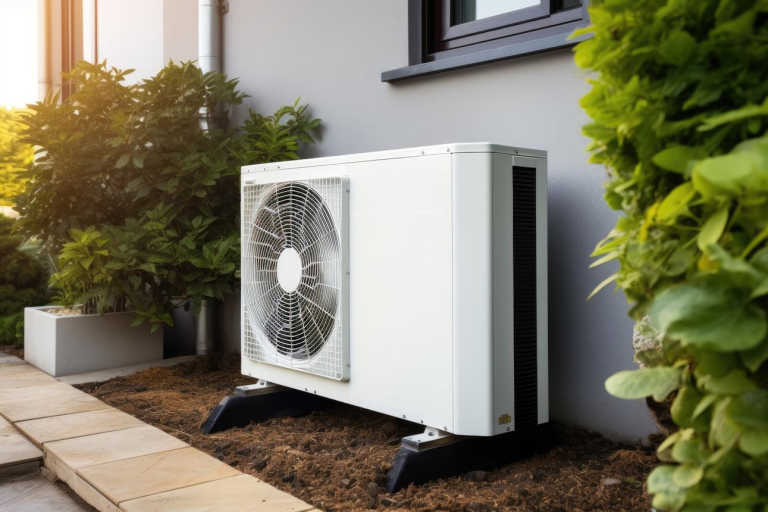
Ductless heat pumps Toronto homeowners install are usually air source heat pumps. In heating mode, they draw heat from outdoor air and move it indoors using refrigerant, a compressor, and an indoor air handler. Even when outdoor air feels cold, it still contains heat energy. The system captures that energy, raises its temperature through the refrigeration cycle, and releases warm air into the room. This is why heat pumps can be more efficient than electric resistance heat in many conditions.
Natural Resources Canada explains that electric heat pumps are reversible systems that can both heat and cool a home. The same technology that pushes heat outside in summer can bring heat indoors in winter. This makes ductless heat pumps Toronto solutions attractive for homeowners who want year round comfort from one system rather than separate heating and cooling equipment.
Why They Can Heat Even When It Is Cold Outside
The biggest misconception is that there is no heat to collect when the outdoor air is cold. In reality, heat energy exists in the air even below freezing. Cold climate equipment is designed to extract that heat more effectively at lower temperatures. This is why ductless heat pumps Toronto systems can provide dependable winter comfort when the model is chosen for the home’s heat load and Toronto’s winter conditions.
The system may run longer during colder weather, and that is normal. Heat pumps are designed for steady operation. Rather than waiting for the room to become cold and then blasting heat, a well planned ductless system maintains temperature gradually. This steady style is one reason many homeowners find the comfort smooth and quiet.
What Defrost Cycles Mean
In winter, frost can build up on the outdoor coil. When that happens, the system briefly runs a defrost cycle to clear the coil and restore heat transfer. During defrost, indoor heating may pause or reduce briefly. This is normal and does not mean the system is failing. Ductless heat pumps Toronto installations should be planned so occasional defrost does not cause uncomfortable temperature swings.
If defrost happens constantly or the unit struggles after every cycle, that may point to poor airflow, snow blockage, low refrigerant, or an installation issue. A professional inspection can confirm whether the system is operating normally.
Do Ductless Heat Pumps Work In Toronto Winter Conditions?
Yes, ductless heat pumps Toronto systems can work through winter when designed correctly. Toronto is cold, but it is not the same as the harshest northern climates. Many modern cold climate ductless systems are built to provide strong heating performance at low temperatures. The key is choosing equipment that maintains capacity in cold weather and matching it to the home’s actual heat loss.
However, not every ductless heat pump is equal. A basic model chosen only for cooling may not be the right choice for winter heating. A cold climate capable system with proper sizing, indoor placement, and outdoor clearance is the better option. Homeowners should also understand that performance changes as temperatures drop, so design and backup planning matter.
Toronto Homes Have Different Heat Loads
A renovated townhouse with good insulation may need less heating capacity than an older detached home with air leaks and drafty windows. A condo may have different exposure than a corner semi or a third floor bedroom. This is why ductless heat pumps Toronto projects should start with a home assessment, not a guess based only on square footage.
Go Ductless Inc. looks at room size, insulation, window exposure, ceiling height, floor level, and door habits. This helps determine whether one Mini Split zone is enough for a specific area or whether a broader Ductless Heat Pump plan is needed for multiple spaces.
Cold Climate Models Matter
Cold climate models are designed to keep producing useful heat at lower outdoor temperatures. They may cost more than basic equipment, but they are often the better value if you want winter performance. Homeowners comparing premium options may look at Mitsubishi Electric M-Series or Daikin Ductless systems, depending on comfort goals, budget, and layout.
A good contractor should explain not only the brand, but also the exact model series, capacity, efficiency ratings, and expected performance in cold weather.
What Comfort Feels Like Compared With A Furnace
Ductless heat pumps Toronto systems heat differently than gas furnaces. A furnace often delivers very warm air in short cycles. A ductless heat pump usually delivers gentler warm air for longer periods. This can feel less dramatic, but it often creates more stable room temperature. The room may not feel like it is being blasted with heat, but it can stay comfortable for longer stretches.
This comfort style takes some adjustment for homeowners used to traditional heating. Instead of turning the system off and on frequently, ductless systems usually work best with steady setpoints. The goal is to let the inverter compressor maintain comfort gradually. When used properly, ductless heat pumps Toronto systems can feel quiet, consistent, and easy to live with.
Steady Setpoints Usually Work Best
Large temperature setbacks can make a heat pump work harder in the morning or evening. If you drop the room far below your comfort level overnight and then ask it to recover quickly, the system may run at high output for longer. Ductless heat pumps Toronto systems usually perform better with small adjustments and steady operation.
That does not mean every room needs the same temperature all day. Zoning lets you reduce heating in rooms you are not using, but extreme swings are usually less efficient and less comfortable.
Airflow Direction Matters
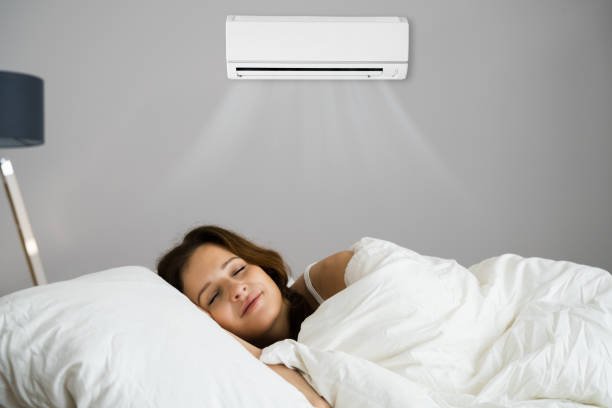
Indoor unit placement and airflow settings are important for comfort. A unit should not blow directly on a bed, sofa, or desk if it creates drafts. The best setup distributes warm air across the room so it mixes naturally. Good placement helps ductless heat pumps Toronto systems feel more comfortable and reduces the need for higher setpoints.
Energy Use And Efficiency In Winter
One reason homeowners consider ductless heat pumps Toronto upgrades is energy efficiency. Heat pumps move heat rather than generate it directly, which can reduce electricity use compared with electric resistance heating in many cases. Natural Resources Canada notes that heat pumps can use less energy to heat and cool a home than traditional equipment.
Energy use still depends on the home. If a room has poor insulation, big air leaks, or old windows, the system must run longer. If the home is reasonably sealed and the system is sized correctly, winter energy performance can be strong. Ductless heat pumps Toronto installations deliver the best results when equipment selection and home efficiency improvements work together.
Why Inverter Technology Helps
Most ductless heat pumps use inverter technology. This allows the compressor to ramp up or down instead of running only at full power. In winter, that means the system can maintain steady heat at lower output once the room reaches the set temperature. This can reduce waste and improve comfort compared with frequent hard starts and stops.
Inverter operation also supports quieter heating. The system can run in the background instead of constantly cycling loudly.
Home Efficiency Still Matters
Even the best heat pump cannot stop heat from escaping through air leaks, poor insulation, or weak windows. If your home loses heat quickly, the system must replace it quickly. Air sealing, attic insulation, better weatherstripping, and improved window coverings can all help ductless heat pumps Toronto systems work more effectively.
Natural Resources Canada provides information about home energy efficiency programs and upgrades through the Canada Greener Homes Initiative.
When Backup Heat Makes Sense
Some ductless heat pumps Toronto installations can serve as the main heat source for specific rooms or even large portions of a home. Others work best as part of a hybrid strategy. Backup heat is not a failure. It is a practical planning tool for rare extreme cold, high heat loss rooms, or homeowners who want extra peace of mind.
Backup heat might be an existing furnace, boiler, electric baseboard, or another system already in the home. Many homeowners use ductless as the main comfort source in key zones and keep existing heat available for the coldest days. This approach can improve comfort and reduce reliance on less efficient heating without requiring a full system replacement immediately.
Signs Backup Heat May Be Helpful
Backup heat may be useful if your home has major air leaks, if a room is exposed on several sides, if you want whole home coverage from a limited number of indoor units, or if you prefer an extra safety net during unusually cold periods. A professional assessment can help decide whether backup heat is necessary or simply optional.
The goal is to design around reality. Ductless heat pumps Toronto systems can do a lot, but they should not be expected to overcome poor insulation or unrealistic zone coverage without support.
Hybrid Comfort Strategies
A hybrid strategy might use a ductless system for the main living area and bedrooms while keeping existing heat for basement rooms or rarely used spaces. Another option is using ductless to reduce furnace runtime while the furnace remains available for peak cold. This can be a smart balance for older Toronto homes.
Winter Performance Tips
Ductless heat pumps Toronto systems perform best when homeowners use them correctly and keep the outdoor and indoor units clear. Small habits can make a noticeable difference in comfort, noise, and efficiency.
Here is one random list of winter tips:
- Keep filters clean so airflow stays strong
- Avoid extreme temperature setbacks
- Keep outdoor units clear of snow, ice, leaves, and storage items
- Use steady setpoints for smoother comfort
- Make sure indoor units are not blocked by curtains or furniture
- Do not shut doors if one zone is expected to heat several rooms
- Schedule service if defrost cycles seem constant
- Improve air sealing and insulation where possible
Common Mistakes To Avoid With Winter Ductless Heating
The biggest mistake is choosing equipment based only on summer cooling needs. If winter heating matters, the model must be suitable for cold weather. Ductless heat pumps Toronto homeowners rely on for winter should be selected for heating capacity, not only cooling capacity. A low cost cooling focused system may not deliver the winter comfort you expect.
Another mistake is using too few indoor units. One unit cannot reliably heat several closed door rooms. If bedroom doors stay closed, each key bedroom may need its own zone. Poor placement is another problem. If an indoor unit is installed where airflow is blocked or aimed poorly, comfort will suffer even if the equipment is high quality.
Poor Outdoor Placement
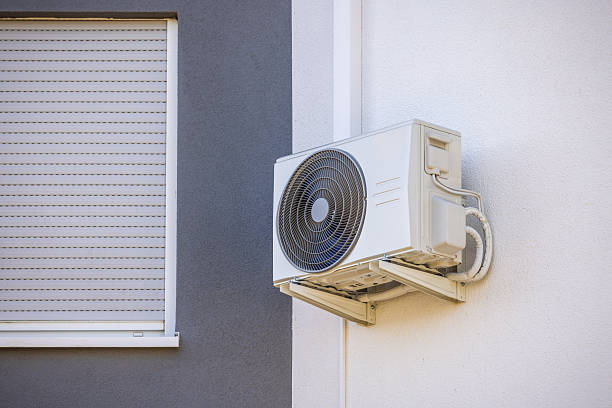
Outdoor units need airflow and winter clearance. If the unit is installed where snow piles up or where airflow is restricted, performance can drop. Good placement should allow service access and should reduce the risk of ice and snow problems.
Ignoring Maintenance
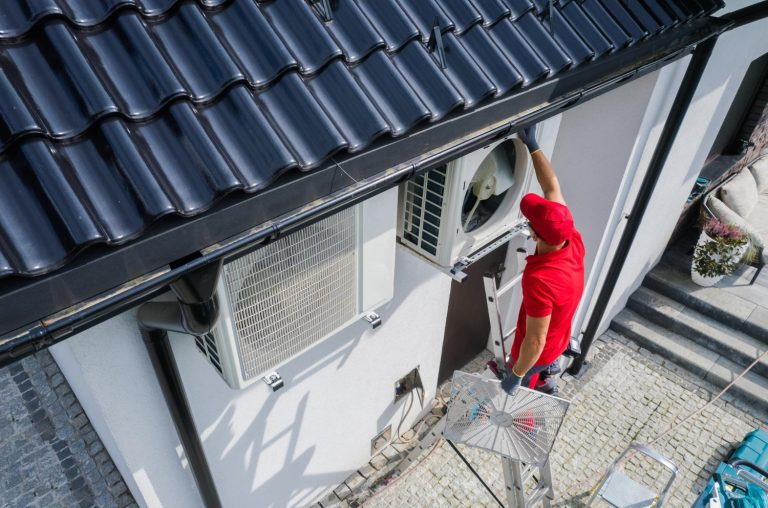
Dirty filters and blocked coils reduce performance. Ductless systems are efficient, but they still need basic care. Homeowners should clean filters and schedule professional service when performance changes.
Why Choose Go Ductless Inc.
Go Ductless Inc. understands how to design ductless heat pumps Toronto homeowners can trust for real winter comfort. We do not recommend equipment based on guesswork. We assess your home’s layout, heat loss, insulation, room use, door habits, and comfort expectations before recommending a system. This helps avoid common problems like undersized systems, poor indoor placement, and unrealistic zoning.
We also help homeowners choose the right service pathway. If you want winter heating and summer cooling, a Ductless Heat Pump plan may be the best fit. If you need targeted room control, a Mini Split can solve a specific comfort problem. If your priority is cooling with future heating flexibility, Ductless Air Conditioning planning can be paired with heat pump options. For homeowners comparing premium equipment, Mitsubishi Electric M-Series and Daikin Ductless systems can be reviewed based on cold weather performance, comfort control, and budget.
Get Winter Ready Ductless Heat Pumps Toronto Support From Go Ductless Inc.
Ductless heat pumps Toronto installations can absolutely work in winter when they are designed correctly. The key is choosing cold climate capable equipment, sizing the system for real heat loss, placing indoor and outdoor units properly, and using steady operating habits. The comfort may feel different from a furnace, but many homeowners appreciate the quieter, more consistent warmth that a ductless heat pump provides.
If you want to know whether ductless heat pumps Toronto solutions are right for your home, contact Go Ductless Inc. We can assess your layout, identify the best zones, and recommend the right path, whether that is a Ductless Heat Pump, Mini Split, Ductless Air Conditioning solution, Mitsubishi Electric M-Series, or Daikin Ductless system. With the right design, you can enjoy reliable winter comfort and efficient year round performance.
Frequently Asked Questions
- Do ductless heat pumps Toronto systems actually work in winter?
Yes, ductless heat pumps Toronto systems can work well in winter when they are cold climate capable, properly sized, and installed correctly. - Are ductless heat pumps Toronto systems good for older homes?
Yes, ductless heat pumps Toronto systems can be a strong fit for older homes, especially where ductwork is missing or certain rooms are hard to heat. - Do ductless heat pumps Toronto systems need backup heat?
Some homes use backup heat for extreme cold or high heat loss rooms, but many key zones can be heated well with proper design. - How should I use ductless heat pumps Toronto systems in cold weather?
Use steady setpoints, keep filters clean, and avoid blocking indoor or outdoor units so ductless heat pumps Toronto systems can run efficiently. - Can ductless heat pumps Toronto systems heat bedrooms with doors closed?
They can if the bedrooms have their own zones. One hallway unit may not heat multiple closed bedrooms effectively. - Are ductless heat pumps Toronto systems expensive to run?
Operating cost depends on insulation, setpoints, outdoor temperature, and system sizing, but heat pumps can use less energy than many traditional electric heating options. - When should I call Go Ductless Inc. about ductless heat pumps Toronto installation?
Call when you want a professional assessment of your home’s heat load, zone needs, and the best ductless system for winter comfort.