Toronto homes come in many forms, from compact condos and converted lofts to century-old brick houses, semi-detached properties, townhomes, and renovated family homes. Many of these properties were never designed with modern central air conditioning in mind. That is why ductless cooling for Toronto homes has become an increasingly practical option for homeowners who want reliable summer comfort without installing or rebuilding extensive ductwork. A properly designed ductless system can cool specific rooms, control temperatures independently, and solve hot spots that conventional systems often struggle to reach.
At Go Ductless Inc., we work with homeowners who want cooling solutions that fit their actual property layout rather than forcing a standard HVAC design into a home where it does not belong. Ductless cooling for Toronto homes can work especially well in condos with limited mechanical space, older houses heated by radiators or boilers, renovated basements, attic bedrooms, and additions. This guide explains the best ductless options for these properties, how zoning works, what to consider before installation, and how to choose a system that provides dependable comfort and efficient operation.
Why Ductless Cooling Works Well In Toronto Homes
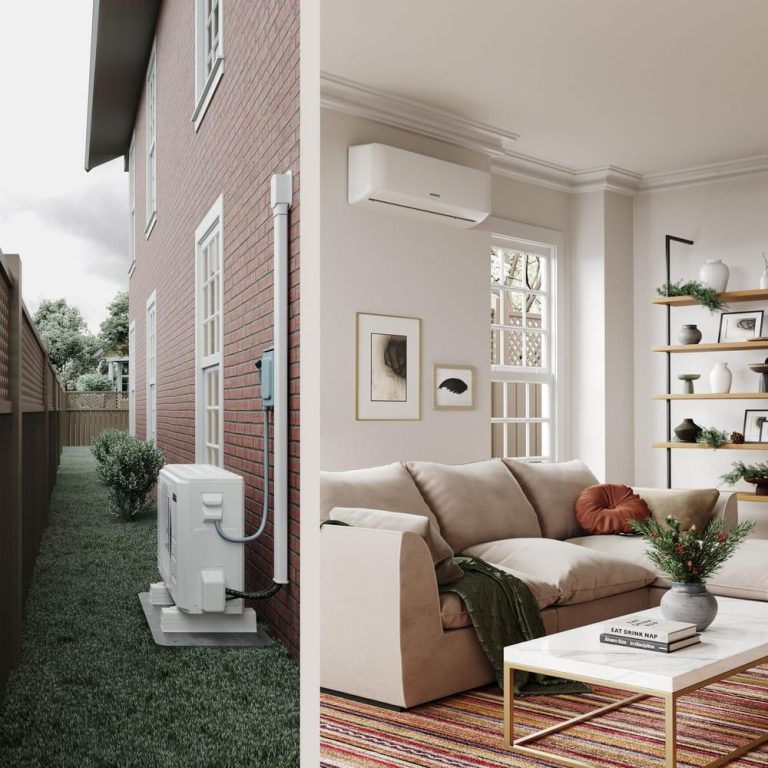
Many older Toronto properties were built long before central air conditioning became common. Some rely on radiators, boilers, or electric baseboards and have no duct network available for cooling. Adding traditional ducts can require opening ceilings, building bulkheads, removing finished materials, and sacrificing valuable living space. Ductless cooling for Toronto homes avoids much of this disruption because refrigerant lines can connect an outdoor unit to compact indoor units through relatively small wall openings. This makes ductless equipment especially attractive when homeowners want modern cooling without a major structural renovation.
Toronto condos present a different challenge. Space is limited, exterior alterations may be regulated, and different units can have very different sun exposure. South-facing rooms may overheat while interior spaces remain comfortable. Ductless cooling for Toronto homes gives homeowners the ability to target the areas that actually need cooling instead of treating the entire property as one temperature zone. A professional assessment is still essential because condo rules, equipment location, drainage, electrical requirements, and outdoor unit permissions can affect what type of ductless system is practical.
Direct Cooling Without Traditional Ductwork
The main advantage of a ductless system is direct conditioning. An indoor unit draws warm room air across a cooling coil, removes heat and moisture, and sends conditioned air back into that same space. Because ductless cooling for Toronto homes does not depend on long duct runs, it can deliver comfort directly to problem areas such as upper bedrooms, home offices, converted attics, and rear additions where central airflow may be weak.
Best Ductless Options For Older Toronto Homes
Older houses often have rooms that behave very differently from one another. Thick masonry walls, additions completed in different decades, varying insulation levels, and narrow staircases all influence how heat moves throughout the property. Ductless cooling for Toronto homes is effective in these situations because the system can be divided into zones instead of depending on airflow from one central location. A homeowner might install one indoor unit on the main floor, another upstairs, and a separate zone in a finished basement based on how the family uses the space.
A Mini Split is often a strong starting point when one particular room causes most of the discomfort. For homes requiring broader coverage, multi-zone Ductless Air Conditioning can connect several indoor units to a compatible outdoor unit. If homeowners also want winter heating support, a Ductless Heat Pump may provide both heating and cooling. The best ductless cooling for Toronto homes should be planned around real room loads, closed-door habits, window exposure, insulation, and the areas where comfort matters most.
Single-Zone Mini Split Systems
A single-zone system connects one indoor unit to one outdoor unit and is ideal when the cooling problem is concentrated in one area. Ductless cooling for Toronto homes using a single-zone Mini Split can work very well for a hot primary bedroom, third-floor room, basement office, sunroom, or addition. Because the system is dedicated to that one space, homeowners can control the temperature without lowering the thermostat for the rest of the property.
Multi-Zone Ductless Systems
Multi-zone systems allow several indoor units to connect to one outdoor system. This makes ductless cooling for Toronto homes practical when multiple bedrooms, floors, or renovated spaces need independent temperature control. Each zone can typically be adjusted separately, but system capacity is shared, so proper equipment matching is important when several rooms may call for cooling at the same time.
Best Ductless Options For Toronto Condos
Condos have limited mechanical space, closely positioned neighbouring units, and building rules that can affect HVAC changes. Before planning ductless cooling for Toronto homes located in condominium buildings, owners should review their condo corporation requirements. Outdoor equipment placement may be restricted, exterior wall penetrations may need approval, and condensate drainage must be planned carefully. These restrictions do not necessarily prevent ductless installation, but they make professional planning essential before equipment is ordered.
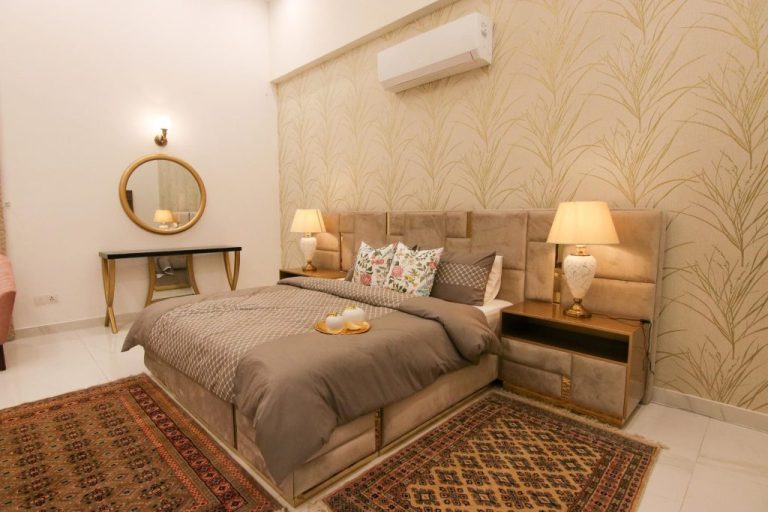
When a condo layout permits ductless installation, a single-zone system may be enough for an open living area, while a second zone could serve a closed bedroom. Ductless cooling for Toronto homes in condos is particularly helpful when one side of the unit receives strong afternoon sun or when existing building cooling does not provide enough individual control. Quiet indoor operation is also important in compact spaces because the equipment may be installed close to sleeping or working areas.
Open-Concept Condo Layouts
Open layouts can sometimes be served effectively by one properly positioned indoor unit. Ductless cooling for Toronto homes with open living, kitchen, and dining areas works best when the unit has an unobstructed airflow path and can distribute cooled air throughout the primary living zone. Furniture placement, ceiling height, windows, and direct sun exposure should all be considered before selecting capacity.
Condos With Separate Bedrooms
Closed bedroom doors restrict air movement, so one living-room unit should not be expected to cool every separated space evenly. Ductless cooling for Toronto homes with enclosed bedrooms may require additional zones if consistent nighttime temperatures are important. Proper zone planning prevents homeowners from lowering one thermostat excessively in an attempt to push cooled air into spaces it cannot easily reach.
Why Zoning Makes A Difference In Toronto Properties
Zoning is one of the biggest reasons homeowners choose ductless cooling for Toronto homes. Traditional central air typically relies on one thermostat to control large areas, even when rooms have different comfort demands. A west-facing bedroom may absorb afternoon sun while the shaded living room is already comfortable. With ductless zoning, the warmer room can receive additional cooling without unnecessarily lowering the temperature throughout the entire property.
Zoning can also match cooling with occupancy. Bedrooms may require more cooling at night, while kitchens, offices, and living rooms may need it during the day. Ductless cooling for Toronto homes allows households to adjust different areas according to actual use. This flexibility can reduce unnecessary runtime in lightly used spaces, but homeowners should still operate systems sensibly and avoid extreme temperature settings that create unnecessary load.
Closed Doors And Room Separation
Toronto homes often have compartmentalized layouts, especially older houses with smaller individual rooms. Ductless cooling for Toronto homes must account for those physical barriers. If doors remain closed for privacy, the conditioned air from one indoor unit cannot reliably reach neighbouring rooms, which is why important closed spaces often benefit from separate zoning.
Multi-Level Homes
Temperature differences between floors are common because upper levels gain heat from both rising indoor air and roof exposure. Ductless cooling for Toronto homes with two or three storeys can address this imbalance by creating separate upstairs and downstairs zones. A professional design can determine whether one indoor unit per level is sufficient or whether closed bedrooms require more targeted solutions.
Energy Efficiency And Summer Comfort
Ductless cooling for Toronto homes can support efficient summer operation because modern systems often use inverter-driven compressors. Instead of switching only between full power and off, inverter equipment can adjust output as the cooling demand changes. Once a room reaches the desired temperature, the system can reduce output and maintain comfort more gradually. This can provide steadier temperatures and quieter operation compared with repeated high-output cycling.
Efficiency still depends on the home itself. Drafty windows, weak attic insulation, open exterior doors, dirty filters, blocked indoor airflow, and extreme thermostat settings can all increase cooling demand. Natural Resources Canada provides educational information about electric heat pumps and how they transfer heat for heating and cooling.
Inverter Technology
Inverter technology helps the compressor respond to changing room conditions rather than operating at one fixed level. For ductless cooling for Toronto homes, this means the system can often maintain a stable indoor environment without repeatedly cycling from maximum output to off. Proper sizing is important because even advanced inverter equipment cannot fully compensate for an installation that is dramatically oversized or undersized.
Humidity Control
Toronto summers can feel humid, and humidity affects comfort even when indoor temperatures seem reasonable. Ductless cooling for Toronto homes can help remove moisture as air passes across the indoor coil. Correct equipment sizing supports better dehumidification because a system that cools too quickly may shut down before removing enough moisture from the space.
Choosing The Right Brand And Equipment
Brand is important, but it should come after system design. Homeowners often start by comparing recognizable names, but ductless cooling for Toronto homes depends just as heavily on sizing, placement, zoning, and installation quality. A premium indoor unit installed in the wrong location can still create drafts or uneven comfort. A professional contractor should first understand the home, then recommend equipment that matches the required capacity and desired features.
Go Ductless Inc. can help homeowners compare options such as Mitsubishi Electric M-Series and Daikin Ductless alongside other suitable product lines. Important features may include quiet operation, inverter control, multi-zone compatibility, heating performance, remote controls, and available efficiency ratings. The best ductless cooling for Toronto homes is not automatically the system with the most features. It is the one whose performance characteristics match the property and household.
Mitsubishi Electric M-Series
Mitsubishi Electric M-Series is often considered by homeowners looking for refined controls, quiet indoor operation, and flexible configurations. For ductless cooling for Toronto homes, this type of equipment can suit bedrooms, living areas, and multi-zone layouts when the specific model is properly sized for the space.
Daikin Ductless
Daikin Ductless is another equipment pathway homeowners may consider for single-zone and multi-zone applications. When evaluating ductless cooling for Toronto homes, homeowners should compare exact model specifications rather than choosing only by brand name. Efficiency ratings, sound levels, capacity range, warranty conditions, and installer support all deserve attention.
Signs Ductless Cooling May Fit Your Home
Some properties are especially well suited to ductless systems because their existing design makes conventional cooling difficult. If several of the conditions below describe your property, ductless cooling for Toronto homes may be worth discussing with an experienced installer.
- Your house uses radiators or baseboards and has no ductwork
- Upstairs bedrooms stay hot despite cooling elsewhere
- You use window or portable AC units every summer
- A renovated attic or addition lacks reliable cooling
- Your basement or office needs independent temperature control
- Family members want different temperatures in different rooms
- Existing ducts provide weak airflow to certain areas
- You want a less invasive alternative to installing new ductwork
Installation Considerations For Condos And Older Homes
A successful installation starts with placement planning. Indoor units need open airflow, practical drainage, and enough clearance for cleaning and service. Outdoor units need adequate ventilation, mounting support, and permitted placement. In older Toronto homes, brick walls and finished interiors may make line routing more complex. Ductless cooling for Toronto homes should therefore be planned before drilling begins so refrigerant lines, wiring, and condensate drainage can follow a clean and reliable route.
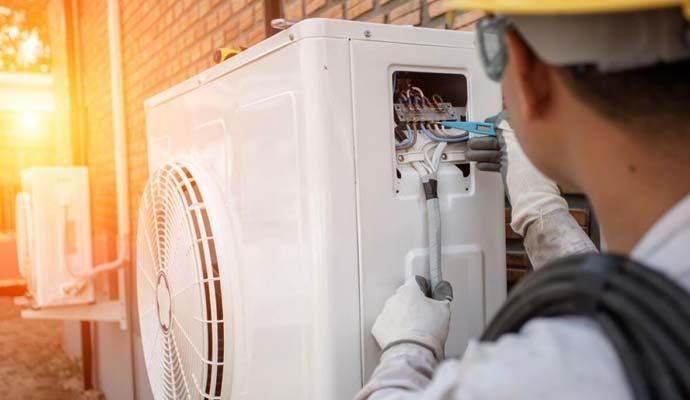
Condos may add another layer because building approvals can affect installation. Homeowners should determine whether exterior equipment, wall penetrations, balcony installations, or electrical changes require permission. Professional installation also includes refrigerant line preparation, electrical connections, pressure testing, vacuuming, drainage checks, startup, and commissioning. Ductless cooling for Toronto homes performs best when these technical steps receive the same attention as equipment selection.
Indoor Unit Placement
Indoor units should be positioned where conditioned air can travel through the intended zone without being immediately blocked. In bedrooms, avoid directing the primary air stream at the bed. In living spaces, the unit should distribute air broadly rather than blowing directly at one chair or sofa. Correct placement is an essential part of effective ductless cooling for Toronto homes.
Outdoor Unit And Drainage Planning
Outdoor units need sufficient clearance for airflow and future service. Drainage from indoor units must also be handled correctly because air conditioning produces condensate. Gravity drainage is preferable when practical, while some layouts may require a pump. Planning these details early can help prevent leaks, noise issues, or awkward routing later.
Indoor Air Quality And Maintenance
Cooling equipment alone does not provide fresh outdoor air. Health Canada notes that ventilation can help remove indoor pollutants and bring fresh air into the home. Homeowners using ductless cooling for Toronto homes should therefore maintain sensible ventilation practices alongside their cooling system.
Maintenance also matters for comfort and efficiency. Washable filters should be checked regularly during heavy summer use, indoor airflow should remain unobstructed, and outdoor units should stay clear of leaves and debris. If cooling becomes weak, water appears indoors, unusual noises develop, or ice forms on the equipment, professional service is appropriate. Good maintenance helps ductless cooling for Toronto homes remain reliable during the hottest weeks of summer.
Filter And Airflow Care
Dirty filters restrict air movement and force equipment to work harder. Homeowners should follow the manufacturer’s cleaning instructions and inspect filters regularly. Keeping furniture, curtains, and decorative items away from the indoor unit also protects airflow and allows ductless cooling for Toronto homes to distribute comfort properly.
Professional Service
Some maintenance tasks require a technician, including deeper coil cleaning, drainage service, electrical diagnosis, and refrigerant performance checks. Routine homeowner care combined with professional attention when needed can help protect system reliability and identify small problems before they become larger failures.
Why Choose Go Ductless Inc.
Go Ductless Inc. understands that condos, older homes, additions, and renovated properties each require different cooling strategies. We approach ductless cooling for Toronto homes by first understanding the layout, existing heating and cooling equipment, room use, sun exposure, electrical conditions, and comfort problems. From there, we can recommend a zone plan and equipment configuration designed around the way the property actually functions.
Our service options also make internal planning straightforward. A Mini Split can provide targeted comfort in one room, while Ductless Air Conditioning can address multiple summer hot spots. A Ductless Heat Pump can provide both cooling and heating when year-round comfort is the goal. Homeowners comparing premium equipment can also explore Mitsubishi Electric M-Series and Daikin Ductless options. Go Ductless Inc. focuses on sizing, placement, installation quality, and practical comfort so ductless cooling for Toronto homes delivers useful results long after installation day.
Find The Right Ductless Cooling Solution For Your Toronto Home With Go Ductless Inc.
Condos and older houses often need a different approach to cooling than newer homes with modern duct systems. Ductless cooling for Toronto homes can provide a flexible solution by delivering conditioned air directly to bedrooms, living areas, basements, offices, additions, and other spaces that need independent comfort. Single-zone Mini Split systems work well for targeted rooms, while multi-zone designs can serve multiple parts of a property without requiring traditional ductwork.
If you are considering ductless cooling for Toronto homes, contact Go Ductless Inc. for a professional assessment of your property. We can help determine the right zones, indoor unit locations, equipment capacity, and system type for your goals. Whether your home needs a Mini Split, Ductless Air Conditioning, Ductless Heat Pump, Mitsubishi Electric M-Series, or Daikin Ductless solution, thoughtful planning can make your Toronto condo or older home cooler, quieter, and easier to control.
Frequently Asked Questions
- Is ductless cooling for Toronto homes suitable for older houses?
Yes. Ductless cooling for Toronto homes can be especially practical in older properties without existing ductwork or with rooms that central systems struggle to reach. - Can ductless cooling for Toronto homes work in condos?
Yes, but condo rules may affect outdoor unit placement, wall penetrations, drainage, and other installation details, so approvals should be checked first. - How many zones are needed for ductless cooling for Toronto homes?
The number depends on the layout, closed doors, room use, sun exposure, and comfort goals. Some properties need one zone, while others benefit from several. - Does ductless cooling for Toronto homes provide heating too?
It can. A ductless heat pump can provide cooling and heating when the system is selected and sized for both seasonal needs. - Is ductless cooling for Toronto homes better than window AC units?
It can provide quieter operation, permanent installation, independent zoning, and better room comfort than relying on multiple window units. - Which brands work well for ductless cooling for Toronto homes?
Options include Mitsubishi Electric M-Series and Daikin Ductless, but exact model selection should be based on capacity, layout, efficiency, and installation requirements. - When should I contact Go Ductless Inc. about ductless cooling for Toronto homes?
Contact Go Ductless Inc. when you have hot rooms, no ductwork, a condo cooling issue, or an older property that needs a professionally designed ductless solution.