The cost to install an AC is an important consideration when upgrading your home’s cooling system. However, the lowest installation price does not always provide the best long-term value.
Homeowners often compare traditional central AC with ductless mini split systems. Both can provide reliable cooling, but they work differently and have different installation requirements.
Traditional AC generally uses ductwork to distribute conditioned air throughout the home. A ductless mini split sends conditioned air directly into individual rooms or zones. This difference can have a major effect on installation work, comfort, energy use, and future maintenance.
For Toronto and GTA homeowners, the right choice depends on the home’s layout, existing ductwork, comfort goals, and plans for the property.
Mini Split vs Traditional AC: What Is the Difference?
What Is a Ductless Mini Split?
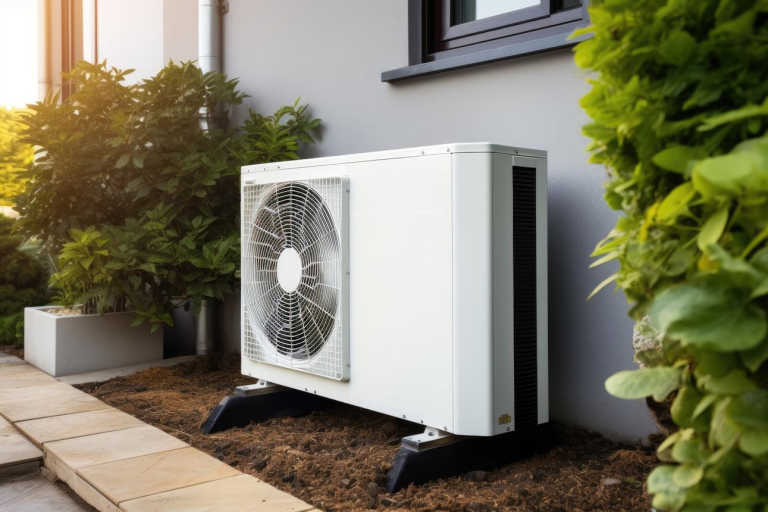
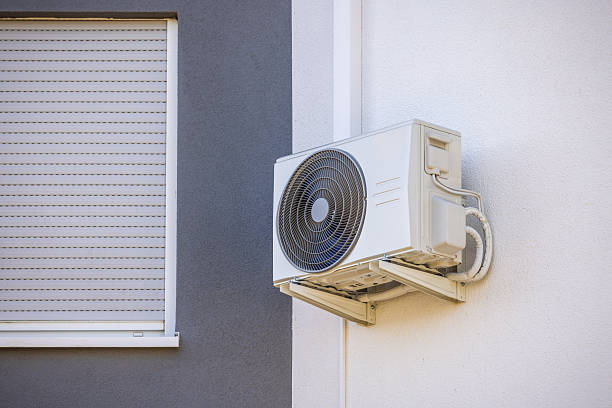
A ductless mini split has an outdoor unit connected to one or more indoor units. Refrigerant lines and electrical connections connect the indoor and outdoor components.
The system does not require a traditional duct network. This makes ductless mini split units useful for older homes, additions, basements, condos, and rooms that are difficult to cool with existing HVAC equipment.
A single-zone system can condition one space. A multi-zone system can connect several indoor units to one outdoor unit, allowing more targeted temperature control.
GO DUCTLESS INC. describes its mini split systems as suitable for basements, additions, and rooms with temperature problems.

What Is Traditional Central AC?
Traditional central AC uses an outdoor condenser and an indoor cooling coil. Conditioned air travels through ductwork and enters rooms through vents.
This setup can work well when a home already has suitable ductwork. It can also provide centralized cooling with one thermostat and a familiar HVAC layout.
However, homes without suitable ductwork may require additional construction before a central AC system can be installed.
What Determines the Cost to Install an AC?
The cost to install an AC depends on more than the equipment itself.
Several factors can affect the total project scope:
- System type.
- Equipment capacity.
- Number of zones.
- Existing ductwork.
- Electrical requirements.
- Indoor and outdoor unit placement.
- Refrigerant line routing.
- Wall access.
- Installation complexity.
- Required modifications.
- Existing HVAC condition.
For this reason, homeowners should be careful when comparing a simple equipment price with a complete installation estimate.
A professional assessment should consider the home, the existing HVAC system, and the installation requirements before recommending equipment.
What Affects Mini Split Installation Cost?

Equipment and System Type
The type of ductless system affects the installation scope.
Homeowners may choose a single-zone mini split for one room or a multi-zone configuration for several areas. A mini split heat pump can also provide both heating and cooling.
The right choice depends on the home’s layout and the rooms that need conditioning.
Number of Indoor Units
Additional indoor units can increase installation requirements.
However, multiple indoor units can also provide useful zoning. Homeowners can control different rooms without conditioning the entire house in the same way.
This can be helpful when bedrooms, home offices, basements, and living areas have different comfort needs.
Electrical Requirements
Every installation must meet the electrical needs of the selected equipment.
The electrical work can vary based on the system and the home’s existing setup. A professional should assess these requirements before installation begins.
Refrigerant Line Routing
The indoor and outdoor components need to be connected correctly.
The installation team must plan the route for refrigerant lines, electrical connections, drainage, and other components. Wall penetrations and line concealment can also affect the installation process.
A clean installation should protect the appearance and function of the home.
Existing Home Conditions
Older homes often have unique installation challenges.
Examples include:
- Limited mechanical space.
- Finished walls.
- Additions.
- Renovated rooms.
- Older electrical infrastructure.
- Rooms without ductwork.
This is one reason why the same type of system can have different installation requirements from one home to another.
What Affects Traditional AC Installation Cost?
Existing Ductwork
If your home already has suitable ductwork, central AC installation may be straightforward.
However, ducts should still be assessed for airflow, condition, insulation, and accessibility.
Poor ductwork can reduce comfort and affect system performance.
New Ductwork
Installing new ductwork can make a central AC project more complex.
The installation may require access to:
- Attics.
- Basements.
- Ceilings.
- Walls.
- Mechanical rooms.
New ductwork can also affect finished areas of the home.
Therefore, homeowners without existing ducts should compare the complete project requirements before choosing central AC.
Indoor and Outdoor Equipment
Traditional central AC typically requires an outdoor condenser and an indoor coil or air handler.
The equipment must be compatible with the home’s existing HVAC setup. Proper sizing and installation are also important for reliable cooling.
Mini Split vs Traditional AC: Which Has the Lower Installation Cost?
A simple ductless installation may require less construction than adding a complete duct network. However, a multi-zone mini split system can involve multiple indoor units and more installation planning.
Likewise, central AC may be practical when a home already has suitable ductwork. If new ducts are required, the installation scope can become much larger.
The better approach is to compare the full installation.
Consider:
- Equipment.
- Labour.
- Electrical work.
- Ductwork.
- Line-set installation.
- Indoor unit placement.
- Controls.
- Testing.
- Future maintenance.
GO DUCTLESS INC. states that its estimates are based on the space, system needs, and installation scope.
Is a Mini Split More Efficient Than Traditional AC?
Efficiency depends on the equipment and installation.
Ductless systems can offer an advantage because they deliver conditioned air directly into the room. They do not rely on a traditional duct network for distribution.
This can be useful in homes where extending ductwork would be difficult or where existing ducts have limitations.
Traditional AC can also be highly efficient when the system is properly selected, sized, installed, and maintained.
Therefore, homeowners should compare complete system performance rather than assuming one technology is always more efficient.
How Ductwork Can Affect Long-Term Value
Ductwork plays an important role in central HVAC performance.
Ducts may run through areas that are not fully conditioned. Poor insulation, leaks, restricted airflow, and long duct runs can affect how efficiently cooled air reaches living spaces.
A ductless system avoids many of these duct-related considerations.
This does not mean ductless systems are automatically better for every home. Instead, it means homeowners should include the condition of their existing ductwork when comparing options.
Mini Split vs Traditional AC for Room-by-Room Comfort
One major difference is control.
Mini Split Zoning
Ductless mini split units can provide individual control in different rooms.
This can be useful when:
- Bedrooms need different temperatures.
- A home office is occupied during the day.
- A basement remains cooler than the rest of the house.
- An addition has different cooling needs.
- Certain rooms are used less often.
This approach can provide more targeted comfort.
Central AC Distribution
Central AC provides cooling through the duct system.
This is useful for homeowners who prefer centralized control and consistent distribution throughout the home.
If the existing ductwork is well designed and in good condition, central AC can remain a practical solution.
Ductless AC Mini Split Toronto: Is It a Good Option?
For many Toronto homes, ductless AC can be useful when traditional ductwork is limited or unavailable.
Older homes may not have the duct infrastructure needed for central air. Renovated spaces and additions may also require a separate cooling solution.
A ductless AC mini split Toronto installation can provide cooling without requiring a complete duct network.
GO DUCTLESS INC. specifically serves Toronto and the GTA with ductless heating and cooling options for single rooms, multiple zones, basements, additions, and other spaces.
Mini Split Heat Pump vs Cooling-Only AC
A mini split heat pump can provide both heating and cooling.
That can make it attractive for homeowners who want year-round comfort from one system.
Benefits of a Mini Split Heat Pump
- Heating and cooling in one system.
- Room-by-room temperature control.
- No traditional ductwork required.
- Flexible installation.
- Suitable for additions and basements.
- Useful for homes with uneven temperatures.
GO DUCTLESS INC. offers ductless heat pump systems designed for heating and cooling with room-by-room control.
A cooling-only mini split may make sense when heating is already handled effectively by another HVAC system.
Mitsubishi Air Conditioning Toronto Options
Mitsubishi systems are another option for homeowners comparing ductless equipment.
GO DUCTLESS INC. provides Mitsubishi air conditioning solutions and Mitsubishi ductless heat pump systems for homeowners seeking quiet operation, room-by-room control, and year-round comfort.
A Mitsubishi ductless heat pump can provide heating and cooling through one system. The correct configuration depends on the home’s layout and comfort requirements.
When comparing equipment, homeowners should look beyond the brand name. Proper sizing, placement, installation, controls, and maintenance all affect system performance.
Ductless Mini Split Renovation Cost and Home Projects
Renovations can change the HVAC decision.
If you are renovating a basement, adding a room, or updating an older home, extending existing ductwork may not always be practical.
A ductless system can provide a flexible alternative.
The ductless mini split renovation cost depends on factors such as:
- Number of rooms.
- Indoor unit locations.
- Outdoor unit placement.
- Electrical requirements.
- Wall access.
- Line-set routing.
- Existing HVAC equipment.
- System capacity.
For renovation projects, planning the HVAC system before construction is often useful. It gives the installer a chance to consider equipment placement and line routing before walls and finishes are completed.
Mini Split vs Traditional AC Maintenance
Both systems need proper care.
Mini Split Maintenance
Maintenance can include:
- Cleaning indoor filters.
- Checking indoor units.
- Inspecting drainage.
- Cleaning coils when needed.
- Checking outdoor components.
- Reviewing system performance.
Traditional AC Maintenance
Central AC maintenance may include:
- Filter replacement.
- Coil inspection.
- Condenser inspection.
- Drainage checks.
- Ductwork inspection.
- Refrigerant and electrical checks.
Regular maintenance can help identify problems early and support reliable operation.
Which System Offers Better Long-Term Value?
Long-term value depends on the home.
A Mini Split May Offer Better Value If:
- Your home has limited ductwork.
- You want room-by-room control.
- You are renovating an addition or basement.
- You want targeted cooling.
- You want heating and cooling in one system.
- You want to avoid major duct installation.
Traditional AC May Offer Better Value If:
- Your home already has suitable ductwork.
- You want whole-home centralized cooling.
- Your existing HVAC system is compatible.
- You prefer hidden indoor equipment.
- Your duct system is in good condition.
The best system is not necessarily the one with the lowest initial price. It is the system that fits the home’s needs while providing reliable comfort and manageable long-term operating requirements.
Why Professional Installation Matters
The installation quality can affect the performance of any HVAC system.
A professional air conditioner contractor should assess the home before recommending equipment.
Important considerations include:
- System sizing.
- Room layout.
- Indoor unit placement.
- Outdoor unit location.
- Electrical requirements.
- Refrigerant line routing.
- Drainage.
- Airflow.
- Existing HVAC equipment.
GO DUCTLESS INC. describes its process as starting with an estimate based on the home and installation requirements, followed by scheduling and professional installation. The company also emphasizes clean installation and proper testing.
How to Compare AC Installation Quotes
Do not compare quotes based only on the equipment price.
Instead, check whether each proposal clearly explains:
- Equipment included.
- Number of indoor units.
- Installation labour.
- Electrical work.
- Refrigerant line work.
- Ductwork modifications.
- Controls.
- Testing.
- Warranty information.
- Maintenance recommendations.
A clear estimate makes it easier to understand what you are actually paying for.
Final Thoughts
When comparing the cost to install an AC, look beyond the initial installation price.
A traditional central AC system can be a strong option for homes with suitable ductwork and a preference for centralized cooling. However, adding new ductwork can increase project complexity.
A ductless mini split can provide another path, especially for older Toronto homes, additions, basements, condos, and rooms that need targeted comfort. Multi-zone ductless systems can also provide room-by-room control.
A mini split heat pump offers another advantage by combining heating and cooling in one system. Mitsubishi ductless heat pump options can also provide year-round comfort when correctly designed for the home.
Ultimately, the best long-term value comes from choosing the right system for the property. Compare the full installation scope, expected operation, maintenance needs, comfort features, and future plans.
For Toronto and GTA homeowners considering ductless air conditioning, mini split systems, or Mitsubishi solutions, GO DUCTLESS INC. provides ductless HVAC installation with a focus on clean workmanship, clear communication, and long-term comfort.
FAQs
1. Is a mini split cheaper than traditional AC?
It depends on the home and installation requirements. A mini split can reduce construction needs when ductwork is unavailable. Central AC may be practical when suitable ductwork already exists.
2. Is a mini split worth the installation cost?
A mini split can provide strong value when homeowners need flexible zoning, have limited ductwork, or want targeted heating and cooling.
3. Are ductless mini split units good for older homes?
Yes. Ductless systems can be useful in older homes where adding traditional ductwork would be difficult or disruptive.
4. Can a mini split cool an entire home?
A properly designed multi-zone system can provide cooling across multiple rooms. The system should be sized and configured for the home’s actual requirements.
5. Is a mini split heat pump better than a cooling-only AC?
A heat pump provides both heating and cooling. This can make it a useful year-round option. The best choice depends on your existing heating system and home requirements.
6. Are Mitsubishi ductless heat pump systems good for Toronto homes?
Mitsubishi ductless systems can be suitable for Toronto homes when properly selected and installed. GO DUCTLESS INC. offers Mitsubishi ductless heat pump solutions for room-by-room and year-round comfort.
7. Should I choose central AC if my home already has ducts?
If your existing ductwork is suitable and you want centralized cooling, traditional AC may be a practical choice. A professional assessment can confirm whether the existing system is ready for an upgrade.
8. What should I ask an AC contractor before installation?
Ask about system sizing, equipment efficiency, installation scope, electrical requirements, indoor and outdoor placement, warranty coverage, maintenance, and any required modifications.