Old Toronto homes have a personality you cannot fake. Solid brick, beautiful trim, original staircases, and those classic hot water radiators that keep rooms cozy all winter. The challenge shows up the moment summer arrives. Many of these homes were built long before central air, and adding ducts later can feel like trying to thread a rope through a maze of plaster walls, tight joist bays, and finished spaces. That is why cooling old Toronto homes takes a different strategy than cooling newer builds.
At Go Ductless Inc., we help homeowners find the most practical, low-disruption solutions for cooling old Toronto homes with hot water radiators. This guide explains why radiators change the cooling plan, what options actually make sense, how to avoid common mistakes, and how to choose a setup that keeps your house comfortable without sacrificing character.
Why Hot Water Radiators Change The Cooling Plan
Hot water radiators do not provide ducts, and that single detail affects almost every cooling choice. With forced air heating, ductwork already exists to distribute cooled air. With hydronic heating, there is no built-in airflow pathway, which means cooling old Toronto homes requires either creating new distribution routes or choosing a system that does not rely on ducts at all.
Old Toronto construction also introduces extra complexity. Walls may be plaster and lath, floor cavities can be irregular, and older additions can create temperature differences from one room to another. Radiator-heated homes often have limited return-air pathways, which matters because a cooling system needs good air circulation to feel even and comfortable.
Common Comfort Problems In Older Toronto Houses
Many homeowners start looking into cooling old Toronto homes because of the same repeated pain points. Upstairs bedrooms get hot at night, front rooms heat up from sun exposure, and finished basements can feel humid. You may also notice that one room stays comfortable while another room feels stuffy, even with fans running.
The Reality Of Adding Ductwork Later
Adding full ductwork can be done, but it is often expensive and intrusive in older homes. It may require bulkheads, soffits, and opening walls and ceilings. For many families, that disruption is not worth it, which is why ductless solutions have become the go-to answer for cooling old Toronto homes with radiators.
The Best Cooling Options For Old Toronto Homes With Radiators
There is no single best system for every house, but there is a best path for your layout, budget, and comfort goals. In most radiator homes, the most efficient and least disruptive approach to cooling old Toronto homes is usually ductless air conditioning or ductless heat pump systems. These provide targeted cooling without requiring full duct installation.
That said, there are other options that can work depending on the home and renovation plans. High velocity mini duct systems, partial ducting, and carefully planned central air can all be viable in the right conditions. The key is matching the option to the reality of your house, not forcing the house to fit the equipment.
Ductless Mini Splits As A Low Disruption Solution
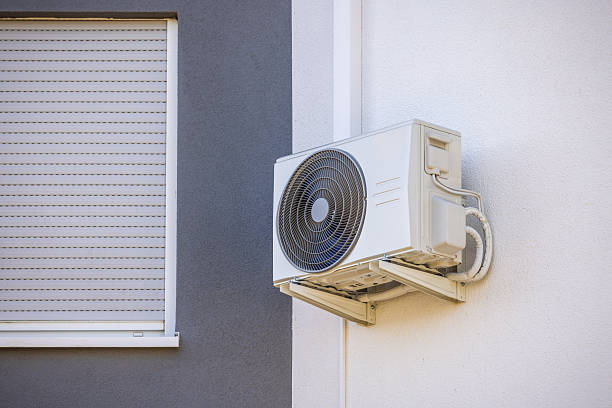
Ductless mini splits are popular for cooling old Toronto homes because they do not require ducts. Indoor units condition rooms directly, and an outdoor unit supports one or multiple zones. This approach works especially well when your biggest problem is upstairs bedrooms or a few key rooms that overheat.
Single Zone Vs Multi Zone Ductless Plans
Single zone systems are great when you want to fix one problem area fast, like an upstairs bedroom or a third-floor loft. Multi zone systems can cool multiple rooms with one outdoor unit, which helps preserve exterior space and can simplify the overall look. Choosing between the two for cooling old Toronto homes depends on how many rooms need direct conditioning and how you want to control temperatures room by room.
Ductless Heat Pumps For Cooling Plus Shoulder Season Comfort
Heat pumps cool like air conditioners in summer, but they also offer heating support in spring and fall. In a radiator home, this can be useful if you want faster warm-ups in the morning or a little extra comfort in rooms that feel chilly before radiator season fully kicks in. For cooling old Toronto homes, a heat pump can be a practical two-in-one option, even if radiators remain your primary winter heat.
When A Heat Pump Makes Sense With Radiators
If you have a home office, basement gym, or a sunroom that needs cooling in summer and quick warmth in shoulder seasons, a ductless heat pump can be ideal. It gives you control without changing the radiator system. This is one of the most flexible strategies for cooling old Toronto homes without major renovations.
High Velocity Mini Duct Systems For Whole Home Cooling
High velocity systems use small flexible ducts that can be routed through tighter spaces than standard ductwork. This can be a strong option when you want a more central-air feel but cannot fit traditional ducts. For cooling old Toronto homes, high velocity can sometimes balance aesthetics and coverage, especially during larger renovations.
Tradeoffs To Understand With High Velocity
High velocity systems can be louder than ductless if not designed carefully, and they still require opening walls and ceilings to route small ducts. They can work well, but they are not automatically the easiest answer. A proper assessment is essential to decide if it is truly the best approach for cooling old Toronto homes in your case.
How To Choose The Right System For Your House Layout
The right cooling plan depends on how heat moves through your house. Old Toronto homes often have stacked floors, narrow stairwells, and rooms separated by doors, which can trap heat upstairs. If you want the best result when cooling old Toronto homes, you should start by identifying the hottest rooms, the times of day they overheat, and how your family actually uses each space.
Think about your control preferences too. Some homeowners want the same temperature everywhere, while others want bedrooms cooler at night and living rooms cooler during the day. Ductless zoning is often the most practical way to achieve that in a radiator home.
Upstairs Bedrooms And Night Comfort
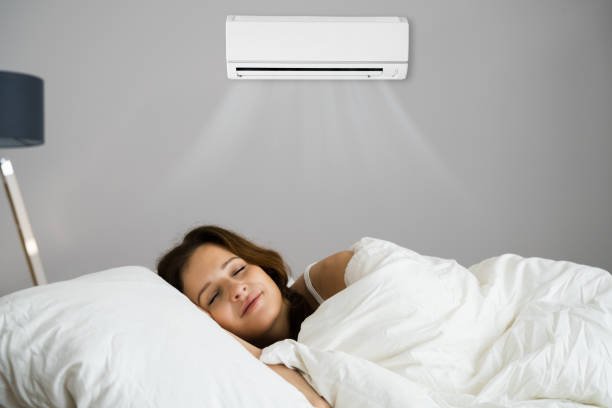
If your priority is sleeping comfort, focus on the second and third floors first. Cooling old Toronto homes often starts upstairs because that is where heat collects and where comfort matters most. A targeted ductless plan can solve the biggest problem without turning the rest of the project into a renovation.
Main Floor Sun Exposure And Hot Rooms
Front rooms with big windows and west-facing living areas can overheat even if the rest of the house feels okay. In these cases, you may need a dedicated zone or an indoor unit placed to manage sun-driven heat gain. The right design for cooling old Toronto homes is rarely about “one unit for the whole floor” and more about thoughtful coverage.
Basements And Humidity Control
Basements often feel damp in summer, and humidity can make them uncomfortable even when temperatures are not extreme. A properly sized system can reduce humidity while maintaining comfort. When cooling old Toronto homes, the goal is not just lowering the thermostat, it is improving how the air feels.
Installation Planning For Old Toronto Homes
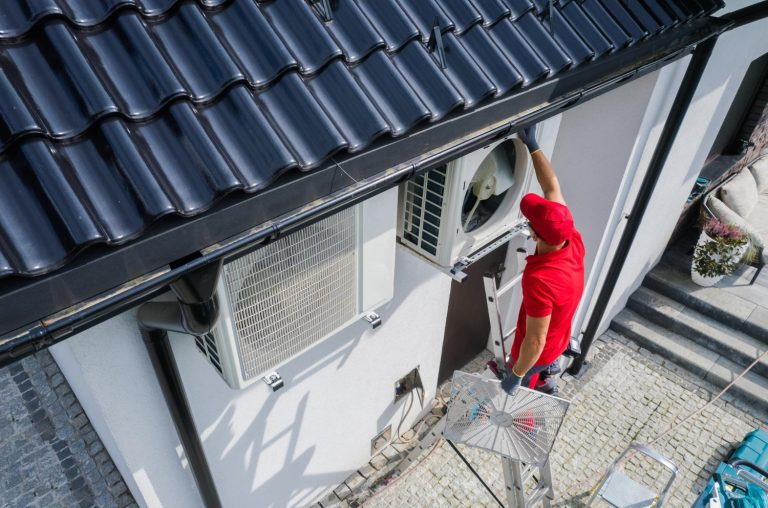
Installation planning is where many cooling projects succeed or fail. Old Toronto houses are full of surprises, and a good contractor plans for those realities. Clean routing, smart placement, and careful finishing help protect your home’s look while delivering the comfort you want. For cooling old Toronto homes, good installation also means preventing vibration and keeping outdoor units away from bedroom windows when possible.
At Go Ductless Inc., we approach these homes with respect for original features. We plan line routes that minimize visibility, choose indoor unit locations that suit airflow and room use, and confirm the right system sizing so equipment runs smoothly and efficiently.
Indoor Unit Placement That Respects Character
Placement should support airflow without ruining the room’s look. In many old Toronto homes, we can place indoor units in a way that feels clean and intentional. Correct placement also helps avoid drafts and improves comfort, which matters for cooling old Toronto homes room by room.
Outdoor Unit Placement In Tight Lots
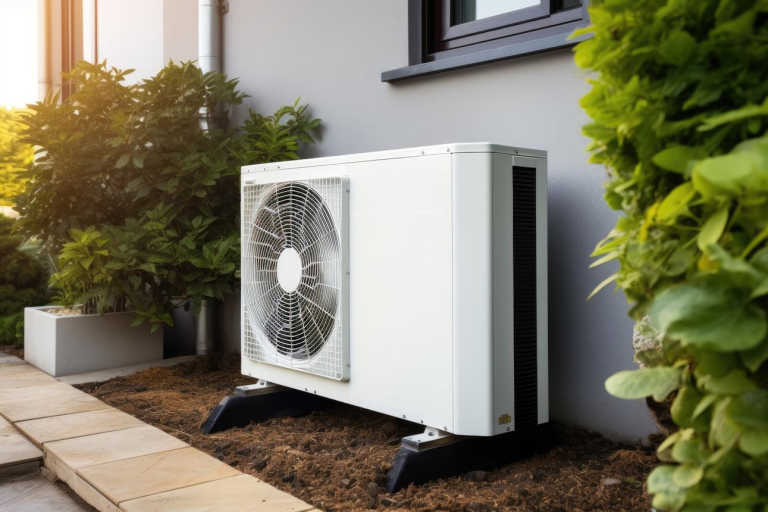
Semi-detached and row-house style lots can be tight. Outdoor placement should consider noise, vibration, and service access. A stable pad and smart positioning reduce sound issues and help equipment last longer. This is a key part of cooling old Toronto homes in dense neighbourhoods.
Electrical Considerations And Permits
Older homes may need electrical upgrades to support modern cooling equipment. A professional assessment helps you understand what is required before work begins. For homeowner education on energy efficiency and cooling equipment selection, Natural Resources Canada provides practical guidance about home air conditioning and efficiency considerations.
Costs And Value For Different Cooling Approaches
Cost depends on many factors: how many rooms you want to cool, whether you need multi zone equipment, how difficult line routing is, and whether electrical upgrades are needed. Instead of chasing the cheapest option, focus on value, performance, and the real comfort improvement you will feel day to day. The goal of cooling old Toronto homes is a system that fits the house and delivers consistent results.
Ductless options often provide strong value because they avoid major duct construction. High velocity systems can cost more due to routing work and finishing. Traditional ducted central air can become expensive if it requires extensive building changes.
What Drives Cost In Old Homes
Old homes may require extra labour for careful routing, plaster work, and protecting finishes. Electrical service and panel capacity can also influence cost. When cooling old Toronto homes, it helps to budget for the realities of older construction rather than expecting new-build pricing.
How To Think About Long Term Value
A system that is properly sized and installed tends to last longer, run quieter, and maintain comfort more consistently. Value also comes from zoning. Being able to cool only the rooms you use most can improve daily comfort and reduce wasted operation.
A Practical Checklist Before You Choose
Choosing a system can feel overwhelming, so it helps to simplify the decision. When cooling old Toronto homes, you want a plan that matches your layout and the specific rooms that need help. Use this checklist before moving forward.
- Identify the hottest rooms and when they overheat most
- Decide if you want whole-home cooling or targeted zones
- Confirm if electrical upgrades might be needed
- Consider outdoor placement and neighbour proximity
- Choose a system type that fits renovation tolerance
- Prioritize proper sizing over oversized equipment
- Ask how the system will manage humidity
- Confirm the plan for clean routing and tidy finishing
Natural Resources Canada also offers practical homeowner guidance on maintaining heating and cooling systems, which is useful for planning long term performance.
Why Choose Go Ductless Inc.
Go Ductless Inc. specializes in solutions that fit older Toronto houses, including radiator-heated homes that need modern cooling without heavy renovation. We understand the layout challenges of these properties, from tight lots to finished attics, and we plan systems that respect your home’s character while delivering real comfort. If you want a proven approach to cooling old Toronto homes, our process focuses on smart sizing, clean routing, and room-by-room comfort planning.
We keep the experience straightforward. You get clear recommendations, honest options, and a plan that aligns with your budget and comfort goals. Our team is careful with finishes, thoughtful with placement, and focused on performance, so you can enjoy cooling old Toronto homes without turning your project into a construction zone.
A Design First Approach
We evaluate your layout, sun exposure, insulation, and room use patterns before recommending equipment. This helps prevent common mistakes like undersizing, oversizing, or placing indoor units where they cannot deliver balanced comfort.
Clean Installation And Respect For Your Home
Old Toronto homes require careful workmanship. We plan line routing to minimize visibility, focus on clean mounting and stable outdoor placement, and commission the system properly so it runs smoothly from day one.
Support After Installation
We walk you through controls and settings, share practical maintenance guidance, and remain available if you need service or adjustments. Our goal is long term comfort, not just a quick install.
The Smartest Path To Comfortable Summers
The best way to cool a radiator-heated Toronto home is usually a plan that avoids full duct renovations and targets comfort where you need it most. For many homeowners, ductless mini splits or ductless heat pumps provide the best mix of quiet operation, zoning, and low disruption. When cooling old Toronto homes, the right design and installation matter just as much as the equipment you choose.
If you are ready to explore options, Go Ductless Inc. can assess your home, explain what makes sense, and recommend a clean solution that respects your space. Reach out today to get a clear estimate and a practical plan for cooling old Toronto homes with hot water radiators.
Frequently Asked Questions
- What is the simplest approach for cooling old Toronto homes with hot water radiators?
For many homeowners, ductless systems are the simplest because cooling old Toronto homes with radiators usually requires a solution that does not rely on existing ductwork. - Can I add central air when cooling old Toronto homes without major renovation?
Sometimes, but central air often requires ductwork. Many cooling old Toronto homes projects choose ductless or high velocity options to reduce disruption. - Is a heat pump a good choice for cooling old Toronto homes?
Yes, a ductless heat pump can be excellent for cooling old Toronto homes and can also provide shoulder-season heating support in key rooms. - How many indoor units do I need when cooling old Toronto homes?
It depends on the layout and which rooms overheat. The best cooling old Toronto homes plan targets the rooms that need direct conditioning most. - Are high velocity systems good for cooling old Toronto homes?
They can be, especially if you want a more central-air feel. Cooling old Toronto homes with high velocity still requires routing and finishing work, so planning matters. - Will ductless systems ruin the look of my old Toronto home?
Not if they are planned well. Cooling old Toronto homes with ductless can be done with careful placement and clean routing to protect the home’s character. - How do I keep systems performing well after cooling old Toronto homes upgrades?
Filter care, outdoor clearance, and periodic checkups help. Proper maintenance keeps cooling old Toronto homes systems efficient, quiet, and reliable.