Understanding central air conditioner electricity consumption helps homeowners manage cooling costs while maintaining indoor comfort. Monthly electricity use depends on factors such as system size, efficiency, climate, and daily usage.
Whether you are buying an air conditioner or comparing it with ductless air conditioning, knowing what affects energy use can help you choose the right cooling solution. This guide explains the key factors that influence electricity consumption and offers simple ways to improve efficiency.
How Does a Central Air Conditioner Consume Electricity?
A central air conditioner does not use electricity continuously throughout the day. Instead, it cycles on and off as needed to maintain the temperature set on your thermostat. Every cooling cycle requires several components to work together, each consuming a portion of the system’s electricity.
Main Components That Use Power
Several parts contribute to overall air conditioning unit electricity consumption.
- Compressor: Compresses refrigerant and uses the most electricity during cooling.
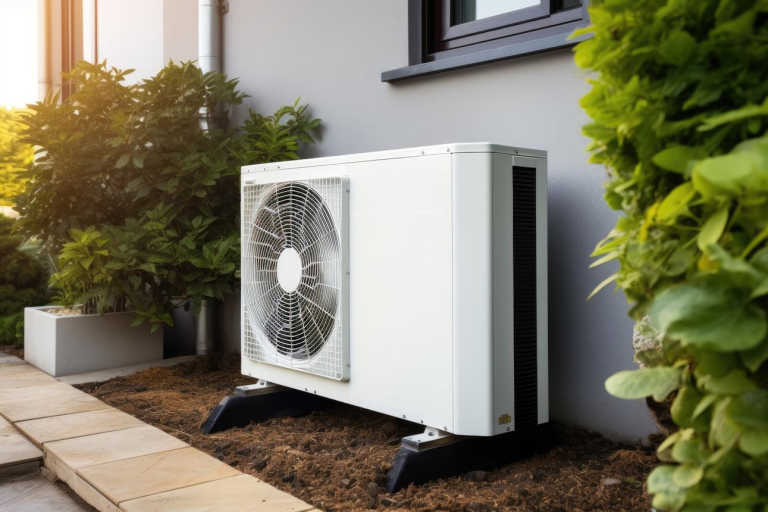
- Condenser Fan: Releases heat from the outdoor unit for efficient operation.
- Indoor Blower Fan: Circulates cooled air through the ductwork.
- Thermostat: Controls when the system starts and stops.
What Happens During a Cooling Cycle?
Understanding the cooling cycle makes it easier to understand monthly electricity consumption.
- Thermostat detects rising indoor temperature.
- Compressor circulates refrigerant.
- Blower distributes cool air.
- System stops after reaching the set temperature.
How Much Electricity Does a Central Air Conditioner Use Per Month?
Monthly central air conditioner electricity consumption varies based on system size, efficiency, runtime, climate, insulation, and maintenance. Efficient systems in well-insulated homes generally use less electricity.
Other important factors include:
- Cooling season
- Daily runtime
- Thermostat settings
- Home insulation
- Climate
- Maintenance
Homes located in warmer regions often experience longer cooling cycles, resulting in higher monthly electricity use. In contrast, homes in milder climates usually require shorter operating periods.
Electricity Usage by AC Size
The cooling capacity of a central air conditioner is measured in AC ton. Choosing the correct size is one of the most important factors affecting electricity consumption.
Common residential systems include:
- 1.5-ton
- 2-ton
- 2.5-ton
- 3-ton
- 4-ton
- 5-ton
Many homeowners assume that installing a larger unit automatically improves cooling performance. In reality, an oversized system can cool the house too quickly without removing enough humidity. This frequent cycling may reduce efficiency and increase energy consumption.
On the other hand, an undersized unit may run for extended periods because it struggles to reach the desired temperature. Longer operating times also increase electricity use.
Professional load calculations are essential before buying an air conditioner to ensure the correct system size for your home.

Estimating Monthly Electricity Consumption
Although every home is unique, estimating monthly electricity use is relatively straightforward.
You need to know:
- Your air conditioner’s power rating
- Estimated daily operating hours
- The number of cooling days during the month
- Your local electricity rate
Combining these factors provides a reasonable estimate of monthly electricity consumption.
Homeowners looking for improved efficiency may also compare central systems with ductless air conditioning. Since ductless systems cool individual zones instead of the entire home, they often reduce unnecessary energy use in homes where only certain rooms require cooling.
At GO DUCTLESS INC., homeowners frequently explore both central and ductless options to determine which solution best suits their property’s layout and cooling requirements.
What Factors Affect Monthly Electricity Consumption?
Many homeowners focus only on the age of their cooling system. While equipment age is important, several other factors have an equally significant impact on central air conditioner electricity consumption.
Size of the Air Conditioner
Proper sizing affects comfort, efficiency, and monthly electricity use.
A correctly sized system:
- Maintains consistent indoor temperatures
- Operates efficiently
- Removes indoor humidity effectively
- Experiences less wear over time
Choosing the right capacity is especially important when replacing an existing system or buying an air conditioner, as household needs may have changed since the original installation.
Energy Efficiency Ratings Matter
One of the biggest influences on central air conditioner electricity consumption is the system’s energy efficiency rating. Even two units with the same cooling capacity can consume different amounts of electricity if their efficiency levels differ.
Modern systems are designed to deliver more cooling while using less energy. As technology improves, homeowners can enjoy greater comfort without increasing monthly electricity usage.
Understanding SEER and SEER2
The Seasonal Energy Efficiency Ratio (SEER) measures how efficiently an air conditioner cools over an entire cooling season. Newer systems may also display a SEER2 rating, which reflects updated testing methods under more realistic operating conditions.
A higher efficiency rating generally means:
- Lower electricity consumption
- Better cooling performance
- Reduced strain on system components
- Improved long term operating efficiency
Although high efficiency equipment may have a higher initial investment, the reduction in energy use often makes it a worthwhile choice over the system’s lifespan.
Climate Plays a Major Role
Outdoor weather conditions significantly affect air conditioning unit electricity consumption.
Homes located in regions with long, hot summers require cooling for extended periods. As a result, the compressor operates more frequently, increasing electricity use.
Climate related factors include:
- High outdoor temperatures
- Humid weather
- Direct afternoon sunlight
- Length of the cooling season
Even during moderate weather, heat entering through windows and roofs can increase cooling demand.
Home Insulation and Air Leaks
A well insulated home helps your air conditioner maintain comfortable indoor temperatures with less effort.
When cool air escapes through gaps around windows, doors, or attic spaces, the system must run longer to replace the lost cooling.
Improving insulation can reduce energy use by:
- Keeping cooled air indoors
- Reducing heat transfer
- Lowering compressor runtime
- Improving indoor comfort
Simple improvements such as sealing cracks and upgrading attic insulation can make a noticeable difference in monthly electricity consumption.
Windows and Sun Exposure
Windows are another major source of unwanted heat.
Homes with large sun facing windows often experience greater indoor heat gain, especially during the afternoon. This forces the cooling system to work harder.
You can reduce this extra load by:
- Closing blinds during peak sunlight
- Installing energy efficient windows
- Using insulated curtains
- Applying reflective window films
- Planting shade trees around the property
These simple improvements help maintain comfortable indoor temperatures while reducing electricity usage.
Routine Maintenance Improves Efficiency
Regular maintenance is one of the easiest ways to reduce central air conditioner electricity consumption.
Over time, dust and debris restrict airflow and reduce cooling performance. When this happens, the system runs longer and consumes more electricity.
A professional maintenance visit typically includes:
- Cleaning indoor and outdoor coils
- Inspecting refrigerant levels
- Checking electrical connections
- Testing airflow
- Examining the thermostat
- Inspecting the condensate drain
Homeowners should also replace or clean air filters according to the manufacturer’s recommendations.
A clean filter allows air to circulate freely, helping the system cool more efficiently.
How to Estimate Your Monthly AC Electricity Cost
Understanding your monthly electricity cost does not require advanced technical knowledge.
Following a few simple steps can provide a useful estimate.
Step One: Identify Your System’s Power Rating
Locate the information label on the outdoor condenser or owner’s manual.
This label provides important details about the unit’s electrical requirements.
Step Two: Estimate Daily Runtime
Every household uses its air conditioner differently.
Daily runtime depends on:
- Outdoor temperatures
- Indoor thermostat settings
- Occupancy
- Home insulation
- Humidity levels
Some homes require cooling only during the afternoon, while others may operate the system throughout most of the day.
Step Three: Check Your Electricity Rate
Your utility bill lists the cost of electricity per kilowatt hour.
Combining this information with your estimated operating hours allows you to calculate approximate monthly cooling costs.
Practical Ways to Reduce Electricity Consumption
Fortunately, lowering central air conditioner electricity consumption does not always require replacing your existing equipment. Small improvements often produce noticeable savings.
Adjust the Thermostat Carefully
Avoid setting the thermostat much lower than necessary.
Instead:
- Choose a comfortable temperature.
- Raise the setting when no one is home.
- Use programmable schedules.
- Consider installing a smart thermostat.
Small adjustments throughout the day can reduce unnecessary compressor operation.
Replace Air Filters Regularly
Dirty filters restrict airflow. Restricted airflow forces the blower motor and compressor to work harder.
Replacing filters regularly helps:
- Improve airflow
- Increase efficiency
- Enhance indoor air quality
- Extend equipment life
Keep Outdoor Units Clear
The outdoor condenser needs unrestricted airflow.
Remove:
- Leaves
- Grass clippings
- Branches
- Dirt buildup
Also avoid placing storage items close to the outdoor unit.
Adequate airflow allows heat to escape more efficiently.
Use Ceiling Fans
Ceiling fans improve air circulation without replacing your air conditioner.
Moving air creates a cooling effect that may allow you to raise the thermostat slightly while maintaining comfort.
Schedule Annual Professional Service
Preventive maintenance keeps the system operating efficiently throughout the cooling season.
Annual inspections can identify:
- Refrigerant issues
- Worn components
- Electrical concerns
- Airflow restrictions
Addressing these problems early helps prevent unnecessary energy consumption.
Should You Consider Ductless Air Conditioning?
Many homeowners comparing cooling options also research ductless air conditioning. Unlike traditional central systems, ductless units cool individual rooms or zones.
This offers several benefits:
- Reduced energy waste
- Room by room temperature control
- No ductwork required
- Quiet operation
- Flexible installation
Homes with additions, renovated basements, home offices, or converted garages often benefit from zoned cooling rather than conditioning the entire house.
If you are exploring alternatives, the experts at GO DUCTLESS INC. can help explain the differences between central systems and ductless solutions based on your home’s layout.
Choosing the Right Cooling System
If you are buying an air conditioner, electricity consumption should be one of several factors you evaluate.
Also consider:
- Home size
- Cooling requirements
- System efficiency
- Warranty coverage
- Installation quality
- Maintenance needs
Some homeowners looking for premium performance also research mitsubishi air conditioning toronto solutions because these systems are known for advanced inverter technology and energy efficient operation.
Similarly, homeowners searching for mini air conditioner toronto often compare compact ductless systems with traditional central air conditioners before making a final decision.
Selecting the right system involves balancing comfort, efficiency, and long term operating costs rather than focusing only on the equipment itself.
Common Myths About Air Conditioner Electricity Usage
Many misconceptions lead homeowners to use their cooling systems inefficiently.
Myth: Lower Thermostat Settings Cool Faster
A central air conditioner cools at a consistent rate.
Lowering the thermostat far below your desired temperature does not speed up cooling. It simply keeps the system running longer.
Myth: Bigger Systems Always Save More Energy
An oversized system cycles on and off frequently.
This reduces humidity control and may increase electricity consumption.
Myth: Maintenance Is Optional
Neglecting maintenance allows dirt and worn components to reduce efficiency.
Routine servicing helps the system perform as designed.
Myth: Closing Too Many Vents Saves Electricity
Closing multiple supply vents can increase pressure within the duct system. This may reduce efficiency instead of improving it.
When Is It Time to Replace an Energy Hungry Air Conditioner?
Even with regular maintenance, every cooling system reaches a point where repairs become less effective than replacement. Older systems often require more electricity to deliver the same level of comfort, leading to higher monthly energy bills.
If your current unit struggles to cool your home or runs almost constantly during warm weather, it may be time to consider an upgrade.
Signs Your System Is Becoming Inefficient
Watch for these common warning signs:
- Rising electricity bills without changes in usage
- Uneven cooling throughout the home
- Frequent repair visits
- Excessive indoor humidity
- Unusual noises during operation
- Longer cooling cycles
- Reduced airflow from vents
- Equipment nearing the end of its expected service life
Replacing an aging system with a modern, energy efficient model can improve comfort while lowering central air conditioner electricity consumption.
Benefits of Upgrading
A newer system offers more than improved efficiency. It can also enhance overall home comfort and reliability.
Key advantages include:
- Lower monthly electricity consumption
- More consistent indoor temperatures
- Better humidity control
- Quieter operation
- Improved indoor air quality
- Greater reliability
- Reduced maintenance requirements
If your home has unique cooling needs, you may also want to compare central systems with ductless air conditioning solutions. Zoned cooling can provide greater flexibility and reduce unnecessary energy use in areas that do not require constant cooling.
For homeowners exploring energy efficient options, GO DUCTLESS INC. provides information on central and ductless cooling systems to help you choose the right solution for your property.
Final Thoughts
Understanding central air conditioner electricity consumption can help you make smarter decisions about home cooling and energy use. By choosing the right system size, maintaining your unit regularly, and following efficient cooling practices, you can improve comfort while reducing electricity consumption. If you are buying an air conditioner, comparing central and ductless air conditioning options can help you find the best solution for your home. GO DUCTLESS INC. offers reliable cooling solutions to help homeowners achieve better comfort and energy efficiency.
Frequently Asked Questions
1. How much electricity does a central air conditioner use every month?
Monthly central air conditioner electricity consumption varies based on system size, efficiency, climate, and daily usage.
2. Does a higher SEER rating reduce electricity consumption?
Yes. A higher SEER or SEER2 rating means the system cools more efficiently while using less electricity.
3. What affects air conditioning unit electricity consumption the most?
Key factors include system efficiency, thermostat settings, insulation, outdoor temperature, and regular maintenance.
4. Is a larger AC ton always better?
No. The correct AC ton ensures efficient cooling. An oversized or undersized unit can waste energy.
5. Is ductless air conditioning more energy efficient?
Yes. Ductless air conditioning cools individual rooms, helping reduce unnecessary energy use.
6. What should I consider before buying an air conditioner?
Consider your home’s size, energy efficiency, cooling needs, installation quality, and long term operating costs.
7. Are Mitsubishi systems energy efficient?
Yes. Many Mitsubishi air conditioning Toronto systems feature inverter technology for efficient and reliable cooling.
8. Are mini air conditioner Toronto systems suitable for every home?
Mini air conditioner Toronto systems are ideal for homes, condos, additions, and spaces without existing ductwork.