Understanding Ductless Heat Pumps
A ductless heat pump in Toronto, homeowners can use for year-round comfort provides both heating and cooling without relying on traditional ductwork. These systems are also known as mini split heat pumps and are designed for homes where installing or extending ducts may not be practical.
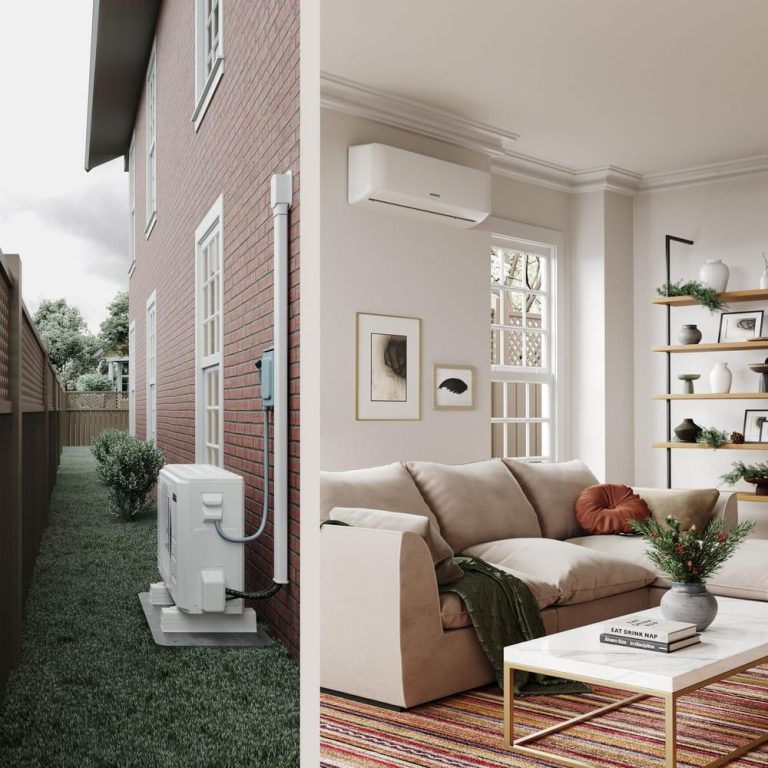
A ductless system has an outdoor unit connected to one or more indoor air handlers. The system moves heat rather than creating it through conventional combustion. In summer, it removes heat from the indoor space. In winter, it reverses the process and transfers available heat from outside into the home.
This makes ductless technology useful for Toronto properties with different layouts, insulation levels, and heating requirements.
Why Ductless Heat Pumps Are Popular in Toronto Homes
Toronto has cold winters and warm summers. Therefore, homeowners often need a system that can handle both heating and cooling demands.
Suitable for Homes Without Ductwork
Older homes may not have central duct systems. Adding new ductwork can require opening walls, changing ceilings, or sacrificing valuable space.
A ductless system avoids much of this work. The indoor units connect to the outdoor equipment through a small line set. This makes installation more practical for:
- Older Toronto houses
- Home additions
- Finished basements
- Converted rooms
- Condos where permitted
- Renovated spaces
- Homes with limited mechanical space
For homeowners researching ductless heating Toronto, this flexibility can be one of the main reasons to consider a heat pump.
Zoned Heating and Cooling
Another advantage is zone control. A multi-zone system can serve different rooms with individual indoor units.
Instead of conditioning the entire home equally, homeowners can adjust comfort based on how each space is used. For example, a bedroom may need a different setting from a living room.
This approach can also reduce unnecessary energy use when certain areas are rarely occupied.
Flexible Installation
Ductless systems require less structural work than many central HVAC installations. Indoor units can be installed on suitable exterior walls, while the outdoor unit is placed where airflow and service access are appropriate.
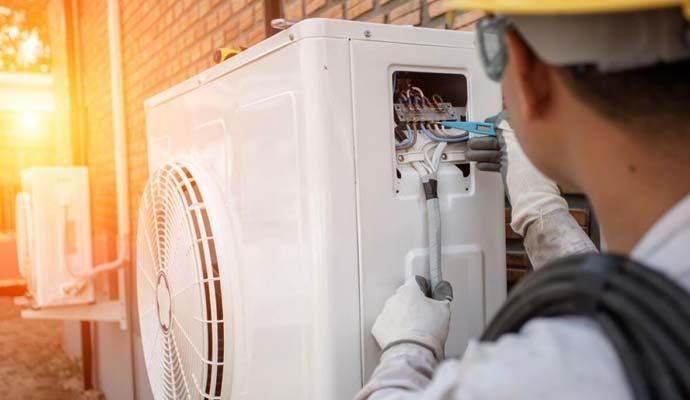
Proper placement still matters. The installer must consider airflow, drainage, refrigerant lines, electrical requirements, and outdoor exposure.
Are Ductless Heat Pumps Effective in Toronto Winters?

Winter performance is one of the biggest concerns for Toronto homeowners.
Modern cold-climate systems are designed to operate in low outdoor temperatures. However, performance changes as temperatures fall. The colder the outdoor air becomes, the harder the system may need to work to maintain indoor comfort.
Cold Weather Performance
A cold climate heat pump Toronto homeowners choose should be designed specifically for winter operation. Not every heat pump is suited to the same temperature range.
Homeowners should review the manufacturer’s cold-weather performance information rather than choosing a system based only on cooling capacity.
Professional sizing is equally important. A system that is too small may struggle to maintain comfort. One that is too large may cycle inefficiently and fail to provide the expected level of comfort.
What Happens During Very Cold Weather?
During cold conditions, a heat pump may enter a defrost cycle. This temporarily changes how the system operates so frost can be removed from the outdoor coil.
This is normal operation.
However, homeowners should understand that heating capacity and efficiency can vary with outdoor temperature. Some homes may also benefit from supplemental heating depending on their design, insulation, and comfort requirements.
Ductless Heat Pump Heating and Cooling Costs
The ductless heat pump cost in Toronto homeowners consider should not be limited to the equipment purchase. The complete financial picture includes installation, electricity use, maintenance, system size, and how efficiently the home retains heat.
Operating costs can vary significantly between properties.
What Affects Heat Pump Operating Cost?
Several factors influence the heat pump operating cost of a ductless system:
- Home insulation
- Air leakage
- Room size
- Outdoor temperature
- System efficiency
- Number of indoor units
- Thermostat settings
- Frequency of system use
- Maintenance condition
A well-insulated home usually places less demand on the heating system. In contrast, poor insulation can cause the system to run more often because heat escapes more quickly.
Heating Compared With Traditional Systems
A ductless heat pump can be more efficient than electric resistance heating because it transfers heat instead of generating heat directly.
However, comparing it with a gas furnace requires more than looking at the equipment itself. Energy prices, home insulation, system efficiency, outdoor temperatures, and usage patterns all affect the final result.
For this reason, homeowners should look at expected long-term performance instead of choosing a system based only on its purchase price.
Cooling During Toronto Summers
Ductless heat pumps can also provide efficient summer cooling. The system removes indoor heat and releases it outdoors.
With ductless cooling Toronto homeowners can control individual rooms instead of relying on one central cooling zone. This can be useful when bedrooms, additions, or other spaces have different cooling needs.
Ductless Heat Pump Installation Considerations

Installation quality has a major effect on system performance.
What Influences Installation Requirements?
Every property is different. An installer may need to assess:
- Home layout
- Heating load
- Cooling requirements
- Indoor unit locations
- Outdoor unit placement
- Electrical capacity
- Line-set routing
- Condensate drainage
- Insulation
- Existing heating equipment
A professional assessment helps determine whether a single-zone or multi-zone system is appropriate.
Why Proper Sizing Matters
System sizing should account for the home’s actual heating and cooling requirements. Room dimensions alone are not enough.
Insulation, windows, air leakage, orientation, and building construction can all affect the load.
This is why homeowners should avoid selecting equipment based solely on the size of an existing air conditioner or another heating system.
Benefits of Ductless Heat Pumps for Toronto Homeowners
A ductless heat pump can offer several practical advantages.
- Provides heating and cooling from one system
- Works without traditional ductwork
- Allows room-by-room temperature control
- Can improve comfort in difficult-to-condition spaces
- Offers flexible installation options
- Supports efficient heating and cooling
- Takes up less mechanical space than some central systems
- Can work well for additions and renovations
- Provides both summer cooling and winter heating
For homeowners considering a mini split heat pump Toronto solution, the combination of zoning and installation flexibility can be especially useful.
Potential Drawbacks to Consider
Ductless heat pumps are not the perfect solution for every property.
Higher Upfront Investment
The initial investment can be higher than some conventional heating or cooling options. The total cost depends on the system configuration, installation requirements, electrical work, and number of indoor units.
However, the purchase decision should also consider long-term energy performance and the ability to replace separate heating and cooling equipment with one system.
Indoor Unit Appearance
Wall-mounted indoor units are visible. Some homeowners may prefer the appearance of central vents.
Placement can help. An experienced installer can position the units where they provide good airflow while fitting naturally into the room.
Ongoing Maintenance
Ductless systems need regular care. Filters should be cleaned according to the manufacturer’s recommendations, while the outdoor unit should remain free from obstructions.
Professional maintenance can also help identify airflow, drainage, refrigerant, or performance issues before they become larger problems.
Ductless Heat Pumps vs. Traditional HVAC Systems
Ductless Heat Pump vs. Central Air Conditioning
Central air conditioning relies on ductwork to distribute cooled air. Ductless systems deliver conditioned air directly into individual zones.
If a home already has effective ductwork, central HVAC may remain a practical option. However, ductless technology can be more suitable when duct installation is difficult.
Ductless Heat Pump vs. Furnace and AC
A furnace and air conditioner use separate systems for heating and cooling. A heat pump can provide both functions through the same equipment.
The best choice depends on the home’s existing infrastructure, heating requirements, electrical setup, and homeowner preferences.
Ductless Heat Pump vs. Baseboard Heating
Baseboard heaters can provide reliable room heating but generally do not provide cooling. A ductless heat pump can handle both heating and cooling while offering zone control.
Who Should Consider a Ductless Heat Pump in Toronto?
A ductless heat pump may be worth considering if you:
- Live in a home without existing ductwork
- Need heating and cooling for an addition
- Want better control over individual rooms
- Are renovating a basement
- Need cooling in selected areas
- Want to replace separate heating and cooling equipment
- Prefer a flexible HVAC installation
- Want a system designed for year-round operation
GO DUCTLESS INC. can help homeowners assess whether a ductless configuration suits their property’s layout and comfort requirements.
How to Choose the Right Ductless Heat Pump
Check Heating Capacity
Heating capacity should match the property’s actual requirements. Consider insulation, windows, room size, and the home’s overall construction.
Look for Cold-Climate Performance
Toronto homeowners should pay close attention to low-temperature performance. A system designed for cold climates can be better suited to local winter conditions.
Choose Between Single-Zone and Multi-Zone
Single-zone systems work well when only one area requires dedicated heating and cooling.
Multi-zone systems are better when several rooms need individual control. Indoor unit placement should be planned before installation.
Work With a Qualified Installer
A qualified installer can evaluate the property, size the equipment, plan the line-set route, check electrical requirements, and test the system after installation.
GO DUCTLESS INC. focuses on ductless heating and cooling solutions designed around the needs of GTA homeowners.
How to Reduce Ductless Heat Pump Operating Costs
Simple maintenance and usage habits can support efficient operation.
- Keep indoor filters clean
- Avoid blocking indoor airflow
- Keep the outdoor unit clear
- Maintain reasonable temperature settings
- Improve insulation where needed
- Seal noticeable air leaks
- Use zone control effectively
- Arrange professional maintenance when appropriate
Home efficiency matters just as much as equipment efficiency. Even an advanced heat pump may need to work harder when a property has poor insulation or significant air leakage.
Are Ductless Heat Pumps Worth It in Toronto?
For many Toronto homes, ductless heat pumps can be a practical long-term heating and cooling solution. They are especially useful where traditional ductwork is unavailable or difficult to install.
The strongest benefits include flexible installation, zone control, year-round operation, and efficient heat transfer.
Still, the right choice depends on the property. Existing heating equipment, insulation, electrical capacity, home layout, and winter heating needs should all be considered before making a decision.
When They Can Be a Good Investment
A ductless system may make sense when:
- The home has no ductwork
- You need both heating and cooling
- Certain rooms need independent temperature control
- You are renovating or adding living space
- You want a flexible HVAC solution
- Long-term efficiency is important
When Another HVAC Option May Be Better
A different system may be more practical if the home already has well-designed ductwork or requires a specific whole-home air distribution setup.
The best HVAC choice should always reflect the property rather than following a one-size-fits-all approach.
Final Thoughts
A ductless heat pump can be a strong choice for Toronto homeowners who want heating and cooling without installing traditional ductwork. Its ability to provide zoned comfort makes it useful for older homes, renovations, additions, and spaces with different temperature needs.
However, choosing the right system requires more than comparing equipment. Heating capacity, cold-weather performance, insulation, installation requirements, and expected heat pump operating cost all deserve attention.
If you are considering a ductless system for your property, review the relevant ductless HVAC installation and ductless maintenance services on your website before making a decision. For professional guidance tailored to your home’s heating and cooling requirements, use the Contact Us option at GO DUCTLESS INC.
Frequently Asked Questions
1. Are ductless heat pumps good for Toronto winters?
Yes. Cold-climate ductless heat pumps are designed to operate in low outdoor temperatures. However, performance depends on the specific equipment, system sizing, insulation, and installation quality.
2. Can a ductless heat pump heat and cool a home?
Yes. A ductless heat pump can provide heating during colder weather and cooling during warmer months. Multi-zone systems can serve several rooms through separate indoor units.
3. Are ductless heat pumps expensive to operate?
Operating costs depend on electricity use, outdoor temperatures, insulation, system efficiency, thermostat settings, and how often the system runs. A professional assessment can provide a more property-specific expectation.
4. Can a ductless heat pump replace a furnace?
In some homes, it can provide most or all required heating. However, the suitability of full replacement depends on the home’s heating load, insulation, system capacity, and the chosen equipment’s cold-weather performance.
5. Is a mini split heat pump suitable for an older Toronto home?
Yes. Ductless systems can be particularly useful in older homes because they do not require traditional ductwork. The property should still be assessed for insulation, electrical requirements, and suitable indoor and outdoor unit placement.
6. How often should a ductless heat pump be maintained?
Filter cleaning should follow the manufacturer’s recommendations. The outdoor unit should also be kept clear, while professional maintenance can help keep the system operating properly.