Choosing a heating and cooling system is not only about comfort. Air conditioning unit electricity consumption can also have a major effect on your monthly energy costs. Homeowners comparing central air conditioning with a heat pump often want to know which system uses less electricity and which option offers better long-term value.
The answer depends on more than the equipment itself. System efficiency, home insulation, operating habits, outdoor temperatures, ductwork, system sizing, and local electricity rates all affect energy use.
For Toronto and GTA homeowners, a heat pump can be especially attractive because it can provide both heating and cooling from one system. A central AC system, on the other hand, is designed mainly for cooling and usually works alongside a separate heating system.
This guide explains the differences between central AC and heat pumps, what affects electricity consumption, and how to decide which option makes sense for your home.
How Central AC and Heat Pumps Work
How Does a Central Air Conditioner Work?
A central air conditioner removes heat from indoor air and transfers it outside. The compressor, condenser, indoor blower, and other components all use electricity during operation.
The system sends cooled air through ductwork to different rooms. This makes central AC a practical choice for homes that already have suitable ducts.
However, central AC only handles cooling. During colder months, homeowners need a separate heating system such as a furnace, boiler, or electric heating system.
How Does a Heat Pump Work?

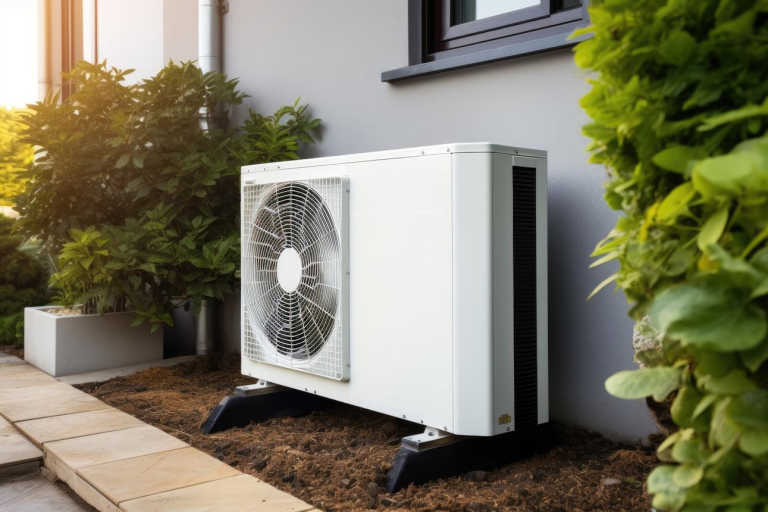
A heat pump also transfers heat instead of creating it directly. The important difference is that it can reverse its operation.
During summer, it removes heat from your home and moves it outdoors. During colder weather, it extracts available heat from outdoor air and transfers it indoors.
Natural Resources Canada explains that electric heat pumps can provide both heating and cooling while using less energy than traditional equipment in many applications.
This makes a heat pump a year-round system rather than a cooling-only appliance.
Air Conditioning Unit Electricity Consumption: What Affects It?
Your air conditioning unit electricity consumption depends on several factors. Two homes with similar AC systems can have very different energy bills because their buildings and usage patterns are different.

System Efficiency
A higher-efficiency system can deliver the same cooling comfort with less electricity under comparable conditions.
When comparing equipment, look at the efficiency rating rather than choosing a system based only on its cooling capacity or purchase price.
Natural Resources Canada notes that SEER is used to compare cooling efficiency for air-source and ductless heat pumps.
Home Insulation
Poor insulation makes your cooling system work harder.
Heat can enter through walls, ceilings, windows, doors, and other parts of the building envelope. Better insulation and air sealing can reduce the cooling load and help your equipment run more efficiently.
Thermostat Settings
Your thermostat settings also influence electricity use.
A system that runs constantly because of an aggressive temperature setting can consume more electricity than one maintaining a reasonable and stable indoor temperature.
Equipment Sizing
Proper sizing is essential.
An oversized system may cool a space quickly but cycle on and off too often. An undersized system may run for long periods without maintaining the desired temperature.
A professional assessment helps determine the appropriate system for the home’s layout, insulation, and heating and cooling needs.
Central Air Conditioner Electricity Consumption vs Heat Pump
When comparing central air conditioner electricity consumption with a heat pump, it is important to compare similar systems and similar operating conditions.
Cooling Mode
In cooling mode, a heat pump works much like an air conditioner. It removes heat from the indoor space and transfers it outside.
Therefore, the cooling electricity consumption of a high-efficiency heat pump can be comparable to that of a high-efficiency central AC system.
The real difference becomes clearer when you consider the full year.
Heating Mode
A central AC system does not normally provide heating. You need another heating system.
A heat pump can reverse its refrigeration cycle to provide heating. This means one electrical system can provide both heating and cooling.
That can change the overall energy picture for a homeowner who is replacing separate heating and cooling equipment.
Annual Energy Use
Looking only at summer cooling can give an incomplete picture.
A better comparison considers:
- Cooling electricity use
- Heating electricity use
- Efficiency during different outdoor conditions
- Backup heating requirements
- Thermostat settings
- Home insulation
- Equipment maintenance
- Electricity rates
Natural Resources Canada states that heat pumps transfer heat rather than generate it, which helps explain their energy-efficient operation.
When Can a Heat Pump Save More Money?
A heat pump may offer greater value when a homeowner wants both heating and cooling from one system.
Replacing Electric Resistance Heating
The potential savings can be especially important when a heat pump replaces electric resistance heating.
A heat pump moves heat instead of producing heat directly through resistance. As a result, it can provide efficient heating while using electricity.
Year-Round Operation
A heat pump can operate in both seasons.
Instead of purchasing a cooling-only system and relying on another heating system, homeowners can use one heat pump system for both functions.
This can simplify temperature control and reduce dependence on multiple pieces of equipment.
Better Room-by-Room Control

Ductless systems add another advantage. A ductless heat pump can provide heating and cooling to specific rooms or zones without requiring traditional ductwork.
This can be useful for older Toronto homes, additions, basements, home offices, and rooms with uneven temperatures.
GO DUCTLESS INC. specializes in ductless heating and cooling, including single-zone and multi-zone systems designed around room-by-room comfort.
When Might Central AC Make More Sense?
A central AC system can still be a practical choice.
If your home already has a newer and efficient heating system, replacing the cooling equipment may be all you need.
Central AC can also make sense when your home already has well-designed ductwork and you are satisfied with the existing heating setup.
In this situation, installing a separate heat pump may not provide enough additional value to justify changing the entire heating and cooling strategy.
The right decision depends on the condition of your existing equipment and your long-term plans.
Ductless Heat Pump vs Central AC
For homes without suitable ductwork, a ductless heat pump can offer a different path.
Reduced Dependence on Ductwork
Ductless systems do not require a traditional network of supply and return ducts.
That can make them useful for older homes, additions, renovated spaces, and areas where adding ductwork would require major construction.
Zoned Comfort
A mini split heat pump can provide targeted heating and cooling.
With a multi-zone design, different rooms can have individual temperature control. This can help avoid conditioning unused rooms as heavily as occupied spaces.
Ductless Air Conditioning
Ductless air conditioning can also be used when cooling is the primary need.
GO DUCTLESS INC. offers ductless air conditioning systems designed for homes that need efficient cooling without bulky ductwork.
For homeowners comparing central AC with ductless equipment, the decision should consider the home’s layout, existing ductwork, comfort goals, and expected operating pattern.
What Determines Your Actual Electricity Bill?
Equipment efficiency is important, but it is not the only factor.
Outdoor Temperature
Hot weather increases cooling demand. Cold weather increases heating demand.
Heat pumps may also operate differently as outdoor temperatures change. Choosing equipment designed for the local climate is therefore important.
Home Size
A larger home generally has a larger heating and cooling load. However, square footage alone does not determine equipment requirements.
Windows, insulation, ceiling height, air leakage, orientation, and occupancy all matter.
Ductwork
For central systems, duct condition can affect performance.
Leaks, poor insulation, or poor airflow can reduce system efficiency. A ductless system avoids many of these duct-related losses because conditioned air is delivered directly into the space.
Maintenance
Dirty filters, restricted airflow, blocked outdoor units, and neglected maintenance can affect system performance.
Regular service helps keep equipment operating as intended.
How Efficiency Ratings Help You Compare Systems
Efficiency ratings provide a useful starting point when comparing equipment.
For cooling, SEER and SEER2 ratings help homeowners compare seasonal efficiency. For heat pumps, heating efficiency ratings also matter because the system may operate for much of the year.
ENERGY STAR maintains certified product information for both central air conditioners and air-source heat pumps.
However, a higher rating does not automatically guarantee a lower bill. Proper sizing, installation, maintenance, home efficiency, and operating habits all affect actual energy use.
Installation Quality Matters
Even an efficient system can perform poorly if it is installed incorrectly.
Ductless heat pump installation should begin with an assessment of the home and the rooms being conditioned.
The installer should consider:
- Home layout
- Insulation
- Window exposure
- Room size
- Heating and cooling loads
- Indoor unit placement
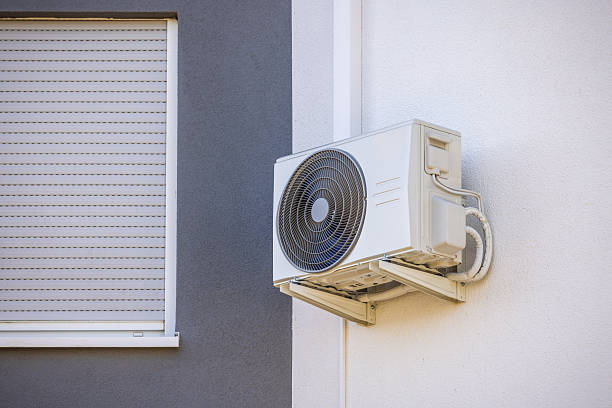
- Outdoor unit location
- Refrigerant line routing
- Electrical requirements
- Drainage
- Airflow
- System controls
GO DUCTLESS INC. describes its installation approach as focused on assessment, sizing, clean installation, testing, and a system walkthrough.
Proper installation supports comfort, reliability, and long-term efficiency.
Central AC vs Heat Pump: Which Saves More Money?
There is no single answer for every home.
A central AC system may be the better choice if you already have an efficient heating system and only need to replace or upgrade your cooling equipment.
A heat pump can be a stronger option if you want one system for heating and cooling, especially when replacing inefficient electric heating or planning a broader HVAC upgrade.
A ductless heat pump can be even more useful when your home does not have suitable ductwork or when you want room-by-room control.
The most important step is to compare the total cost of ownership rather than focusing only on the purchase price.
Consider:
- Equipment cost
- Installation cost
- Expected electricity use
- Heating requirements
- Cooling requirements
- Maintenance
- Existing ductwork
- System lifespan
- Available rebates or incentives
- Long-term comfort
Natural Resources Canada also recommends considering the specific home and energy situation when evaluating heat pump savings.
How to Choose the Right System for Your Home
Start by looking at what you already have.
If your home has functional ductwork and a good heating system, central AC may remain a practical solution.
If your heating equipment is approaching replacement age, compare the cost of replacing separate systems with a heat pump that can handle both heating and cooling.
If you have an older home, addition, basement, or room without ductwork, a ductless mini split heat pump may provide more flexibility.
The best system is the one that matches your home’s actual heating and cooling requirements.
Final Thoughts
When comparing air conditioning unit electricity consumption, do not look at cooling electricity use alone. The bigger question is how the entire heating and cooling system will perform throughout the year.
Central AC can be a sensible choice when cooling is the main requirement and an existing heating system is working well. A heat pump can provide more flexibility by combining heating and cooling in one system.
For homes without suitable ductwork, ductless heat pumps and mini split heat pumps offer another option. They can provide room-by-room comfort while avoiding the need for major ductwork changes.
For Toronto and GTA homeowners, GO DUCTLESS INC. focuses on clean, reliable ductless heating and cooling solutions, including ductless heat pumps, ductless air conditioning, and mini split systems.
Before choosing equipment, have your home assessed for proper sizing, insulation, layout, and heating and cooling requirements. Then compare equipment efficiency, installation quality, operating costs, and long-term comfort.
FAQs
1. Does a heat pump use more electricity than central AC?
Not necessarily. In cooling mode, both systems use similar heat-transfer technology. The bigger difference is that a heat pump can also provide heating.
2. Is a heat pump cheaper to run than central AC?
It can be, especially when the heat pump replaces inefficient heating equipment. Actual savings depend on the system, home, climate, electricity rates, and usage.
3. Does a heat pump increase your electricity bill?
A heat pump uses electricity for heating and cooling. However, efficient heat transfer can reduce total energy use compared with some traditional heating systems. Your overall bill depends on what system the heat pump replaces.
4. Is a ductless heat pump more efficient than central AC?
Efficiency depends on the specific equipment and installation. Ductless systems can reduce losses associated with ductwork and provide targeted room-by-room conditioning.
5. Is a mini split heat pump good for older homes?
Yes. A mini split heat pump can be useful in older homes where adding traditional ductwork is difficult or disruptive. It can also work well for additions, basements, and individual rooms.
6. Should I replace my central AC with a heat pump?
Consider the age of your AC, the condition of your heating system, your home’s ductwork, and your long-term heating and cooling goals. A professional assessment can help you compare options.