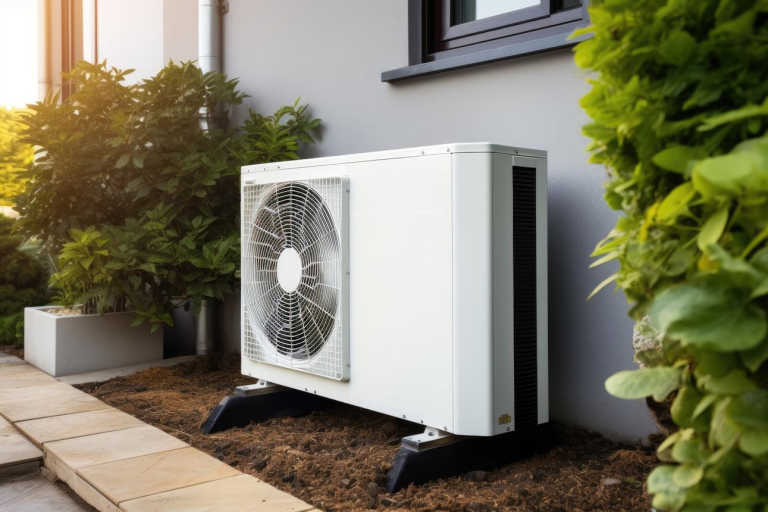
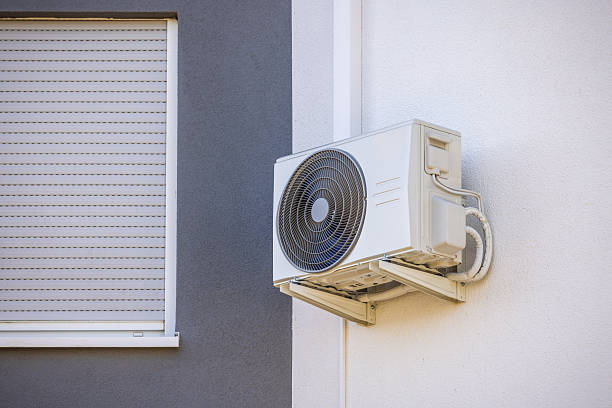
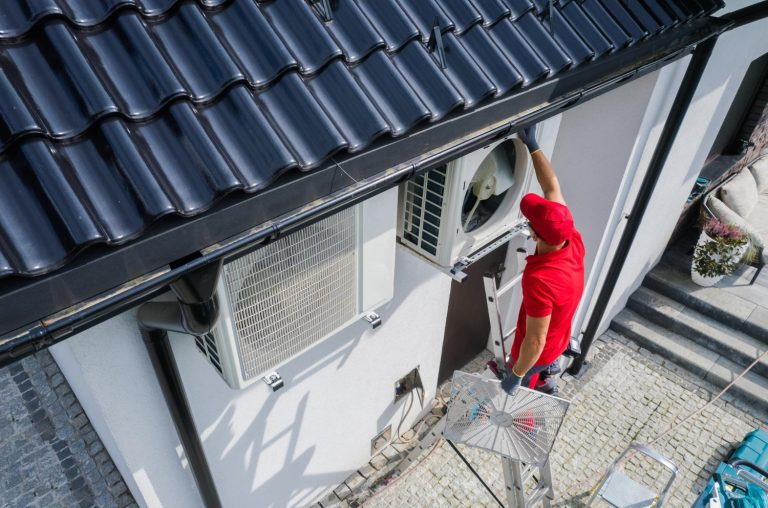
Knowing how to fix a heat pump starts with understanding the warning signs. A heat pump can provide heating and cooling throughout the year, but changes in airflow, temperature, noise, or system performance should not be ignored.
Some heat pump problems have simple causes. A dirty filter, incorrect thermostat setting, or blocked outdoor unit can affect performance. However, other issues may involve refrigerant, electrical components, controls, or the compressor. These problems require a qualified professional.
This guide explains common heat pump problems, what you can safely check at home, and when you should contact a professional for help.
How Do You Know Your Heat Pump Has a Problem?
A heat pump does not always stop working completely when something goes wrong. Often, performance changes appear first.
Watch for signs such as:
- The home is not reaching the desired temperature.
- Heating or cooling takes longer than usual.
- Airflow feels weak.
- The outdoor unit develops heavy ice.
- The system turns on and off too often.
- You hear grinding, buzzing, or rattling.
- Water appears around the indoor unit.
- Energy use seems higher than normal.
- The system does not respond to the thermostat.
- Unusual odors come from the equipment.
If a problem continues after basic checks, it is better to arrange professional service rather than continue operating a system that may have a fault.
Common Heat Pump Problems and How to Fix a Heat Pump Safely
Heat Pump Is Not Heating or Cooling Properly
Poor heating or cooling can come from several sources. Start with the thermostat. Make sure the system is set to the correct mode and temperature.
Next, check the air filter and make sure indoor airflow is not restricted. For an outdoor unit, check for obvious leaves or debris that may block airflow.
If the system still cannot maintain the desired temperature, the problem may involve refrigerant, electrical components, airflow, or system controls.
A professional can test the equipment and identify the actual cause instead of replacing parts without proper diagnosis.
Heat Pump Blows Cool Air in Heating Mode

A heat pump can feel different from a conventional furnace. It transfers heat into the home instead of producing the same type of hot airflow associated with combustion heating.
However, consistently cool airflow combined with poor indoor comfort may indicate a problem.
Check the thermostat first. Then inspect the filter and make sure the outdoor unit has clear airflow.
A heat pump also performs a normal defrost cycle during cold weather. Natural Resources Canada explains that frost can form on the outdoor coil during heating and that the system uses a defrost cycle to remove it.
If the system continues blowing cool air and cannot maintain comfort, contact a qualified HVAC professional.
Heat Pump Is Not Cooling Properly
When summer cooling becomes weak, begin with simple checks.
- Confirm the thermostat is set to cooling.
- Check the air filter.
- Keep indoor airflow paths clear.
- Make sure the outdoor unit is not blocked.
- Look for unusual ice or frost.
- Listen for unusual operating sounds.
If these checks do not solve the problem, professional diagnosis may be needed. Refrigerant issues, coil problems, airflow restrictions, or compressor faults can reduce cooling performance.
GO DUCTLESS INC. provides ductless air conditioning and ductless heat pump solutions for homes across Toronto and the GTA.
Heat Pump Is Short Cycling
Short cycling happens when the system starts and stops repeatedly instead of completing normal operating cycles.
Several issues can contribute to this behavior, including:
- Incorrect system sizing.
- Thermostat problems.
- Restricted airflow.
- Refrigerant problems.
- Electrical faults.
- Equipment issues.
Short cycling should not be treated as normal. Frequent starts and stops can increase wear on system components.
If changing the filter or checking the thermostat does not help, arrange a professional inspection.
ENERGY STAR notes that oversized equipment can short cycle and experience additional compressor wear.
Heat Pump Is Making Strange Noises
Heat pumps make normal sounds during operation. Air movement, fan operation, and compressor activity can all create some noise.
However, sudden or unusual sounds deserve attention.
Watch for:
- Grinding.
- Screeching.
- Rattling.
- Loud buzzing.
- Repeated clicking.
- Strong vibration.
A loose panel may cause a rattle, while mechanical or electrical problems can create more serious sounds.
If you hear a burning smell or a serious mechanical noise, turn the system off and contact a professional.
Heat Pump Is Covered With Ice

Some frost during winter operation can be normal. The heat pump should remove frost through its defrost cycle.
Heavy ice that remains on the outdoor unit can be a warning sign.
Possible causes include:
- Restricted airflow.
- Refrigerant problems.
- Defrost control faults.
- Outdoor coil issues.
- Poor system operation.
Do not chip ice away with sharp tools. You could damage the coil or other components.
Natural Resources Canada recommends checking for excessive ice or snow around air-source heat pumps and keeping the equipment properly maintained.
If heavy ice keeps returning, professional service is the safer choice.
Heat Pump Is Leaking Water
Water around a heat pump can have several causes.
During cooling, condensation is a normal part of operation. However, water collecting where it should not can indicate a drainage or equipment problem.
Possible causes include:
- A blocked condensate drain.
- A drainage issue.
- A frozen coil.
- Poor installation.
- Refrigerant-related problems.
Water near electrical components should not be ignored.
ENERGY STAR recommends checking condensate drains during HVAC maintenance because a blocked drain can cause water damage and affect indoor humidity.
If the leak continues, arrange professional service.
Heat Pump Has Weak Airflow
Weak airflow is common when filters become dirty or airflow paths become restricted. Start with the filter. If the manufacturer allows homeowner filter cleaning or replacement, follow the equipment instructions. Also check that indoor units, vents, and return paths are not blocked.
For a ducted system, ductwork can also affect airflow. For a ductless heat pump, indoor unit placement and cleanliness can influence how effectively conditioned air reaches the room.
ENERGY STAR recommends keeping filters clean because restricted airflow can make heating and cooling equipment work harder.
If airflow remains weak after basic checks, a professional should inspect the system.
Heat Pump Uses More Energy Than Usual
A sudden increase in energy use can be a sign that your heat pump is working harder than it should.
First, consider whether outdoor temperatures or household usage have changed. Then check the filter and thermostat settings.
Persistent higher energy use may be linked to:
- Poor airflow.
- Dirty coils.
- Refrigerant issues.
- Equipment wear.
- Poor insulation.
- Incorrect sizing.
- Control problems.
Regular maintenance can help identify performance problems before they become larger repairs.
Natural Resources Canada recommends keeping filters and coils clean and having a qualified contractor inspect air-source heat pumps.
Heat Pump Does Not Turn On
If your heat pump does not start, check the thermostat and confirm that the system has power.
You can also check the electrical panel for a tripped breaker. However, do not repeatedly reset a breaker if it trips again.
A system that will not start may have a problem with:
- Thermostat controls.
- Electrical connections.
- Control boards.
- Safety switches.
- Compressor components.
- Power supply.
Electrical repairs should be handled by a qualified professional.
When Should You Call a Professional?
Homeowners can perform basic checks, but some problems require specialist equipment and training.
Call a Professional for Refrigerant Problems
Refrigerant problems can reduce heating and cooling performance. A professional can test the system, identify the source of the issue, and determine the correct repair.
Do not attempt to add refrigerant yourself.
Call a Professional for Electrical Issues
Contact a professional if you notice:
- Repeated breaker trips.
- Burning smells.
- Damaged wiring.
- Electrical buzzing.
- Sudden loss of power.
- Unusual component noises.
Electrical faults can create safety risks and should not be treated as DIY repairs.
Call a Professional for Mechanical Problems
Grinding, severe vibration, compressor problems, and repeated cycling require proper diagnosis.
A professional can determine whether the problem is repairable or whether replacement makes more sense.
What Can You Check Before Calling a Professional?
Some basic checks can help you understand what is happening.
Check the Thermostat
Confirm:
- The correct heating or cooling mode.
- The desired temperature.
- The thermostat has power.
- Batteries are working where applicable.
Check the Filter
A dirty filter can restrict airflow and make the system work harder.
Follow the manufacturer’s instructions for cleaning or replacing the filter.
Check Outdoor Clearance
Keep the outdoor unit clear of obvious leaves, snow, and debris. Do not remove internal components or attempt to repair the unit yourself.
Check for Warning Signs
Note unusual noises, odors, ice, leaks, or changes in airflow. This information can help the technician diagnose the issue more efficiently.
Ductless Heat Pump Problems Require Proper Diagnosis
A ductless heat pump offers room-by-room heating and cooling without traditional ductwork. These systems are useful for older homes, additions, basements, and spaces where installing ducts is difficult.
GO DUCTLESS INC. focuses on ductless heating and cooling across Toronto and the GTA. Its service approach emphasizes clean installation, proper system planning, room-by-room comfort, and ongoing maintenance support.
A mini split heat pump can also provide single-zone or multi-zone comfort. However, correct installation and system sizing remain important for reliable performance.
For homeowners looking for a mini air conditioner Toronto solution or a year-round ductless system, the right equipment depends on the home’s layout and comfort needs.
Mitsubishi Air Conditioning and Heat Pump Problems
Mitsubishi systems are another option for homeowners seeking ductless heating and cooling.
GO DUCTLESS INC. provides Mitsubishi air conditioning Toronto installation and support, including Mitsubishi ductless heat pump solutions and mini split systems.
If a Mitsubishi system develops weak airflow, unusual noise, poor temperature control, or repeated cycling, professional diagnosis can help protect the system and restore performance.
The goal should not simply be to fix a heat pump quickly. The goal is to find the underlying cause and restore reliable operation.
How to Prevent Common Heat Pump Problems
Good maintenance can reduce avoidable problems and help protect system performance.
Keep Filters Clean
Check filters according to the manufacturer’s instructions. A dirty filter can restrict airflow and increase system workload.
Keep Outdoor Units Clear
Remove obvious debris and keep snow or other obstructions away from the outdoor unit.
Maintain Indoor Units
Keep indoor units clean and make sure airflow is not blocked by furniture or other objects.
Schedule Professional Maintenance
Professional maintenance can include:
- Checking system controls.
- Inspecting electrical connections.
- Reviewing airflow.
- Checking coils.
- Inspecting drainage.
- Reviewing system operation.
- Identifying signs of wear.
ENERGY STAR recommends routine professional HVAC maintenance and regular filter checks.
Should You Repair or Replace Your Heat Pump?
Repair may make sense when the problem is isolated and the rest of the system remains in good condition.
Replacement may deserve consideration when the system has repeated failures, declining performance, or ongoing comfort problems.
A professional assessment can help you compare the condition of the current equipment with the benefits of a new system.
This is especially useful when considering a modern Ductless Heating and Cooling Toronto solution. A properly selected system can provide heating and cooling while supporting room-by-room comfort.
Final Thoughts
Learning how to fix a heat pump safely starts with knowing what you can check and what should be left to a professional.
A dirty filter, incorrect thermostat setting, or blocked outdoor unit may have a simple solution. However, refrigerant issues, electrical faults, compressor problems, persistent ice, water leaks, and repeated cycling require proper diagnosis.
For Toronto and GTA homeowners, a well-maintained ductless heat pump or mini split heat pump can provide reliable heating and cooling throughout the year. GO DUCTLESS INC. specializes in ductless heating and cooling, including ductless heat pumps, mini split systems, ductless air conditioning, and Mitsubishi solutions. If your heat pump is not working properly or you need professional service, contact us today for reliable assistance and expert solutions.
Frequently Asked Questions
1. Can I fix a heat pump myself?
You can check the thermostat, filter, airflow, and outdoor clearance. Refrigerant, electrical, compressor, and internal mechanical problems should be handled by a qualified professional.
2. Why is my heat pump running but not heating?
Check the thermostat and filter first. If the system still cannot maintain indoor comfort, the cause may involve airflow, refrigerant, controls, or another system component.
3. Why is my heat pump covered in ice?
Light frost can occur during normal winter operation. Persistent or heavy ice can indicate an airflow, refrigerant, coil, or defrost problem.
4. Why is my heat pump making strange noises?
Some operating sounds are normal. Grinding, screeching, loud buzzing, rattling, or severe vibration should be professionally inspected.
5. Why does my heat pump keep turning on and off?
Frequent cycling can result from sizing, thermostat, airflow, refrigerant, or equipment problems. A professional can identify the cause.
6. How often should a heat pump be maintained?
Follow the manufacturer’s maintenance instructions and arrange professional inspections based on system use and operating conditions. Regular filter care is also important.
7. Is a ductless heat pump difficult to maintain?
Routine filter and cleanliness checks are generally straightforward. Professional maintenance is still useful for checking system performance, drainage, electrical components, and other internal parts.
8. When should I replace my heat pump?
Consider replacement when repairs become frequent, performance declines, comfort problems continue, or the system no longer fits your home’s needs.