The way homeowners think about indoor comfort is changing rapidly. Rising energy costs, smart home technology, sustainability goals, and changing lifestyle needs are influencing how people heat and cool their homes.
Traditional HVAC systems still have their place, but many experts believe that Ductless HVAC systems represent the future of residential climate control. These systems combine energy efficiency, flexible installation, advanced technology, and personalized comfort in ways that align perfectly with modern living.
As homeowners continue looking for smarter and more sustainable solutions, ductless technology is becoming a preferred choice for future-ready homes.
GO DUCTLESS INC is seeing increased interest from homeowners who want HVAC solutions that meet both today’s needs and tomorrow’s expectations.
Why HVAC Technology Is Evolving
Modern homeowners expect more from their HVAC systems than simply heating and cooling.
Today’s priorities include:
- Energy efficiency
- Lower utility bills
- Smart home integration
- Improved indoor air quality
- Environmental sustainability
- Personalized comfort
Traditional HVAC systems often struggle to deliver all these benefits simultaneously.
This is where Ductless HVAC systems are making a significant impact.
What Are Ductless HVAC Systems?
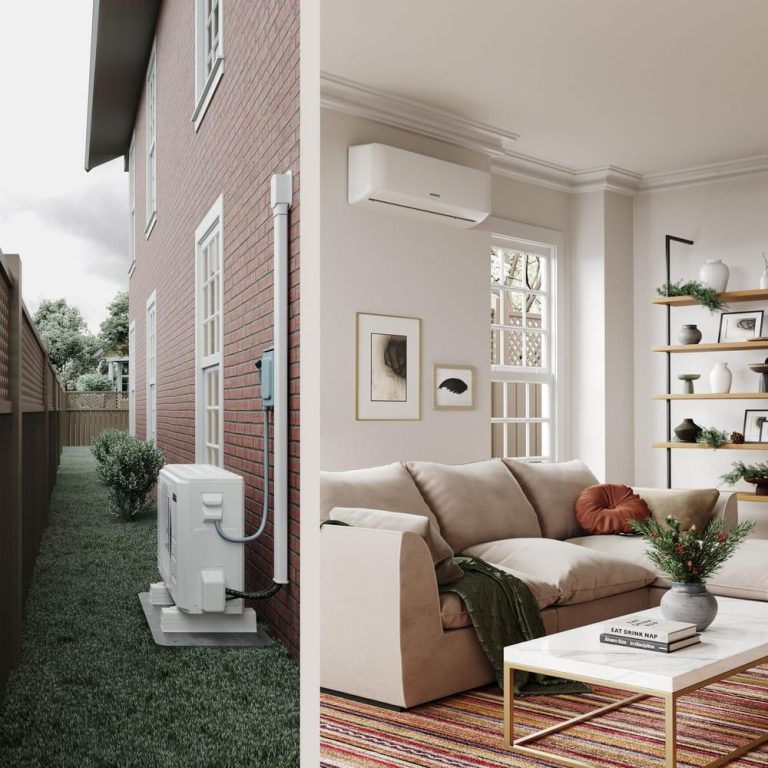
A ductless HVAC system delivers heating and cooling directly into living spaces without relying on traditional ductwork.
The system typically includes:
- Outdoor compressor unit
- Indoor air handlers
- Refrigerant lines
- Smart controls
Many homeowners know these systems as a ductless mini split or mini split air conditioning solution.
Unlike conventional HVAC systems, ductless technology allows room-by-room temperature control while reducing energy waste.
Why Ductless Systems Are Shaping the Future
Several industry trends indicate that ductless technology will play a major role in future home comfort.
Growing Demand for Energy Efficiency
Energy efficiency is becoming one of the most important factors influencing HVAC decisions.
Homeowners want systems that:
- Consume less electricity
- Lower monthly utility bills
- Reduce environmental impact
Ductless HVAC systems address these concerns through advanced inverter technology.
Unlike traditional systems that frequently cycle on and off, ductless units continuously adjust performance to maintain desired temperatures efficiently.
Benefits Include
- Lower energy consumption
- Reduced operating costs
- Consistent comfort
- Less energy waste
As energy prices continue to rise, efficiency will remain a key driver of HVAC innovation.
Smart Homes Require Smart HVAC Systems
Smart home technology is no longer a luxury.
Many homeowners now expect connected devices that improve convenience and efficiency.
Modern ductless systems often include:
- Wi-Fi connectivity
- Smartphone controls
- Voice assistant integration
- Energy monitoring tools
- Programmable schedules
These features allow homeowners to manage comfort from virtually anywhere.
Future Smart Features May Include
- AI-driven temperature optimization
- Predictive maintenance alerts
- Automated energy-saving adjustments
- Occupancy-based climate control
The integration of HVAC systems with smart home ecosystems will likely continue expanding.
Zoned Comfort Is Becoming the New Standard
Traditional HVAC systems typically use a single thermostat for the entire home.
This often creates:
- Hot spots
- Cold spots
- Uneven temperatures
- Energy inefficiencies
Future homes increasingly prioritize zoned comfort.
A ductless mini split system allows homeowners to independently control temperatures in specific rooms.
Examples of Zoned Living
- Cooler bedrooms at night
- Comfortable home offices during work hours
- Reduced cooling in unused spaces
- Personalized comfort for family members
This flexibility improves both comfort and energy efficiency.
Sustainability Is Driving HVAC Innovation
Environmental concerns are influencing purchasing decisions across many industries.
Homeowners are seeking products that reduce their carbon footprint.
Ductless HVAC systems support sustainability through:
- Reduced energy consumption
- Lower greenhouse gas emissions
- Improved efficiency
- Reduced HVAC waste
As governments and utility providers continue promoting energy-efficient technologies, ductless systems are expected to play a larger role in residential sustainability efforts.
Ductless Systems Work Well in Modern Home Designs
Today’s homes are being designed differently than homes built decades ago.
Modern layouts often include:
- Open floor plans
- Home offices
- Multi-purpose rooms
- Flexible living spaces
Traditional ductwork may not always adapt efficiently to these changing layouts.
By contrast, ductless air conditioning units provide flexible climate control that can evolve with homeowners’ needs.
This adaptability makes them particularly attractive for modern home construction.
Growing Popularity of Home Renovations
Many homeowners are choosing to renovate rather than relocate.
Popular renovation projects include:
- Basement suites
- Attic conversions
- Home additions
- Garage transformations
- Home gyms
Extending traditional ductwork into these spaces can be expensive.
A ductless mini split provides targeted comfort without requiring major structural modifications.
This trend is expected to continue driving demand for ductless technology.
Improved Indoor Air Quality for Healthier Living
Indoor air quality is becoming a growing concern.
Many homeowners spend more time indoors than ever before.
Traditional duct systems can accumulate:
- Dust
- Mold
- Allergens
- Pet dander
Many ductless air conditioning units include advanced filtration systems that help improve indoor air quality.
Health Benefits May Include
- Reduced airborne particles
- Improved respiratory comfort
- Better allergen management
- Cleaner indoor environments
Future HVAC systems will likely place even greater emphasis on air quality and wellness.
Quiet Operation Supports Modern Lifestyles
Noise pollution inside the home can affect comfort and productivity.
Traditional HVAC equipment sometimes generates noticeable operating sounds.
Modern mini split air conditioning systems are designed for quiet performance.
This makes them ideal for:
- Bedrooms
- Home offices
- Nurseries
- Study areas
As remote work continues growing, quiet HVAC operation will become even more valuable.
Advanced Energy Management Is the Future
Homeowners increasingly want visibility into their energy usage.
Many ductless systems already provide:
- Usage monitoring
- Efficiency reports
- Smart scheduling tools
Future developments may include:
- Real-time energy optimization
- Utility rate integration
- Automated cost-saving recommendations
These features help homeowners make more informed decisions about energy consumption.
Flexible Installation Is a Long-Term Advantage
One challenge with traditional HVAC systems is installation complexity.
Ductwork installation often requires:
- Major renovations
- Structural modifications
- Higher labor costs
Ductless HVAC systems require significantly less disruption.
This flexibility makes them attractive for:
- Older homes
- Condominiums
- New construction
- Home additions
Future homeowners will likely continue valuing installation simplicity.
Lower Long-Term Ownership Costs
Cost remains an important consideration for homeowners.
Although installation expenses vary, ductless systems often provide long-term financial benefits.
Potential Savings Include
- Lower utility bills
- Reduced maintenance costs
- Fewer duct-related repairs
- Extended equipment lifespan
These savings contribute to strong long-term value.
The Role of HVAC Professionals in Future Technology
As HVAC systems become more advanced, professional expertise becomes increasingly important.
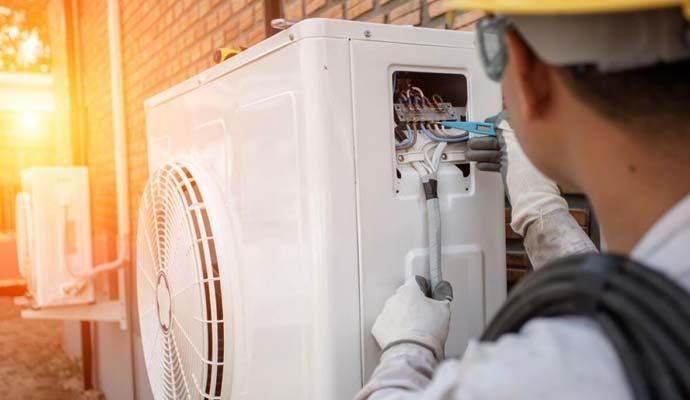
An experienced air conditioner contractor helps homeowners:
- Select the correct system
- Optimize installation locations
- Maximize efficiency
- Integrate smart technology
Professional guidance ensures homeowners receive the full benefits of modern HVAC innovations.
GO DUCTLESS INC helps homeowners evaluate current and future HVAC technologies to make informed investment decisions.
Challenges Ductless Systems Will Continue to Solve
Future homeowners will continue facing common comfort challenges.
These include:
- Rising energy costs
- Aging housing infrastructure
- Environmental concerns
- Demand for personalized comfort
Ductless technology addresses each of these issues effectively.
This is one reason many industry experts believe ductless systems will continue gaining market share in the coming years.
What Homeowners Should Consider Today
If you’re evaluating HVAC upgrades, it may be worth considering solutions that align with future trends.
Key factors include:
- Energy efficiency
- Smart technology compatibility
- Installation flexibility
- Indoor air quality
- Long-term operating costs
A modern ductless system checks many of these boxes while providing reliable year-round comfort.
Final Thoughts
The future of home comfort is moving toward smarter, cleaner, and more efficient solutions. Ductless HVAC systems are positioned at the center of this transformation thanks to their energy-saving capabilities, flexible installation options, advanced technology, and personalized comfort features.
As modern homeowners continue prioritizing efficiency, sustainability, and smart living, ductless technology will likely become one of the most influential HVAC innovations in residential construction and renovation.
Investing in future-ready Ductless HVAC Systems today can help homeowners enjoy greater comfort, lower operating costs, and improved home performance for years to come.
FAQs
1. What makes Ductless HVAC systems future-ready?
They combine energy efficiency, smart technology, zoned comfort, and flexible installation, making them well-suited for evolving homeowner needs.
2. Are mini split air conditioning systems energy-efficient?
Yes. Most modern systems use inverter technology that helps reduce energy consumption while maintaining consistent comfort.
3. Can a ductless mini split work in both summer and winter?
Yes. Many systems provide both cooling and heating capabilities for year-round comfort.
4. Do ductless air conditioning units improve indoor air quality?
Many models include advanced filtration systems that help reduce dust, allergens, and airborne contaminants.
5. Are Ductless HVAC systems suitable for older homes?
Absolutely. They are especially useful in homes without existing ductwork or where duct installation would be expensive.
6. Why should I hire an air conditioner contractor for installation?
Professional installation ensures proper sizing, placement, efficiency, and long-term system reliability.