Older Canadian homes have character, solid construction, and charm, but they often come with uneven temperatures, drafty rooms, and higher heating or cooling costs. Many were built before modern ductwork, insulation standards, and airtight construction became common. That is why homeowners are increasingly looking at ductless energy savings as a practical way to improve comfort without tearing apart walls or adding large duct systems. At Go Ductless Inc., we help homeowners across Toronto and the GTA understand how ductless systems can fit older homes and reduce wasted energy.
Ductless energy savings come from a combination of targeted comfort, inverter technology, reduced duct losses, and smarter zoning. Instead of forcing one central system to heat or cool every room the same way, ductless systems let you condition specific areas based on real use. For older homes with closed rooms, additions, finished basements, or weak airflow, this can make a noticeable difference in comfort and efficiency. This guide explains how ductless systems save energy, what older homeowners should expect, and how to plan the right solution.
Why Older Canadian Homes Waste More Energy
Many older homes were built with heating systems that did not rely on ducts, such as radiators, boilers, or baseboards. Others have ductwork that was added later or was never designed for modern cooling needs. These homes often have air leaks, uneven insulation, single pane or older windows, and rooms that behave differently depending on season. In these conditions, ductless energy savings become valuable because the system can target the rooms that need comfort most rather than forcing air through outdated or nonexistent ductwork.
Another issue is uneven load. A sunny upstairs bedroom may overheat in summer, while a basement may stay cool and damp. A main floor living room may feel comfortable, while a back addition may never reach the same temperature. Traditional systems often try to solve this with one thermostat, which rarely works well in older homes. Ductless energy savings happen because each zone can be controlled independently, reducing the need to overheat or overcool the entire house just to fix one problem room.
Common Energy Problems In Older Homes
Older homes often lose energy through attic leaks, gaps around windows, uninsulated walls, and poorly sealed doors. They may also have rooms that were added after the original construction, creating comfort zones with different heating and cooling needs. When these problems exist, ductless energy savings are strongest when the system is paired with smart zone planning and basic envelope improvements.
Why One Thermostat Often Fails
A single thermostat only reads one location. If that location is comfortable, the system may shut off while other rooms stay too warm or too cold. If you adjust the thermostat to satisfy the problem room, other areas become uncomfortable and energy use rises. Ductless energy savings are possible because each indoor unit can manage the comfort needs of its own zone.
How Ductless Systems Reduce Duct Losses
One of the biggest advantages of ductless systems is right in the name: there are no ducts required to deliver comfort to each zone. In older homes, ductwork can be leaky, poorly insulated, or routed through spaces that waste energy. Even when ducts exist, they may not deliver balanced airflow to every room. Ductless energy savings can come from avoiding those distribution losses entirely because the indoor unit conditions the room directly.
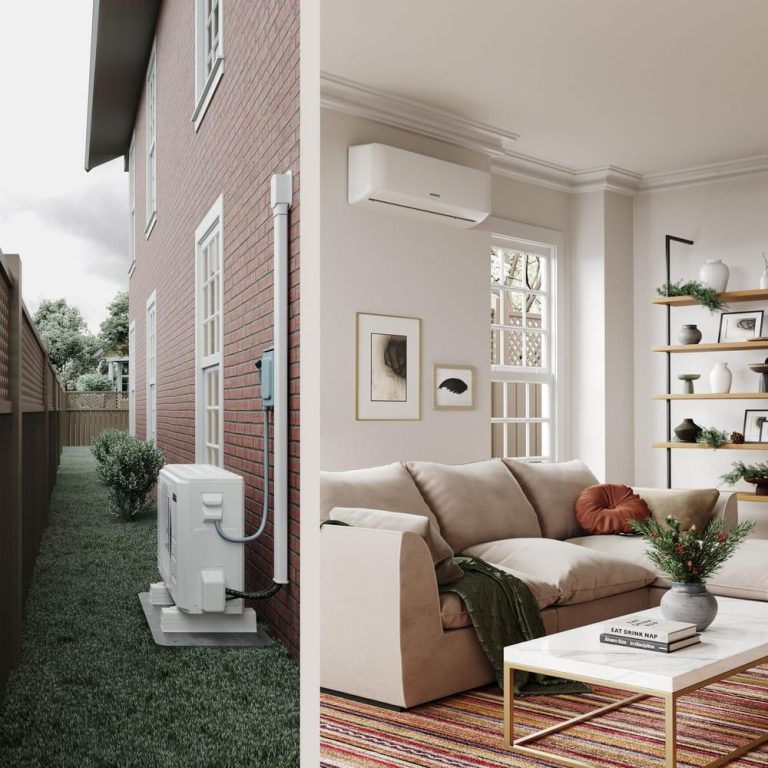
This direct delivery is especially helpful in homes where adding ducts would be invasive or expensive. Instead of opening walls and ceilings, a ductless system uses an outdoor unit connected to indoor units through small refrigerant lines. For many older homes, this means improved comfort with less renovation disruption. Ductless energy savings are not only about lower bills, but also about avoiding inefficient workarounds like window AC units, portable heaters, or constantly running fans to move air between rooms.
Direct Room Conditioning
A ductless indoor unit heats or cools the air in the room or zone where it is installed. This makes the system more responsive to local comfort needs. If the upstairs bedroom is hot but the main floor is fine, only that bedroom zone needs extra cooling. This targeted approach is a major source of ductless energy savings in older homes.
Better Fit For Non-Ducted Homes
Homes with radiators, boilers, or baseboards often face expensive duct installation if homeowners want central cooling. Ductless systems avoid that problem. A Mini Split can serve one room, while a multi zone design can handle several rooms without major renovation. This makes ductless energy savings more accessible for older homes that were never built for central air.
Zoning: The Heart Of Ductless Energy Savings
Zoning is one of the strongest reasons older homeowners choose ductless systems. A zone is an area controlled by its own indoor unit, such as a bedroom, living room, basement, or addition. Ductless energy savings happen because you can reduce energy use in spaces you are not using while keeping occupied rooms comfortable. This is different from many central systems that condition the whole house based on one thermostat.
Zoning also solves comfort conflicts. If one person wants a cooler bedroom at night and another wants a warmer living area, separate zones allow both preferences without forcing the whole house to one setting. This is especially useful in older homes where rooms are separated by walls, doors, staircases, and different insulation conditions. A well designed Ductless Heat Pump system can provide heating and cooling in zones that match how the home is actually used.
Room By Room Control
Room by room control helps avoid wasted energy. You can cool the upstairs bedrooms at night, reduce cooling in unused rooms, and keep the main floor comfortable during the day. These simple changes support ductless energy savings without requiring homeowners to sacrifice comfort.
Best Zones For Older Homes
The best zones are usually the rooms with daily use and the rooms with comfort problems. Common choices include primary bedrooms, upper floors, finished basements, home offices, and back additions. Ductless Air Conditioning can target summer hot spots, while a heat pump based plan can support comfort in both summer and winter.
Inverter Technology And Steady Operation
Modern ductless systems use inverter driven compressors that can adjust output instead of turning fully on and off all the time. This helps ductless energy savings because the system can run at a lower, steadier speed once the room is comfortable. In older homes, where loads can change throughout the day due to sun exposure and drafts, this modulation can help maintain comfort without dramatic temperature swings.
Traditional systems often cycle between full power and off. That can create uneven comfort, especially in older rooms that heat up or cool down quickly. A ductless system can ramp up when needed, then settle into a quieter and more efficient operating range. Ductless energy savings are strongest when the system is properly sized, because an oversized unit may short cycle and an undersized unit may run too hard during extreme weather.
Why Steady Output Feels Better
Steady output keeps the room closer to the desired temperature. Instead of waiting for a room to get uncomfortable before the system turns on again, an inverter system can maintain comfort gradually. This supports ductless energy savings because the system avoids repeated hard starts and long recovery periods.
Sizing Still Matters
Even advanced equipment cannot overcome poor sizing. A proper design should consider insulation, windows, room size, ceiling height, sun exposure, and air leakage. Go Ductless Inc. focuses on correct sizing because ductless energy savings depend on matching equipment to the real needs of the home.
Heating Savings In Older Canadian Homes
Many older Canadian homes use electric baseboards, oil, or older heating equipment in certain areas. In these situations, ductless energy savings can be significant because heat pumps transfer heat rather than generate it directly. Natural Resources Canada explains that heat pumps provide heating and cooling by transferring heat, which is why they can be energy efficient for year round comfort.
In older homes, ductless heating can be used in different ways. Some homeowners use it as the primary comfort source in key zones. Others use it to reduce reliance on older or less efficient heating systems while keeping existing heat as backup. This flexible approach supports ductless energy savings without requiring every part of the house to be upgraded at once. It also helps homeowners improve comfort in rooms that have always been hard to heat.
Replacing Or Reducing Baseboard Use
Electric baseboards create heat directly from electricity. A ductless heat pump can often deliver more heat per unit of electricity because it moves heat instead. In older homes with high baseboard use, this can support strong ductless energy savings, especially in frequently used rooms.
Hybrid Heating Strategies
Some homeowners keep their existing heating system and add ductless zones where they need better comfort. This hybrid approach can reduce energy use in key areas while providing backup during extreme cold. It is often a practical option for older homes where a full system replacement is not the first step.
Cooling Savings Compared With Window Units
Older homes often rely on window air conditioners because they do not have central air. While window units can help, they are often noisy, less efficient, and limited to one room. They can also block windows, create security concerns, and allow air leakage around the installation. Ductless energy savings can come from replacing multiple window units with a more efficient zoned cooling system.
A ductless system is also better at comfort control. It can run quietly, distribute air more evenly, and reduce humidity more consistently than many temporary cooling options. For older homes where summer comfort is uneven, a Ductless Air Conditioning plan can target the rooms that need cooling most. Ductless energy savings come from higher efficiency, better zoning, and fewer gaps where outdoor air leaks inside.
Better Humidity Control
Humidity affects comfort. If indoor air feels damp, homeowners often lower the temperature to feel cooler, which increases energy use. A properly sized ductless system can help manage humidity more steadily. This supports ductless energy savings because the room may feel comfortable at a slightly higher temperature.
Less Window Leakage
Window units can leave gaps around the frame, especially in older windows. Those gaps allow warm outdoor air to enter and cooled air to escape. Ductless systems avoid this issue because the indoor unit is mounted inside and connected through a small sealed opening.
Ways Ductless Systems Help Older Homes
Older homes have many small energy challenges that add up over time. Ductless systems help by targeting comfort more precisely and avoiding many of the losses that come with ducted or temporary systems. These practical benefits are why more homeowners are asking about ductless energy savings before planning major renovations.
Here is one random list of ways ductless systems can help older Canadian homes:
- Reduce reliance on inefficient window AC units
- Avoid energy losses from leaky or poorly designed ducts
- Improve comfort in closed door bedrooms
- Heat and cool additions without extending ductwork
- Reduce baseboard use in high traffic rooms
- Improve comfort in finished basements and home offices
- Let homeowners condition only occupied rooms
- Support quieter cooling compared with many portable units
Pairing Ductless With Home Efficiency Upgrades
Ductless energy savings are strongest when the home itself is improved too. Older homes often benefit from attic insulation, air sealing, window improvements, and better weatherstripping. These upgrades reduce heat loss in winter and heat gain in summer, which allows the ductless system to run less often and at lower output. The system performs better because the home is easier to heat and cool.
Natural Resources Canada shares information about home energy efficiency programs and initiatives that can help homeowners understand efficiency upgrades. If you are planning a ductless project, it is wise to check current program details and eligibility requirements before assuming incentives apply, because program rules can change.
Air Sealing Before Equipment Sizing
Air sealing can reduce drafts and heat loss, which may change the size of system your home needs. If you plan to make major insulation upgrades, discuss that before finalizing equipment. A smaller or differently zoned system may be possible once the home’s load is reduced.
Insulation And Comfort Stability
Better insulation helps rooms hold temperature longer. That improves comfort and supports ductless energy savings because the system does not need to work as hard to replace lost heating or cooling. Even simple improvements can make a noticeable difference in older homes.
Common Mistakes That Reduce Ductless Energy Savings
A ductless system can be efficient, but only if it is designed and installed correctly. One common mistake is using one indoor unit to serve several closed door rooms. Another is placing an indoor head where furniture, curtains, or walls block airflow. These mistakes reduce comfort and can limit ductless energy savings because the system must work harder to satisfy the space.
Another mistake is choosing equipment based only on price or brand without confirming the zone plan. Premium equipment can underperform if sizing is wrong. Budget equipment can also disappoint if it lacks the performance needed for Canadian seasons. Go Ductless Inc. helps homeowners avoid these issues by planning around home layout, load, airflow, and long term comfort goals.
Poor Indoor Unit Placement
Indoor units need a clear path for air to move across the room. If a unit is tucked into a corner or blocked by curtains, air may short cycle near the unit and leave the rest of the room uncomfortable. Good placement is essential for ductless energy savings.
Skipping Maintenance
Dirty filters reduce airflow and make the system work harder. Cleaning filters regularly is one of the easiest ways to protect ductless energy savings. Outdoor units should also stay clear of leaves, snow, and stored items so airflow remains strong.
Why Choose Go Ductless Inc.
Go Ductless Inc. understands the comfort challenges of older Canadian homes. We know that every home is different, especially when rooms have been renovated, additions have been added, or original heating systems were never designed for modern cooling. Our approach to ductless energy savings starts with careful assessment, zone planning, correct sizing, and clean installation. We do not recommend equipment before understanding how your home behaves.
We also help homeowners choose the right solution. A Mini Split may be ideal for one difficult room. A Ductless Heat Pump can provide year round heating and cooling in key areas. Ductless Air Conditioning can solve summer hot spots without ductwork. For homeowners comparing premium equipment, Mitsubishi Electric M-Series and Daikin Ductless options can be reviewed based on comfort needs, efficiency goals, and budget. Our goal is to help you achieve practical ductless energy savings while improving everyday comfort.
Start Saving Energy In Your Older Home With Go Ductless Inc.
Older Canadian homes often waste energy because of air leaks, uneven insulation, missing ductwork, and rooms with very different comfort needs. Ductless energy savings happen because these systems avoid duct losses, support room by room control, use inverter technology, and allow homeowners to target the rooms they use most. When paired with smart insulation and air sealing improvements, ductless systems can make older homes feel more modern, comfortable, and efficient.
If you live in Toronto or the GTA and want to explore ductless energy savings for your older home, contact Go Ductless Inc. We can assess your layout, identify the best zones, and recommend the right system pathway, whether that is a Mini Split for one problem room, a Ductless Heat Pump for year round comfort, Ductless Air Conditioning for summer relief, or premium options like Mitsubishi Electric M-Series and Daikin Ductless.
Frequently Asked Questions
- How do ductless energy savings happen in older homes?
Ductless energy savings happen through zoning, inverter operation, reduced duct losses, and the ability to heat or cool only the rooms you use. - Are ductless energy savings better in homes without ducts?
Yes, ductless energy savings can be strong in homes without ducts because you avoid the cost and energy loss of adding ductwork. - Can ductless energy savings help if I use electric baseboards?
Yes, a ductless heat pump can often reduce reliance on electric baseboards because it transfers heat rather than generating heat directly. - Do window AC units reduce ductless energy savings if I keep using them?
Using window units in the same areas may reduce ductless energy savings because you are running extra equipment instead of using the ductless zone efficiently. - What home upgrades improve ductless energy savings?
Air sealing, attic insulation, weatherstripping, and better window coverings can improve ductless energy savings by reducing heat gain and heat loss. - Does poor placement reduce ductless energy savings?
Yes, poor placement can block airflow and make the system work harder, which reduces ductless energy savings and comfort. - When should I call Go Ductless Inc. about ductless energy savings?
Call when you want a room by room assessment of your older home and a ductless plan designed for comfort, efficiency, and long term savings.