Choosing a new cooling system is a major decision for any homeowner. Many people are now turning to ductless technology because it offers energy efficiency, flexible installation, and personalized comfort without requiring extensive ductwork.
If you’re considering a ductless air conditioner installation, understanding the process beforehand can help you feel more confident about your investment.
Whether you’re replacing an outdated system, renovating your home, or adding cooling to a new space, knowing what to expect can make the experience smoother and stress-free.
GO DUCTLESS INC helps homeowners understand every stage of the installation process so they can make informed decisions about their home’s comfort.
Why Homeowners Choose Ductless Systems
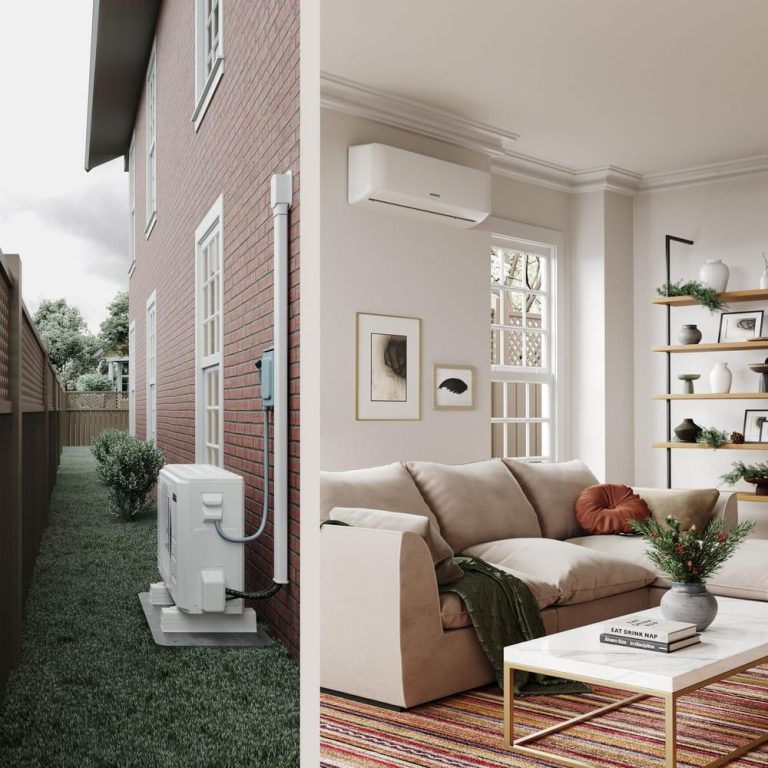
A ductless ac mini split system provides heating and cooling without traditional air ducts.
Instead, the system consists of:
- An outdoor compressor unit
- One or more indoor air handlers
- Refrigerant lines
- Electrical connections
These systems are becoming increasingly popular because they offer:
- Energy efficiency
- Easy installation
- Zoned comfort control
- Quiet operation
- Improved indoor air quality
For many homeowners, a ductless mini split is a practical alternative to a traditional HVAC system.
Step 1: Initial Home Assessment
The ductless air conditioner installation process begins with a professional consultation.
An experienced air conditioning company will evaluate your property to determine the best system for your needs.
During this assessment, technicians typically review:
- Home size
- Room layout
- Insulation levels
- Existing HVAC equipment
- Cooling requirements
- Heating needs
This evaluation ensures the system is properly sized for maximum performance and efficiency.
Why Proper Sizing Matters
Choosing a system that is too large or too small can create problems.
Oversized systems may:
- Waste energy
- Increase utility bills
- Create uneven temperatures
Undersized systems may:
- Struggle to cool rooms
- Operate continuously
- Experience excessive wear
Professional sizing helps ensure long-term comfort and efficiency.
Step 2: Choosing the Best Indoor Unit Locations
Once the system size is determined, technicians identify the ideal locations for indoor air handlers during the ductless air conditioner installation process.
Proper placement is important because it affects:
- Airflow distribution
- Cooling performance
- Energy efficiency
- Room comfort
Indoor units are often installed:
- High on walls
- In living rooms
- In bedrooms
- In home offices
- In finished basements
The goal is to maximize airflow while maintaining an attractive appearance.
Factors Considered During Placement
Technicians evaluate:
- Room dimensions
- Furniture placement
- Window locations
- Ceiling height
- Traffic patterns
These details help ensure optimal comfort throughout the space.
Step 3: Determining Outdoor Unit Placement
The outdoor compressor is another important component of the installation.
Technicians choose a location that provides:
- Proper airflow
- Easy maintenance access
- Protection from debris
- Stable mounting surfaces
The outdoor unit may be installed:
- Beside the home
- On a concrete pad
- On wall-mounted brackets
- In designated outdoor equipment areas
Proper placement supports efficient operation and long-term durability.
Step 4: Preparing for Installation Day
Many homeowners are surprised by how simple a ductless air conditioner installation can be.
Unlike traditional HVAC systems that require extensive ductwork, ductless installations typically involve minimal disruption.
Before installation day, homeowners may be advised to:
- Clear work areas
- Remove obstacles near installation locations
- Ensure easy access to electrical panels
- Secure pets if necessary
Most installations can be completed within a single day, depending on system complexity.
Step 5: Mounting Indoor Units
The ductless air conditioner installation process officially begins with mounting the indoor air handlers.
Technicians carefully secure the units to interior walls.
During this step they:
- Measure placement precisely
- Install mounting brackets
- Verify structural support
- Ensure proper leveling
Accurate installation helps maintain efficient airflow and system performance.
Why Proper Mounting Is Important
Improperly installed units can lead to:
- Water drainage issues
- Reduced airflow
- Increased noise
- Lower efficiency
Professional installation helps avoid these problems.
Step 6: Creating the Wall Opening
A small opening is required to connect the indoor and outdoor components.
This opening allows space for:
- Refrigerant lines
- Electrical wiring
- Drainage tubing
Unlike central HVAC installations, this opening is typically only a few inches wide.
Many homeowners appreciate how little structural modification is required.
Step 7: Installing Refrigerant Lines and Wiring
The indoor and outdoor units communicate through a series of connections.
These include:
- Refrigerant piping
- Communication wiring
- Electrical connections
- Drainage tubing
Technicians carefully route these components through protective coverings to maintain a clean appearance.
This step is critical for reliable system performance.
Step 8: Mounting the Outdoor Unit
During ductless air conditioner installation, the outdoor unit is then installed in its designated location.
Technicians secure the compressor using appropriate mounting methods.
Common installation options include:
- Ground-mounted pads
- Elevated platforms
- Wall brackets
The outdoor unit must remain level and stable for proper operation.
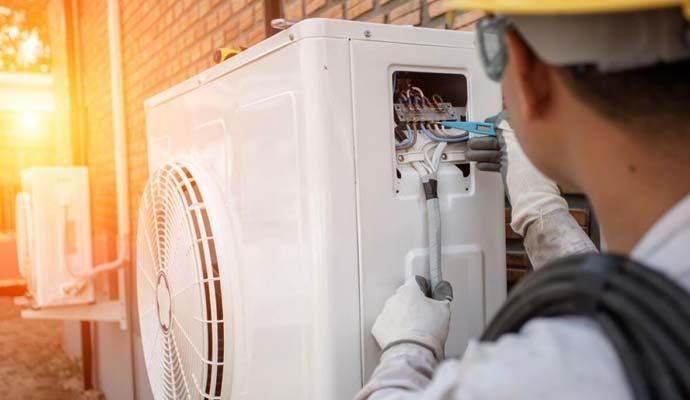
Step 9: Electrical Connections
Every split air conditioning system requires dedicated electrical connections.
Licensed professionals ensure the system receives the correct power supply.
During this stage technicians:
- Connect electrical wiring
- Verify voltage requirements
- Test safety features
- Confirm proper grounding
Electrical work should always be performed by qualified professionals.
Step 10: Vacuum and Refrigerant Testing
Before the system is activated, technicians perform important testing procedures.
These include:
- Vacuum testing
- Leak detection
- Refrigerant verification
The purpose is to ensure:
- Proper pressure levels
- No refrigerant leaks
- Optimal system efficiency
This step protects system performance and longevity.
Step 11: System Startup and Performance Testing
Once installation is complete, the system is powered on.
Technicians evaluate:
- Cooling performance
- Airflow strength
- Temperature control
- Thermostat response
- Remote control functionality
This final testing ensures everything operates correctly before the project is completed.
Step 12: Homeowner Orientation
A quality air conditioning company will explain how the system works before leaving.
Homeowners typically receive guidance on:
- Temperature settings
- Operating modes
- Remote controls
- Wi-Fi features
- Filter cleaning
- Maintenance recommendations
This helps homeowners feel comfortable using their new system.
How Long Does Installation Take?
Many homeowners ask about installation timelines.
A typical ductless mini split installation may take:
- Several hours for a single-zone system
- One full day for most residential projects
- Longer for larger multi-zone systems
Project complexity determines the exact timeline.
Benefits You’ll Notice After Installation
Once your ductless air conditioner installation is complete, several benefits become immediately noticeable.
Better Energy Efficiency
Ductless systems eliminate energy losses associated with ductwork.
This often results in lower utility costs.
Consistent Comfort
Room-by-room temperature control helps eliminate hot and cold spots.
Quiet Operation
Indoor units operate quietly compared to many traditional systems.
Improved Air Quality
Many systems include advanced filtration technologies that help reduce indoor contaminants.
Flexible Temperature Control
Each zone can be adjusted independently based on comfort preferences.
Common Mistakes to Avoid
Homeowners can maximize their investment by avoiding common mistakes.
These include:
- Choosing the wrong system size
- Hiring inexperienced installers
- Ignoring maintenance requirements
- Blocking airflow around units
- Delaying professional servicing
Working with experienced professionals helps ensure successful results.
Why Professional Installation Matters
Although some homeowners explore DIY options, professional installation provides important advantages.
Experienced technicians understand:
- Proper sizing calculations
- Electrical requirements
- Refrigerant management
- Airflow optimization
- Building code compliance
Professional ductless air conditioner installation helps protect manufacturer warranties while improving long-term system performance.
GO DUCTLESS INC works with homeowners to ensure every ductless air conditioner installation is completed correctly and efficiently.
Preparing for Long-Term Maintenance
After installation, routine maintenance helps preserve performance.
Recommended maintenance includes:
- Cleaning air filters regularly
- Scheduling annual inspections
- Keeping outdoor units clear
- Monitoring system performance
These simple practices help maximize efficiency and equipment lifespan.
Final Thoughts
Understanding what happens during a ductless air conditioner installation helps homeowners prepare for a smooth and successful project.
From the initial home assessment to final system testing, every step plays an important role in ensuring long-term comfort, efficiency, and reliability.
Whether you’re upgrading an older HVAC system or exploring modern cooling solutions for the first time, a professionally installed ductless system can provide years of dependable performance while helping reduce energy costs and improve indoor comfort.
FAQs
1. How long does ductless air conditioner installation take?
Most residential installations are completed within one day, depending on the number of indoor units and system complexity.
2. Is a ductless AC mini split difficult to install?
Professional installation is recommended because the process involves refrigerant lines, electrical work, and system testing.
3. Can a ductless mini split cool multiple rooms?
Yes. Multi-zone systems can connect several indoor units to one outdoor compressor.
4. Does installation require major renovations?
No. Ductless systems only require a small wall opening for refrigerant lines and wiring.
5. How often should a split air conditioning system be serviced?
Most systems should receive professional maintenance at least once per year.
6. Why should I hire a professional air conditioning company?
Professional installation ensures correct sizing, safe operation, energy efficiency, and warranty protection.