Planning a new cooling system can feel overwhelming, especially if you are not sure what happens before, during, and after installation day. The good news is that ductless AC installation is usually cleaner, faster, and less invasive than adding traditional ductwork, but the results still depend on proper planning. At Go Ductless Inc., we help homeowners across Toronto and the GTA understand the full process so they know exactly what to expect before any work begins.
A successful ductless AC installation is not just about mounting an indoor unit and connecting it to an outdoor unit. It involves assessing your home’s layout, choosing the right number of zones, confirming electrical needs, planning line set routes, managing drainage, testing system performance, and explaining how to operate and maintain the system. This guide walks you through the entire process from consultation to final walkthrough, so you can feel confident about your project.
Step 1: The Initial Home Assessment
The first step in ductless AC installation is a home assessment. During this stage, the contractor looks at your layout, room sizes, insulation, sun exposure, ceiling height, and existing comfort issues. This matters because ductless systems are zone based. A bedroom that gets afternoon sun may need a different solution than a shaded basement or an open concept living room. A careful assessment helps make sure the system is designed for real conditions, not rough guesses.
Go Ductless Inc. also asks how your household uses each space. Do bedroom doors stay closed at night? Is one room always warmer than the rest? Do you need cooling only, or are you considering year round comfort with a heat pump? These questions shape the ductless AC installation plan. When the assessment is done correctly, the final system is more likely to cool evenly, run quietly, and avoid wasted capacity.
What The Contractor Should Check
A professional ductless AC installation assessment should include indoor unit locations, outdoor unit placement, electrical access, line set routing, drain options, and possible obstacles like finished walls or landscaping. The contractor should also check whether a single zone, multi zone, or room by room approach makes sense. This is where service options like Mini Split, Ductless Air Conditioning, and Ductless Heat Pump can be discussed naturally based on your goals.
Why Guesswork Leads To Poor Comfort
Guessing by square footage alone can create problems. If the unit is too small, it may run constantly and still struggle during hot weather. If it is too large, it may cool too quickly without removing enough humidity. A proper ductless AC installation starts with load thinking, zone planning, and airflow strategy so the equipment fits the home instead of forcing the home to adapt to the equipment.
Step 2: Choosing The Right System And Zones
After the assessment, the next part of ductless AC installation is choosing the system type. Some homes need one indoor unit for a single room or open area. Others need multiple indoor units for bedrooms, basements, additions, or different floors. The right number of zones depends on layout, door habits, and where comfort problems happen today.
This is also the stage where brand and model selection matters. Homeowners may compare equipment options such as Mitsubishi Electric M-Series or Daikin Ductless, especially if they want quiet operation, strong efficiency, and refined control. Still, brand choice should come after design. The best ductless AC installation result comes from matching the system to the zone plan, then selecting equipment that supports that plan.
Single Zone Installation
A single zone ductless AC installation connects one outdoor unit to one indoor unit. This is common for bedrooms, home offices, garages, additions, and finished basements. It is often the simplest and most affordable path because there is only one indoor head, one line set, and one main comfort target.
Multi Zone Installation
A multi zone ductless AC installation connects one outdoor unit to multiple indoor units. This allows independent temperature control in several areas. It is ideal when bedrooms stay closed, when floors have different comfort needs, or when a home has multiple problem rooms. Multi zone planning requires careful matching because the outdoor unit shares capacity across the indoor units.
Step 3: Planning Indoor And Outdoor Unit Placement
Placement is one of the most important parts of ductless AC installation. Indoor units need a clear airflow path so they can distribute cool air across the room. A unit placed too close to a corner, blocked by curtains, or aimed directly at a bed can create drafts and uneven comfort. The goal is to place each indoor unit where air can move smoothly through the zone.
Outdoor unit placement also matters. The outdoor unit needs airflow, service access, and a stable mounting location. It should not be boxed in by fences, shrubs, storage items, or snow buildup areas. A good ductless AC installation plan considers both performance and practicality, including how the outdoor unit location affects line set length, noise, and future maintenance.
Best Indoor Placement Practices
Indoor units are usually installed high on a wall where they can move air across the room. The contractor should avoid spots where furniture, shelves, curtains, or door swings block airflow. In bedrooms, the unit should usually avoid blowing directly toward the bed. In living rooms, placement should support even distribution across the seating area without creating a cold blast.
Best Outdoor Placement Practices
Outdoor units should sit on a stable pad or bracket with enough clearance around them. The area should allow easy service access and clear airflow through the coil. If the unit will also be used for heating, winter conditions should be considered, including snow clearance and drainage around the outdoor unit.
Step 4: Preparing For Installation Day
Before ductless AC installation day, your contractor should confirm the equipment, installation plan, arrival window, and any homeowner preparations. You may need to move furniture away from indoor installation walls, clear access to the electrical panel, and ensure the outdoor area is available. These simple steps help the crew work efficiently and protect your home.
Most ductless AC installation projects are less disruptive than ducted HVAC work because they do not require large duct runs through walls and ceilings. Still, there will be drilling, mounting, line set routing, and electrical work. A professional crew should protect floors and work areas, explain what they are doing, and keep the space as clean as possible throughout the day.
What Homeowners Should Do Before The Crew Arrives
Clear the indoor wall area where the unit will be mounted, move fragile items, provide access to the outdoor unit location, and make sure pets or children stay safely away from work zones. If your installation includes multiple rooms, clear a path through hallways and stairways so equipment and tools can be moved easily.
What The Crew Brings
The installation crew typically brings the indoor and outdoor units, line sets, drain materials, mounting hardware, tools, vacuum equipment, electrical components, and testing equipment. A proper ductless AC installation requires both mechanical and performance testing tools, not just basic hand tools.
Step 5: Mounting, Drilling, And Connecting The System
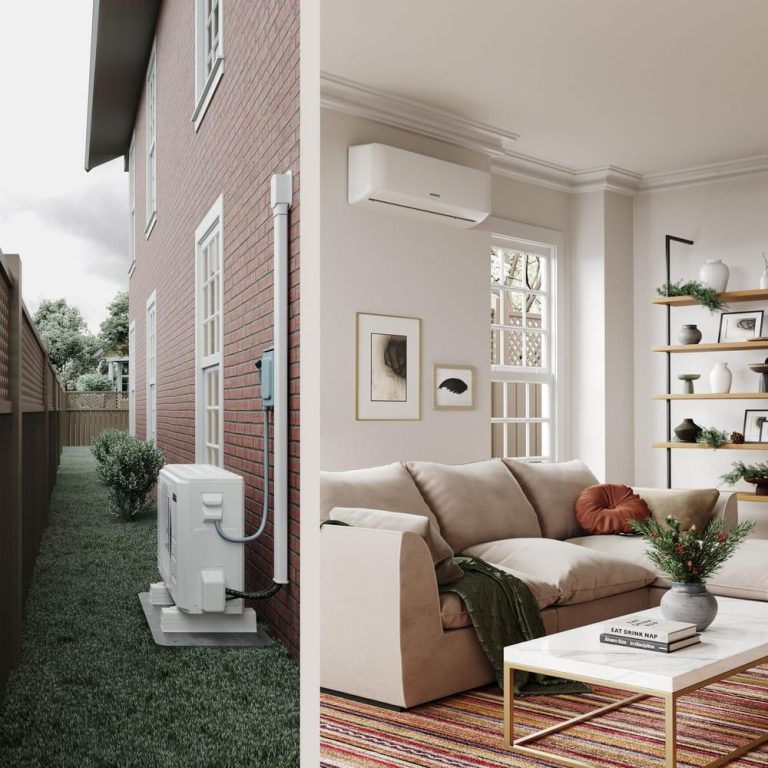
During the physical ductless AC installation, the indoor unit mounting plate is secured to the wall. Then a small opening is made for the refrigerant lines, drain line, and communication wiring. The indoor unit is mounted, the line set is routed, and the outdoor unit is set in place. The line set connects the indoor and outdoor components, allowing the refrigerant cycle to move heat out of the home.
The crew also manages condensate drainage. In cooling mode, moisture removed from indoor air becomes water that must drain safely away. Whenever possible, gravity drainage is preferred because it is simple and reliable. If gravity drainage is not possible, a condensate pump may be needed. Good drainage planning is essential because poor drain routing can lead to leaks, odors, or nuisance service calls after ductless AC installation.
Line Set Routing
Line sets should be routed neatly and protected where needed. Exterior line covers are often used to improve appearance and protect components from weather exposure. A clean line set route also helps with future service and reduces the risk of damage.
Condensate Drain Planning
Drainage should be planned before drilling begins. The drain line needs proper slope and a clear path. If a pump is required, it should be installed where it can be serviced. A quality ductless AC installation treats drainage as a major reliability detail, not an afterthought.
Step 6: Electrical Work And Safety Checks
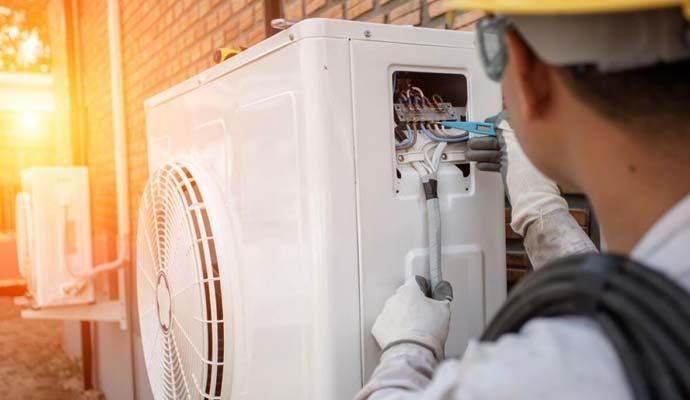
Ductless AC installation includes electrical work because the outdoor unit requires a dedicated power supply and proper disconnect. Depending on your home, the electrical scope may be simple, or it may require panel work, a new breaker, or coordination with a licensed electrician. Electrical readiness should be discussed during the quote stage so there are no surprises.
Safety checks are critical. The crew must confirm correct wiring, secure connections, and proper communication between the indoor and outdoor units. This stage helps protect equipment and ensures the system responds correctly to controls. Homeowners should avoid choosing an installer who treats electrical details casually, because mistakes can affect performance, reliability, and safety.
Why Electrical Scope Should Be Clear In The Quote
When comparing ductless AC installation quotes, always ask whether electrical work is included. Some quotes include it, while others exclude it or assume existing capacity. A clear quote should explain what electrical work is covered and what could add cost.
Testing Communication Between Units
Indoor and outdoor units must communicate correctly. If wiring or communication is incorrect, the system may show error codes or fail to operate. A proper installation includes startup checks to confirm the controls, fan, compressor, and modes respond as expected.
Step 7: Vacuum, Pressure Testing, And Commissioning
Commissioning is one of the most important parts of ductless AC installation, yet homeowners often do not know to ask about it. Before the system runs, the refrigerant lines must be properly prepared. The installer should pressure test to check for leaks and pull a vacuum to remove air and moisture from the refrigerant circuit. This protects performance and long term reliability.
After the system starts, the technician checks operating performance. This may include temperature split, refrigerant behavior, airflow, drain function, controls, and noise. A proper ductless AC installation is not finished just because the unit turns on. It is finished when the system is tested and confirmed to be operating correctly.
Why Vacuuming Matters
Moisture and air inside the refrigerant circuit can cause performance problems and long term damage. Vacuuming removes contaminants before the system is released for operation. This is one reason the cheapest ductless AC installation quote is not always the best value if proper testing is skipped.
Final Performance Check
The final performance check confirms that the unit cools properly, drains properly, and responds correctly to the remote or controls. If there are multiple zones, each indoor unit should be tested. This step helps catch issues before the crew leaves.
Things That Can Affect Installation Time
Every ductless AC installation is different. Some projects are completed quickly, while others take longer due to layout and access challenges. The list below includes common factors that can affect project timing and complexity.
- Number of indoor units being installed
- Length and difficulty of line set routes
- Wall type, such as brick, concrete, or finished surfaces
- Outdoor unit mounting location
- Electrical panel access and breaker availability
- Need for a condensate pump
- Tight attic, basement, or exterior access
- Weather conditions on installation day
Step 8: Homeowner Walkthrough And System Training
At the end of ductless AC installation, your contractor should walk you through the system. This includes how to use the remote, how to change modes, how to adjust fan and swing settings, and how to clean filters. The walkthrough is important because ductless systems work best when homeowners understand basic operation.
Go Ductless Inc. also explains how to avoid common mistakes like setting extreme temperatures, blocking airflow, or ignoring filter cleaning. Natural Resources Canada explains heat pumps as systems that can provide efficient heating and cooling, which is useful for homeowners who choose a ductless heat pump model for year round comfort.
Learning The Controls
Most ductless systems use a remote or smart control option. During the walkthrough, ask how to set Cool mode, Auto fan, swing direction, sleep settings, and timers. If the system includes multiple zones, ask how each zone should be managed for efficient comfort.
Filter Cleaning And Maintenance Basics
Filters should be cleaned regularly according to manufacturer guidance and household conditions. Homes with pets, dust, or heavy use may need more frequent cleaning. Health Canada notes that ventilation helps improve indoor air quality by removing pollutants and bringing in fresh air, which is why ductless comfort should be part of broader indoor air quality awareness.
Why Choose Go Ductless Inc.
Go Ductless Inc. understands that ductless AC installation is a complete comfort design process, not just a quick equipment install. We assess your rooms, map your comfort goals, plan indoor and outdoor unit locations, confirm drainage and electrical details, and commission the system so it performs correctly. Our process is built to help homeowners avoid common ductless problems like poor airflow, noisy operation, drainage issues, or wrong system sizing.
We also help you choose the right service pathway. If you need targeted comfort in one room, a Mini Split setup may be the right fit. If you want cooling focused comfort across key rooms, Ductless Air Conditioning planning can solve hot spots and improve airflow. If you want heating and cooling from one system, a Ductless Heat Pump design may be best. For homeowners comparing premium equipment, Mitsubishi Electric M-Series and Daikin Ductless options can be reviewed based on your home’s layout and long term comfort goals.
Get Professional Ductless AC Installation From Go Ductless Inc.
A professional ductless AC installation should feel organized from start to finish. It begins with a home assessment, continues through careful zone design and placement planning, and ends with proper testing, commissioning, and homeowner training. When each step is done correctly, the result is a clean, efficient cooling system that delivers comfort where you need it most without the disruption of traditional ductwork.
If you are in Toronto or the GTA and want a ductless AC installation that is planned properly, contact Go Ductless Inc. We can assess your home, recommend the right zone plan, and help you choose the best system for your comfort goals, whether that is a Mini Split, Ductless Air Conditioning, a year round Ductless Heat Pump, or premium options like Mitsubishi Electric M-Series or Daikin Ductless.
Frequently Asked Questions
- How long does ductless AC installation usually take?
Ductless AC installation can often be completed in one day for a simple single zone system, while multi zone projects may take longer depending on complexity. - Is ductless AC installation messy?
Ductless AC installation is usually less invasive than adding ductwork, but there will be drilling, mounting, and line set routing. A professional crew should protect work areas. - Do I need electrical work for ductless AC installation?
Yes, ductless AC installation usually requires a dedicated electrical connection and proper disconnect for the outdoor unit. - Where should indoor units go during ductless AC installation?
Indoor units should be placed where airflow can move across the room without being blocked by furniture, curtains, or tight corners. - Can ductless AC installation include heating too?
Yes, if you choose a ductless heat pump, ductless AC installation can provide both cooling and heating. - What should I ask before ductless AC installation starts?
Ask about zone design, equipment model numbers, line set routing, condensate drainage, electrical scope, warranty, and commissioning steps. - How do I maintain the system after ductless AC installation?
After ductless AC installation, clean filters regularly, keep airflow clear, keep the outdoor unit free of debris, and schedule service if cooling performance drops.