If you are thinking about replacing a furnace, baseboards, or an older heating system, you have probably asked the same question many homeowners ask first: can a whole house ductless heat pump actually keep an entire home warm and comfortable? The answer is yes in many homes, but the results depend on design, zoning, insulation, and realistic expectations about how heat moves through rooms. Go Ductless Inc. works with homeowners across Toronto and the GTA to design systems that deliver steady comfort without overpromising.
This guide explains what to expect from a whole house ductless heat pump, how it works in real homes, what factors affect performance, and how to plan zones so every room feels right. You will also learn when a whole house ductless heat pump is a perfect fit, when it needs support from backup heat, and what steps help you get the best value from your investment.
How A Whole House Ductless Heat Pump Works
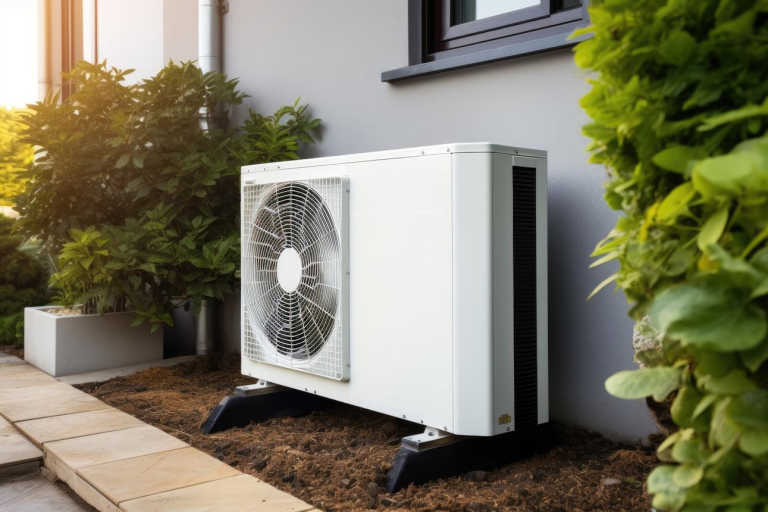
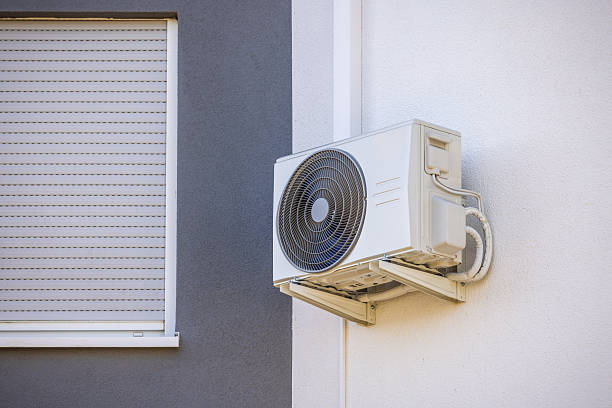
A whole house ductless heat pump uses refrigeration technology to move heat instead of creating heat through combustion or electric resistance. In heating mode, the outdoor unit pulls heat from outdoor air and delivers it indoors through one or more indoor units. This is why a whole house ductless heat pump can be efficient compared to many traditional electric heating methods, because it transfers heat rather than generating it directly.
The biggest difference between a whole house ductless heat pump and a central forced air system is zoning. Ductless systems heat the home through indoor units that serve specific areas, which means comfort is built room by room. When the system is designed properly, a whole house ductless heat pump delivers even temperatures, quiet operation, and strong efficiency, especially in homes where zoning matches how people actually live.
Heat Transfer Basics In Plain Language
A heat pump is like a two way air conditioner. It can move heat out of the house in summer and move heat into the house in winter. A whole house ductless heat pump uses a compressor and refrigerant cycle to make that transfer happen efficiently, even when it is cold outside. Natural Resources Canada explains heat pump basics in an easy to understand way, including how heat pumps provide heating and cooling.
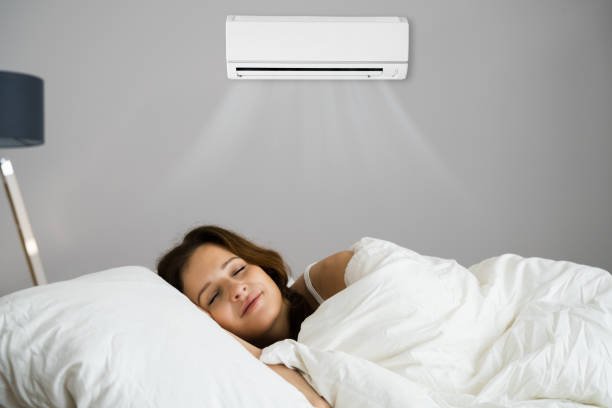
In real terms, you should expect your whole house ductless heat pump to run more steadily than a furnace. Instead of short blasts of very hot air, you get consistent warmth that holds temperature. Many homeowners find this feels more comfortable, especially when the system is zoned correctly and the indoor units are placed to distribute air gently.
Zoning Is The Heart Of Whole House Comfort
A whole house ductless heat pump is usually built around zones. A zone might be a living room and kitchen area, an upstairs bedroom area, or a finished basement. Zoning lets you heat the spaces you use most while keeping other areas comfortable without wasting energy. This is one reason a whole house ductless heat pump can feel both more comfortable and more efficient, because it avoids heating the entire home the same way at all times.
For internal linking in your final publish, this is where it is natural to reference service pages like Ductless Heat Pump, Mini Split, Mitsubishi Electric M-Series, and Daikin Ductless, since equipment selection and zoning style directly affect whole home performance.
What To Expect From Performance In Real Homes
Many homeowners expect a whole house ductless heat pump to behave exactly like a furnace. The comfort can be excellent, but the delivery style is different. You should expect steadier operation, more consistent temperatures, and less temperature swing between cycles. You should also expect that room layouts, doors, and airflow pathways matter more, because the system is not pushing air through ducts to every corner of the home.
A whole house ductless heat pump performs best when the home envelope is reasonably efficient. If your home has major air leakage, weak attic insulation, or lots of drafty windows, any system will work harder. With a whole house ductless heat pump, improving the envelope often delivers noticeable comfort gains and can lower operating costs because the system has less heat loss to overcome.
Cold Weather Expectations
A whole house ductless heat pump can heat effectively in Canadian conditions when the equipment is designed for cold climates and the home load is properly sized. Still, every heat pump experiences changes in capacity as outdoor temperatures drop. That does not mean it stops working, but it can mean it runs longer and draws more power during very cold days. What you should expect is that a well designed whole house ductless heat pump will keep comfort steady most of the season, with backup heat planned for extreme conditions if needed.
This is also why brand and model selection matters. Many homeowners compare options like Mitsubishi Electric M-Series or Daikin Ductless when planning a whole house ductless heat pump, because cold temperature capacity and control features vary across product lines. The right choice depends on your home, your comfort expectations, and your winter temperature profile.
Comfort Differences Between Floors
Multi level homes naturally create temperature differences. Warm air rises, basements stay cooler, and top floors can lose heat faster through attic areas. A whole house ductless heat pump can manage these differences, but the zone design must address them directly. In practice, that often means separate zones for main living areas and bedroom levels, and a thoughtful plan for basements or additions.
If you want even comfort across floors, expect that your whole house ductless heat pump design will include more than one indoor unit, or at least more than one zone. Trying to heat multiple floors from one indoor unit often leads to uneven results, especially when doors are closed.
Sizing And Design Factors That Make Or Break Results
The most important expectation to set is this: a whole house ductless heat pump is only as good as its design. Proper sizing is not based only on square footage. It should be based on a heat load calculation that considers insulation, air sealing, ceiling height, window exposure, and how the home is divided. When sizing is correct, a whole house ductless heat pump can run steadily and efficiently without struggling or cycling excessively.
Expect a good contractor to ask questions about comfort issues, cold rooms, door habits, and planned renovations. If you plan to upgrade insulation, replace windows, or finish a basement, those changes can reduce heat load and affect the best system size. Go Ductless Inc. treats these factors as part of the whole house ductless heat pump plan, not as separate problems.
Oversizing Versus Undersizing
Oversizing can cause short cycling and uneven dehumidification during shoulder seasons. Undersizing can cause the system to run at high output for long periods and still fall behind during cold snaps. A properly sized whole house ductless heat pump should have enough capacity to meet most conditions efficiently, with a clear plan for rare extremes.
A useful expectation is that a whole house ductless heat pump should feel steady. If it is constantly blasting and then going quiet, or if temperatures swing noticeably, that can be a sign of sizing or zoning issues. Proper design avoids those comfort swings.
Indoor Unit Placement Matters
Indoor units need clear airflow and smart placement relative to the rooms they serve. Placing an indoor unit where airflow is blocked by furniture, curtains, or tight corners can reduce performance. Placing a unit where it blows directly onto seating areas can create draft complaints. In whole home designs, placement also affects how well air spreads into adjacent areas like hallways and stairwells.
If a home has many closed door rooms, expect that a whole house ductless heat pump will need more zones to deliver even comfort. If the home is open concept, you can often cover larger areas with fewer zones. Your layout drives the zoning plan.
How Many Zones Do You Really Need?
Most homeowners want the fewest indoor units possible for simplicity and cost. That is understandable, but the expectation should be realistic. A whole house ductless heat pump works best when the zones match the home’s layout and the family’s habits. If you keep bedroom doors closed at night, those rooms act like separate boxes and need either their own indoor units or a design that specifically addresses that separation.
A good expectation is that the number of zones usually rises as the home becomes more compartmentalized. A compact open home might do well with two to three zones. A home with many bedrooms, an office, and a finished basement might need more. The goal is not to add indoor units unnecessarily. The goal is to prevent comfort problems that force the system to run harder and create hot and cold rooms.
Common Zoning Patterns That Work
A typical whole house ductless heat pump zoning plan includes a main living zone, a bedroom zone, and an optional basement zone. Some homes add a separate zone for an addition, a sunroom, or a home office with unique heat loss. When zoning is correct, the system can maintain comfort quietly because each zone only handles the load it was designed for.
If you need a dedicated room solution rather than a whole home design, a Mini Split service pathway is often the cleanest option, because it gives targeted control where comfort matters most without forcing one zone to do too much.
Multi Zone Outdoor Unit Expectations
Multi zone systems connect multiple indoor units to one outdoor unit. This is convenient and can look clean, but you should expect that the outdoor unit’s capacity is shared. If every zone calls for heat at the same time, output is distributed. This is normal. Good design accounts for this by matching outdoor unit capacity and indoor unit selection to realistic peak demand patterns.
If you want premium control and low temperature performance, this is where homeowners often explore Mitsubishi Electric M-Series. If you want alternative brand pathways, Daikin Ductless is another common consideration. Either way, the expectation should be that system matching and commissioning are more important than brand alone.
Random List Of Whole House Planning Mistakes To Avoid
A whole house ductless heat pump can deliver great results, but there are predictable mistakes that lead to disappointment. If you want the best experience, avoid the traps below and focus on good design, envelope efficiency, and realistic zoning.
Here is one random list of common mistakes that can undermine a whole house ductless heat pump plan:
- Expecting one indoor unit to heat a hallway and several closed bedrooms
- Skipping load calculation and sizing by square footage alone
- Ignoring attic air leaks that cause major heat loss
- Blocking indoor unit airflow with furniture or heavy curtains
- Placing indoor units where they create drafts on seating or beds
- Choosing an outdoor unit that is poorly matched to the number of zones
- Using extreme temperature setbacks that force constant recovery
- Not planning any backup heat strategy for rare extreme cold events
Energy Use And Operating Cost Expectations
Operating cost matters, and homeowners want a clear idea of what to expect. A whole house ductless heat pump can reduce energy use compared to older electric resistance heating, and it can be competitive with other heating methods depending on fuel costs and home efficiency. The largest driver of operating cost is how much heat your home loses and how many hours the system must run to replace that heat.
You should expect a whole house ductless heat pump to use more electricity during cold snaps, because it works harder and may run defrost cycles. This is normal. The best way to keep costs predictable is to improve insulation and air sealing, avoid extreme setbacks, and maintain clean airflow. When the system runs steadily at moderate output, it is often at its most efficient.
How To Use Setpoints For Better Efficiency
A common expectation shift is learning that steady setpoints often work better than aggressive up and down changes. Large setbacks can force the system to ramp up and work harder to recover, especially in the morning. A whole house ductless heat pump often performs best when it maintains a stable temperature, especially in winter. If you want to adjust temperatures, small changes are usually more comfortable and more efficient.
If you have zones, you can still reduce energy use by lowering setpoints in unused areas while keeping primary living zones comfortable. That is one of the biggest advantages of a whole house ductless heat pump.
Maintenance Expectations
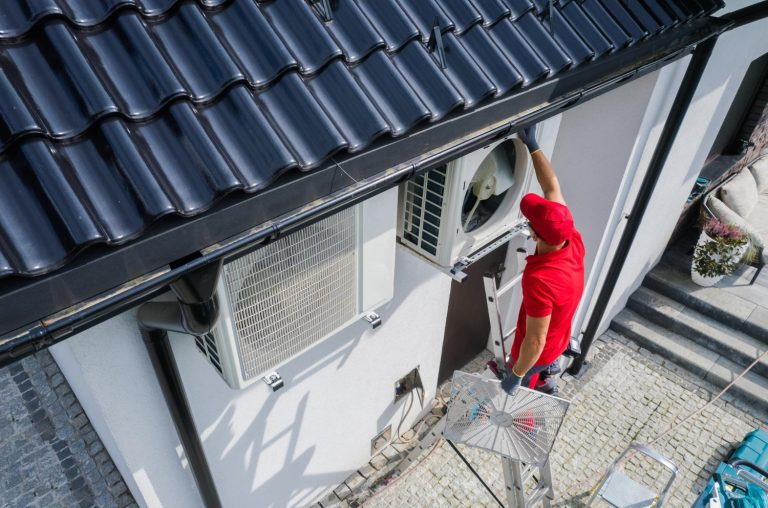
Expect to clean filters regularly, keep indoor airflow clear, and keep the outdoor unit free of debris. Maintenance is not complicated, but it matters. Dirty filters reduce airflow and can lower comfort. Outdoor coil blockage reduces heat transfer. Both can increase runtime and cost.
A simple maintenance habit supports the long term reliability of your whole house ductless heat pump and helps keep the system quiet and stable.
Why Choose Go Ductless Inc.
A whole house ductless heat pump is not a product you buy off a shelf. It is a comfort system that needs proper design, correct sizing, smart indoor unit placement, and careful commissioning. Go Ductless Inc. focuses on ductless solutions, and we build whole home plans that match real layouts and real household habits. That means we take zoning seriously, we look at insulation and air leakage realities, and we recommend solutions that make sense for your space instead of forcing a one size approach.
We also help homeowners choose the right service pathway based on goals. Many clients start with a Ductless Heat Pump design for year round comfort. Others want targeted upgrades using a Mini Split solution in key zones. If premium cold climate performance and refined controls are priorities, we can discuss Mitsubishi Electric M-Series options. If you are comparing brand alternatives, we can also guide you through Daikin Ductless configurations. Our goal is always the same: a whole house ductless heat pump plan that delivers comfort you can feel and performance you can trust.
Plan Whole House Comfort With A Ductless Heat Pump From Go Ductless Inc.
Whole home comfort with ductless is absolutely achievable, but expectations must be rooted in good design. A whole house ductless heat pump can heat many homes effectively when zoning matches the layout, sizing matches the heat load, and the home envelope is not leaking heat excessively. You should expect steady operation, consistent comfort, and the ability to control rooms independently, but you should also expect that closed door bedrooms and multi level temperature differences require smart zone planning.
If you want a clear answer for your home, contact Go Ductless Inc. We can assess your layout, recommend the right number of zones, and design a whole house ductless heat pump system that fits your comfort goals and your home’s real heating needs. Whether your plan includes a Ductless Heat Pump design, a Mini Split upgrade strategy, or premium options like Mitsubishi Electric M-Series or Daikin Ductless, we will help you understand what to expect and how to get the best long term results.
Frequently Asked Questions
- Can a whole house ductless heat pump replace a furnace in most homes?
A whole house ductless heat pump can replace a furnace in many homes if the system is sized correctly and zones match the layout. - How many indoor units does a whole house ductless heat pump usually need?
A whole house ductless heat pump often needs multiple zones, and the number depends on room separation and closed door habits. - Does a whole house ductless heat pump work well during very cold weather?
A whole house ductless heat pump can perform well with cold climate equipment, but capacity changes in deeper cold and backup heat may be planned. - Will a whole house ductless heat pump heat bedrooms with doors closed?
A whole house ductless heat pump can heat closed bedrooms best when those rooms have their own zones or a design that supports that wing. - What operating habits help a whole house ductless heat pump run efficiently?
Steady setpoints, clean filters, and reasonable zoning strategies help a whole house ductless heat pump run efficiently and comfortably. - Do I need backup heat with a whole house ductless heat pump system?
Some homes use backup heat for rare extreme cold events or high loss rooms, depending on climate and envelope conditions. - How do rebates relate to a whole house ductless heat pump upgrade?
Program details change over time, but NRCan provides guidance and information through the Canada Greener Homes Initiative.