Toronto laneway suites solve a big problem in a small footprint. They add much-needed housing in established neighbourhoods, but they also introduce a very specific comfort challenge: tight square footage, limited mechanical space, and year-round temperature swings that feel bigger in a compact home. If you want a suite that is comfortable in January and still pleasant during July heat waves, laneway suite HVAC planning needs to be intentional from day one.
At Go Ductless Inc., we design and install laneway suite HVAC systems that fit laneway suite realities: narrow lots, neighbour-friendly noise levels, efficient operation, and clean finishes that do not eat up usable space. In this guide, you will learn the best system types for laneway suites, how to size equipment for comfort, how to handle ventilation and humidity, and what to watch for during design and installation so your laneway suite HVAC plan works as well in real life as it does on paper.
What Makes Laneway Suite HVAC Different
Laneway suites behave differently than larger homes because every decision is magnified. A slightly oversized unit can short-cycle and struggle with humidity. A slightly undersized unit can feel like it is always chasing the setpoint. In a compact space, airflow paths are short, doors are close together, and one sun-exposed window wall can change temperatures across the entire suite. That is why laneway suite HVAC is less about “typical rules of thumb” and more about the actual layout, insulation levels, and daily use patterns.
Another key difference is mechanical space. Many laneway suites do not have a full basement for equipment, and storage is often built-in. That pushes designers toward compact, wall-mounted, or ceiling solutions, plus thoughtful placement of outdoor units to avoid noise issues and keep service access clear. A good laneway suite HVAC plan also considers future servicing, filter access, condensate drainage, and simple controls for tenants or family members who will live there.
How Small Footprints Change Comfort And Airflow
In small homes, temperature swings happen fast, especially when cooking, showering, or having multiple people in the space. The right laneway suite HVAC strategy uses steady, modulating output and avoids blasting air in one direction that creates drafts.
Why Zoning Matters More Than People Expect
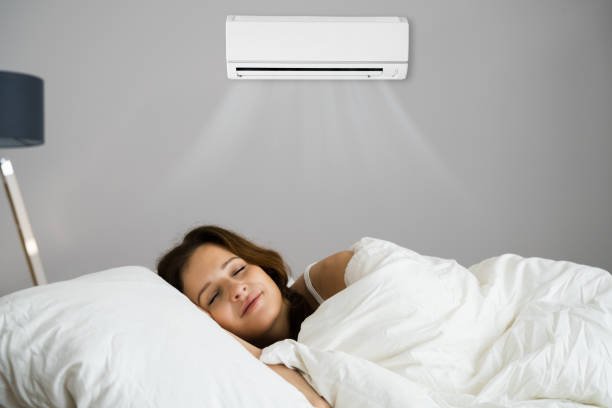
Even in a small suite, different zones can help. Bedrooms often need quieter airflow and cooler nighttime temperatures, while main living areas may need stronger daytime cooling. A smart laneway suite HVAC layout balances comfort without overcomplicating controls.
Best Heating And Cooling Systems For Laneway Suites
Most laneway suites in Toronto do best with electric, high-efficiency equipment that can heat and cool, because it simplifies the mechanical plan and reduces the need for multiple systems. In many cases, ductless mini splits or ductless heat pumps are the most practical laneway suite HVAC solution because they are compact, efficient, and allow room-by-room control without large duct runs. They also fit well with modern construction approaches commonly used in laneway suites.
That said, the “best” system depends on the suite’s envelope, the number of floors, and the design priorities. Some projects prefer ducted mini split air handlers for a cleaner look with short duct runs, while others choose a single-zone ductless system for maximum simplicity. The right laneway suite HVAC design is the one that matches the space, the budget, and the comfort expectations, especially for winter heating and summer humidity control.
Cold-Climate Ductless Heat Pumps
Cold-climate ductless heat pumps are a strong fit for Toronto because they can provide heating and cooling in one system, with output that ramps smoothly as demand changes. This helps comfort feel steady and reduces the harsh start-stop cycling that can be noticeable in small spaces. When we design laneway suite HVAC around cold-climate heat pumps, we focus on correct sizing, smart indoor unit placement, and outdoor unit location that protects performance and keeps noise reasonable.
Ducted Mini Split Air Handlers For A Clean Look
If you want fewer visible indoor units, a ducted mini split air handler can feed short duct runs to key areas. This can preserve aesthetics while still providing efficient heating and cooling. For laneway suite HVAC projects, ducted mini splits work best when duct runs are short and designed for low noise, with accessible filter and service locations.
Single-Zone Vs Multi-Zone Setups
Single-zone systems are great when one indoor unit can serve the whole suite effectively, especially in open-concept layouts. Multi-zone systems can be useful for two-storey suites where upstairs bedrooms need separate control. In laneway suite HVAC planning, the decision usually comes down to how separated the floors are, how doors are used, and whether you need true nighttime bedroom comfort independent of the living area.
When Electric Backup Heat Helps
Some designs include supplemental electric heat for rare extremes or specific rooms. This is not always necessary, but it can be helpful in bathrooms or entry areas. A good laneway suite HVAC plan keeps backup simple and avoids adding complexity that does not translate into real comfort.
Sizing And Zoning For Comfort In Small Spaces
Sizing is the heart of laneway suite HVAC success. A system that is too large can short-cycle, leaving the space cool but clammy. A system that is too small may run constantly and still feel uneven when outdoor temperatures swing. For laneway suites, we prioritize proper load calculations, realistic airflow planning, and equipment that can modulate smoothly at partial load, because most days are not “design day” extremes.
Zoning is the second lever. Even if your suite is small, zoning can improve comfort and reduce noise because equipment can run gently in the areas that need conditioning most. In laneway suite HVAC design, zoning also helps manage different solar exposures, like a south-facing living space that heats up during the day and a north-facing bedroom that stays cooler.
Load Calculations And Real-World Factors
A quality load calculation considers insulation, window specs, air sealing, shading, and the suite’s orientation. It also considers occupancy and internal gains from appliances and cooking. This is why laneway suite HVAC should never be chosen based only on square footage.
Avoiding Oversizing And Short Cycling
Oversizing is one of the most common mistakes in small homes. Short cycling increases wear, noise, and humidity problems. In laneway suite HVAC projects, we choose equipment that can run steadily at lower output for longer periods, which typically feels more comfortable.
Zoning Strategies That Keep Life Simple
The goal is not to create a complicated control system. It is to give the suite predictable comfort with minimal effort. In many laneway suite HVAC designs, the best zoning is one or two zones that match how the space is actually used, such as “main floor” and “bedroom level.”
Smart Thermostats And Remote Controls
Some systems use smart controls that simplify scheduling and temperature management. This can be helpful for rental suites where you want stable comfort without constant adjustments. In laneway suite HVAC planning, we choose controls that are easy to operate and easy to explain.
Ventilation, Humidity, And Air Quality
Laneway suites are often built tighter than older Toronto homes, which is good for efficiency but increases the importance of ventilation. Cooking, showers, and everyday living add moisture fast in a compact space. Without a solid plan, you can end up with condensation, lingering odours, and a space that feels stuffy even when it is cool. A complete laneway suite HVAC design includes ventilation and humidity control, not just heating and cooling.
Humidity control is especially important in summer. A system that removes moisture consistently makes the suite feel cooler at higher thermostat settings, which can reduce operating costs. For laneway suite HVAC, that means correct sizing, steady operation, and ventilation that supports fresh air without overwhelming the system’s ability to dehumidify.
HRV And ERV Options In Laneway Suites
Heat Recovery Ventilators and Energy Recovery Ventilators can provide fresh air while reducing energy loss. The best choice depends on how the suite is built and how moisture behaves in the space. In laneway suite HVAC projects, we focus on simple, serviceable ventilation that supports indoor air quality year-round.
Kitchen And Bath Exhaust That Actually Works
Proper exhaust fans matter more in small suites because moisture and odours spread quickly. We recommend quiet, effective fans and sensible duct routing. A strong laneway suite HVAC plan treats kitchen and bath exhaust as essential, not optional.
Filtration And Cleaner Air Basics
Good filtration supports comfort and reduces dust buildup. The best approach depends on the equipment type and how the suite is used. In laneway suite HVAC, we aim for filtration that is easy to access and easy to maintain.
Maintenance Access For Filters And Drains
Maintenance is only “easy” if you can reach the parts. In laneway suite HVAC design, we plan filter access, condensate drain routing, and service clearances so the system can be maintained without headaches.
Checklist For Laneway Suite HVAC
Most laneway suite HVAC problems come from small planning misses, not from equipment defects. A line set routed through the wrong area, a drain that is hard to service, or a ventilation plan that was never properly balanced can create years of frustration. This section is a practical, build-day style checklist you can use with your builder, designer, or HVAC contractor to keep the project on track.
If you are early in design, this checklist can also help you ask better questions before decisions get locked in. The best laneway suite HVAC outcomes happen when mechanical planning is coordinated with framing, electrical, and interior design, so everything fits cleanly without last-minute compromises.
- Confirm equipment locations and service clearances before framing closes
- Plan outdoor unit placement away from bedroom windows when possible
- Verify condensate drain routing and freeze protection details
- Confirm ventilation layout and where fresh air is delivered
- Check filter access and maintenance pathways
- Align electrical capacity and dedicated circuits early
- Confirm zoning plan and control locations
- Review noise and vibration isolation for mounts and pads
- Confirm commissioning steps and final performance checks
Pre-Drywall Mechanical Walkthrough
A short pre-drywall walkthrough can catch issues before they become expensive. For laneway suite HVAC, this is when we confirm line routing, drain paths, and placement for best airflow and aesthetics.
Commissioning And Balancing Expectations
Commissioning means testing operation, verifying airflow, and confirming settings. In laneway suite HVAC, commissioning is what turns a “new install” into a system that actually feels comfortable day to day.
Permits, Clearances, And Toronto Constraints
Toronto laneway suites come with real constraints: lot lines, access, servicing, and permitting requirements that can affect mechanical placement. Before you finalize your laneway suite HVAC plan, it is smart to confirm how the City wants permits submitted and what documentation is needed, especially as application processes shift more online. The City of Toronto’s New Laneway Suite guide is a helpful place to understand the permit pathway and application process.
Beyond permits, laneway suite HVAC planning should consider physical constraints like where you can place outdoor equipment, how airflow will be affected by tight yards, and how to keep systems serviceable. Good design respects setbacks, avoids blocking paths, and keeps equipment accessible for maintenance and repairs.
Outdoor Unit Placement In Tight Laneways
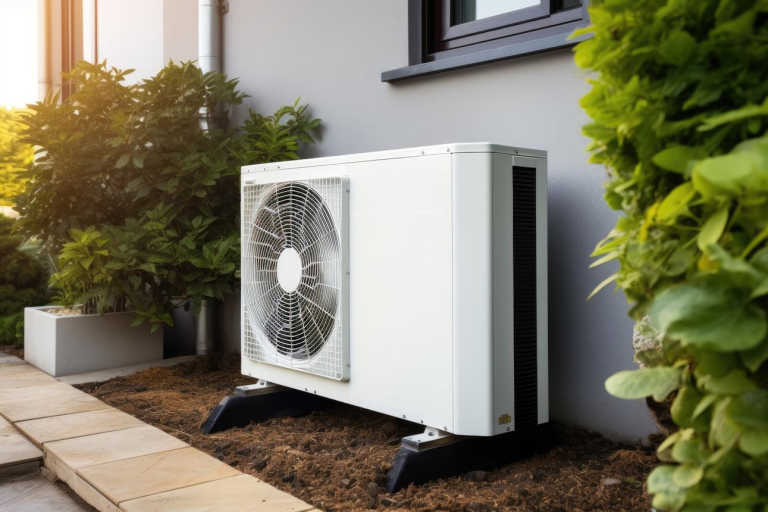
Outdoor equipment needs airflow, space, and a stable base. Tight lots can reflect sound and trap heat around equipment if it is crammed into corners. A quality laneway suite HVAC plan selects placement that supports performance and keeps neighbour impact low.
Snow, Drainage, And Seasonal Protection
Toronto winters bring snow and freeze-thaw cycles. Proper placement, elevation, and drainage planning protect equipment and reduce service issues. For laneway suite HVAC, seasonal resilience is part of long-term comfort.
Efficiency Guidance From Canadian Government Resources
For homeowner-friendly background on heat pump technologies and how they support efficient heating and cooling, Natural Resources Canada provides practical guidance that can help you understand system types and performance considerations.
Incentives And Program Details Change
Incentives and program rules can change, so we recommend confirming current eligibility at the time of your project. As part of laneway suite HVAC planning, we can explain how system selection may interact with available programs, and what documentation is typically needed.
Why Choose Go Ductless Inc.
Go Ductless Inc. designs laneway suite HVAC solutions that fit real Toronto laneway constraints, not generic suburban assumptions. We plan for tight mechanical spaces, neighbour-friendly sound, efficient zoning, and clean line routing that protects your interior design. Whether your suite is a rental unit, a family space, or a long-term investment, our goal is the same: laneway suite HVAC that performs reliably in every season with simple controls and a tidy finish.
We also keep the process practical. You get clear options, transparent recommendations, and an installation approach that coordinates with your builder or renovation timeline. Laneway suite HVAC works best when it is planned early, and we help you make those early decisions with confidence, so there are fewer surprises later.
Design-First System Selection
We start with your layout, envelope, window exposure, and how the suite will be occupied. That helps us choose equipment that is correctly sized and suited for steady comfort. This design-first approach is one of the most important factors in successful laneway suite HVAC.
Clean, Careful Installation Standards
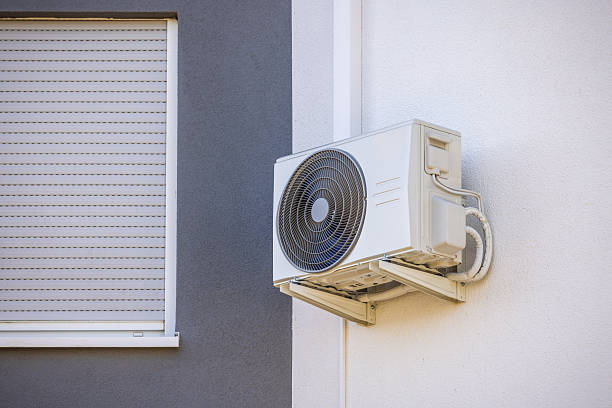
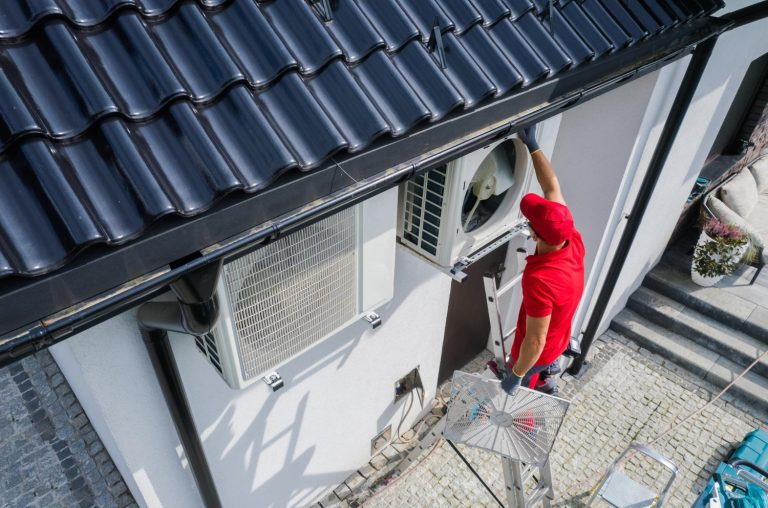
Our installs prioritize clean routing, proper mounting, vibration isolation, and service access. We commission the system so it performs as expected and we walk you through controls so you can operate your laneway suite HVAC confidently.
Long-Term Support And Maintenance Planning
Laneway suites are often used year-round, which means maintenance matters. We help you plan filter care, seasonal checks, and simple upkeep so your laneway suite HVAC stays efficient and dependable.
Straightforward Communication
You will know what we recommend and why. We keep the language clear and the plan organized so your project moves smoothly.
Build A Laneway Suite That Feels Comfortable All Year
The best laneway suite HVAC solution is the one that matches the space, runs steadily, controls humidity, and stays simple to operate. For many Toronto laneway suites, ductless heat pumps or compact ducted mini split systems deliver the best balance of efficiency, comfort, and low disruption. With proper sizing, thoughtful zoning, and a ventilation plan that fits a tight envelope, laneway suite HVAC can feel quiet, consistent, and reliable through Toronto’s full range of seasons.
If you are planning a new build or upgrading an existing laneway suite, Go Ductless Inc. can help you choose the right system, plan clean installation details, and deliver comfort that holds up in real life. Reach out today to discuss your laneway suite HVAC goals and get a clear estimate.
Frequently Asked Questions
- What is the best laneway suite HVAC option for a small two-storey suite?
For many layouts, laneway suite HVAC works best with a ductless or ducted mini split setup that provides steady heating and cooling with simple zoning. - How many zones should laneway suite HVAC include?
Most laneway suite HVAC designs work well with one or two zones, usually separating main living space from upstairs bedrooms for better night comfort. - Does laneway suite HVAC need an HRV or ERV?
Many tight builds benefit from ventilation equipment, and laneway suite HVAC planning often includes HRV or ERV options to support fresh air and humidity control. - Can laneway suite HVAC handle humidity in summer?
Yes, if the system is properly sized and commissioned. Correct sizing helps laneway suite HVAC run steadily and remove moisture effectively. - Where should the outdoor unit go for laneway suite HVAC in Toronto?
Placement depends on access, airflow, and noise considerations. A good laneway suite HVAC plan avoids tight reflective corners and keeps service access clear. - What is the biggest mistake people make with laneway suite HVAC?
Oversizing is common. Oversized laneway suite HVAC can short-cycle and struggle with humidity, making the suite feel cool but clammy. - How often should laneway suite HVAC be maintained?
Laneway suite HVAC benefits from regular filter checks and seasonal inspections to keep airflow strong, protect efficiency, and reduce unexpected service issues.