If you are comparing ductless heating and electric baseboards, you are probably feeling the same pressure many Toronto homeowners feel every winter: rising electricity bills, uneven comfort, and rooms that never seem to match the thermostat. The big question is simple, ductless vs baseboards, which is more efficient, and which one makes sense for your home and budget.
At Go Ductless Inc., we get this question daily because ductless vs baseboards is one of the most common upgrade decisions in homes with electric heat, condos, and older properties without ductwork. This guide breaks down efficiency in real terms, explains how each system uses electricity, and shows how to choose the right path for comfort, cost, and long term value.
How Electric Baseboards Actually Use Energy
Electric baseboards convert electricity directly into heat. That process is straightforward and predictable, but it also means the system can only deliver one unit of heat for each unit of electricity it consumes. In ductless vs baseboards comparisons, this matters because baseboards do not multiply heat output, they simply create heat by resistance.
Baseboards can still be a practical option in some spaces, especially for simple, low-use rooms or where upfront cost must stay minimal. But when homeowners ask ductless vs baseboards from an efficiency perspective, the biggest limitation is that baseboards cannot take advantage of heat pump technology that can deliver more heat per unit of electricity under many conditions.
Why Baseboards Feel Uneven In Real Homes
Baseboards heat near the perimeter of a room, and warm air rises from the heater, which can create warm and cool zones depending on furniture placement, drafts, and insulation. In ductless vs baseboards discussions, comfort matters because “efficient” does not help much if you still need to crank temperature settings to feel warm.
How Ductless Heating Works Differently
Ductless heating is usually delivered by a ductless heat pump. Instead of creating heat through resistance, a heat pump moves heat from one place to another. In winter, it pulls heat from outdoor air and moves it indoors. In ductless vs baseboards comparisons, this is a major shift because the system can often deliver more heating output than the electricity it consumes, depending on conditions and equipment.
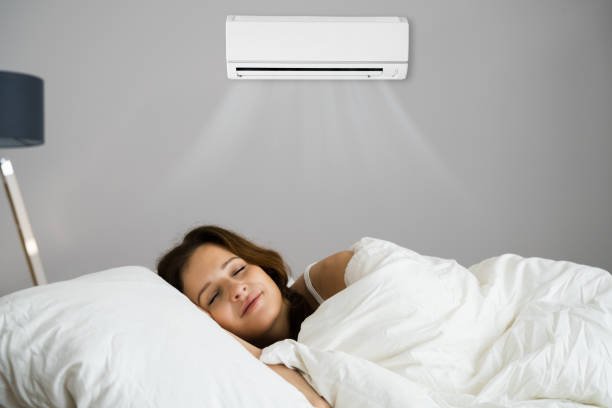
Another advantage is control. Ductless systems provide targeted heating where you need it, and many models modulate smoothly rather than cycling hard on and off. When homeowners ask ductless vs baseboards, the practical benefits are often stable temperatures, less temperature swing, and room by room comfort without needing a full ducted system.
What “More Efficient” Usually Means In Practice
In ductless vs baseboards terms, “more efficient” usually means lower kWh usage for the same comfort level and better control of where heat goes. A ductless system can also provide cooling, which baseboards cannot, so the overall value can extend beyond heating season.
Ductless vs Baseboards Efficiency: The Simple Comparison
If you want a quick answer, ductless vs baseboards efficiency usually favors ductless heat pumps in most Toronto homes, especially when you need heating for many hours a day. Baseboards use electricity at a one-to-one conversion, while ductless heat pumps can often deliver more heat per unit of electricity, which can reduce operating costs when properly sized and installed.
That said, ductless vs baseboards is not only about a single metric. Efficiency depends on insulation, drafts, window quality, and how you heat the home. If your home is extremely leaky, both systems will work harder. The best ductless vs baseboards decision includes improving the envelope where possible and choosing the system that matches the way you use each room.
Where The Savings Usually Come From
Savings in ductless vs baseboards comparisons usually come from two sources: heat pump efficiency and zoning. A ductless system can heat the rooms you actually occupy without running every baseboard at full output all evening.
Comfort And Control: What Feels Better Day To Day
Most homeowners who switch to ductless heating say the comfort difference is immediate. With baseboards, heat rises and can leave floors cooler and corners drafty. With ductless, airflow and modulation often create more even room temperature, and you can adjust comfort room by room. In ductless vs baseboards decisions, this is often the reason people upgrade even before they do the full math.
Control also matters for lifestyle. If you have a home office, a nursery, or a basement suite, ductless allows you to keep that zone comfortable without overheating the entire house. When comparing ductless vs baseboards, think about the rooms you use most, the rooms you rarely use, and whether your current system forces you to heat everything equally.
Zoning Advantages In Toronto Homes
Toronto homes often have uneven heat loads between floors. Bedrooms upstairs can feel colder in windy weather, and basements can feel damp and chilly. In ductless vs baseboards comparisons, zoning is a major advantage because you can match output to the room’s real needs.
Operating Costs In Ontario: What To Watch
Operating cost depends on electricity rates, run time, insulation, and how aggressively you heat the home. In ductless vs baseboards comparisons, baseboards are simple to estimate because every hour of operation is directly tied to electricity use. Ductless systems vary more because output changes with outdoor temperature and the system’s efficiency at that moment.
A helpful approach is to look at your habits. If you heat many rooms for long periods, ductless vs baseboards operating cost often favors ductless. If you only heat a small space occasionally, baseboards can sometimes be “good enough,” especially if you already have them and do not want to invest right now.
Natural Resources Canada provides helpful education on heat pump basics and how heat pumps provide both heating and cooling.
Peak Demand And How Systems Behave
Baseboards tend to draw full power when they are on. Ductless systems modulate and can run at lower output much of the time. In ductless vs baseboards planning, this can impact how the home feels and how often you see sharp spikes in usage.
Installation And Upfront Cost: The Real Tradeoff
In ductless vs baseboards decisions, baseboards usually win on upfront cost, especially if they are already installed. Adding or replacing baseboards is relatively straightforward. Ductless systems require equipment, refrigerant lines, electrical work, mounting, and commissioning, which increases upfront cost.
But ductless vs baseboards should also consider what you get for that investment. Ductless adds cooling, improves zoning, and can upgrade comfort in problem rooms without renovating for ductwork. For many Toronto homeowners, the better question becomes: is the upfront cost worth the comfort and operating savings over time.
How To Keep Installation Clean And Practical
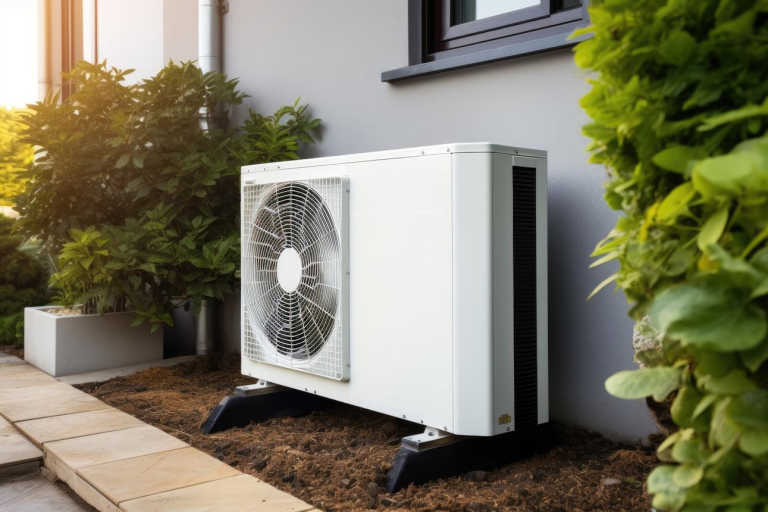
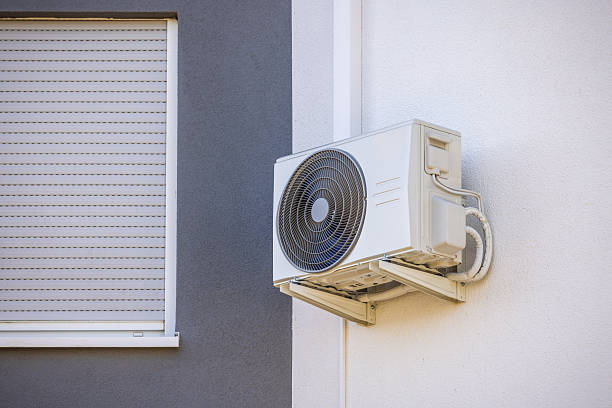
A clean install depends on smart indoor unit placement, tidy line routing, and correct outdoor unit placement with vibration control. In ductless vs baseboards upgrades, these details protect performance, noise levels, and curb appeal.
Quick Signs Ductless Might Be The Better Choice
If you are still unsure on ductless vs baseboards, this quick list can help you decide whether ductless is likely to pay off for your situation.
- You heat multiple rooms for many hours a day in winter
- Your baseboard bills feel high even when you are careful
- You have hot and cold spots between floors
- You want cooling in summer without adding ductwork
- You want quieter, steadier heat with less temperature swing
- You use only a few rooms often and want zoning control
- You have a basement suite, home office, or addition that needs separate comfort
If several of these match, ductless vs baseboards usually points toward ductless as the more efficient and comfortable choice.
Maintenance And Reliability Over The Long Term
Baseboards have very little maintenance. They are simple and usually reliable, but they also provide only heating and do not improve air movement or humidity. Ductless systems require basic care like cleaning filters and keeping outdoor units clear, but they also deliver both heating and cooling and often improve comfort more noticeably. In ductless vs baseboards planning, maintenance is a small factor compared to comfort and operating cost, but it still matters.
A well-maintained ductless system can run smoothly for years, especially when installed correctly and serviced as needed. Natural Resources Canada offers guidance on maintaining heating and cooling systems, including common upkeep tasks that protect performance.
What Homeowners Need To Do For Ductless
Clean filters on schedule, keep airflow unobstructed, and clear debris around the outdoor unit. These steps help ductless vs baseboards comparisons remain favorable over time because performance stays stable.
Ductless vs Baseboards In Condos, Basements, And Additions
Condos and basement spaces often highlight the best part of ductless: targeted comfort without major renovation. In a condo, baseboards may heat slowly and unevenly near windows, while ductless can provide steady room comfort and also cooling. In ductless vs baseboards comparisons for condos, the added cooling value is often a major advantage.
For basements and additions, ductless is usually a strong fit because those spaces often need different comfort than the main floor. Baseboards can work, but they often lead to uneven heat and higher bills if the space is used frequently. Ductless vs baseboards in these scenarios often comes down to how often you use the space and whether you need cooling.
Rental Suites And Tenant Comfort
For rental units, easy controls and stable comfort matter. Ductless can reduce complaints about hot summers and cold winters, while baseboards remain simpler. In ductless vs baseboards planning for rentals, consider long term tenant experience and operating costs.
When Baseboards Still Make Sense
Even though ductless vs baseboards often favors ductless, baseboards can still make sense in specific cases. If the space is rarely used, if you need the lowest upfront cost, or if electrical and installation constraints limit ductless options, baseboards can be practical. They can also be used as supplementary heat in a small room that does not justify a dedicated ductless zone.
In ductless vs baseboards decisions, it is also common to combine solutions. Some homeowners use ductless for main living areas and bedrooms, and keep baseboards as backup in low-use spaces. This hybrid approach can balance cost, comfort, and flexibility.
Hybrid Planning For Smart Results
A hybrid plan can improve comfort where it matters most while keeping upgrades reasonable. In ductless vs baseboards terms, it is often the best “middle path” for older homes.
Why Choose Go Ductless Inc.
Choosing between ductless vs baseboards is not only about equipment. It is about correct sizing, placement, and a plan that fits how you live. Go Ductless Inc. helps Toronto homeowners compare ductless vs baseboards with clear recommendations, practical budget guidance, and clean installation standards that protect performance and comfort.
We focus on the details that make ductless upgrades successful: thoughtful indoor unit placement, tidy line routing, stable outdoor mounting, and careful commissioning so the system runs quietly and efficiently. If you want real answers on ductless vs baseboards and a solution that feels right in your home, our team is ready to help.
Which Is More Efficient In Real Life?
For most Toronto households that rely on electric heat daily, ductless vs baseboards efficiency usually points to ductless heat pumps as the better long term choice. You get improved comfort, zoning control, and the ability to heat and cool from one system, often with lower operating costs when designed correctly.
If you want a clear recommendation for your home, the best next step is a professional assessment. Go Ductless Inc. can review your layout, identify the best zones, and help you choose the most practical solution in the ductless vs baseboards decision, with clean installation and straightforward guidance.
Frequently Asked Questions
-
Is ductless vs baseboards more efficient for Toronto winters?
In most cases, ductless vs baseboards efficiency favors ductless heat pumps because they can deliver more heat per unit of electricity than baseboards. -
Does ductless vs baseboards change if my home is poorly insulated?
Yes. In ductless vs baseboards comparisons, improving insulation and sealing helps either system, but ductless still often provides better efficiency and comfort. -
Is ductless vs baseboards a good choice for condos?
Ductless vs baseboards often favors ductless in condos because you also get cooling and better control near window areas. -
Can I keep baseboards as backup in a ductless vs baseboards upgrade?
Yes. Many homeowners use a hybrid approach so ductless vs baseboards planning includes baseboards as supplemental heat in low-use rooms. -
Does ductless vs baseboards affect humidity?
Baseboards do not manage humidity, while ductless systems can improve summer comfort by removing moisture when sized correctly, which is a key ductless vs baseboards difference. -
How do I know if ductless vs baseboards is worth the upfront cost?
If you heat multiple rooms often, want cooling, and need better zone control, ductless vs baseboards usually points to ductless as the better long term value. -
What is the biggest mistake in ductless vs baseboards decisions?
Oversizing or poor placement. In ductless vs baseboards upgrades, correct sizing and thoughtful placement are essential for stable comfort and efficiency.