Choosing the right spot for a bedroom indoor head is not just about where it fits on the wall. The right location affects comfort, airflow, humidity control, noise levels, and even how often the system cycles at night. In this guide, Go Ductless Inc. shares practical ductless unit placement tips you can use to plan a bedroom setup that cools evenly without blowing directly on the bed.
The goal with ductless unit placement tips is to create gentle, consistent airflow across the room while protecting the sleep zone from drafts. Bedrooms are different from living rooms because you notice air movement more when you are still, doors are often closed for privacy, and furniture layouts can block circulation. The best ductless unit placement tips combine comfort logic with installation realities like line routing, drain slope, and service access.
Why Bedroom Placement Matters More Than You Think
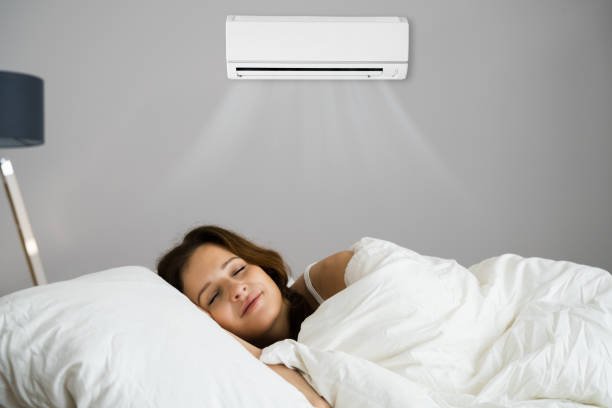
Bedrooms have unique comfort expectations. You might accept a slightly uneven temperature in a kitchen or hallway, but in a bedroom the wrong airflow direction can wake you up, dry your eyes, or make the room feel cold even when the thermostat says it is fine. That is why the first step in ductless unit placement tips is understanding the sleep zone. You want the unit positioned so the air mixes through the room before it reaches the bed, rather than shooting straight onto pillows and blankets.
Another reason ductless unit placement tips matter is humidity. Bedrooms can feel sticky at night, especially during humid summers, and people often lower the temperature to compensate. That can lead to more noticeable airflow and more cycling. When placement is correct, the system can run steadier at lower fan speeds and remove humidity more effectively, which often lets you set a more comfortable temperature without sacrificing sleep quality.
Start With The Sleep Zone And Air Path
One of the most reliable ductless unit placement tips is to identify where your head and upper body will be when you sleep, then plan airflow to avoid that path. You are not trying to hide the unit far away, you are trying to keep the main air stream indirect. In most bedrooms, that means the unit should blow across open space, along a long wall, or toward the center of the room rather than directly onto the mattress.
Another important part of ductless unit placement tips is understanding the air path. Cool air should travel across the room, mix, and return back to the unit. If the unit is jammed into a corner or blocked by curtains, the air short cycles near the unit and the far side of the room stays warm. The best ductless unit placement tips always prioritize a clean, open path for supply air and a clear path for return air.
Quick Bedroom Mapping Steps
- Mark the bed location and where your head rests
- Note tall furniture that blocks airflow
- Check which doors are usually closed at night
- Identify the longest open airflow direction in the room
Best Wall Locations For Bedroom Indoor Units
For most homes, the best ductless unit placement tips point to a high wall mounted indoor unit placed where it can throw air across the room without blasting the bed. The “best wall” is not always the closest wall to the outdoor unit. It is usually the wall that gives the cleanest airflow path and the least draft exposure. In many bedrooms, that means placing the unit on a wall that faces the open area of the room, not the headboard wall.
A second part of ductless unit placement tips is placement that supports easy installation and maintenance. You want a location that allows proper drain slope, clean line routing, and simple filter access. A bedroom unit that is hard to reach for cleaning is more likely to have neglected filters, and that can reduce airflow and comfort. If you are planning a dedicated bedroom system, Mini Split options are often ideal because they give you direct control over that room’s comfort.
Above The Door Or Near The Door Wall
One of the most popular ductless unit placement tips for bedrooms is using the door wall. Placing the indoor unit above the door or near the door wall often keeps airflow away from the bed and directs it into the room’s open space. This placement can also help spread air along the ceiling, which reduces draft sensation and improves mixing.
Another benefit of door wall placement is that it often leaves the main bedroom walls available for furniture and artwork. From an installation standpoint, it may also simplify line set routing depending on where the outdoor unit sits. As with all ductless unit placement tips, you still need to confirm proper clearance and avoid blocking the return air intake with trim or nearby shelving.
On The Wall Opposite The Bed
Another strong set of ductless unit placement tips involves placing the indoor head on the wall opposite the bed, but slightly offset so the air does not hit the sleeper directly. This is a great option when the opposite wall is open and the airflow can travel across the room before reaching the bed area. When done well, the room cools evenly and the system can run quietly at lower speeds.
This approach works especially well in medium to large bedrooms where you have distance to soften the air stream. You can also angle the louvers to sweep air across the room instead of down toward the mattress. If you want refined airflow control and quiet low speed operation, some homeowners consider Mitsubishi Electric M-Series systems, but the biggest difference still comes from applying the right ductless unit placement tips during design.
Avoid The Headboard Wall When You Can
A key rule in ductless unit placement tips is to avoid placing the indoor head directly above the headboard wall whenever possible. Even when mounted high, air can cascade down the wall and drift right onto the bed, especially in smaller rooms. This can feel like a constant draft at night and cause people to turn the system off, which reduces comfort and humidity control.
There are exceptions when the headboard wall is the only practical option, but if you must use it, careful louver settings and low fan operation become critical. In these cases, it is especially important to follow ductless unit placement tips that prioritize indirect airflow, good clearance, and a clear return path so the unit does not overwork.
Height, Clearance, And Airflow Rules That Keep Bedrooms Comfortable
The best ductless unit placement tips include simple physical rules. A wall mounted unit needs enough clearance above and on the sides to pull air in and push air out smoothly. If clearance is too tight, airflow becomes turbulent, noise increases, and cooling performance can drop. In a bedroom, small noise changes are more noticeable at night, so clearance is a comfort issue, not only a technical detail.
Ductless unit placement tips also include planning for air throw. You want the airflow to travel across open room space and mix before it slows down. If the unit is too close to a side wall, the air stream bounces and creates a cold spot near the unit while leaving the far corner warm. Proper height and spacing help the air spread evenly, which improves comfort and keeps the system from running harder than it needs to.
Recommended Bedroom Placement Height
A practical ductless unit placement tips guideline is to mount the unit high enough that air can flow across the room, but not so high that service becomes difficult. Most manufacturers provide specific mounting recommendations, and those should always be followed. The key is to avoid placement that forces the air to blow straight down onto the bed due to poor angle.
A higher placement also helps reduce the feeling of direct airflow because the air has more room to mix before it reaches sleeping height. If your bedroom ceiling is low, ductless unit placement tips become even more important, because there is less space for the air stream to soften. This is where a thoughtful layout choice can prevent years of nightly annoyance.
Clearance Reminders
- Follow manufacturer clearance guidelines above and beside the unit
- Keep the front discharge area clear of curtains and furniture
- Avoid tight corners that restrict airflow spread
Aim For The Longest Open Air Path
One of the most effective ductless unit placement tips is to aim airflow across the longest open path in the room. In many bedrooms, that is along the length of the room, not across the width. This longer throw helps mix air and reduces hot spots. It also lets the system operate at lower fan speeds while still distributing cooling across the full space.
If you are cooling adjacent areas like a walk in closet or an ensuite entry, remember that ductless unit placement tips do not replace zone design. A bedroom head is designed primarily for the bedroom. Trying to cool multiple closed rooms from one head often leads to uneven results. In those cases, you may want to discuss a broader Ductless Air Conditioning plan or a zoned Ductless Heat Pump design.
How To Avoid Drafts And Sleep Disruption
The most important ductless unit placement tips for bedrooms are about drafts. Drafts happen when the air stream hits the bed directly, when fan speed is too high, or when the unit is forced to run hard due to poor placement or sizing. People often blame the equipment, but in many cases the draft problem is caused by location and louver direction. Fixing those two things can transform comfort.
Another part of ductless unit placement tips is matching operation to sleep. Bedrooms are usually quiet, and the human body is more sensitive to airflow across the face and shoulders at night. The right placement helps you use Auto fan, lower fan speeds, and indirect airflow patterns that maintain comfort without noticeable blasts of air.
Use Indirect Airflow And Smart Louver Direction
A proven ductless unit placement tips strategy is to let airflow wash across the ceiling or sweep across open floor space, not directly onto the mattress. Most indoor heads allow you to adjust louvers and swing patterns. Use those settings to distribute air widely, not narrowly. If your unit has a “sleep” setting, it may also reduce fan speed and stabilize operation for nighttime comfort.
The key is that these settings work best when placement is already correct. If the unit is installed directly above the bed, even perfect louver settings may still feel drafty. That is why ductless unit placement tips always start with location first, then fine tune airflow settings after.
Watch Doors, Curtains, And Air Mixing
Bedrooms often have closed doors and blackout curtains, and both affect airflow. Closed doors can trap conditioned air in the bedroom, which is good if you want that room controlled, but it also means the unit must handle the full load of that room alone. Heavy curtains can block airflow and confuse temperature sensing. One of the most practical ductless unit placement tips is to ensure curtains do not hang over the unit’s intake or discharge.
For homes that struggle with stuffy air, ventilation and indoor air quality also matter. Health Canada has guidance on improving indoor air quality and ventilation practices in homes, which can be useful when bedrooms stay closed for long periods.
Special Bedroom Layout Scenarios And What To Do
Not every bedroom is a simple rectangle. Some rooms have sloped ceilings, dormers, large windows, or odd alcoves. In these cases, ductless unit placement tips must consider where heat enters, where air gets trapped, and how furniture forces the air stream. The best plan is still the same: avoid direct airflow onto the sleep zone and create a clear mixing path, but you may need to be more strategic with placement.
In smaller bedrooms, ductless unit placement tips become more strict because air throw distances are short. That makes it easier to create drafts and harder to hide the air stream from the bed. In large bedrooms, the challenge can be the opposite, making sure the far corner cools evenly without increasing fan speed too much. Both problems can be solved with correct unit selection and correct placement.
Small Bedrooms With Limited Wall Space
When wall space is limited, ductless unit placement tips often come down to choosing the least bad draft path. If the bed dominates the room, consider a placement that blows along the side of the bed rather than toward the headboard. You may also need to offset the unit to prevent direct airflow, even if the unit is not perfectly centered visually.
If you cannot avoid a draft path due to layout, a professional can sometimes recommend alternative indoor unit styles or airflow settings that reduce discomfort. Even then, the best ductless unit placement tips remain consistent: prioritize indirect airflow, avoid corners, and keep the discharge path unobstructed.
Rooms With Large Windows Or Strong Sun Exposure
Bedrooms with large windows can have strong solar gain in the afternoon and evening. That can increase cooling demand and make the room feel uneven. One of the best ductless unit placement tips here is to avoid placing the unit where it will short cycle near the window area without mixing the rest of the room. Instead, place it where it can push air across the entire space.
Window coverings also matter. If you keep blinds open during peak sun, the system will run more. If you close blinds, the load drops and the unit can run quieter. This is one of the easiest ductless unit placement tips to apply without changing equipment.
Installation Considerations That Affect Performance
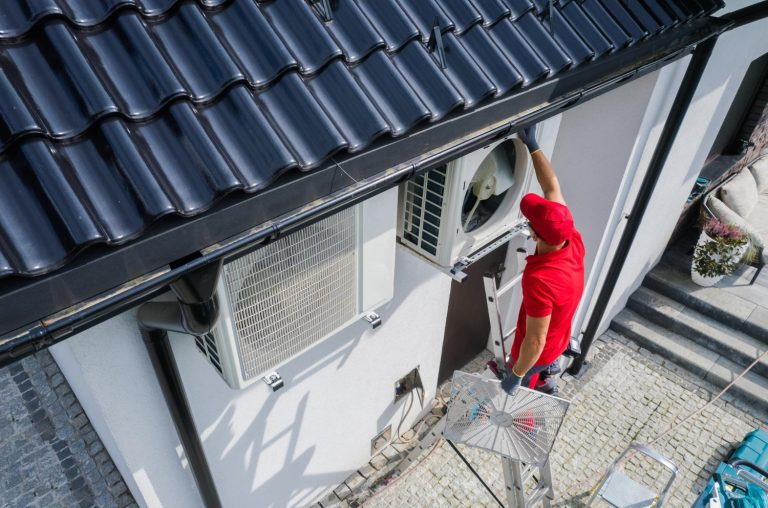
Good ductless unit placement tips include the parts you do not see, like line routing and drain planning. In a bedroom, drain issues are not only annoying, they can damage walls and flooring. A properly sloped drain line, correct condensate management, and clean routing through walls are essential. A placement that looks great on paper might be a bad choice if it forces an awkward drain route.
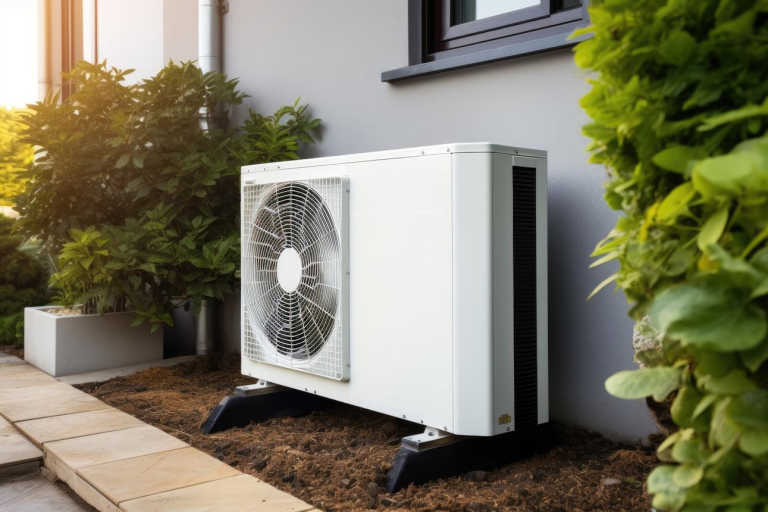
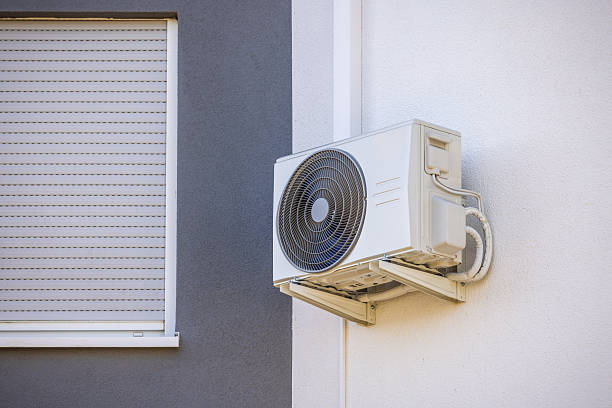
Noise is another installation factor. Indoor unit noise is typically low, but poor mounting, vibration transfer, or restricted airflow can amplify sound. Outdoor unit placement also matters if the bedroom wall is close to the outdoor unit location. A thoughtful plan connects indoor comfort to outdoor placement, and that is part of ductless unit placement tips that many homeowners overlook.
Condensate Drain Planning
A core ductless unit placement tips rule is to choose a location that allows a consistent downward slope for the drain line. If the drain cannot slope properly, it may require a pump, which adds complexity and another component to maintain. Pumps can be reliable, but in a bedroom environment, simpler is usually better when the layout allows it.
Drain planning is also connected to humidity. Bedrooms can generate moisture from breathing and nighttime routines, and summer humidity increases condensate. A reliable drain setup supports stable operation and prevents nuisance issues that make people turn systems off.
Matching The Bedroom Unit To The System Plan
If the bedroom is part of a whole home strategy, ductless unit placement tips should align with zoning goals. Some homes use a dedicated Mini Split head for each bedroom. Others use a shared zone that conditions a bedroom hallway and relies on air transfer with doors open. The best choice depends on household habits. If doors stay closed, more zones are usually needed.
For homeowners who are heating and cooling year round, it is also worth understanding how heat pumps perform. Natural Resources Canada offers an educational overview of heat pump basics that can help homeowners understand efficiency and operation.
Bedroom Placement Mistakes To Avoid
Even with good intentions, homeowners and installers can make small decisions that create big comfort problems. These ductless unit placement tips highlight what to avoid so your bedroom stays comfortable and quiet.
A bedroom is a room you experience for hours at a time, often in silence. That is why ductless unit placement tips should protect sleep first, not aesthetics first. If you avoid the common mistakes below, you are far more likely to get a setup that feels natural and effortless.
Bedroom Placement Mistakes
- Mounting the unit directly above the headboard wall
- Aiming airflow straight at the pillow line
- Installing too close to a corner where air cannot spread
- Allowing curtains to cover the unit’s intake or discharge
- Blocking airflow with a tall dresser under the unit
- Choosing placement that forces a drain pump unnecessarily
- Ignoring sun exposure from large bedroom windows
- Setting fan speed high at night instead of using Auto
Why Choose Go Ductless Inc.
Go Ductless Inc. treats bedroom comfort as a design problem, not a quick installation problem. Our approach to ductless unit placement tips starts with how you sleep, how you use doors and curtains, and how air moves through your room. Then we plan placement that supports gentle airflow, stable humidity control, and quiet operation. When ductless unit placement tips are applied correctly, the system can run at lower output more often, which typically improves comfort and reduces noise.
We also design solutions that fit your home’s goals. If you want targeted bedroom cooling, we can recommend a Mini Split setup that gives that room its own control. If you want year round comfort, we can plan a Ductless Heat Pump system with bedroom zoning that matches your lifestyle. If you are planning cooling improvements across several rooms, we can design a Ductless Air Conditioning layout that avoids hot spots and draft issues. For homeowners interested in premium control features, we can also discuss equipment options like Mitsubishi Electric M-Series, always grounded in practical ductless unit placement tips and proper sizing.
Get Bedroom Ductless Unit Placement Tips From Go Ductless Inc.
The best bedroom results come from simple principles applied consistently. Use ductless unit placement tips that keep airflow indirect to the bed, support a long open air path, and provide proper clearance for smooth, quiet airflow. Avoid the headboard wall when possible, keep furniture and curtains from blocking airflow, and plan for reliable drain routing. When these placement details are right, the system can maintain comfort at low fan speeds and steady operation, which is exactly what most people want at night.
If you want help choosing the best location for your bedroom, contact Go Ductless Inc. We can assess your room layout, recommend the right indoor unit placement, and help you build a solution that fits your comfort goals, whether you need a dedicated Mini Split for one bedroom, a whole home Ductless Heat Pump plan, targeted Ductless Air Conditioning, or equipment options like Mitsubishi Electric M-Series. With the right ductless unit placement tips, your bedroom can stay cool, quiet, and consistent all summer.
Frequently Asked Questions
- What are the best ductless unit placement tips to prevent drafts at night?
The best ductless unit placement tips keep airflow off the bed by placing the unit on a wall that blows across open space, not toward the headboard. - Can ductless unit placement tips recommend installing above the bedroom door?
Yes, ductless unit placement tips often include above door placement because it directs air into the room and reduces direct airflow on sleepers. - Do ductless unit placement tips change for small bedrooms?
Yes, ductless unit placement tips for small rooms focus on indirect airflow and careful louver direction because throw distance is shorter and drafts are easier to feel. - Should ductless unit placement tips avoid the headboard wall?
In most cases yes, because headboard wall installs increase the chance of airflow hitting the sleeper, which can disrupt sleep. - Do ductless unit placement tips consider curtains and furniture?
Yes, ductless unit placement tips always account for curtains and tall furniture because they can block airflow and reduce cooling performance. - How do ductless unit placement tips handle bedrooms with big windows?
Ductless unit placement tips recommend placement that mixes air across the room and also suggest managing sun exposure with blinds to reduce the cooling load. - When should I call a professional for ductless unit placement tips in my bedroom?
If your room has limited wall space, unusual layout, or persistent draft problems, a professional can apply ductless unit placement tips with proper sizing and placement planning.