Many homeowners across Toronto and the GTA love the idea of heating with a mini split, especially because ductless systems can also cool in summer. The big question is whether ductless mini split winter heating can truly keep a home comfortable through a real Canadian winter. The short answer is yes, it can, but only when the system is designed correctly, the equipment is suited for cold weather, and the home’s insulation and layout support efficient heating. Go Ductless Inc. helps homeowners understand what is realistic, what is not, and how to plan for stable comfort when temperatures drop.
In this guide, we will break down how ductless mini split winter heating works, what performance looks like in colder weather, how to choose zoning for bedrooms and main living areas, and when backup heat makes sense. You will also learn practical operating habits that help a mini split stay efficient in winter, plus clear warning signs that the system is undersized or not configured properly.
How Ductless Mini Split Winter Heating Works
Ductless mini splits are heat pumps. That means they do not create heat the way a furnace does. Instead, ductless mini split winter heating works by moving heat from outdoor air into your home through a refrigeration cycle. Even when it feels cold outside, there is still heat energy in the air. The mini split extracts that heat, concentrates it, and delivers it indoors.
Because it moves heat, ductless mini split winter heating can be more efficient than electric resistance heating, such as baseboards. Natural Resources Canada explains how heat pumps transfer heat and why they are considered an efficient heating option in many Canadian conditions.
Why Cold Weather Changes Performance
As the outdoor temperature drops, the heat pump has less heat available to capture and must work harder. This is why ductless mini split winter heating performance is not the same at 5°C as it is at minus 15°C. Good cold climate equipment is designed to keep producing useful heat at low temperatures, but output and efficiency can still change as the air gets colder.
The expectation should be that a mini split will run longer in colder weather. That is normal. A well designed ductless mini split winter heating system delivers steady warmth with fewer temperature swings than many traditional systems. It may feel different from a furnace because the heat is more continuous and less blast like, but many homeowners prefer that consistency.
Defrost Cycles Are Normal
In winter, outdoor coils can accumulate frost. When that happens, the system runs a defrost cycle to clear the coil so it can keep moving heat. During defrost, the unit may temporarily reduce indoor heat output. This can surprise homeowners new to ductless mini split winter heating, but it is normal behavior.
What matters is frequency and duration. Occasional defrost cycles are expected. If the unit defrosts constantly, that could indicate airflow issues, installation problems, or a system that is struggling to meet demand.
Can A Mini Split Heat An Entire Home In Winter?
Ductless mini split winter heating can absolutely heat an entire home in many cases, but it depends on home layout, insulation, and system design. Open concept homes often heat more evenly with fewer indoor units because air can mix across larger spaces. Homes with many closed door bedrooms may need more zones so each area has consistent heat.
A common mistake is expecting one indoor unit to heat a whole floor with many closed rooms. That often leads to comfort issues. For whole home winter comfort, ductless mini split winter heating usually needs a zoning plan that matches how the home is used. This is where a Ductless Heat Pump system plan and a Mini Split zoning approach can be designed together to cover the home properly.
Single Zone Vs Multi Zone Systems
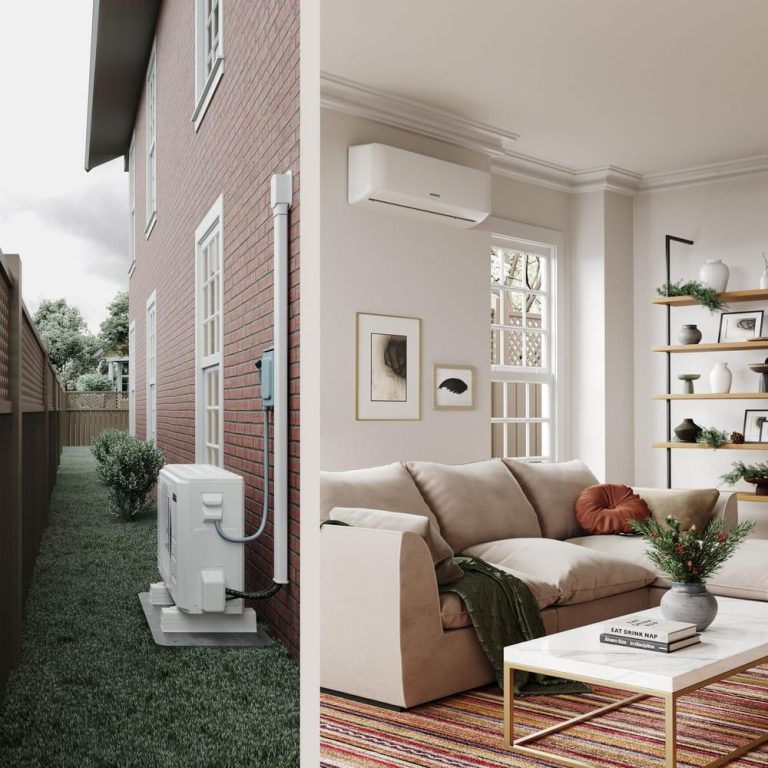
A single zone mini split has one outdoor unit and one indoor unit. This can work very well for heating a main living area, a basement, or an addition. For whole home coverage, many homeowners use a multi zone system that connects several indoor units to one outdoor unit. Multi zone systems can support ductless mini split winter heating across bedrooms and living areas, but they must be matched correctly so capacity is available where it is needed.
Your expectation should be that a multi zone outdoor unit shares its capacity among indoor units. If every zone calls for maximum heat at the same time during a cold snap, output is distributed. A good design accounts for this by sizing properly and balancing zone demand.
Layout And Air Movement Matter
Ductless mini split winter heating works best when conditioned air can circulate. Stairwells, hallways, and open pathways help. Closed doors reduce airflow transfer, which can make rooms cooler. If your household keeps doors closed at night, bedroom zones often need their own indoor units or a clear plan for heating that wing.
This is why Go Ductless Inc. focuses on placement and zoning rather than only equipment size. A well placed indoor unit can distribute heat better than a poorly placed larger unit.
Choosing The Right Equipment For Canadian Winters
Not all mini splits are equal in cold weather. For ductless mini split winter heating, you want equipment designed for low temperature performance. This usually means cold climate rated systems that maintain higher heating output at lower outdoor temperatures. The key is not only the maximum BTU rating, but how much capacity the unit retains as temperatures drop.
Many homeowners also care about comfort features, like quiet indoor operation and good airflow control. Systems like Mitsubishi Electric M-Series are often considered by homeowners who want refined control and strong winter capability, and Daikin Ductless options are also common in ductless system planning. The best choice depends on the home’s heat load and your comfort priorities.
Sizing Based On Heat Load, Not Square Footage
Ductless mini split winter heating success depends heavily on proper sizing. Square footage alone is not enough. Heat load depends on insulation, window quality, ceiling height, air sealing, and how many exterior walls a room has. A bedroom with large windows and poor insulation may need more heating capacity than a similarly sized interior room.
Proper sizing also helps efficiency. An oversized system may cycle more, and an undersized system may run at high output constantly. A properly sized ductless mini split winter heating system should run steadily and maintain temperature without feeling strained.
Building Envelope Still Matters
Even the best equipment struggles if the home is leaking heat. Air leaks in attics, poor insulation, and drafty doors increase heating demand. Improving the envelope often makes ductless mini split winter heating far more comfortable and can reduce operating costs.
Natural Resources Canada shares information about home energy efficiency programs and guidance, including the Canada Greener Homes Initiative, which many homeowners explore when planning upgrades.
What To Expect From Comfort And Temperature Control
A common expectation shift with ductless mini split winter heating is how the warmth feels. Furnaces often deliver short bursts of hot air and then shut off. Mini splits tend to deliver more consistent heat. The air coming from the indoor unit may not feel as hot as furnace air, but the room temperature can stay steadier, which often feels more comfortable.
You should also expect zoning to change how you heat your home. With ductless mini split winter heating, you can keep bedrooms slightly cooler and living areas warmer, or you can maintain consistent temperatures across zones. The system is flexible, but it works best when setpoints are stable rather than constantly changing.
Best Winter Thermostat Habits
Many homeowners create mini split problems in winter by using large setbacks. If you drop the temperature far at night and then raise it sharply in the morning, the system has to work harder to recover. Ductless mini split winter heating often performs better with smaller adjustments and steadier setpoints.
A good practice is to choose a comfortable base temperature and only adjust slightly. If you have zones, you can lower setpoints in unused rooms rather than forcing a single unit to recover the entire house quickly.
Noise Expectations In Winter
Mini splits are generally quiet, but winter operation can introduce different sounds, such as defrost changes and outdoor unit fan shifts. Indoor sound often stays low if airflow is not restricted. Clean filters and unobstructed airflow are key for keeping ductless mini split winter heating quiet in bedrooms.
Outdoor unit noise can increase slightly during defrost or high demand operation. Proper outdoor placement and mounting help reduce vibration and noise transfer into the home.
Backup Heat: When It Makes Sense
Some homes can rely on ductless mini split winter heating as the primary heat source through the entire season. Other homes use it as primary heat most of the time but keep backup heat for extreme cold snaps. Backup heat can be a furnace, baseboards in certain rooms, or another strategy depending on the home.
The right expectation is that backup heat is not a failure. It is a planning decision. If your home has high heat loss, if your region sees very low temperatures, or if you want extra peace of mind, backup heat can support comfort without forcing the mini split to run at its limit.
Signs You May Need Backup Heat
If the system struggles to reach set temperature during cold snaps, if certain rooms stay cold, or if the system runs constantly at full output, backup heat may be helpful. A proper heat load assessment can identify this before installation. After installation, performance testing can confirm whether ductless mini split winter heating is meeting expectations.
Hybrid Approaches Many Homeowners Use
Some homeowners heat the main floor and open areas with ductless mini split winter heating and use existing baseboards in isolated rooms. Others use a whole home ductless heat pump plan and keep a furnace as backup for rare extremes. The best approach depends on your home and comfort goals.
Winter Heating Mistakes To Avoid
Ductless mini split winter heating can work extremely well, but there are common mistakes that reduce comfort and increase costs. Avoiding these issues is often the difference between loving the system and feeling disappointed.
Here is one random list of winter mistakes:
- Using one indoor unit to heat several closed door bedrooms
- Setting large temperature setbacks that force long recovery ramps
- Ignoring dirty filters that reduce airflow and efficiency
- Blocking indoor airflow with furniture or heavy curtains
- Letting snow or debris block the outdoor unit
- Expecting furnace style blasts of hot air instead of steady heat
- Choosing equipment not suited for low temperatures
- Skipping insulation and air sealing improvements that reduce heat loss
Why Choose Go Ductless Inc.
Ductless mini split winter heating is not only about buying a unit. It is about design, sizing, zoning, placement, and commissioning. Go Ductless Inc. helps homeowners plan winter heating systems that match Canadian conditions and real household habits. We consider your home’s layout, insulation, door habits, and comfort priorities, then build a ductless plan that delivers steady heat without overpromising.
We also help homeowners choose the right pathway for their goals. If you want whole home winter performance, we can design a Ductless Heat Pump plan with the right zones. If you want targeted heating for specific areas, we can recommend a Mini Split system designed for those spaces. If you are comparing premium options, we can discuss Mitsubishi Electric M-Series and Daikin Ductless configurations based on cold weather performance and control needs. Our goal is to make ductless mini split winter heating reliable, comfortable, and predictable.
Get A Winter Ready Ductless Mini Split Plan From Go Ductless Inc.
So, can a mini split heat your home through a Canadian winter? In many homes, yes. Ductless mini split winter heating can deliver steady comfort when the system is designed for cold weather, sized to the home’s heat load, and zoned to match your layout. You should expect consistent temperatures and flexible room control, but you should also expect that closed door rooms, multi level homes, and high heat loss areas need smart zone planning. Backup heat can also be a smart choice for peace of mind during rare extreme cold snaps.
If you want a clear answer for your home in Toronto or the GTA, contact Go Ductless Inc. We can assess your home, recommend a zoning plan, and help you choose the best ductless solution for winter comfort, whether that is a Ductless Heat Pump design, a Mini Split approach for key areas, or premium options like Mitsubishi Electric M-Series or Daikin Ductless. With the right plan, ductless mini split winter heating can be a reliable part of your home’s comfort system.
Frequently Asked Questions
- Can ductless mini split winter heating work in very cold Canadian weather?
Ductless mini split winter heating can work well with cold climate rated equipment, but capacity changes as temperatures drop. - Will ductless mini split winter heating keep bedrooms warm with doors closed?
It can, but closed door bedrooms usually need their own zones or a design that supports that wing for ductless mini split winter heating. - Does ductless mini split winter heating cost less than baseboard heat?
In many cases, ductless mini split winter heating uses less electricity than electric resistance baseboards for the same comfort, depending on insulation and usage. - What temperature should I set for ductless mini split winter heating?
Stable setpoints often work best. Small adjustments help ductless mini split winter heating stay efficient and comfortable. - Why does ductless mini split winter heating pause sometimes?
Defrost cycles are normal. Ductless mini split winter heating may pause briefly while the outdoor coil clears frost. - Do I need backup heat with ductless mini split winter heating?
Some homes do not, but others use backup heat for rare extreme cold events or high loss rooms. - How do I make ductless mini split winter heating more effective?
Improve insulation and air sealing, keep filters clean, keep the outdoor unit clear, and use zoning that matches your home’s layout for better ductless mini split winter heating.