Homeowners love the idea of replacing bulky ductwork, hot and cold spots, and rising heating bills with a modern ductless system. The big question we hear at Go Ductless Inc. is simple: can a ductless heat pump heat an entire house? The honest answer is yes, a ductless system can heat a full home in many situations, but it depends on layout, climate, insulation, and how the system is designed. This guide explains how a ductless heat pump whole house setup works, when it is a great fit, and when you may need a different approach.
To decide if a ductless heat pump whole house plan is right for you, you need to think beyond the equipment and look at your home like a heating puzzle. Each room has a heat load, each floor has different airflow behavior, and some areas lose more heat due to windows, attic leakage, or poor insulation. When the plan is built properly, a ductless heat pump whole house design can deliver reliable comfort, room by room, with efficiency that many homeowners find impressive compared to older heating systems.
How A Ductless Heat Pump Whole House System Works
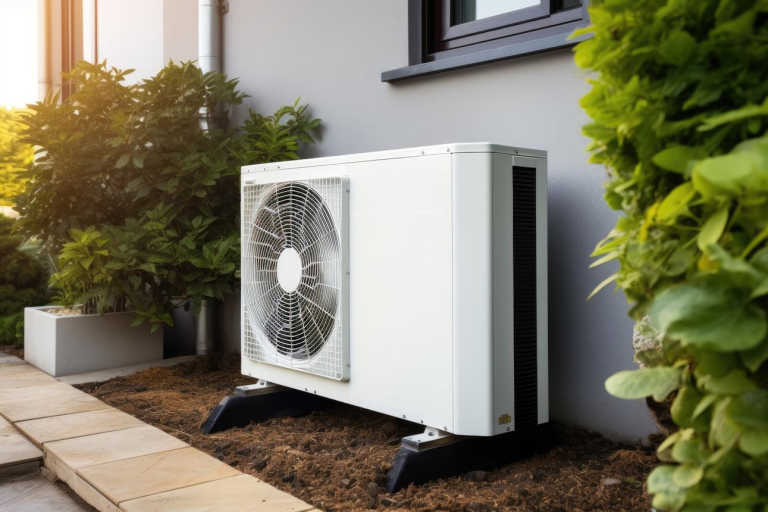
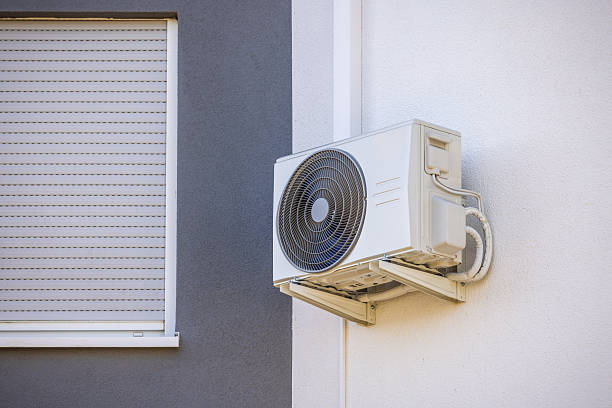
A ductless heat pump moves heat instead of generating it through combustion. In heating mode, it extracts heat from outdoor air and transfers it indoors through refrigerant and a compressor system. Because it transfers heat, it can be efficient even when it is cold outside, especially with cold climate rated equipment. A ductless heat pump whole house design uses one or more indoor heads, or other indoor unit styles, to deliver heat where it is needed without relying on large ducts.
The most important concept is zoning. A ductless heat pump whole house setup is not usually one indoor unit trying to heat every room equally. It is typically multiple zones designed around how your home is used. Bedrooms may need less heat during the day, living areas may need more in the evening, and basements may need steady but lighter heating. When zoning matches lifestyle and layout, a ductless heat pump whole house design can maintain comfort with less waste.
Single Zone vs Multi Zone Designs
A single zone system is one outdoor unit paired with one indoor unit. This can work for small homes, open concept layouts, or for heating the most used areas while supplemental heat supports the rest. A multi zone system connects one outdoor unit to multiple indoor units so you can heat several rooms or floors with one outdoor platform. In many homes, a ductless heat pump whole house plan uses multi zone equipment plus thoughtful indoor unit placement to cover the full footprint.
A practical approach is to design zones based on heat loss and occupancy, not just on the number of rooms. Go Ductless Inc. often designs a ductless heat pump whole house solution that prioritizes the main floor living space, then adds dedicated zones for bedrooms and other spaces that need stable temperatures. This helps avoid a common mistake where one indoor unit is expected to do too much, leading to uneven comfort.
When Single Zone Can Still Support Whole House Comfort
In some layouts, one strong zone can heat a large share of the home, especially if stairwells and open pathways allow air movement. This is more common in compact homes with open main levels. Even then, a ductless heat pump whole house goal is usually easier to achieve with additional zones, especially for bedrooms with closed doors.
What Determines Whether A Ductless Heat Pump Can Heat Your Entire Home
The success of a ductless heat pump whole house plan depends on the building envelope and the heating design. If your home leaks air, has weak insulation, and has large temperature differences between rooms, any heating system will struggle and run harder. If your home is well sealed and insulation is reasonable, a ductless heat pump whole house setup can perform very well.
Another key factor is sizing. Proper sizing means the system can meet your heating load during the coldest parts of winter in your area. If the equipment is undersized, it may still heat most of the time but struggle during cold snaps. If it is oversized, it may cycle too often, which can reduce comfort and efficiency. A ductless heat pump whole house design should be based on a real load calculation, not guesswork.
Climate And Cold Weather Performance
Cold weather capability is a major part of any ductless heat pump whole house conversation. Modern cold climate heat pumps can maintain useful capacity at low temperatures, but performance still changes as outdoor temperatures drop. That is why equipment selection matters, and why the design should consider where you live and how cold it gets.
Natural Resources Canada has helpful educational resources about heat pumps and how they work, including selection considerations for Canadian climates.
Why Cold Climate Ratings Matter
Cold climate systems are built to deliver higher capacity at lower outdoor temperatures and to manage defrost cycles effectively. This can be the difference between a ductless heat pump whole house setup that stays steady all winter and one that needs frequent backup heat during deeper cold periods.
Insulation, Air Sealing, And Heat Loss
If you want a ductless heat pump whole house setup to shine, invest in the building envelope. Air leaks in the attic, poorly sealed doors, and older windows can increase heat loss and drive up runtime. Even small improvements can reduce load and make a ductless heat pump whole house plan more comfortable.
Natural Resources Canada also provides information tied to home energy efficiency programs and guidance that can be useful when planning upgrades.
Best Layout Types For Ductless Heat Pump Whole House Heating
Some home layouts are naturally friendly to ductless systems. Open concept designs allow air to mix across larger areas. Compact homes have shorter distances between rooms and fewer isolated spaces. Multi level homes can work well too, but they require smart zoning and careful indoor unit placement. A ductless heat pump whole house plan is not one size fits all, but certain patterns tend to perform better.
Homes with long hallways and many closed off rooms may need more zones to maintain even temperatures. That does not mean ductless will not work. It just means the ductless heat pump whole house design should include the right number of indoor units and the right type of indoor units. In some cases, a combination of wall mounted units and other indoor unit styles can improve coverage.
Open Concept Homes
Open concept homes often do well because one or two zones can cover large areas. A ductless heat pump whole house plan in an open concept layout may focus on placing indoor units where they can push air across the widest open path. This can reduce the total number of zones needed while still maintaining comfort.
Homes With Many Bedrooms And Closed Doors
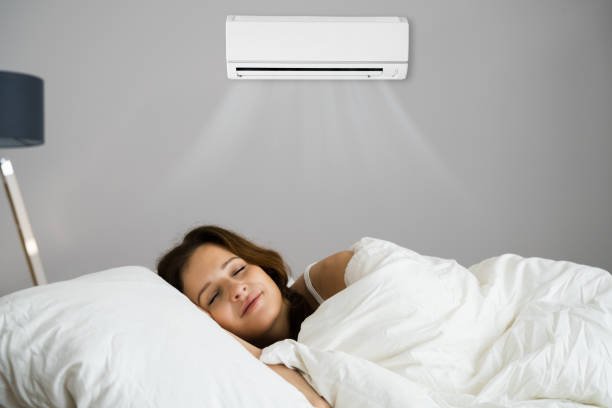
Bedrooms with closed doors tend to need their own zones or their own airflow plan. If you want the bedroom temperatures to be stable at night, a ductless heat pump whole house setup usually includes at least one indoor unit dedicated to the bedroom wing, or individual bedroom zones in certain designs. This is also where a Mini Split strategy can be very helpful, since it supports room level control.
Choosing The Right Number Of Indoor Units
A common question is how many indoor units are needed for a ductless heat pump whole house system. The answer depends on square footage, layout, and how separated the rooms are. The best designs avoid both extremes: too few units that cause hot and cold rooms, and too many units that add cost without real benefit. The goal is balanced coverage where each zone can hold temperature without working too hard.
At Go Ductless Inc., we typically approach ductless heat pump whole house planning by mapping the home into thermal zones. We look at the main living area, bedroom areas, basement needs, and any unique spaces like additions, sunrooms, or offices with high heat loss. Then we select equipment and placements that match those zones. This is one reason professional design matters so much for a ductless heat pump whole house result.
A Practical Starting Point For Zoning
Many average sized homes can be covered with two to five indoor units, depending on how the home is divided. Some homes need more, especially if rooms are isolated and doors remain closed. Others need fewer, especially if the home is compact and open.
Where Indoor Units Often Make Sense
Indoor units often work well in open living areas, at the top of stairwells that distribute air, in bedroom corridors, and in basements that need consistent temperature control. Each placement should support the ductless heat pump whole house goal of even comfort without drafts.
List Of Whole House Heating Mistakes To Avoid
Here is a random list of mistakes that can undermine a ductless heat pump whole house plan, even if the equipment is high quality.
- Expecting one indoor unit to heat a closed door bedroom wing
- Skipping a load calculation and guessing equipment size
- Ignoring attic air leaks that cause major heat loss
- Placing indoor units where airflow is blocked by furniture
- Choosing a multi zone outdoor unit that is poorly matched to the indoor load
- Setting extreme temperature setbacks that force frequent recovery ramps
- Forgetting that basements often need a different heating strategy
- Not planning a backup heat approach for rare extreme cold events
Ductless Heat Pump Whole House Comfort And Airflow Reality
A ductless heat pump whole house plan is not the same as central forced air. Central systems use ducts to push air into every room, while ductless systems rely on indoor units that condition air in zones. That can be a benefit because you control rooms independently, but it also means airflow between rooms matters. If you keep doors closed, you are asking each room to be its own zone.
This is why comfort planning is a major part of ductless heat pump whole house design. You may need more zones in a home where doors are usually closed. You may also benefit from smart unit placement that encourages gentle circulation through hallways and stairwells. When the plan respects real household habits, a ductless heat pump whole house system can feel very natural and comfortable.
Temperature Balance Between Floors
Multi level homes often see warmer upstairs temperatures and cooler basements. A ductless heat pump whole house design should address this by adding zones where they actually help, not just by adding more capacity in one spot. In many cases, separate zones for upstairs sleeping areas and main floor living areas improves comfort and reduces system strain.
Humidity And Perceived Warmth
Humidity affects perceived comfort. While heating season humidity is often lower, shoulder seasons can bring dampness, and some homes feel chilly because of higher humidity and poor air sealing. A well designed ductless heat pump whole house system can help maintain consistent indoor comfort, but it should be paired with basic envelope improvements when needed.
Service Options To Mention For Internal Linking
If you are building content and want internal links to match what readers need, it helps to reference the right services naturally. For a ductless heat pump whole house topic, the most relevant services to mention are Ductless Heat Pump for the core solution, Mini Split for zone based home layouts, Mitsubishi Electric M-Series for premium cold climate performance options, and Daikin Ductless for homeowners comparing brand pathways. These service references fit naturally into the conversation about design, zoning, and equipment selection.
Go Ductless Inc. also helps homeowners who want targeted cooling improvements, so Ductless Air Conditioning can be mentioned when discussing year round comfort planning. Even if the focus is heating, readers often want to know how the system performs in summer, and this supports a broader ductless heat pump whole house decision.
How To Think About Brand Choice Without Overcomplicating It
Brand selection matters, but it should come after design and load planning. A ductless heat pump whole house plan can succeed with multiple reputable brands if the system is sized correctly and installed well. Features like low temperature capacity, quiet operation, and control options can make certain models a better fit for specific homes, especially in colder areas.
What To Ask Your Installer About Equipment
Ask about heating capacity at lower outdoor temperatures, how many zones are recommended, how indoor unit placement will avoid drafts, and what backup heat plan is suggested. These questions keep your ductless heat pump whole house decision grounded in real performance, not just marketing numbers.
Why Choose Go Ductless Inc.
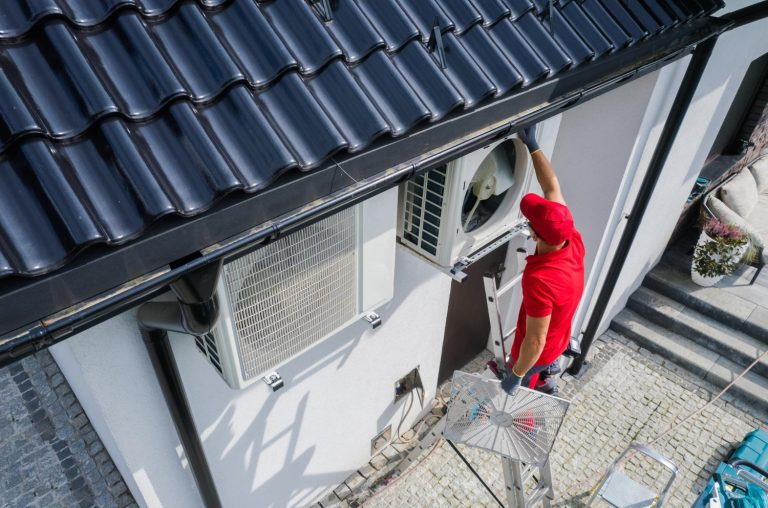
Choosing the right contractor is a major part of whether a ductless heat pump whole house plan works as expected. Go Ductless Inc. focuses on ductless design, proper sizing, and thoughtful zoning because whole home comfort depends on planning as much as equipment. We look at how your home is laid out, how your household uses each room, and what your insulation and air sealing conditions are. Then we build a ductless heat pump whole house recommendation that targets comfort, efficiency, and long term reliability.
We also help you choose the right service path based on your goals. If you want year round heating and cooling, we can design a Ductless Heat Pump system with the right zones and placements. If your home needs precise room control, we can plan a Mini Split approach that matches your lifestyle. If you want premium options, we can discuss Mitsubishi Electric M-Series or Daikin Ductless configurations that align with cold climate needs and comfort preferences. The goal is always the same: a ductless heat pump whole house setup that feels consistent, quiet, and easy to live with.
Two Helpful Canadian Government Resources
If you want to learn more about how heat pumps work and what to consider for Canadian climates, Natural Resources Canada offers a clear overview
If you are also exploring home energy upgrades and guidance related to efficiency, Natural Resources Canada provides information about the Canada Greener Homes Initiative
Get A Whole House Ductless Heat Pump Plan With Go Ductless Inc.
So, can a ductless heat pump heat an entire house? In many homes, yes, a ductless heat pump whole house solution can deliver excellent comfort and efficient performance when the design matches the layout and the home envelope is not wasting heat. The key is zoning, proper sizing, and realistic planning for closed doors, multi level temperature differences, and cold weather conditions. When these factors are addressed, a ductless heat pump whole house system can become a dependable primary heating source for a wide range of Canadian homes.
If you want a clear answer for your specific home, contact Go Ductless Inc. for a comfort focused assessment. We can help you determine the right number of zones, the best indoor unit placements, and the best equipment path for your climate and layout. Whether your plan includes a Ductless Heat Pump design, a Mini Split zoning strategy, premium Mitsubishi Electric M-Series options, or a comparison with Daikin Ductless, we will help you build a ductless heat pump whole house solution that fits your goals.
Frequently Asked Questions
1) Can A Ductless Heat Pump Whole House System Replace A Furnace?
Yes, a ductless heat pump whole house system can replace a furnace in many homes if the heat pump is sized for the heating load and the home envelope supports efficient operation.
2) How Many Indoor Units Are Needed For Ductless Heat Pump Whole House Heating?
Ductless heat pump whole house designs often use multiple zones, and the number of indoor units depends on layout, closed door habits, and how separated the rooms are.
3) Does Ductless Heat Pump Whole House Heating Work In Very Cold Weather?
Ductless heat pump whole house heating can work well in cold weather with cold climate rated equipment, but capacity and efficiency still change as temperatures drop. Natural Resources Canada explains heat pump basics.
4) Will Ductless Heat Pump Whole House Systems Heat Bedrooms With Doors Closed?
They can, but closed door bedrooms often need their own zones or a design that specifically supports those rooms, otherwise temperatures may vary.
5) Is Ductless Heat Pump Whole House Heating Cheaper Than Baseboard Heat?
In many cases, ductless heat pump whole house heating uses fewer kWh than electric resistance baseboards for the same comfort, but results depend on insulation, sizing, and usage patterns.
6) Do I Need Backup Heat With A Ductless Heat Pump Whole House Setup?
Some homes add backup heat for rare extreme cold events or for specific rooms with high heat loss. The need depends on climate, heat load, and equipment selection.
7) How Do Rebates Affect A Ductless Heat Pump Whole House Upgrade?
Programs and guidance can change over time, but Natural Resources Canada shares information about the Canada Greener Homes Initiative.