Older homes can be beautiful, but summer comfort is often the hardest upgrade because there are no supply trunks, returns, or chases for a conventional central system. If you are trying to cool home without ducts, the goal is to add reliable cooling without tearing into plaster, finished basements, or heritage trim.
The good news is that you have several proven options to cool home without ducts, and many of them also improve zoning, reduce noise, and help manage humidity. In this guide, Go Ductless Inc. breaks down what works best, how to size it properly, and how to get a clean install that fits the way older homes are built.
Why Older Homes Overheat In The First Place
If you want to cool home without ducts, it helps to understand why older houses trap heat. Many Toronto and Ontario era homes have limited insulation in walls, leaky attic hatches, and sun facing rooms that act like heat collectors by late afternoon.
Another reason people struggle to cool home without ducts is air flow. Older layouts often have closed rooms, narrow stairwells, and pocket doors that block circulation. Add original windows or small returns in forced air retrofits, and you get hot spots upstairs and humid, sticky main floors.
Common Trouble Areas In Older Layouts
The second floor and finished attic are usually the warmest because heat rises and roof loads are high, so a plan to cool home without ducts should prioritize those zones first instead of trying to push one unit to do everything.
The Best Cooling Options When You Need Comfort Without Ducts
For most homeowners who want to cool home without ducts, ductless mini split systems are the top option because they do not require major renovations. You can cool one room, a whole floor, or multiple rooms with separate indoor heads, and you get room by room control that older homes rarely have.
Other solutions can also help you cool home without ducts depending on the home and budget, such as high velocity small duct systems, window based options, or a hybrid approach that combines ductless cooling with ventilation improvements for better humidity control.
Ductless Mini Splits
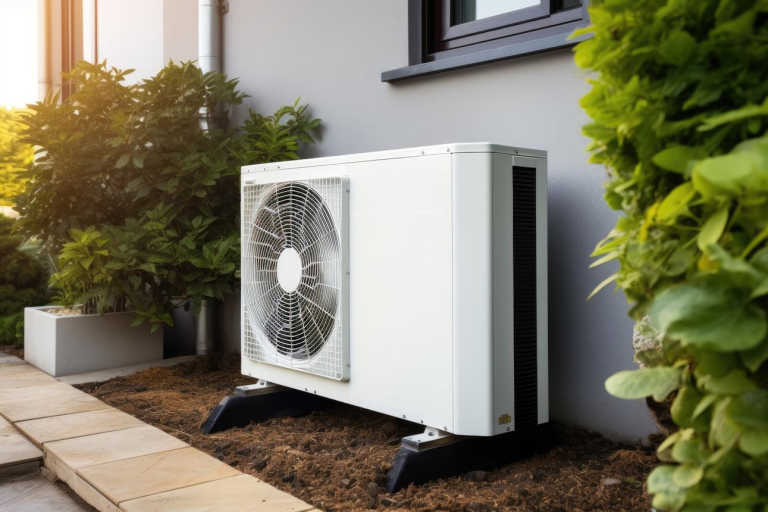
A ductless mini split is designed specifically to cool home without ducts using a small outdoor unit and one or more indoor units connected by refrigerant lines. The indoor unit mounts high on a wall, sits in a ceiling cassette, or can be hidden in short duct runs for select rooms, giving you flexibility without full ductwork.
High Velocity Small Duct Systems
High velocity systems use narrow tubes that can fit through closets and cavities, and they can be a good fit when you want a more traditional look while still trying to cool home without ducts. They are more invasive than ductless in many cases, but they may work well for homeowners who want discreet outlets and a single indoor air handler.
Window And Portable Options
Window units and portable AC can cool home without ducts in a pinch, especially for short term needs or rental situations. The trade off is noise, lower efficiency, and weaker dehumidification, so many owners treat these as temporary solutions while planning a longer term upgrade.
How To Choose The Right Ductless Setup For An Older Home
If you want to cool home without ducts effectively, sizing and layout matter more than brand names. Oversized equipment short cycles, struggles with humidity, and can feel clammy, while undersized systems run nonstop and still leave hot rooms behind.
A smart plan to cool home without ducts starts with a room by room load estimate, realistic goals for each floor, and a path for line sets that keeps the exterior tidy. Go Ductless Inc. typically prioritizes upstairs bedrooms, sun rooms, and top floor spaces first, then builds out zones based on how you live in the home.
Single Zone Or Multi Zone
Single zone systems are often the simplest way to cool home without ducts, especially when one space is clearly the problem, like a hot second floor bedroom. Multi zone systems connect multiple indoor units to one outdoor unit, which can be ideal when you want whole home coverage without multiple outdoor condensers.
Indoor Unit Styles For Older Homes
Wall mounted units are common, but you can also cool home without ducts using slim ducted units for discreet supply in a couple of rooms, or ceiling cassettes where ceiling access allows. The best style depends on room shape, furniture layout, and whether you want the unit visible or hidden.
Noise Matters In Older Neighborhoods And Quiet Cooling Is Possible
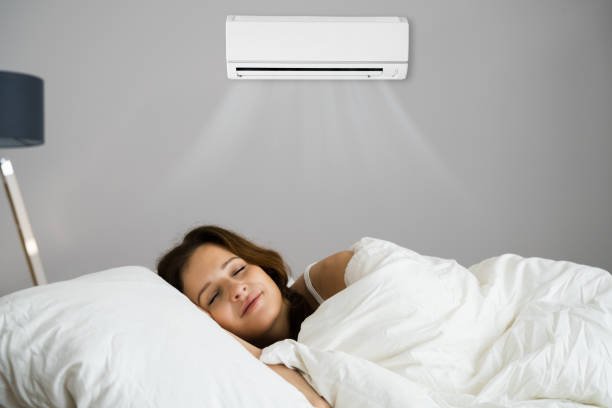
Many homeowners want to cool home without ducts because they also want quieter comfort than window units can deliver. Modern ductless systems are designed for low sound indoors and outdoors, and the right placement makes a big difference for sleep quality and neighbor friendly operation.
To cool home without ducts quietly, focus on correct sizing, steady inverter operation, and smart indoor unit placement away from headboards and seating areas. A professional install also reduces vibration, keeps line sets secure, and prevents the rattles that can happen in older framing.
Tips To Keep Operation Quiet
If you are trying to cool home without ducts in a bedroom, choose a unit that can modulate low at night and avoid oversized capacity that turns on and off frequently. Also ask for careful mounting, level brackets, and vibration isolation where needed.
Humidity Control And Air Quality In Ductless Cooling
When people try to cool home without ducts, they often focus only on temperature, but humidity is what makes a home feel sticky. A properly sized ductless system runs longer at lower output, which helps remove moisture and keep comfort steady.
To cool home without ducts and feel genuinely comfortable, consider how fresh air enters the home and how bathrooms and kitchens exhaust humidity. In older homes, improving air sealing, using quality exhaust fans, and adding a simple ventilation strategy can make ductless cooling perform even better.
Simple Upgrades That Help
If you want to cool home without ducts and reduce musty smells, start with attic insulation upgrades, air sealing around chimneys and penetrations, and reliable bathroom ventilation. These steps reduce heat gain and moisture load so your cooling system can focus on comfort instead of fighting the house.
Quick Checklist Before You Buy
Homeowners who want to cool home without ducts often get stuck comparing models, but the better approach is confirming the plan. A strong plan includes which rooms get cooled first, how refrigerant lines will be routed, and how the system will be commissioned and tested.
Before you choose equipment to cool home without ducts, confirm your electrical capacity, outdoor placement rules, and whether your home needs one outdoor unit or more for proper zoning. Small details like drain routing and condensate management matter a lot in older basements and finished spaces.
- Identify your hottest rooms and when they overheat most
- Decide if you need single zone now with expansion later, or multi zone from day one
- Confirm indoor unit style choices for each room
- Plan line set routing for a clean exterior finish
- Check electrical panel capacity and breaker space
- Ask how the system will be tested, vacuumed, and commissioned
Installation Details That Make Or Break Performance
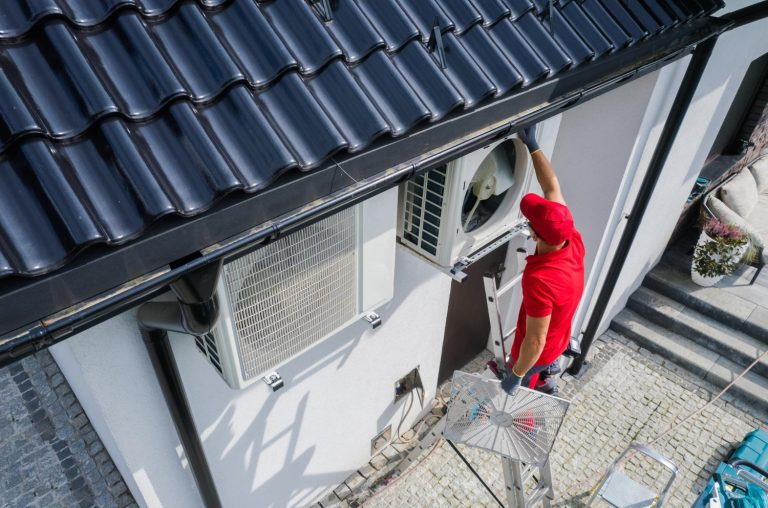
If you are investing to cool home without ducts, installation quality is the difference between a system that feels amazing and one that never quite settles. The best equipment still needs correct line set sizing, proper vacuum, and thoughtful placement for airflow and condensate drainage.
Go Ductless Inc. approaches every project to cool home without ducts with clean workmanship, careful finishing, and a focus on long term serviceability. That means tidy line hide, secure mounting, protected penetrations, and clear homeowner guidance on filters and seasonal use.
Clean Line Set Routing And Finishing
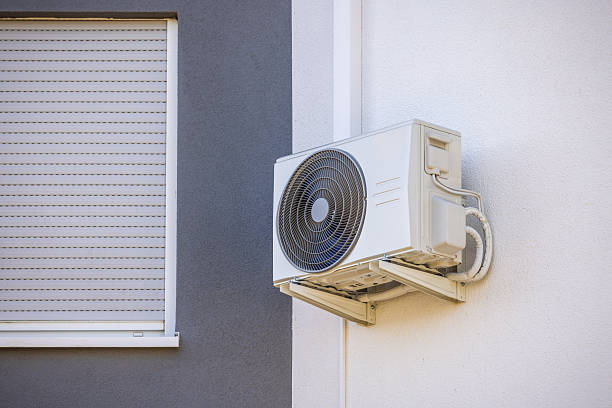
A clean exterior matters in older homes, so to cool home without ducts without hurting curb appeal, plan line routes along corners, behind downspouts, or through discreet chases. Inside, aim for short, direct runs that avoid tight bends and keep noise low.
Permits, Rebates, And Local Guidance In Canada
Many homeowners who want to cool home without ducts also want to understand rebates, energy rules, and safe installation basics. While requirements can vary by municipality and project scope, it is smart to work with a contractor who understands local expectations and can guide you through best practices.
For helpful Canadian resources while you plan to cool home without ducts, review federal information on energy efficiency and home upgrades.
Why Choose Go Ductless Inc.
If you want to cool home without ducts with a plan that fits an older home, Go Ductless Inc. focuses on practical layouts, correct sizing, and clean installation details. We help you compare options, choose the right indoor unit style, and build a zoning plan that delivers comfort where you actually spend time.
Homeowners choose Go Ductless Inc. to cool home without ducts because we keep the process clear from the first assessment to final testing. You get careful commissioning, straightforward guidance, and a finished look that respects your home, plus support for maintenance and long term performance.
Final Thoughts And Next Step
If you are trying to cool home without ducts, you do not have to settle for noisy window units or major renovations. With the right ductless approach, you can get steady cooling, better humidity control, and room by room comfort that matches the way older homes are used today.
The best next step to cool home without ducts is a professional assessment and a simple plan. Contact Go Ductless Inc. to review your layout, identify the best zones, and get a clean installation that delivers quiet comfort through every summer.
Frequently Asked Questions
If you want to cool home without ducts, the answers below cover the most common questions homeowners ask before choosing a system. Each situation is different, but these guidelines will help you plan with confidence.
1) What is the most efficient way to cool home without ducts?
The most efficient way to cool home without ducts is usually a properly sized ductless mini split because it provides zoned control and avoids losses from long duct runs, especially in older homes with tricky layouts.
2) Can one ductless unit cool home without ducts on multiple floors?
One unit can help, but to cool home without ducts across multiple floors you typically need separate zones, especially for upstairs bedrooms, because heat rises and airflow between floors is limited.
3) Will a ductless system look bulky in an older home?
Many homeowners can cool home without ducts with wall mounted units that blend in, and in some homes slim ducted or ceiling options can be used to keep the look more discreet.
4) How do I stop my upstairs from overheating if I cool home without ducts?
To cool home without ducts upstairs, prioritize the top floor with its own zone, size it correctly, and keep doors and airflow patterns in mind so the unit can circulate air where it is needed.
5) Do ductless systems dehumidify well?
Yes, when sized correctly, a ductless system can cool home without ducts and remove humidity steadily because it runs longer at lower output instead of short cycling.
6) Are window units a good long term way to cool home without ducts?
Window units can cool home without ducts temporarily, but they are usually louder and less efficient, so many homeowners upgrade to ductless for better comfort and a cleaner look.
7) How long does installation take to cool home without ducts with ductless?
Many projects to cool home without ducts can be completed in a day or two depending on zones and line routing, followed by testing and commissioning to confirm proper performance.